Caernarvon Castle — History & Analysis
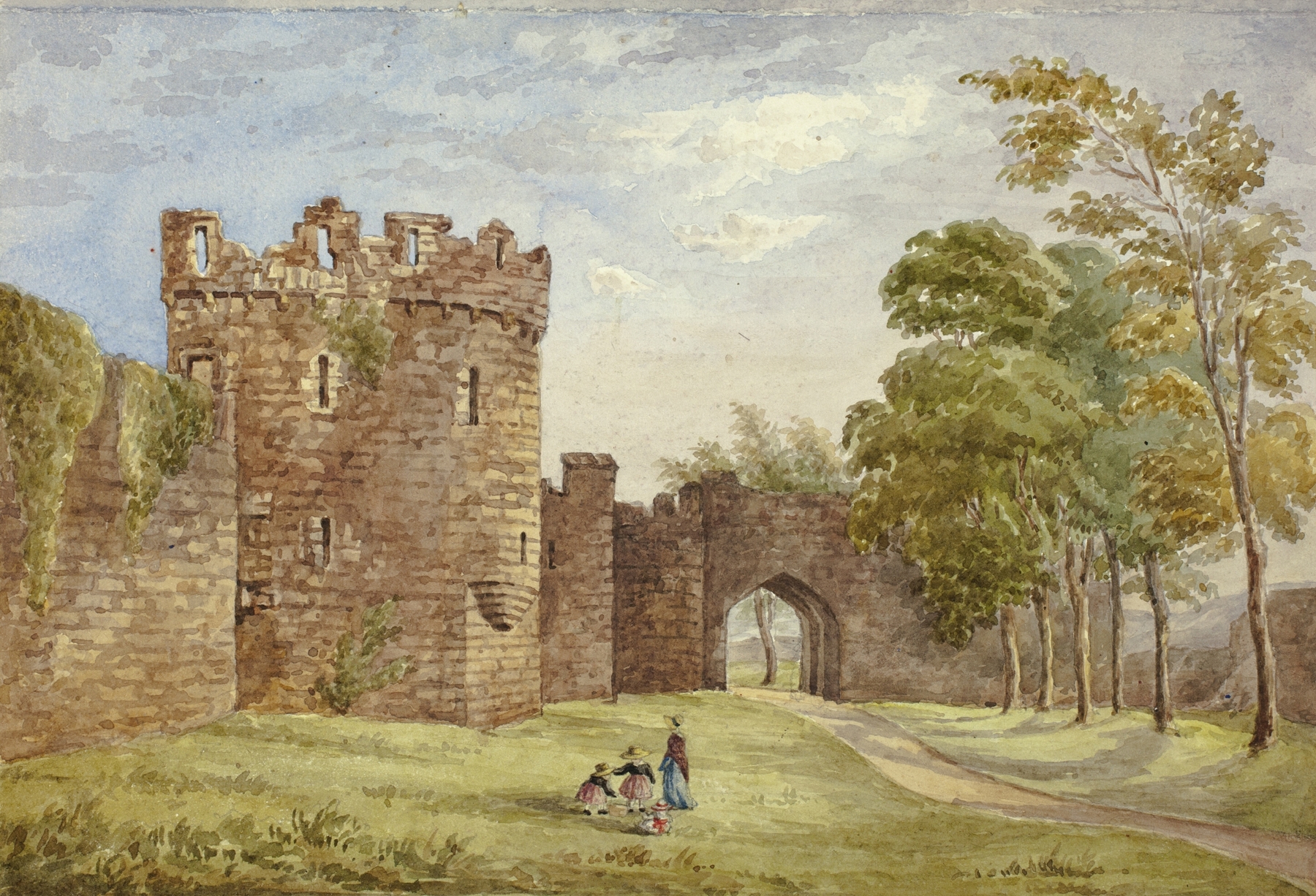
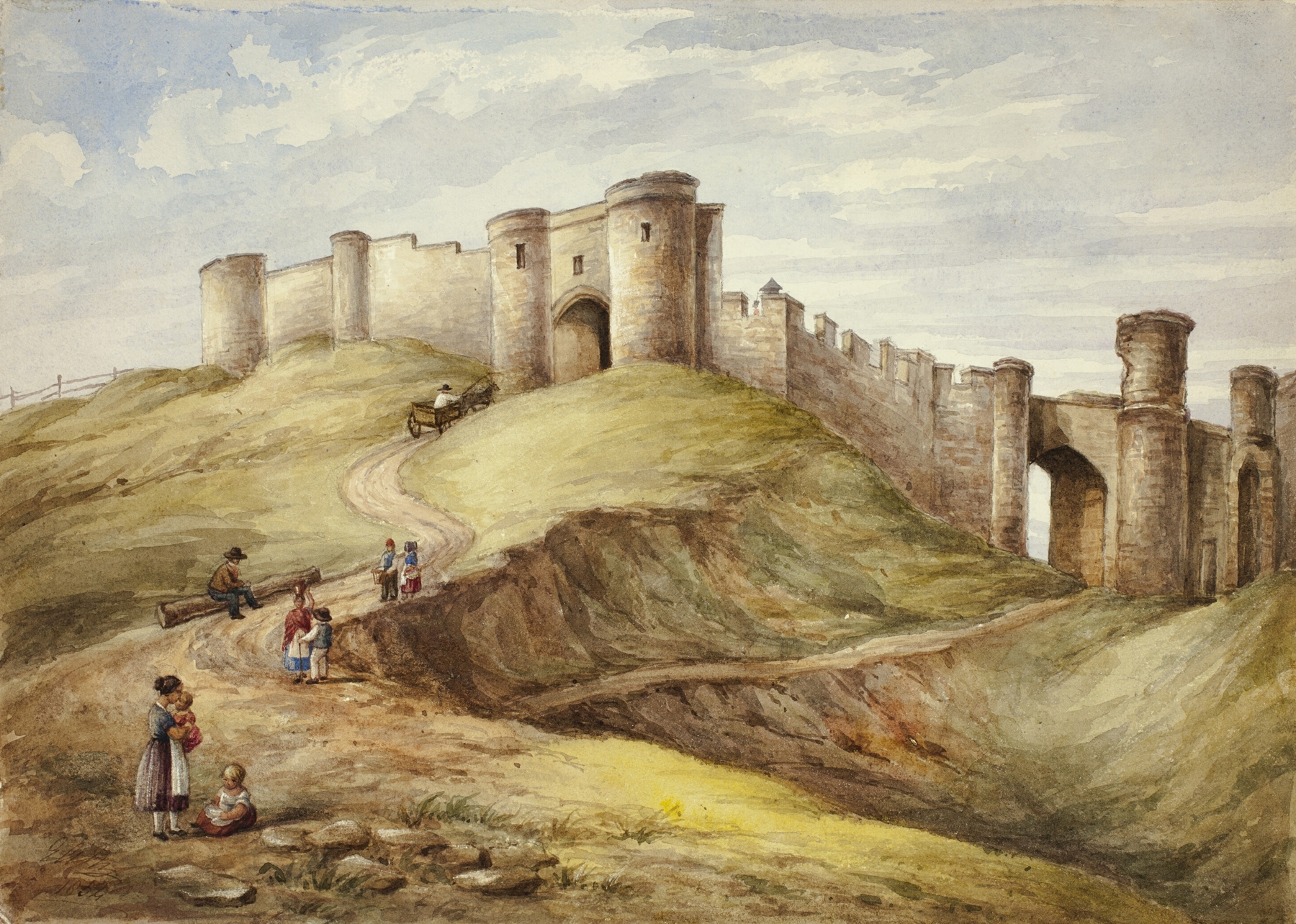
“To paint is to remember what time wants us to forget.” In Caernarvon Castle, the chaos of history is translated into a moment captured on canvas, intertwining memory and emotion through vibrant strokes and textured surfaces. Look to the foreground where jagged rocks meet the turbulent waves; the artist’s brushwork conjures a sense of movement that draws the eye across the canvas. The castle, bold and imposing, rises in the background, its stony facade illuminated by a diffuse light that hints at the timeworn struggles faced within its walls. The contrasting palette of deep greens and grays evokes the tumultuous spirit of both the landscape and its storied past, inviting viewers to experience the interplay between nature’s chaos and manmade structures.
At first glance, the castle may seem a mere backdrop, yet it stands as a metaphor for endurance amidst chaos. The surrounding tumult—the crashing waves and swirling clouds—mirrors the tumultuous history of Wales itself, suggesting the violent past of this fortress. Each brushstroke reflects the tension between nature and civilization, emphasizing the fragility of human endeavors against the relentless march of time and chaos.
Elizabeth Murray painted Caernarvon Castle in 1845 while living in England, a time of burgeoning Romanticism where artists sought to express emotional depth and the sublime. The Industrial Revolution was reshaping the landscapes and lives around her, sparking a complex dialogue between progress and preservation. In this environment rich with change, she seized upon the theme of chaos, ensconcing it within a historical narrative that resonates deeply within the heart of her work.