Scarborough Castle — History & Analysis
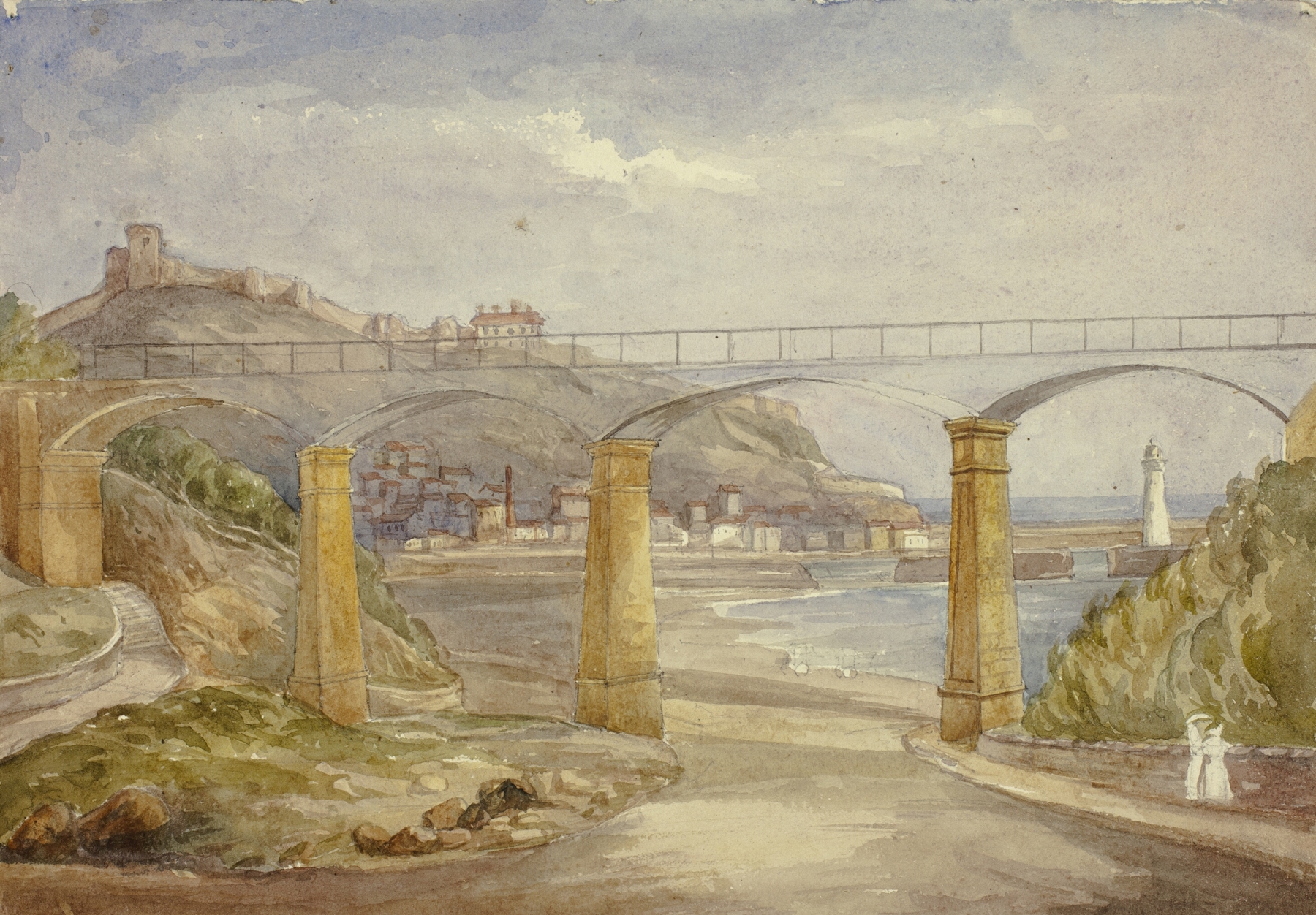
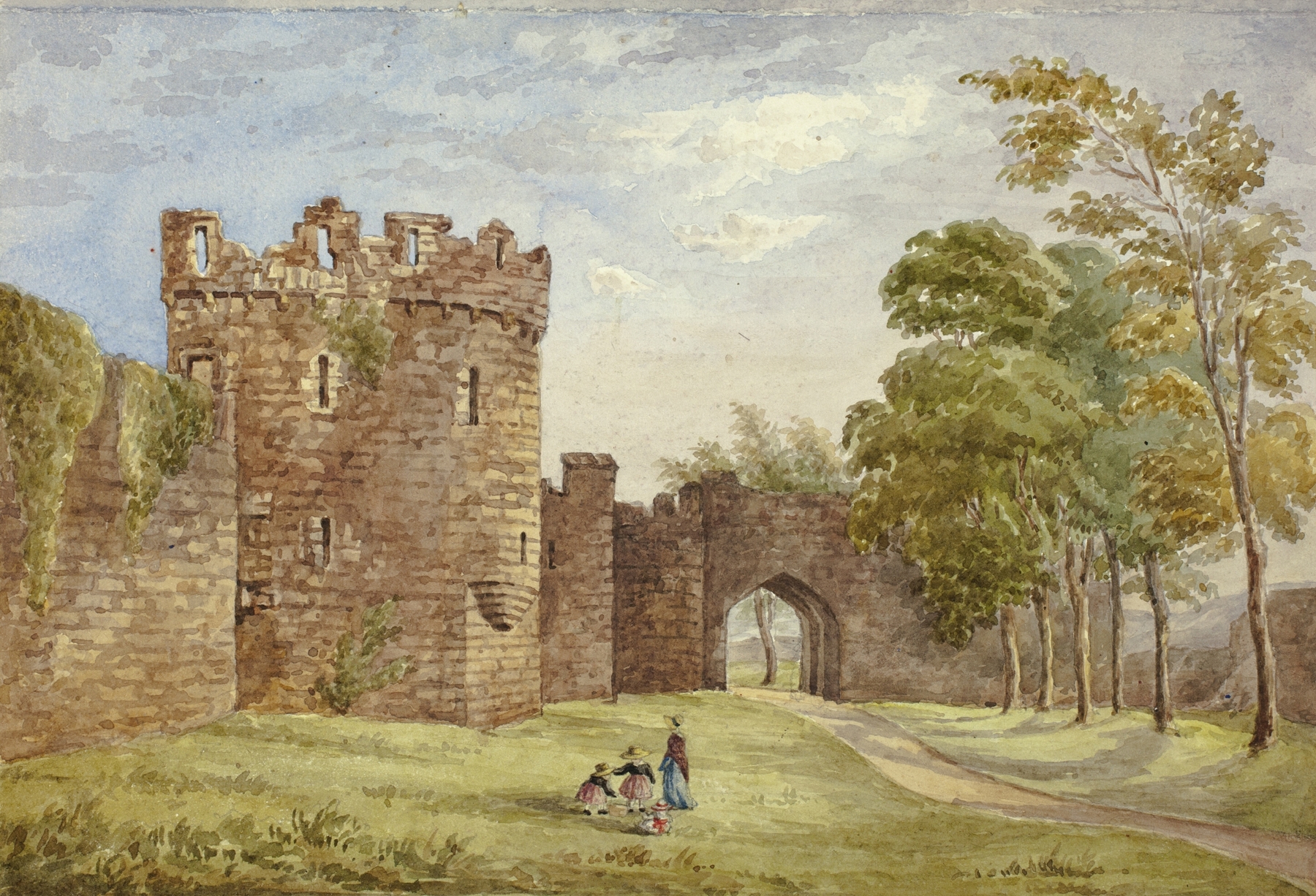
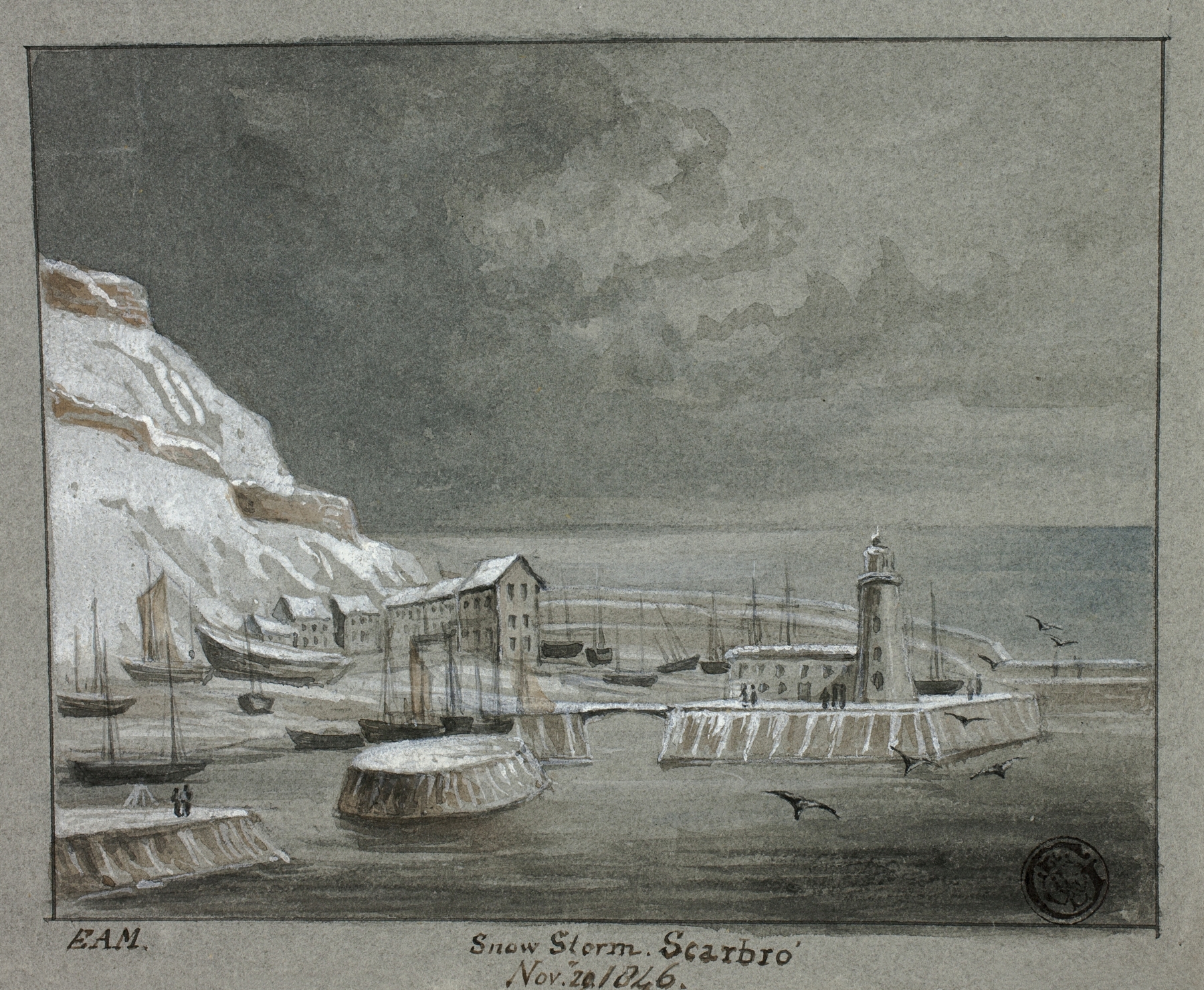
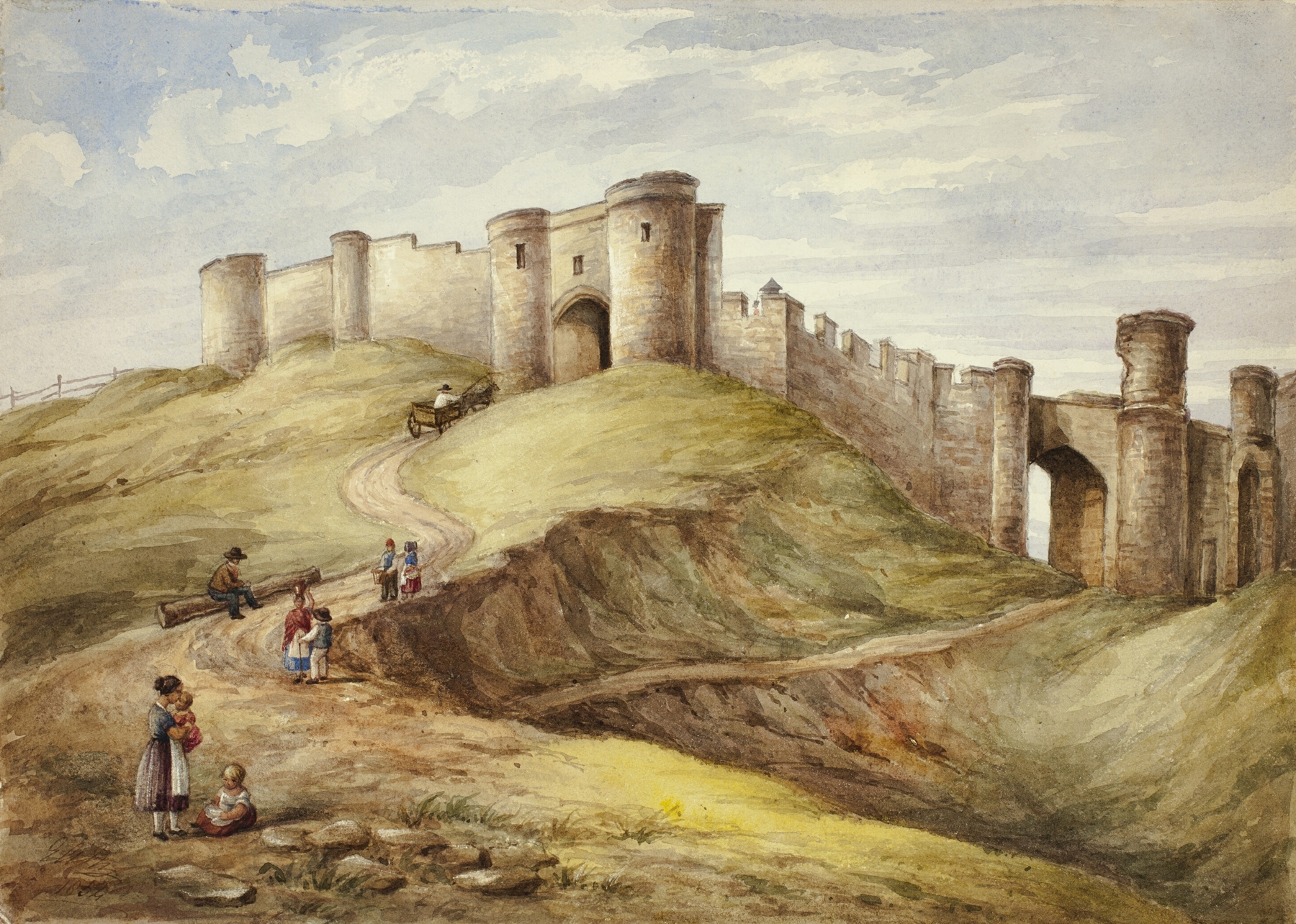
“Sometimes beauty is just pain, disguised in gold.” This duality stirs within the canvas, where landscapes embody a tragic yet breathtaking truth. The viewer is invited to wander through the echoes of loss wrapped in the allure of the scenery, reminding us that beauty often conceals deeper sorrows. Focus first on the horizon where rugged cliffs meet a tumultuous sea, alive with swirling blues and greens. The castle stands sentinel against the elements, its crumbling stone contrasting sharply with the vibrant sky. Notice how Murray masterfully employs light; the sun breaks through dark clouds, casting fleeting glimmers that dance across the water's surface, hinting at hope amidst despair.
The color palette, rich yet melancholic, speaks to both the grandeur of the castle and the inevitability of decay. Delve deeper into the emotional tensions at play. The juxtaposition of the fortress, a symbol of strength, against the encroaching waves evokes feelings of vulnerability, emphasizing the transient nature of human achievements. Each brushstroke reveals not just the physical landscape but also the artist's internal struggles with loss—a silent tribute to what once stood proud, now facing the relentless passage of time.
The viewer feels the pulse of memories intertwined with the beauty of the scene. In 1854, Elizabeth Murray created this evocative work while living in England during a time of artistic exploration. The mid-19th century was marked by the rise of the Pre-Raphaelite movement, challenging traditional representations and embracing emotional depth. Amidst her own personal losses and the broader cultural shifts, Murray's Scarborough Castle emerges as a poignant reflection on the interplay of beauty and grief, encapsulating the spirit of an era on the verge of change.