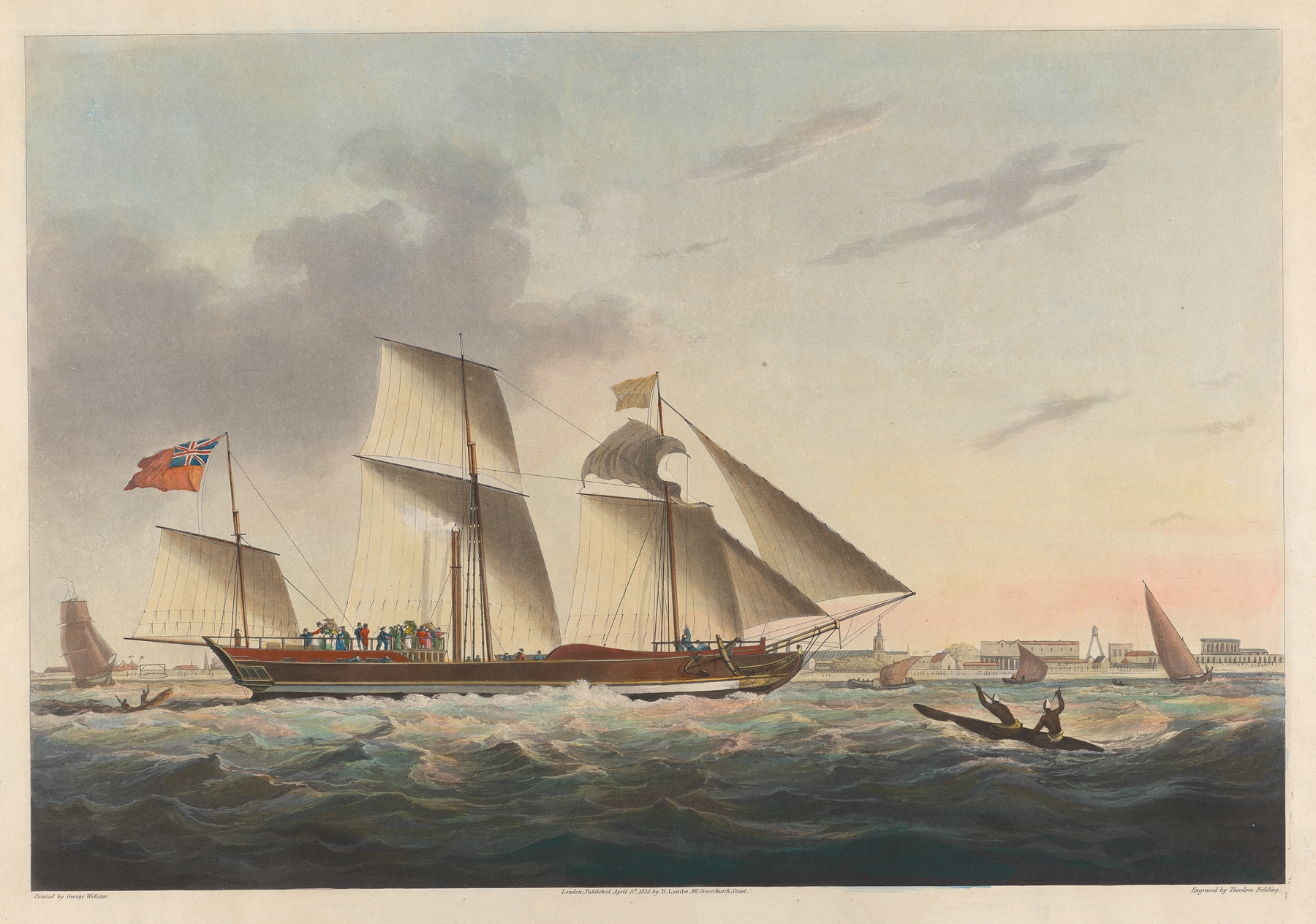
Cape Coast Castle, a British Settlement on the Gold Coast of Africa — History & Analysis
“Sometimes beauty is just pain, disguised in gold.” This poignant reflection resonates deeply, especially when contemplating the layered history captured in the artwork of a British settlement on the Gold Coast. Look to the center of the canvas where the castle looms, a stark contrast against the lush, tropical landscape. The artist deftly employs a palette of golden hues, evoking the wealth harvested from this region while simultaneously highlighting the shadow of colonial power. Notice how the sunlight filters through the clouds, casting an almost ethereal glow on the structure, suggesting both allure and foreboding.
The delicate brushwork in the waves crashing against the shore conveys a sense of unease, as if nature itself resists the encroachment of civilization. In this composition, the juxtaposition of beauty and brutality is palpable. The castle, a symbol of desire and exploitation, embodies the longing for wealth while masking the pain inflicted upon the indigenous peoples. The surrounding flora, vibrant and flourishing, contrasts sharply with the stark rigidity of the castle's architecture, reflecting the tension between natural harmony and human greed.
Each detail invites the viewer to contemplate the broader implications of colonialism and the emotional weight carried by such a location. In 1806, the artist was immersed in a period marked by intense colonial expansion and the burgeoning abolitionist movement. Painted during his time in Africa, Webster sought to document not just the landscape but also the complex emotions tied to imperialism. As the world wrestled with the ethics of trade and power, this piece stands as a striking visual commentary on desire, wealth, and the inescapable legacy of colonial history.