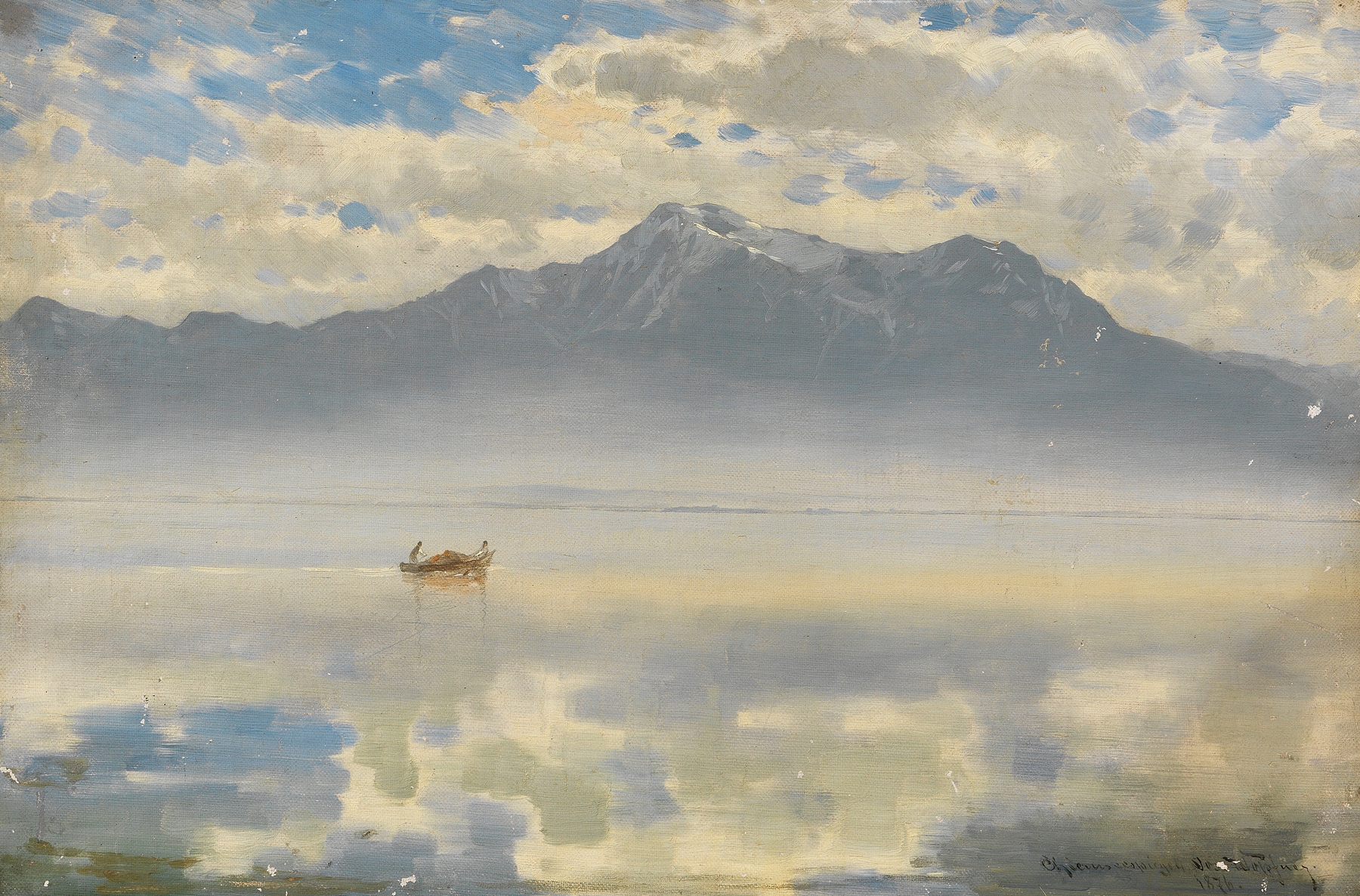
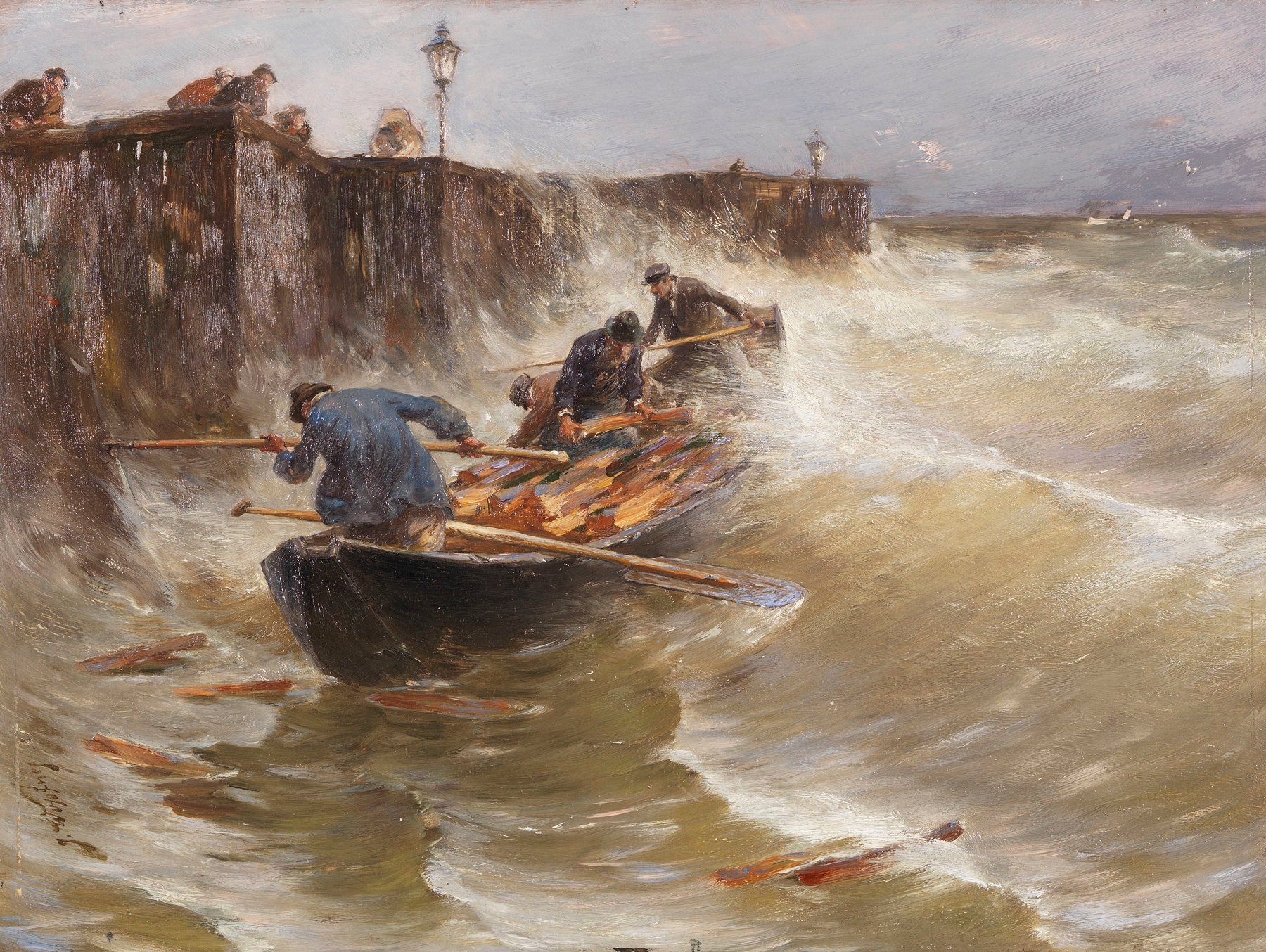
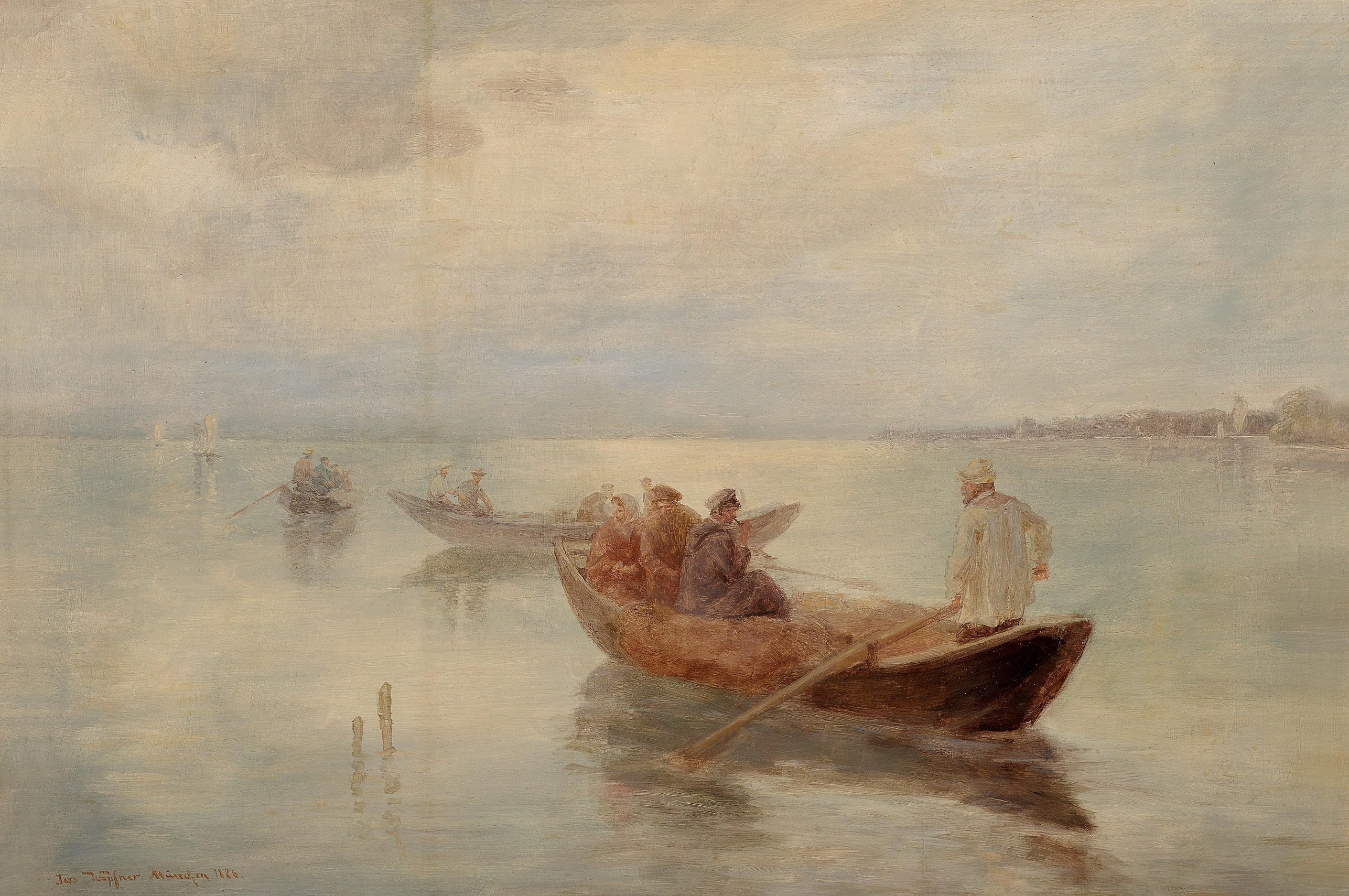
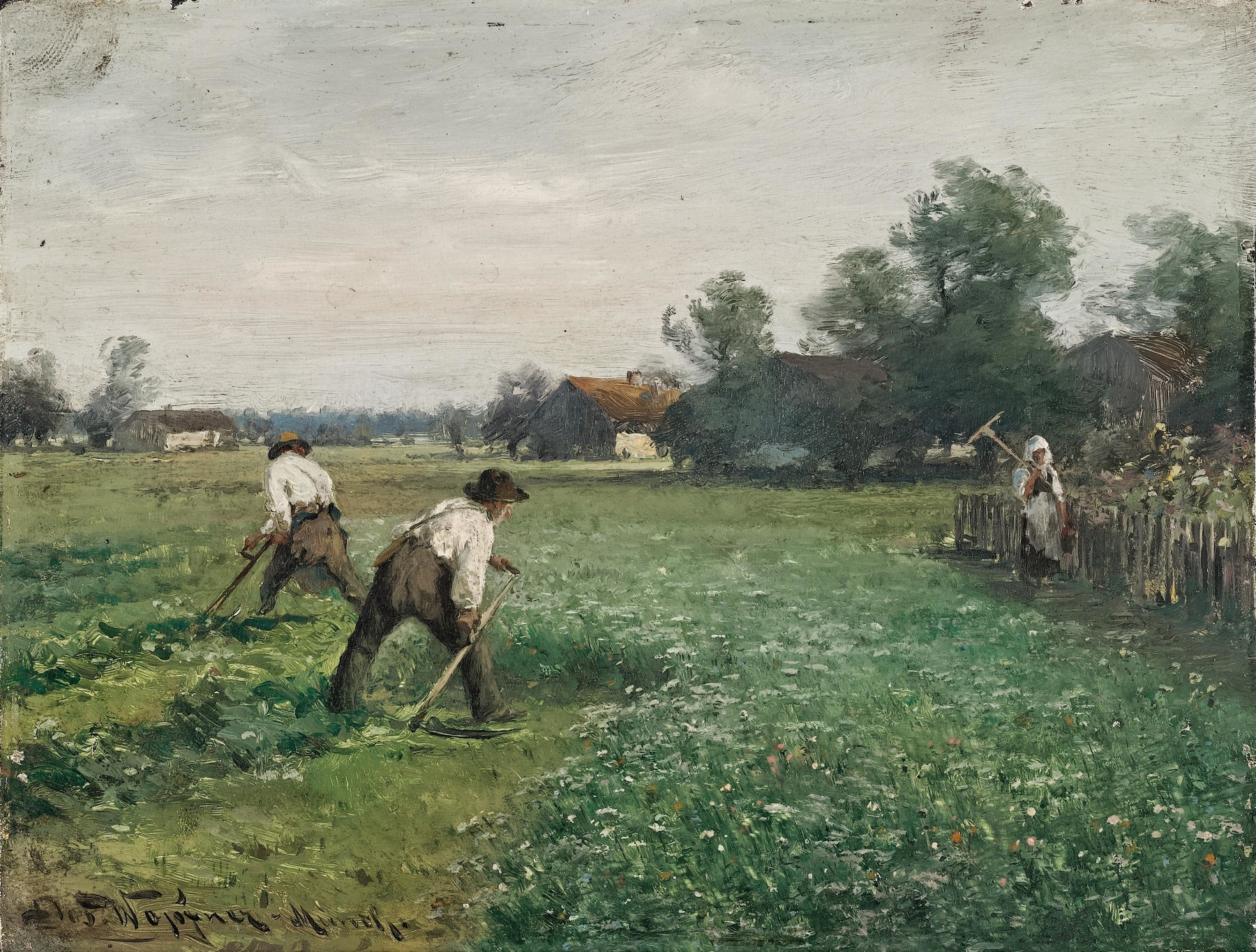
Chiemseekahn — History & Analysis
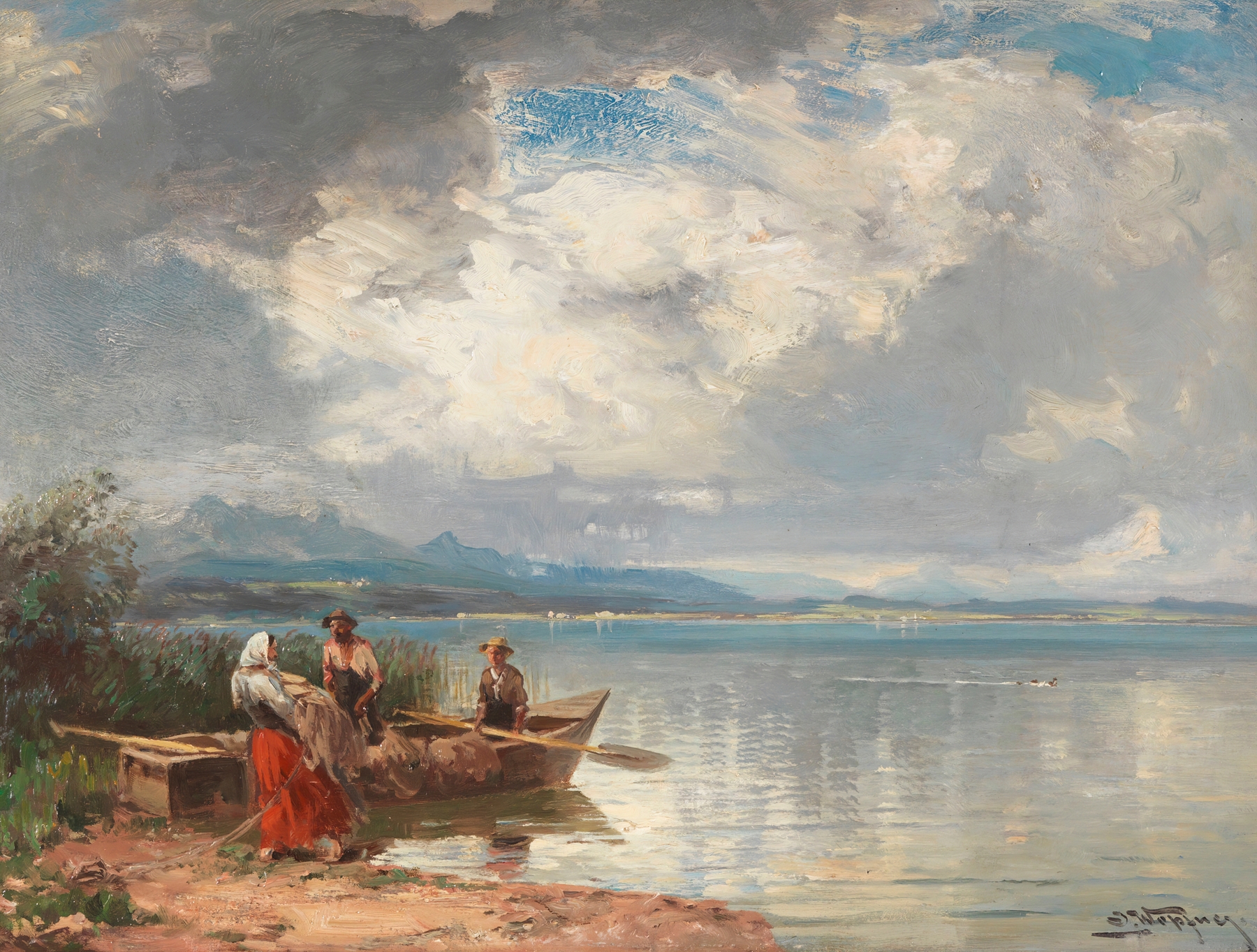
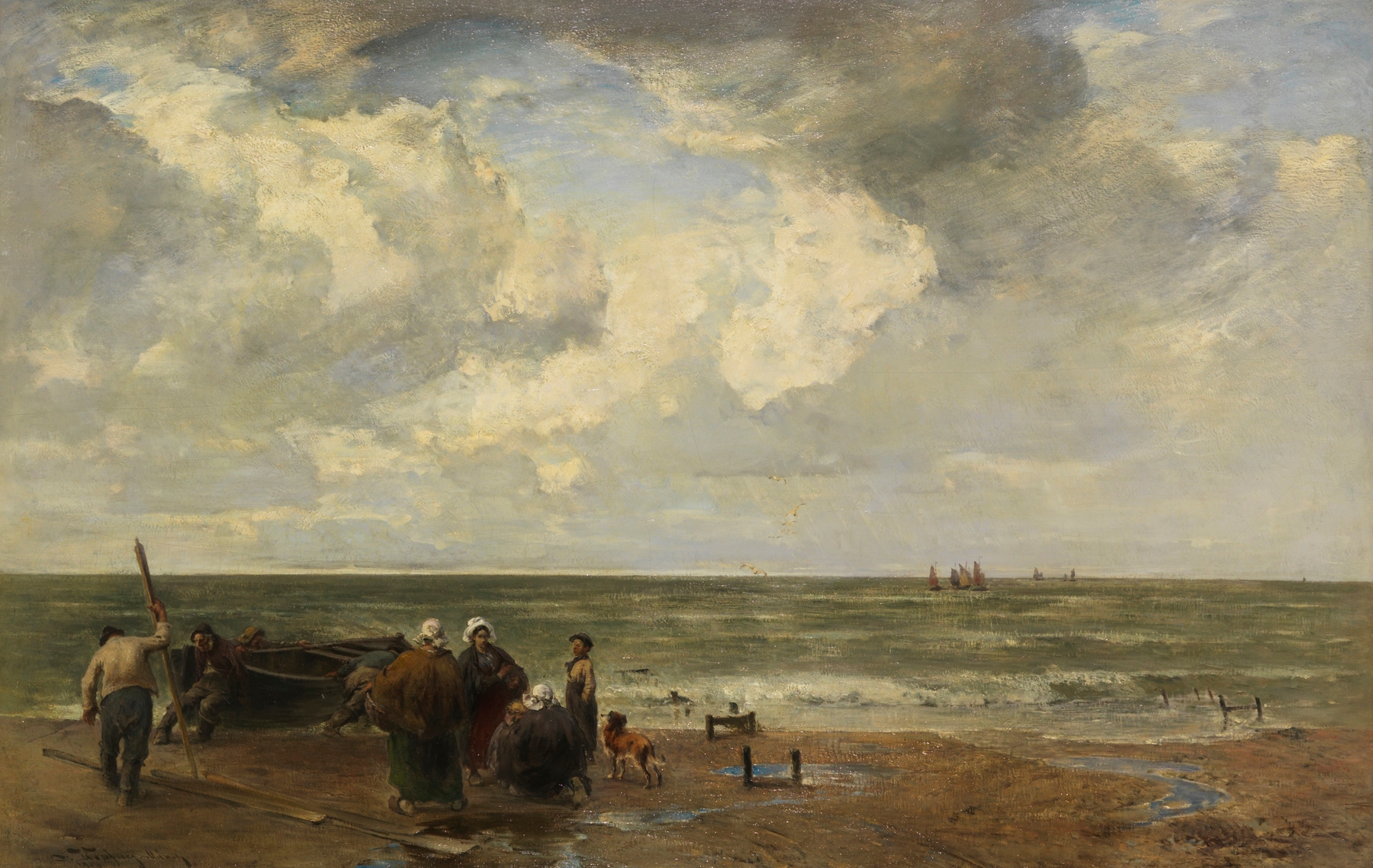
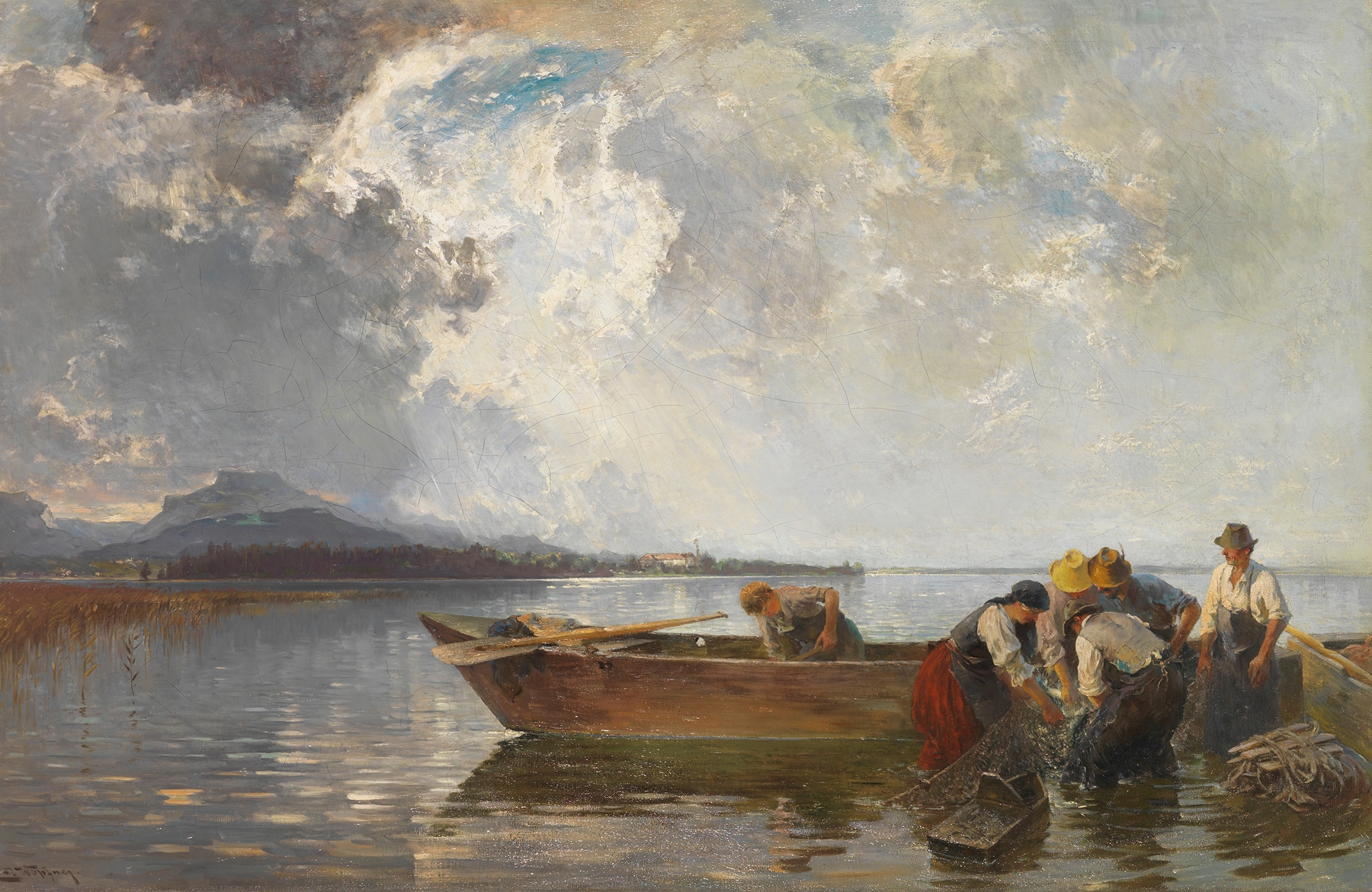
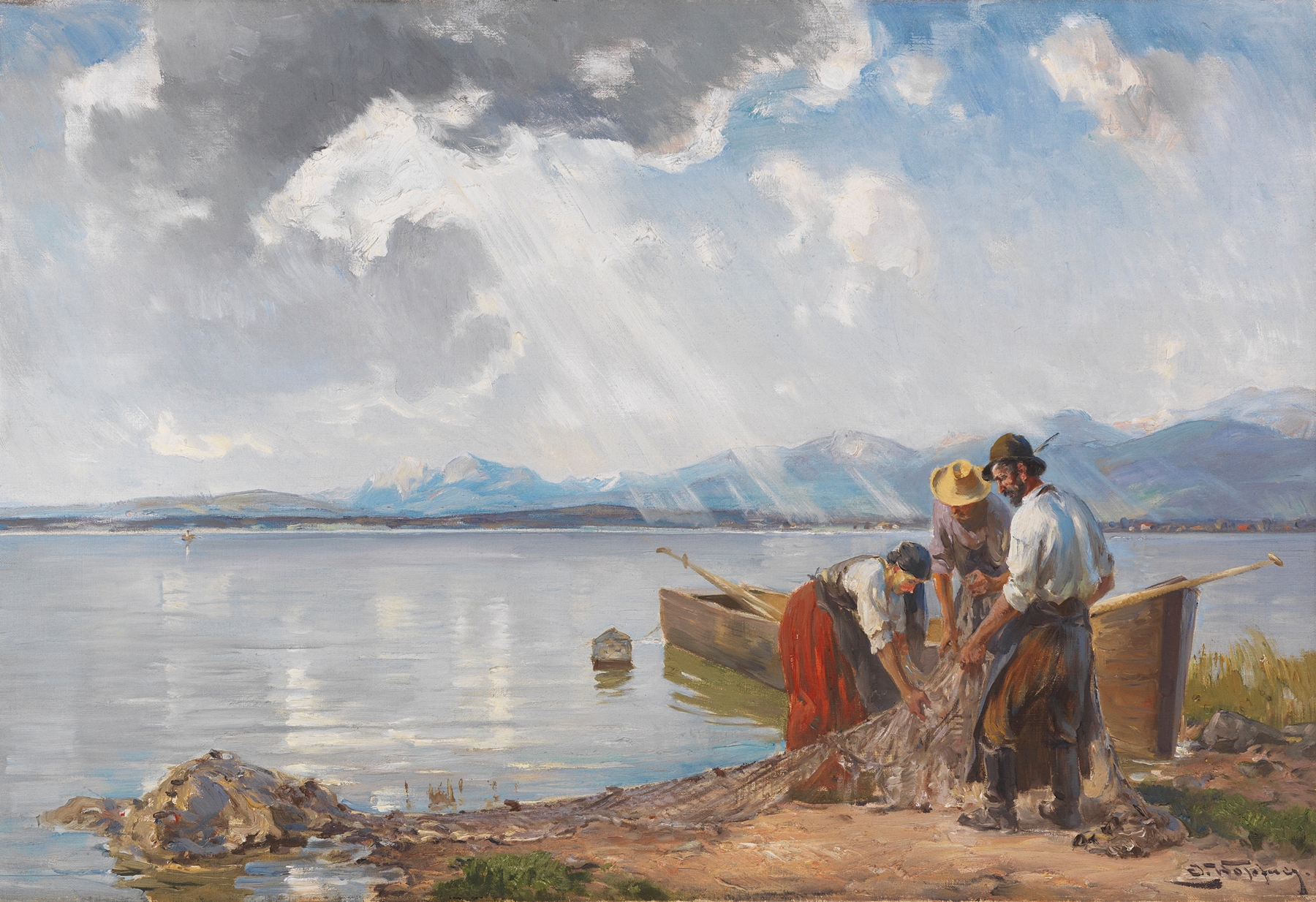
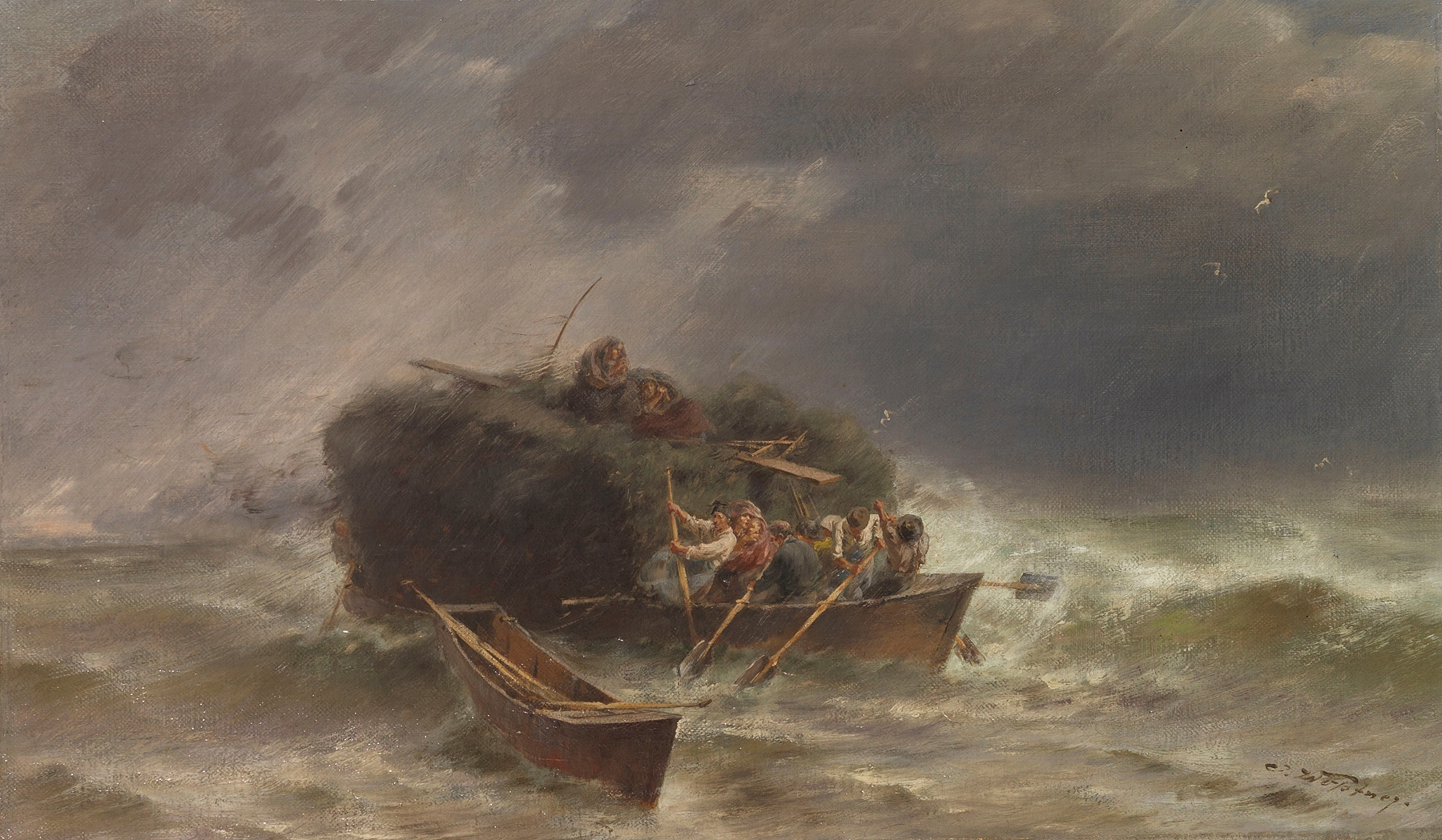
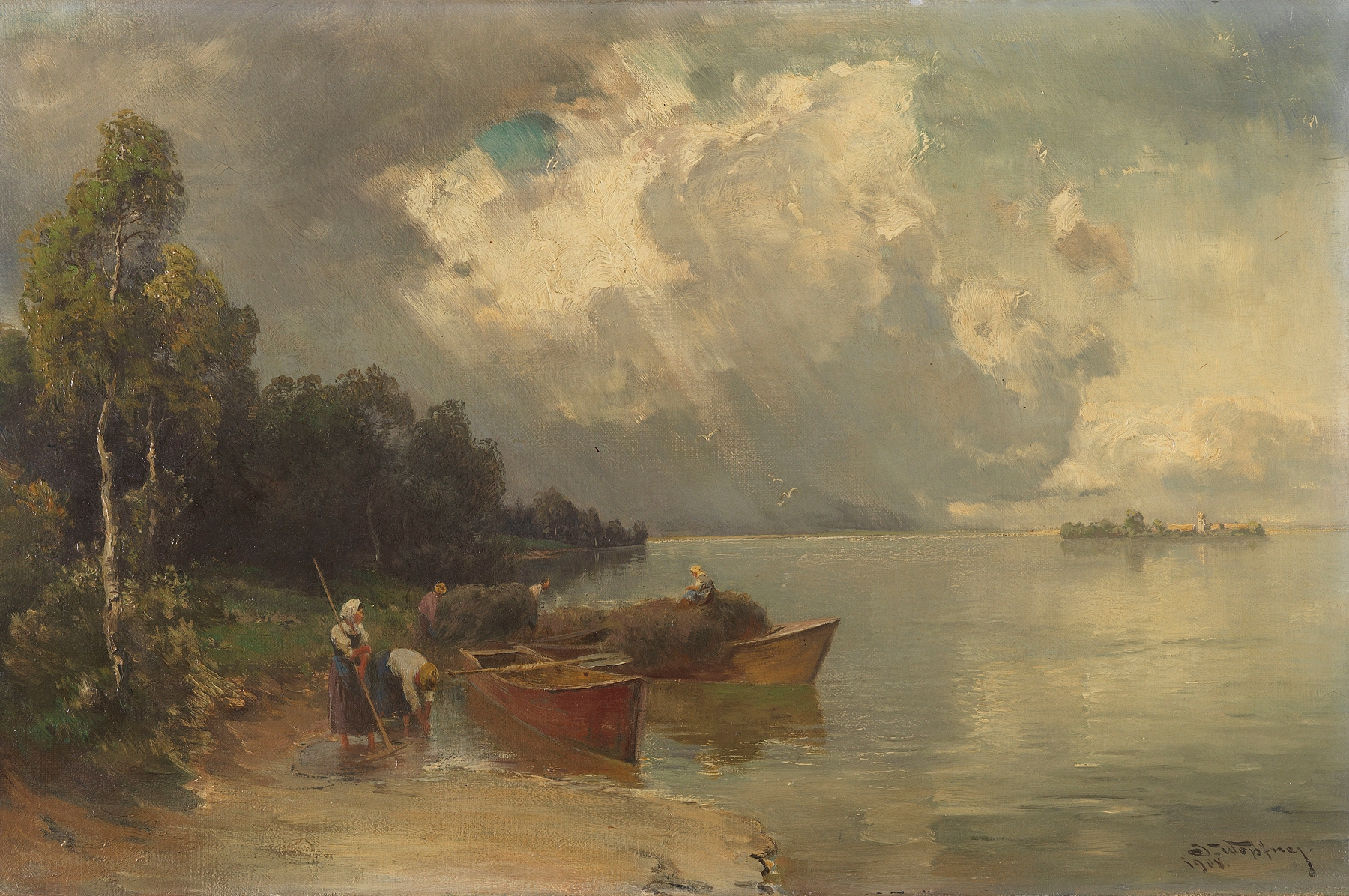
“The canvas doesn’t lie — it simply waits.” In the quiet stillness of artistic expression, betrayal finds its voice, lingering in the unsaid and the unseen. The weight of untruths hangs heavy, whispering through the layers of paint, inviting us to unravel the complex emotions tucked within. Look to the center, where bold strokes collide in a swirling dance of dark hues and vibrant bursts of color. The contrasting tones create a palpable tension, pulling the viewer’s gaze in multiple directions.
Notice how the artist deftly employs thick impasto, allowing the paint to rise from the canvas, reflecting the tumultuous emotions tied to a moment of deceit. Each brushstroke pulsates with life, as if echoing the throbbing heart of someone wronged, yet yearning for understanding. As you delve deeper into the artwork, hints of vulnerability emerge through fragmented forms and shadowy edges, suggesting a fractured trust. The interplay of light and shadow not only illuminates this complexity but also reflects the duality of human relationships — beauty intertwined with pain.
The viewer is left to ponder the fallout of betrayal, caught between color and darkness, where unresolved feelings linger like ghosts. Joseph Wopfner created this piece during a transformative period in his artistic journey, likely in the mid-20th century. At that time, the world of art was shifting, with movements such as Abstract Expressionism reshaping how emotions were conveyed on canvas. Wopfner's exploration of raw, emotive colors is a testament to his response to both personal and broader societal experiences, marking him as a significant figure who sought to capture the essence of human connection and its inevitable fractures.