Cloister of the Certosa di San Martino, Naples — History & Analysis
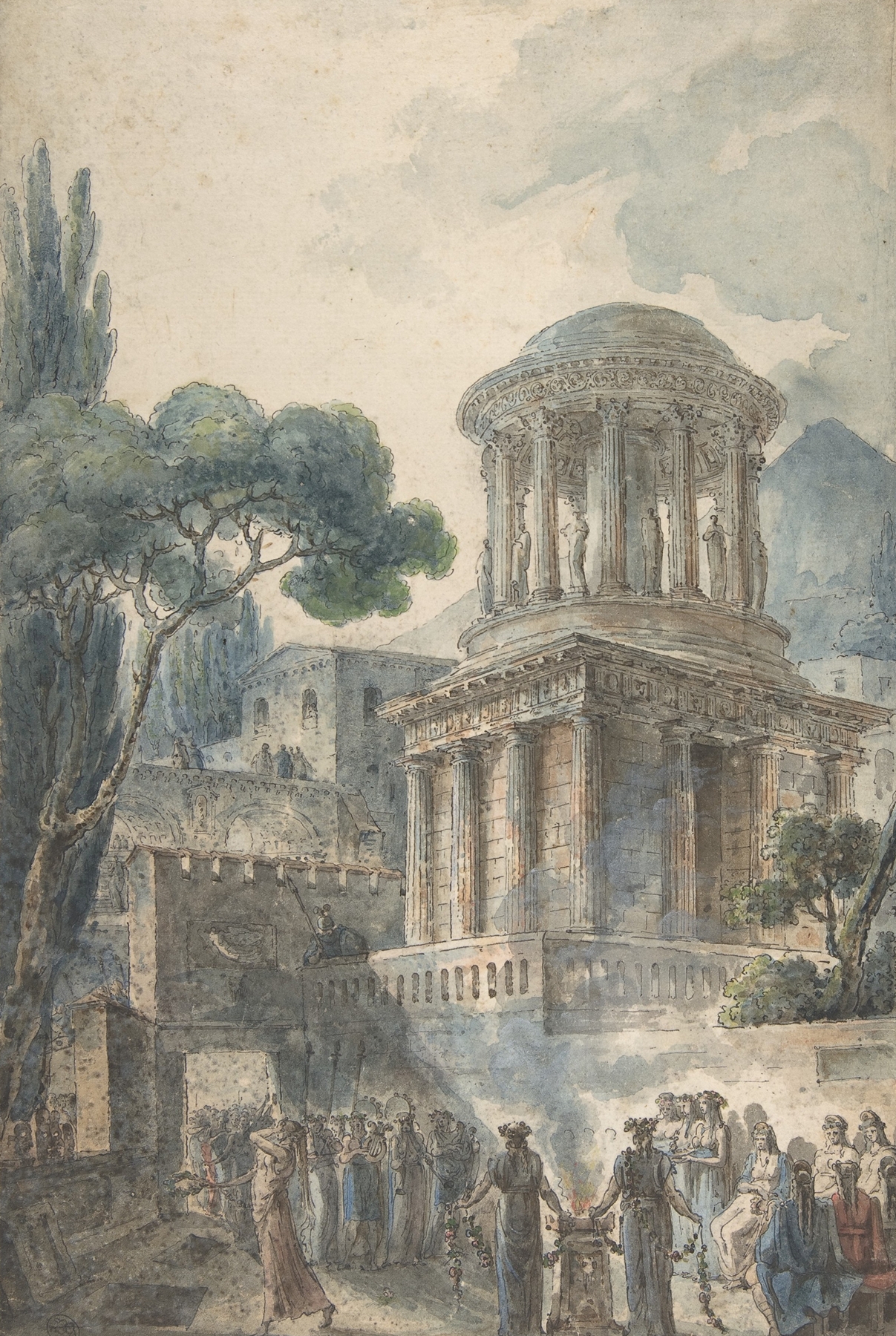
Where does light end, and longing begin? In a sanctuary of shadows and whispers, a serene cloister stands poised at the intersection of chaos and calm. Look closely at the delicate interplay of light and shadow that envelops the archways and columns. The architectural details, rendered with precision, guide your gaze across the textured surfaces, where soft sunlight spills in at angles—a careful choreography of illumination that breathes life into the stillness.
Notice how the muted palette of earth tones contrasts with the vibrant greens of creeping vines, suggesting both decay and growth, while the overarching forms create a sense of sacred space amidst the encroaching wildness. Yet, it is the elements of contrast that reveal the deeper emotional undercurrents. The structured geometry of the cloister juxtaposes the untamed nature outside, evoking a tension between man-made order and the chaotic vitality of life. Each detail, from the intricate carvings to the serene reflections in the archways, hints at a historical narrative—a clash between the tranquility sought in sacred spaces and the inevitable intrusion of the world beyond, fraught with uncertainty and turmoil.
Painted between 1777 and 1779, this work emerged from the creative mind of Louis Jean Desprez during a time when Neoclassicism was gaining momentum in Europe. Living in Naples, he found inspiration in the rich historical context of the cloister, which served as a refuge from the political upheavals of the era. As art began to embrace both realism and romanticism, Desprez’s detailed approach encapsulated the complexities of his surroundings, reflecting a moment where enlightenment ideals and the chaos of modern life intertwined.