The Cathedral at Trani — History & Analysis
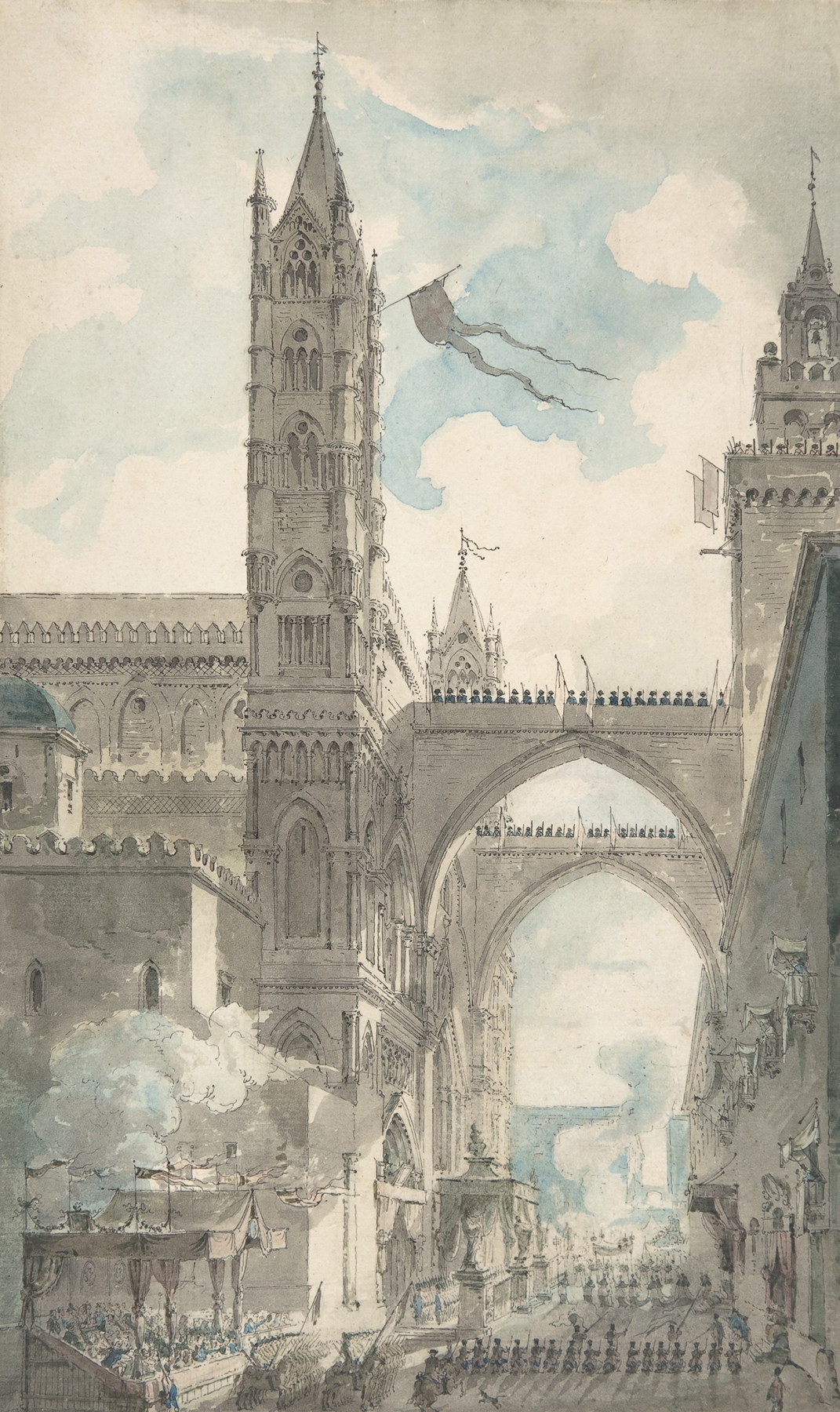
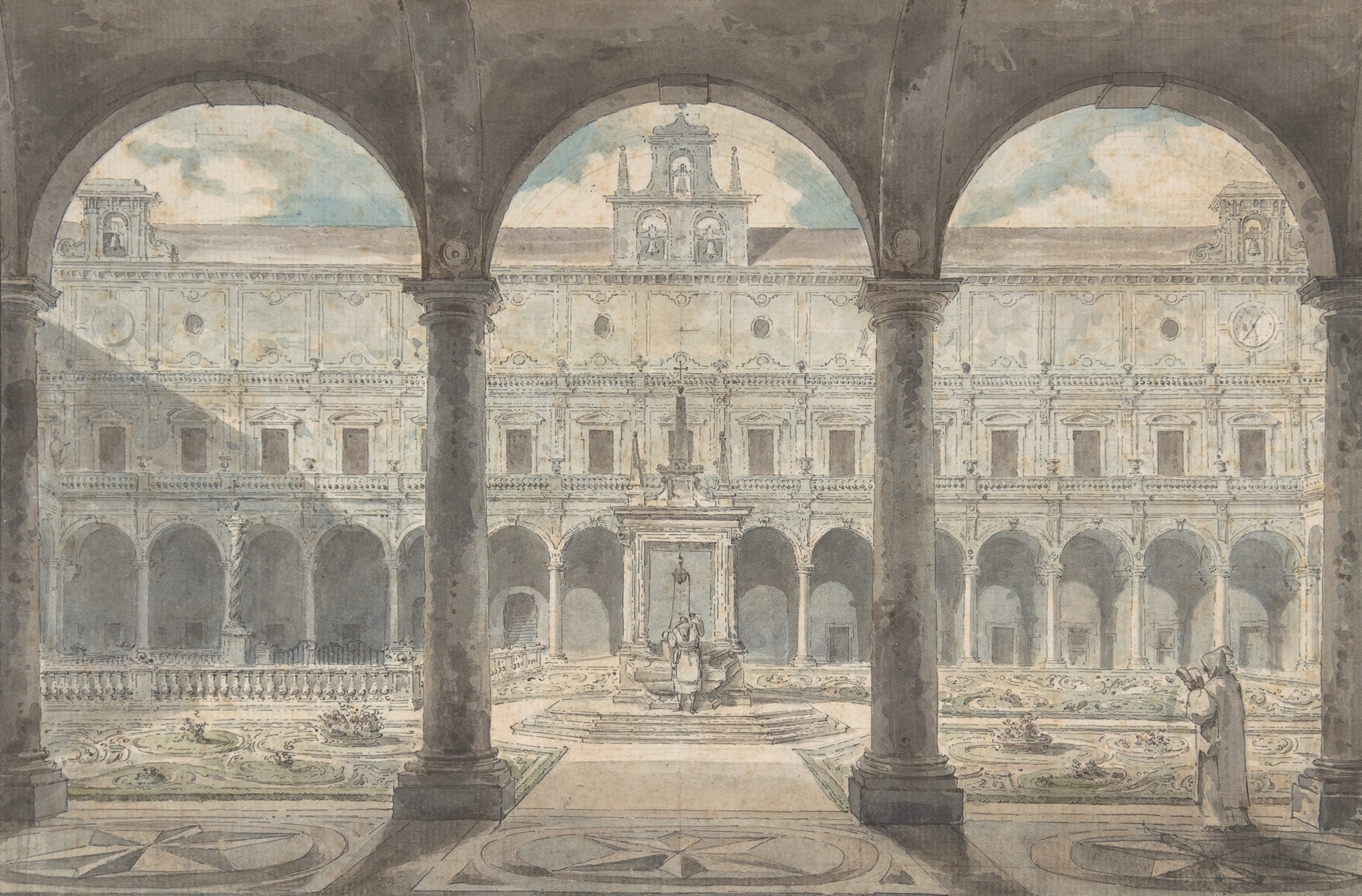
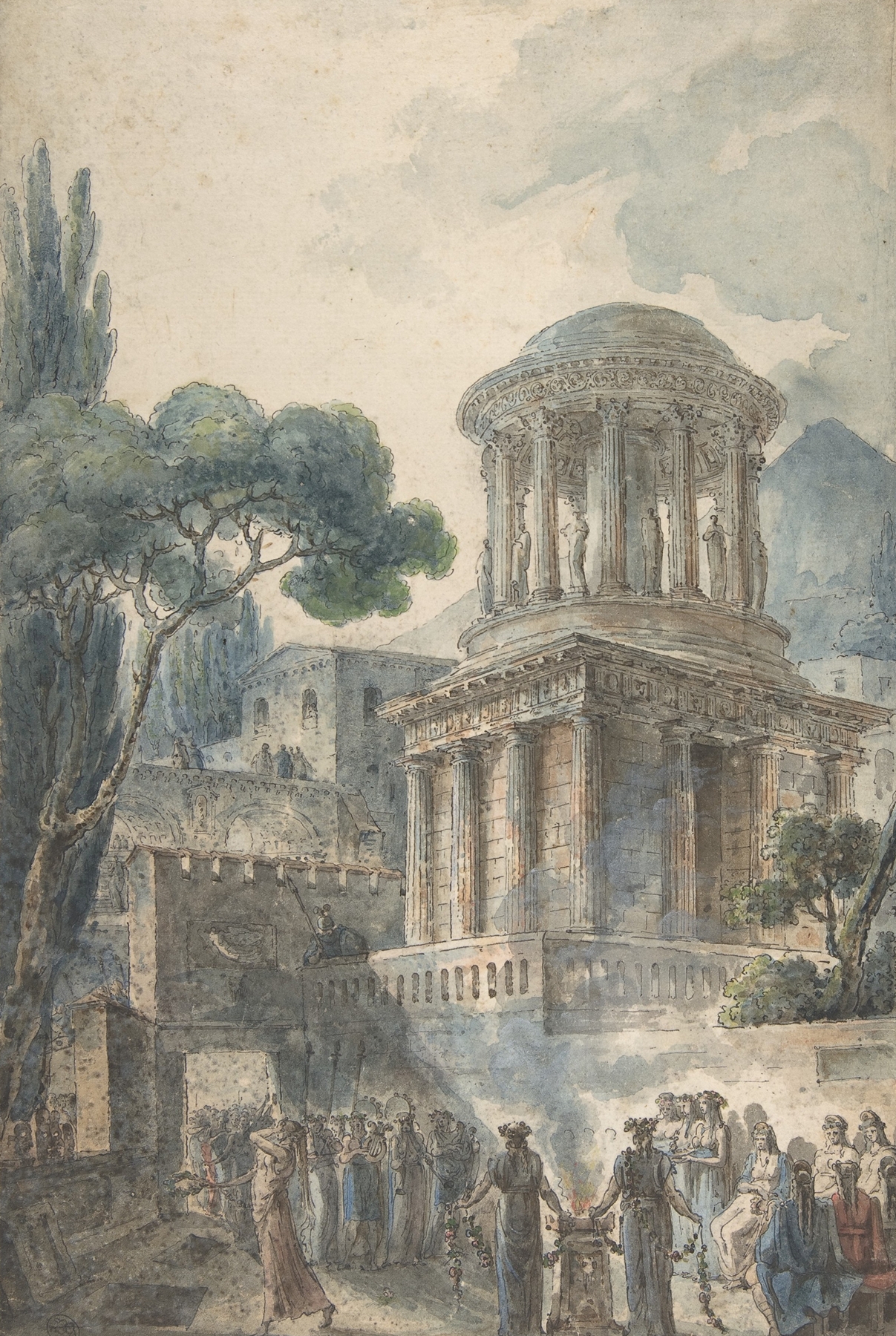
Did the painter know this moment would outlive them? Each brushstroke of The Cathedral at Trani embodies the stillness of time, capturing an ethereal world where history and beauty interlace. Look to the center, where the cathedral rises majestically against the soft blue sky. The delicate interplay of light and shadow dances across the intricate details of the stone facade, emphasizing the grandeur of the Gothic architecture. Notice the warm, golden tones that bathe the structure, contrasting with the cooler hues of the surrounding landscape.
This choice creates a sense of harmony, inviting the viewer's eye to explore the architectural splendor that commands reverence. As you delve deeper, consider the emotional resonance of solitude that permeates the scene. The empty foreground evokes a poignant silence, suggesting a reverence for the sacred space. The juxtaposition of the cathedral's towering presence against the vast, open landscape hints at humanity's quest for connection with the divine.
Desprez’s meticulous attention to detail speaks to a longing for permanence in a transient world, where the stone edifice stands as a testament to faith and aspiration. In 1778, when this work was created, the artist found himself immersed in the cultural currents of Neoclassicism, striving for a revival of classical ideals. Living and working in Italy, he was influenced by the grandeur of Roman architecture and the surrounding landscape. The period was marked by a yearning for stability and clarity, reflecting a broader shift in art and society, as artists like Desprez sought to capture the essence of timeless beauty amidst a rapidly changing world.