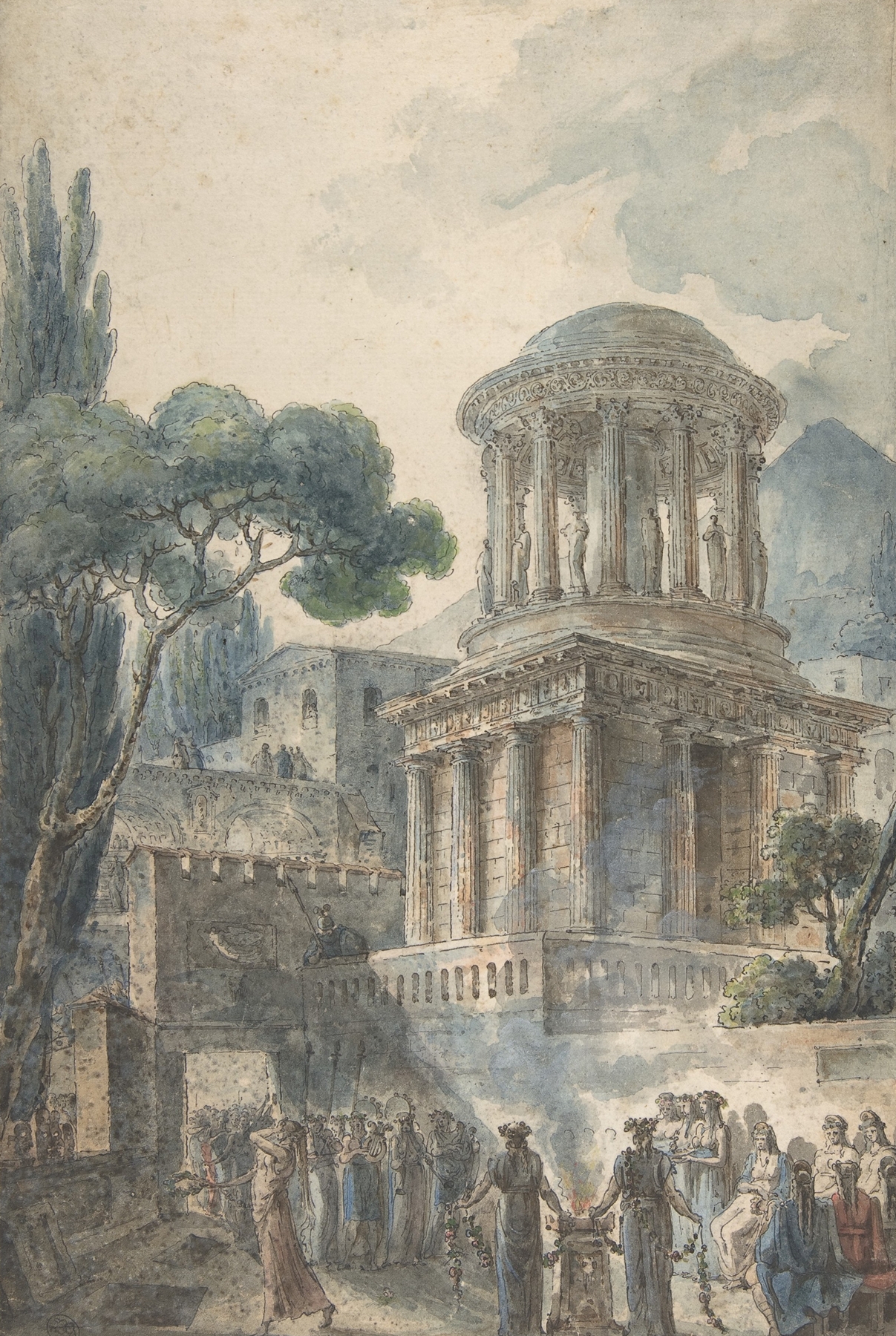
Somerset House, Saint Paul’s Cathedral and Blackfriar’s Bridge — History & Analysis
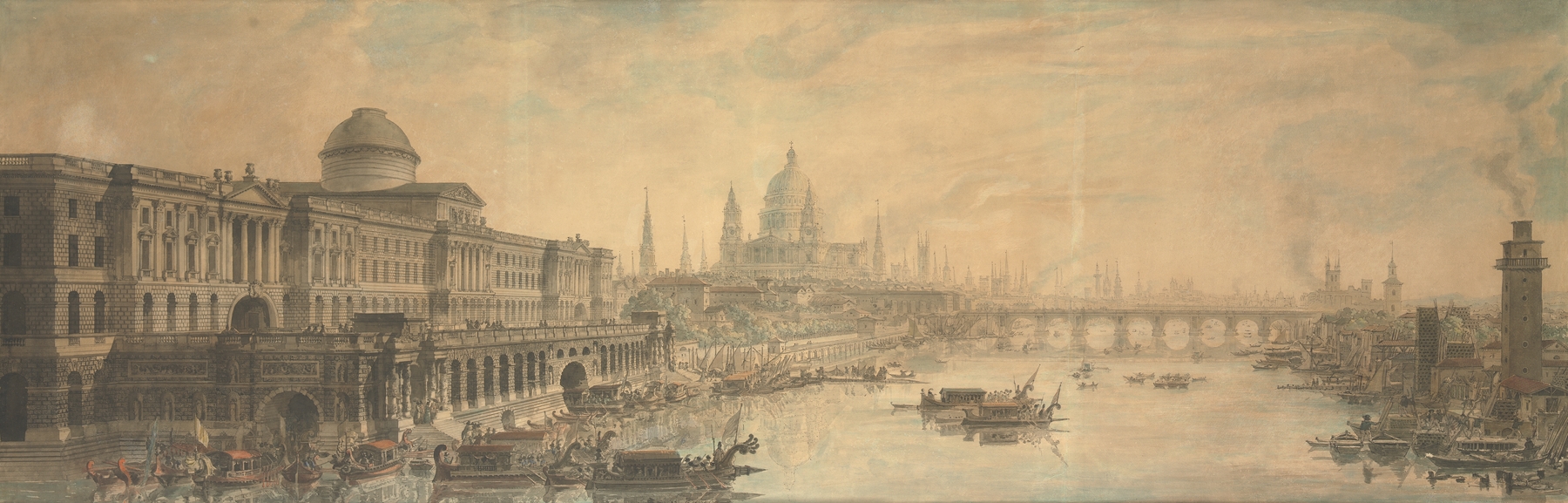
Can beauty exist without sorrow? In the delicate balance of light and shadow, a narrative unfolds, suggesting that the very essence of movement is intertwined with the weight of history and emotion. Look to the center of the canvas, where Saint Paul’s Cathedral rises majestically against a backdrop of a swirling sky. Notice how the artist employs a soft palette, blending pale blues and warm whites to create an ethereal quality that breathes life into the scene.
To the right, Blackfriar’s Bridge stretches across the Thames, leading the viewer’s eye through the painting, inviting exploration into the depths of the city’s spirit. The brushwork captures the flowing water with a rhythmic motion, echoing the constant pulse of urban life. In examining the details, one can sense a juxtaposition of tranquility and unrest; the serene architectural forms stand firmly against the dynamic sky, mirroring the tension between stability and change. The gentle ripples of the river resonate with a sense of fleeting moments, hinting at stories untold, while the scattered clouds evoke a bittersweet nostalgia.
Each stroke resonates with the passage of time, establishing a connection between the past and present, reminding us that every beautiful sight carries traces of sorrow. Louis Jean Desprez painted this piece during a time when neoclassical ideas intertwined with emerging romanticism. Working in the late 18th century, Desprez was influenced by the grandeur of Rome and the evolving artistic landscape of Europe. His meticulous attention to architectural detail reflects not only his artistic ambition but also the historical significance of the structures he portrayed, all while grappling with the societal changes of his era.