Country House near the Water — History & Analysis
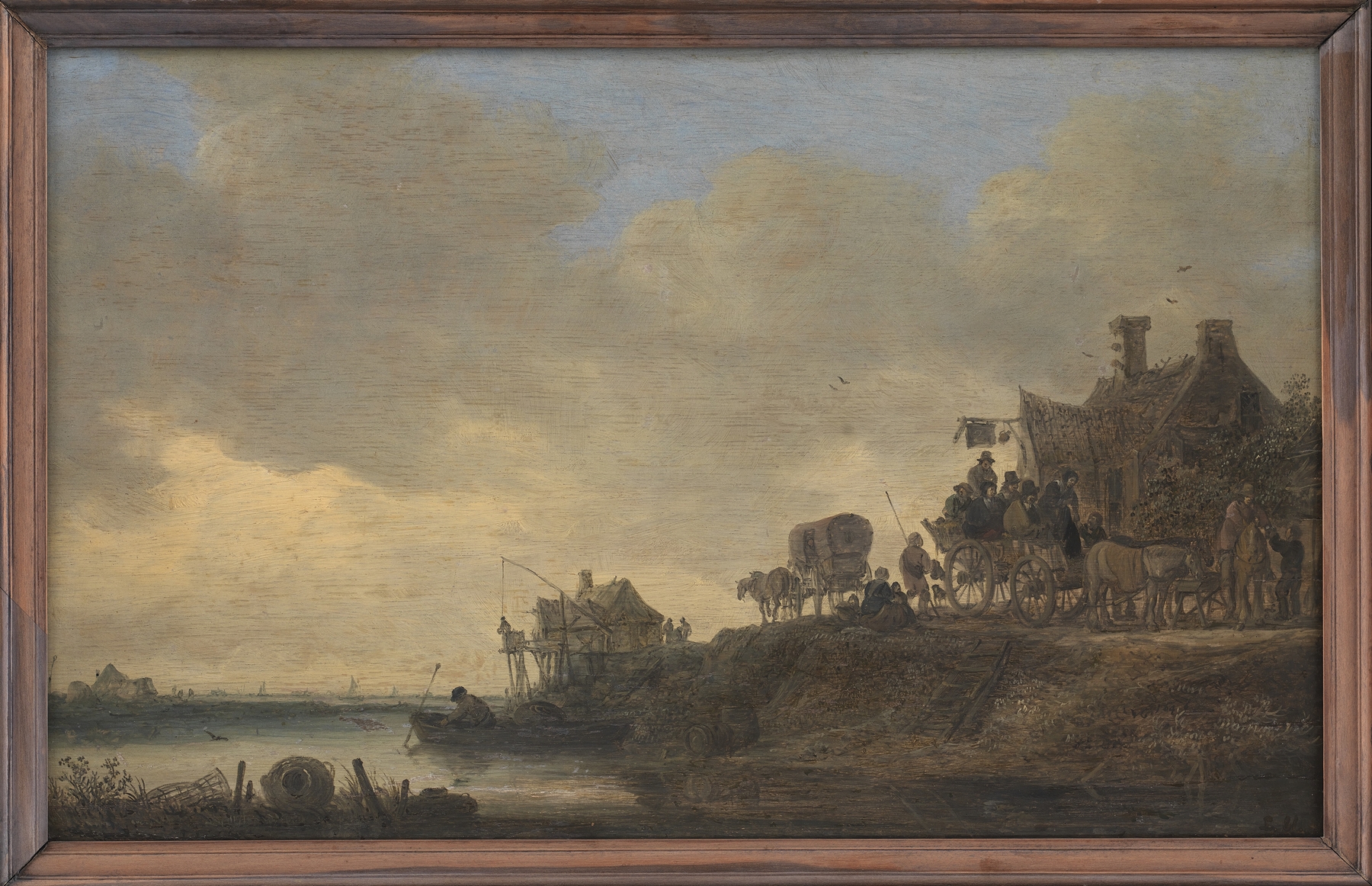
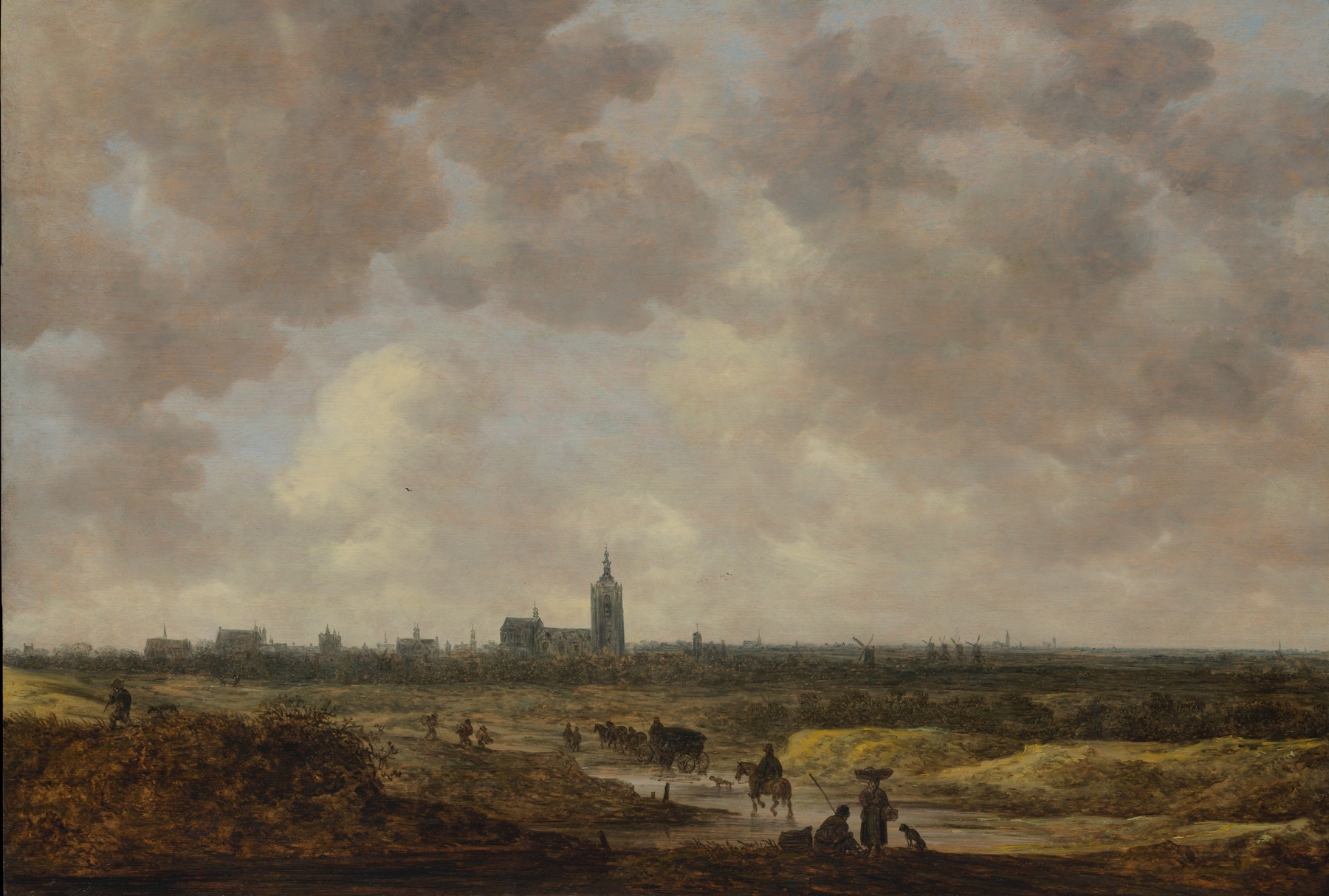
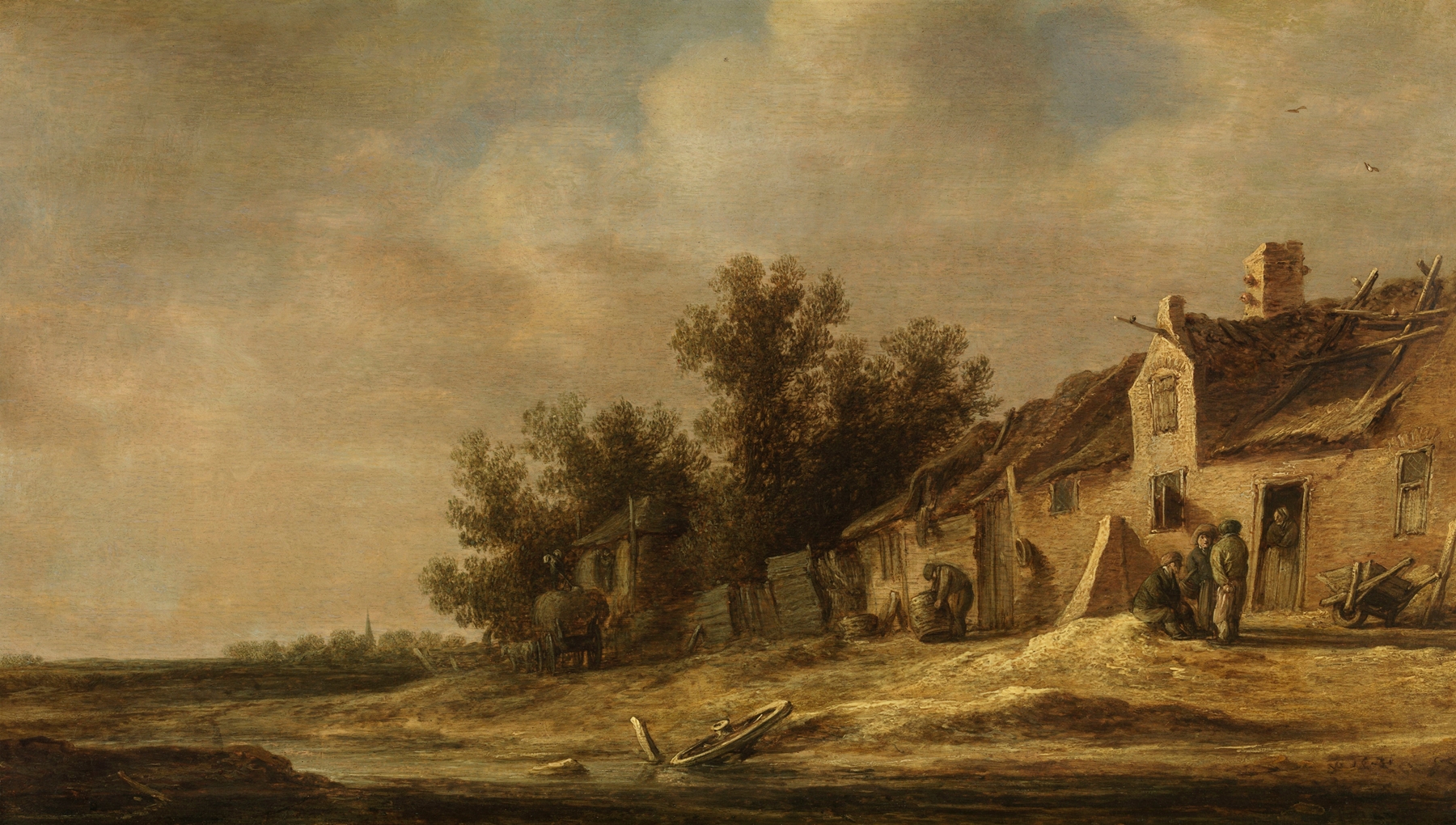
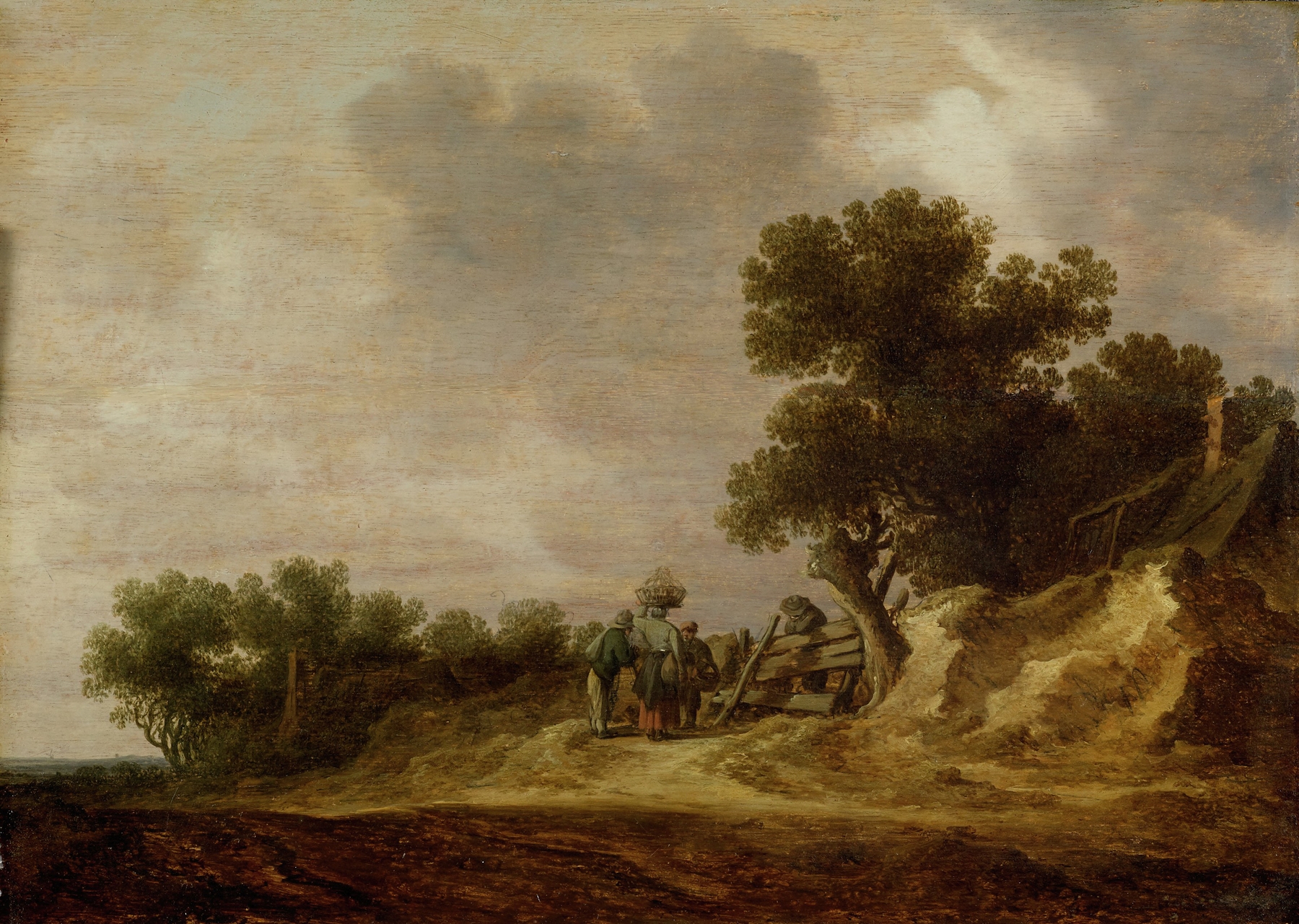
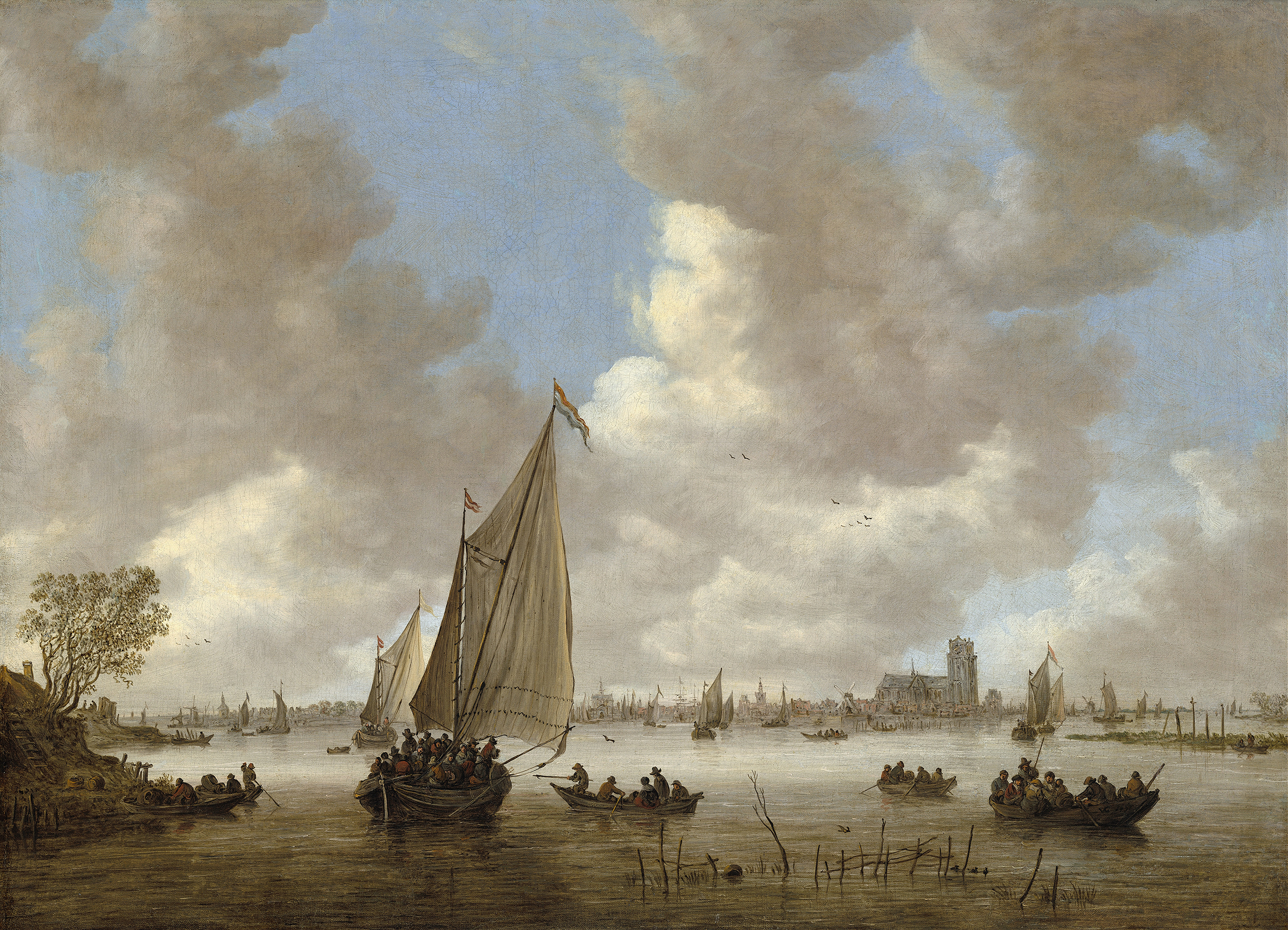
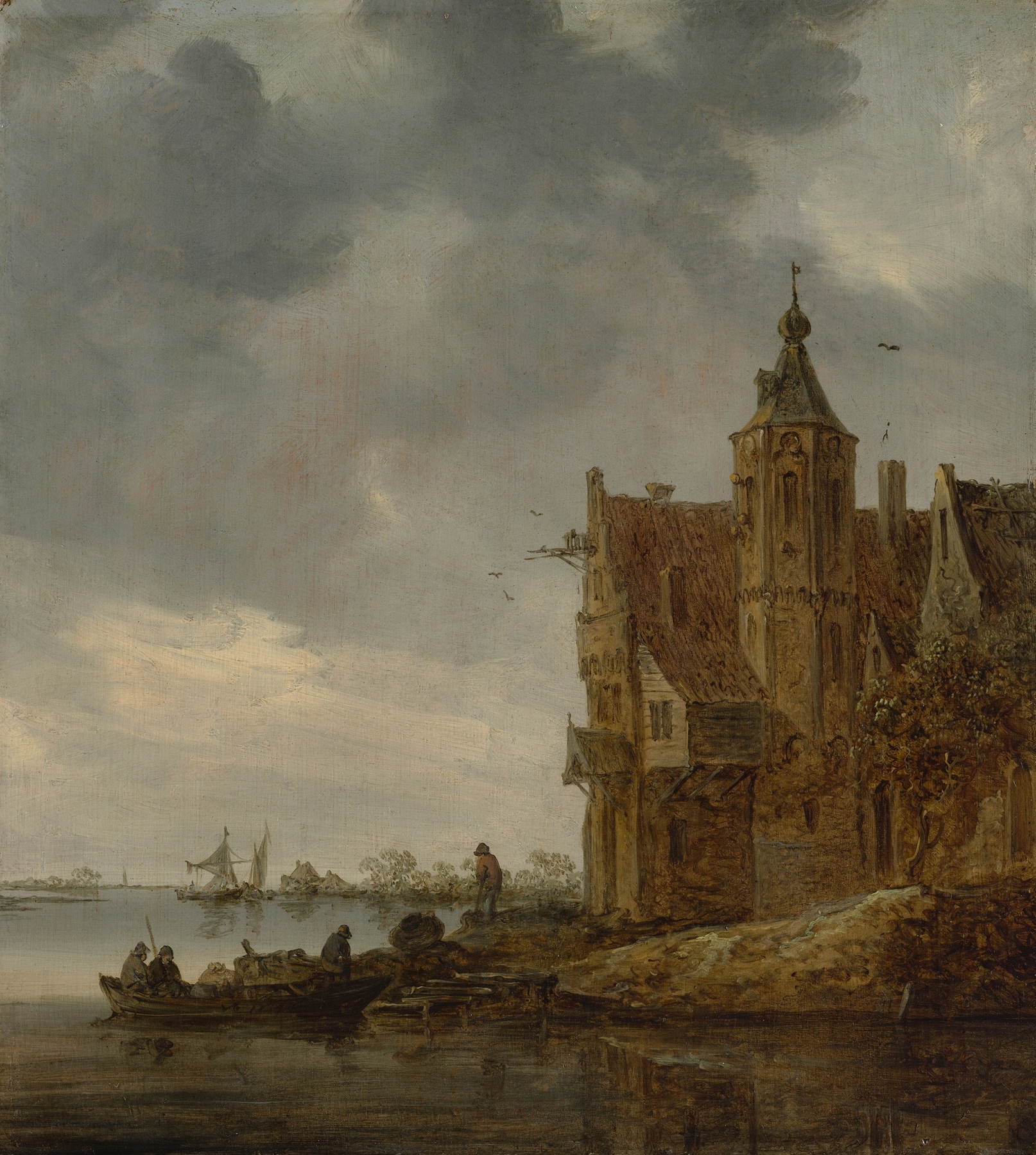
Could beauty survive in a century of chaos? In Jan van Goyen's Country House near the Water, a tranquil dream unfolds amid the tumult of the 17th century, inviting contemplation of serenity amidst the storms of history. Look to the left, where the low-hanging clouds wrap around the horizon, their soft grays contrasting with the warm, earthy tones of the cottage nestled by the water. Notice how the gentle ripples on the lake reflect the delicate colors of the sky, creating a seamless blend of nature and architecture.
The house, with its modest yet dignified presence, stands as a testament to resilience, framed by swaying reeds and distant trees that echo the painter's meticulous brushwork, revealing both harmony and a deep connection to the rural landscape. Yet, beneath this idyllic surface, the painting whispers of deeper truths. The juxtaposition of the serene water against the looming clouds may evoke a sense of impending change, suggesting that tranquility is always at the mercy of external forces. The soft light washing over the scene contrasts with the shadows cast by the overhanging clouds, hinting at life’s dualities—light and dark, stability and uncertainty.
This subtle play of elements reflects the complexities of the human experience, where dreams coexist with the weight of reality. Created in 1646, during a time of political strife and social upheaval in the Netherlands, van Goyen painted this work as part of his exploration of landscapes imbued with emotional depth. It was an era when artists sought refuge in scenes of nature, creating works that not only depicted but also evoked a sense of peace. This painting represents both a personal escape for the artist and a universal longing for beauty amidst chaos, echoing the sentiments of many during those turbulent times.