River Landscape with the Pellecussen Gate near Utrecht — History & Analysis
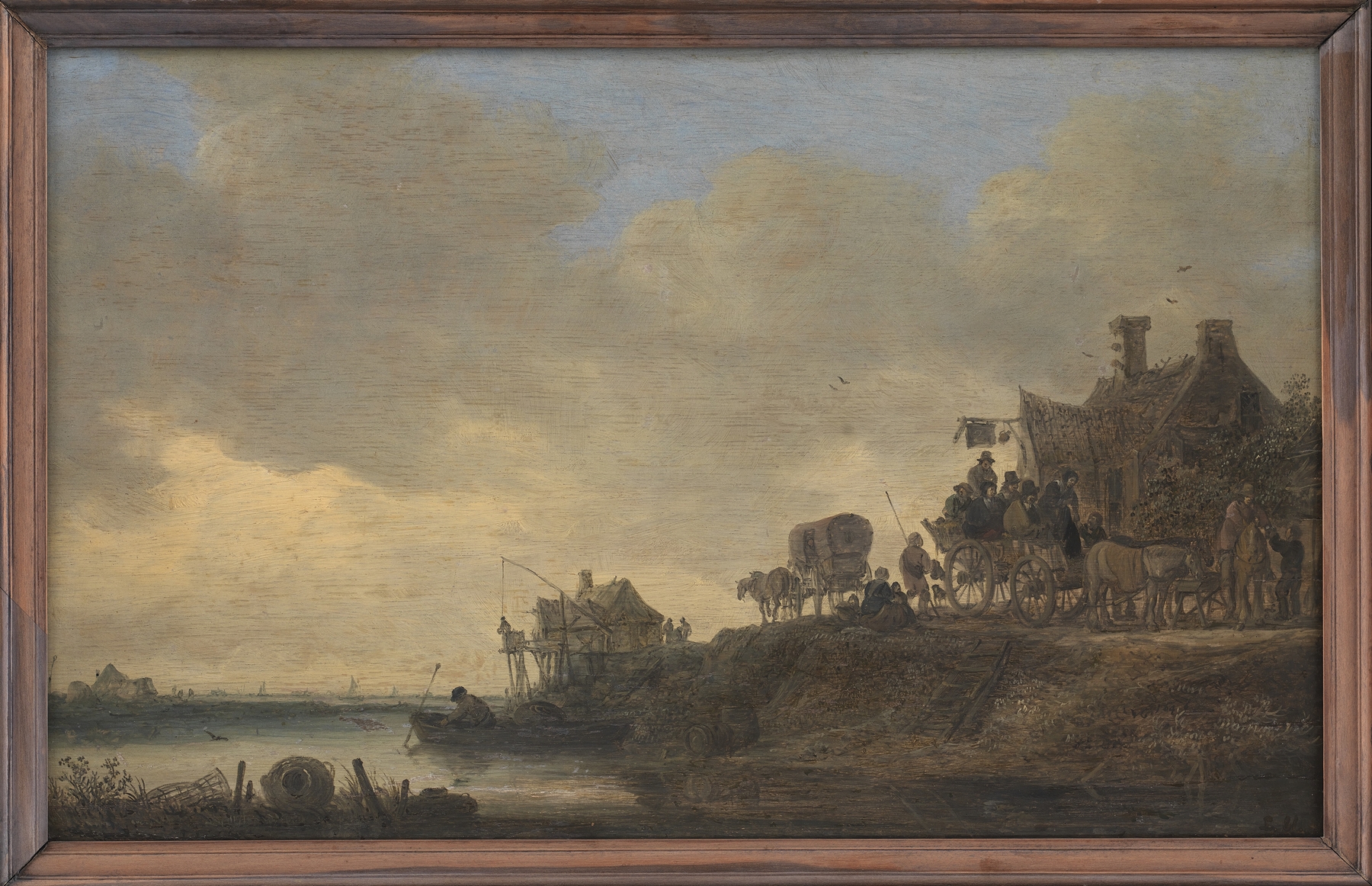
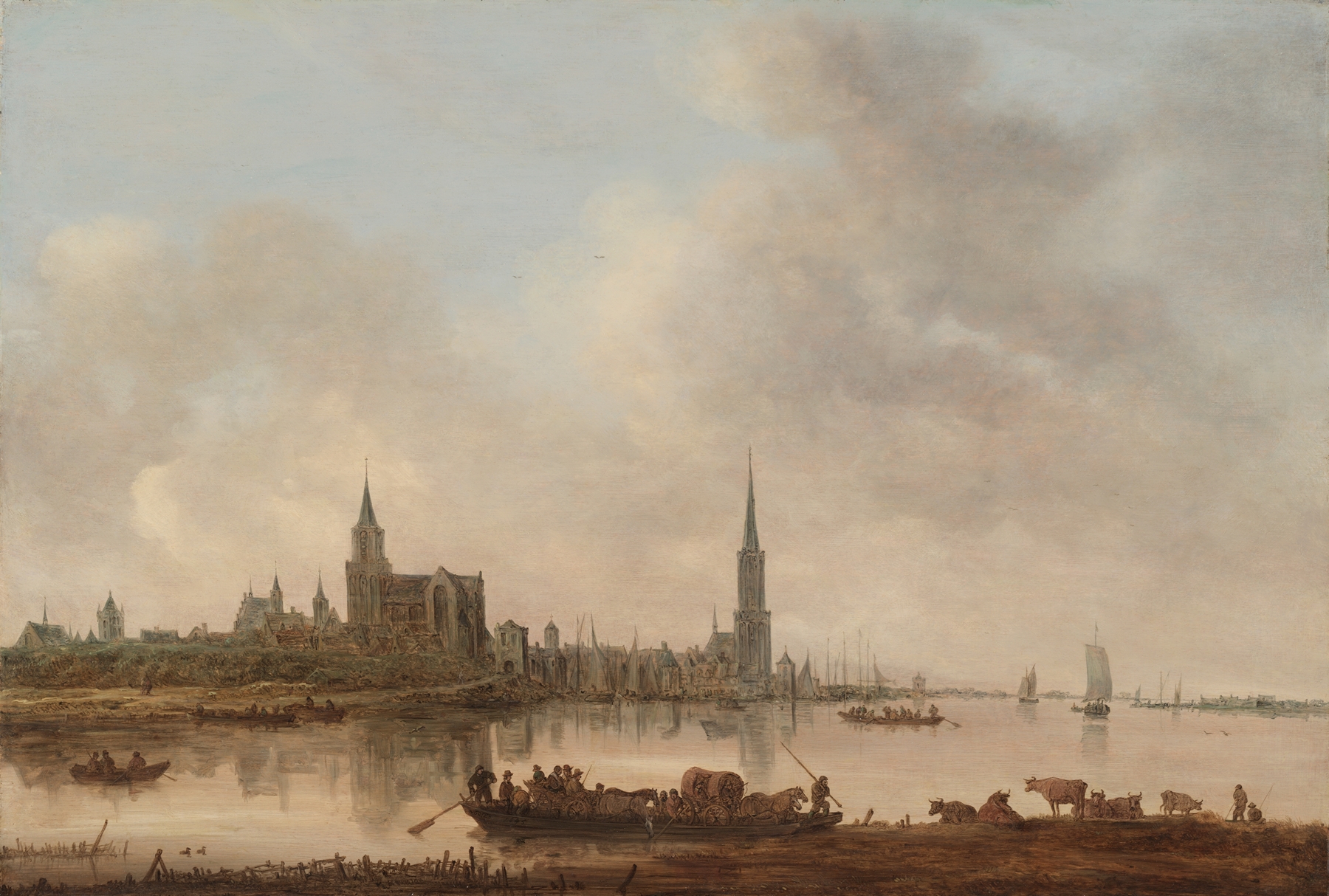
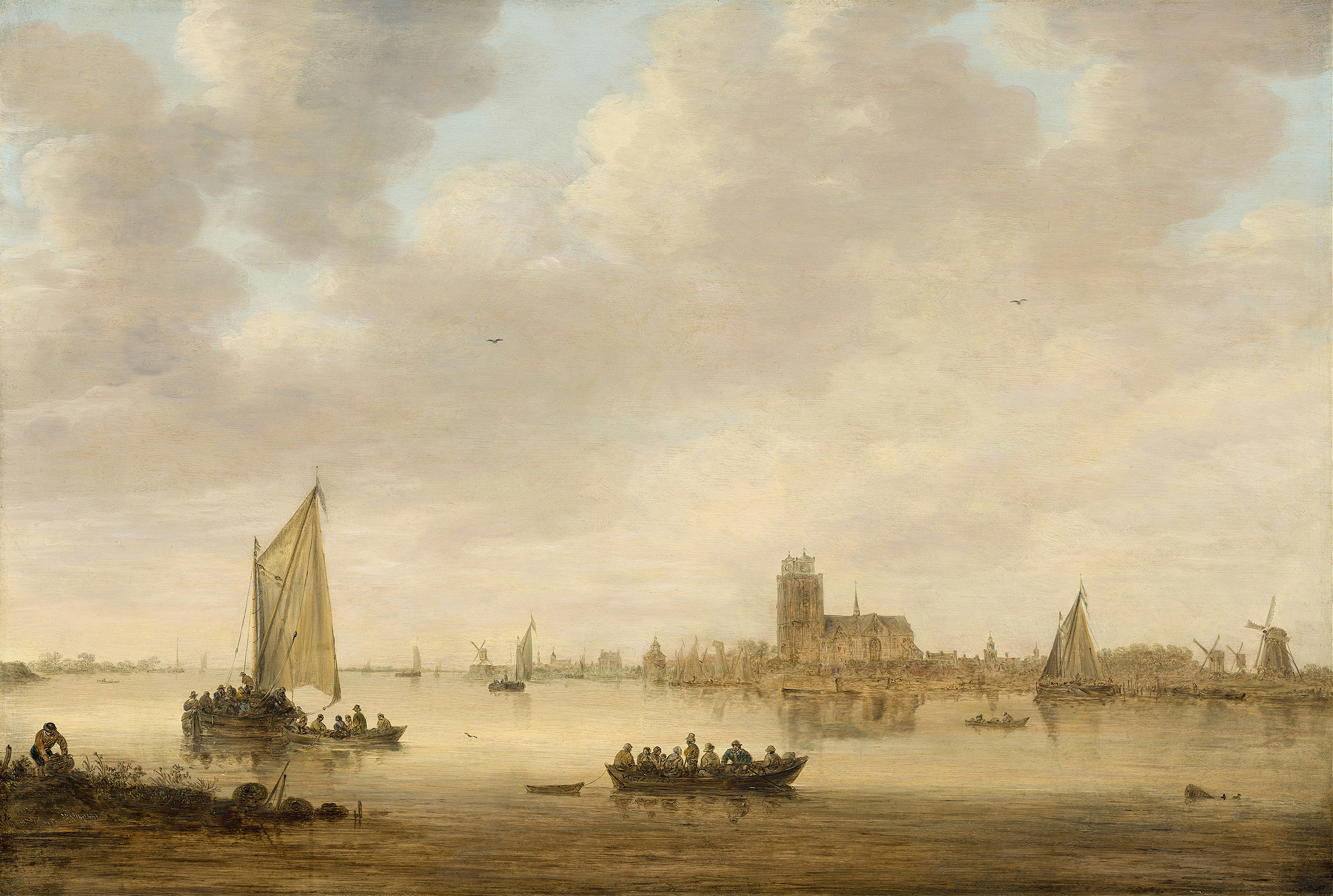
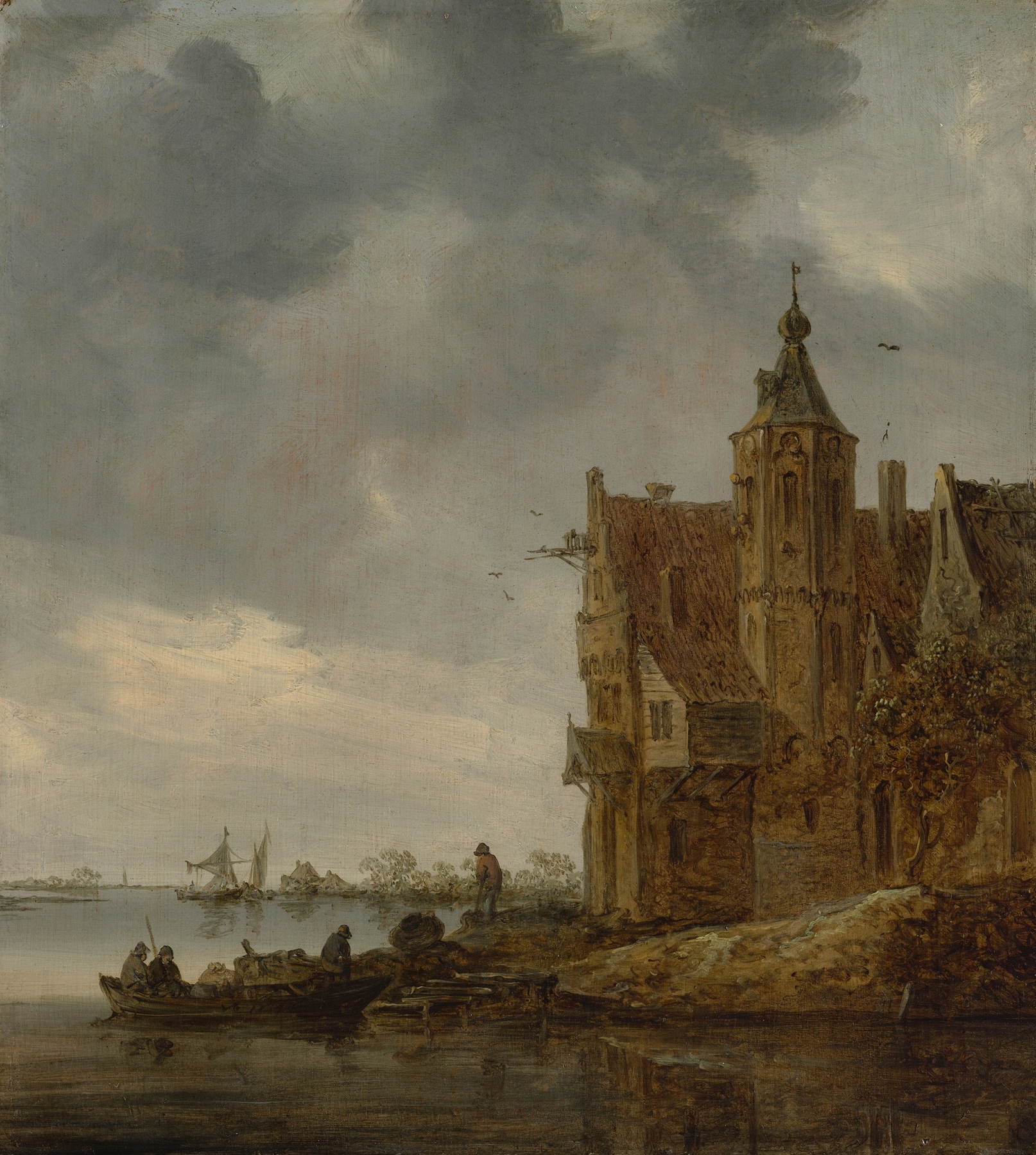
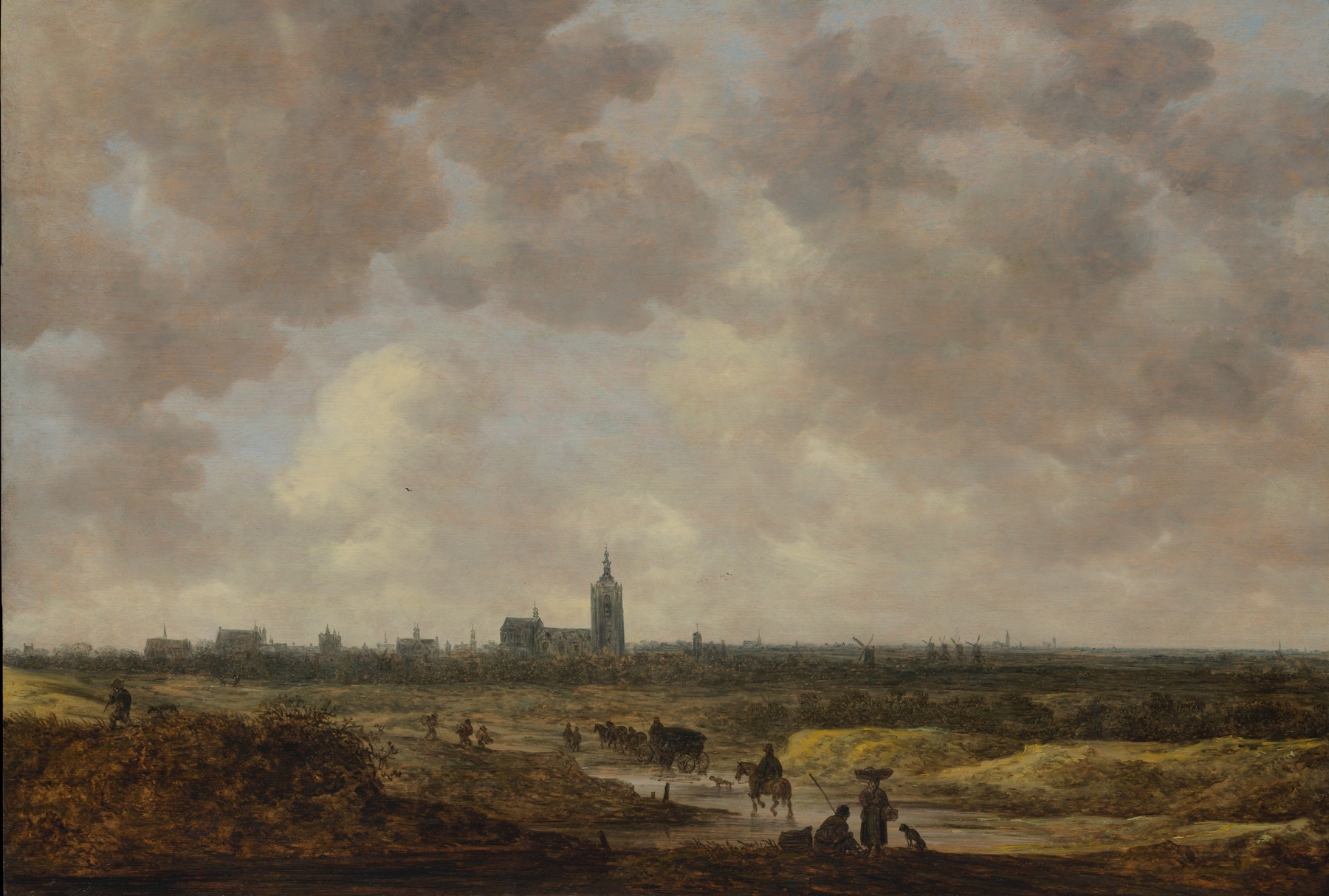
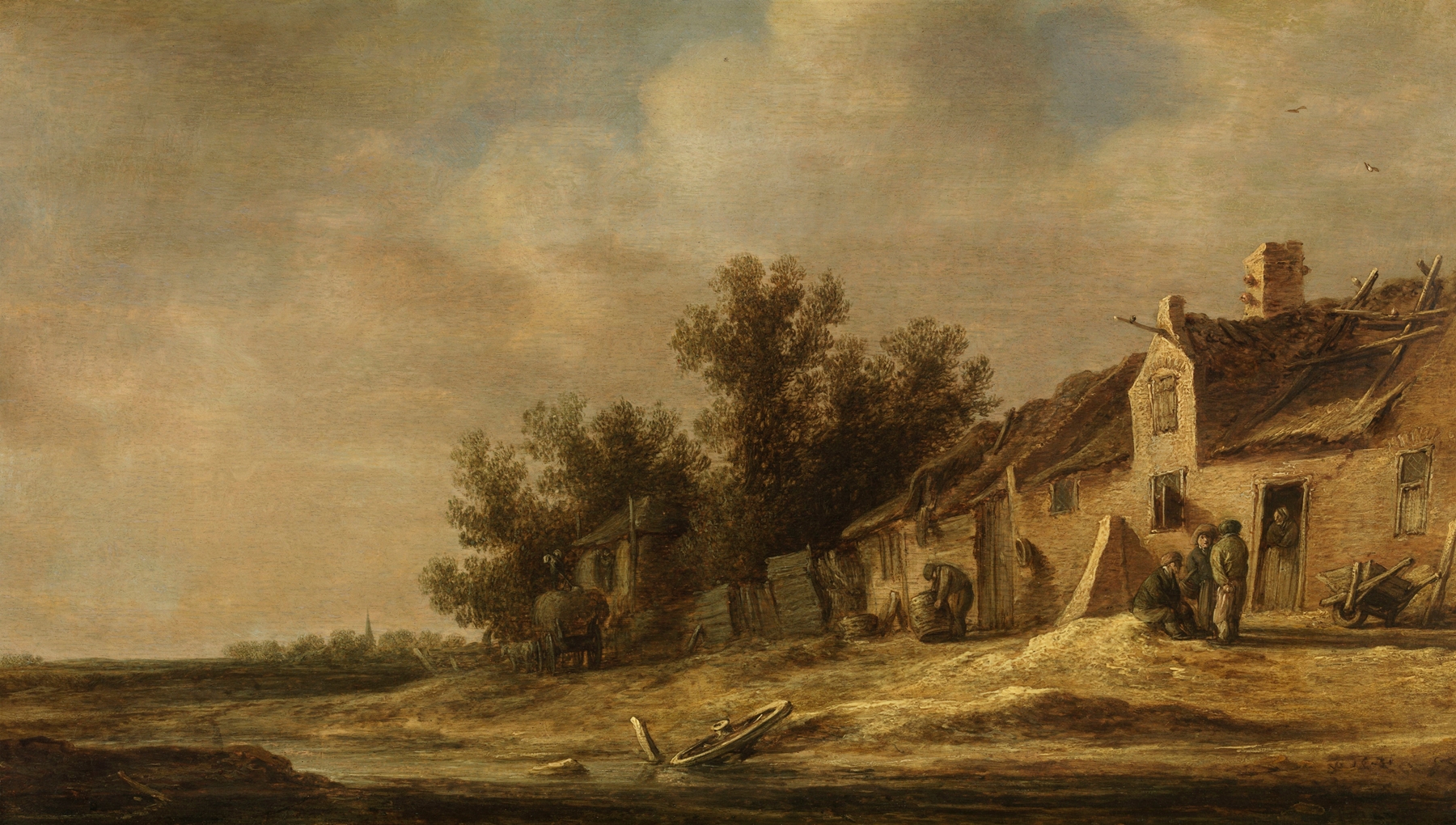
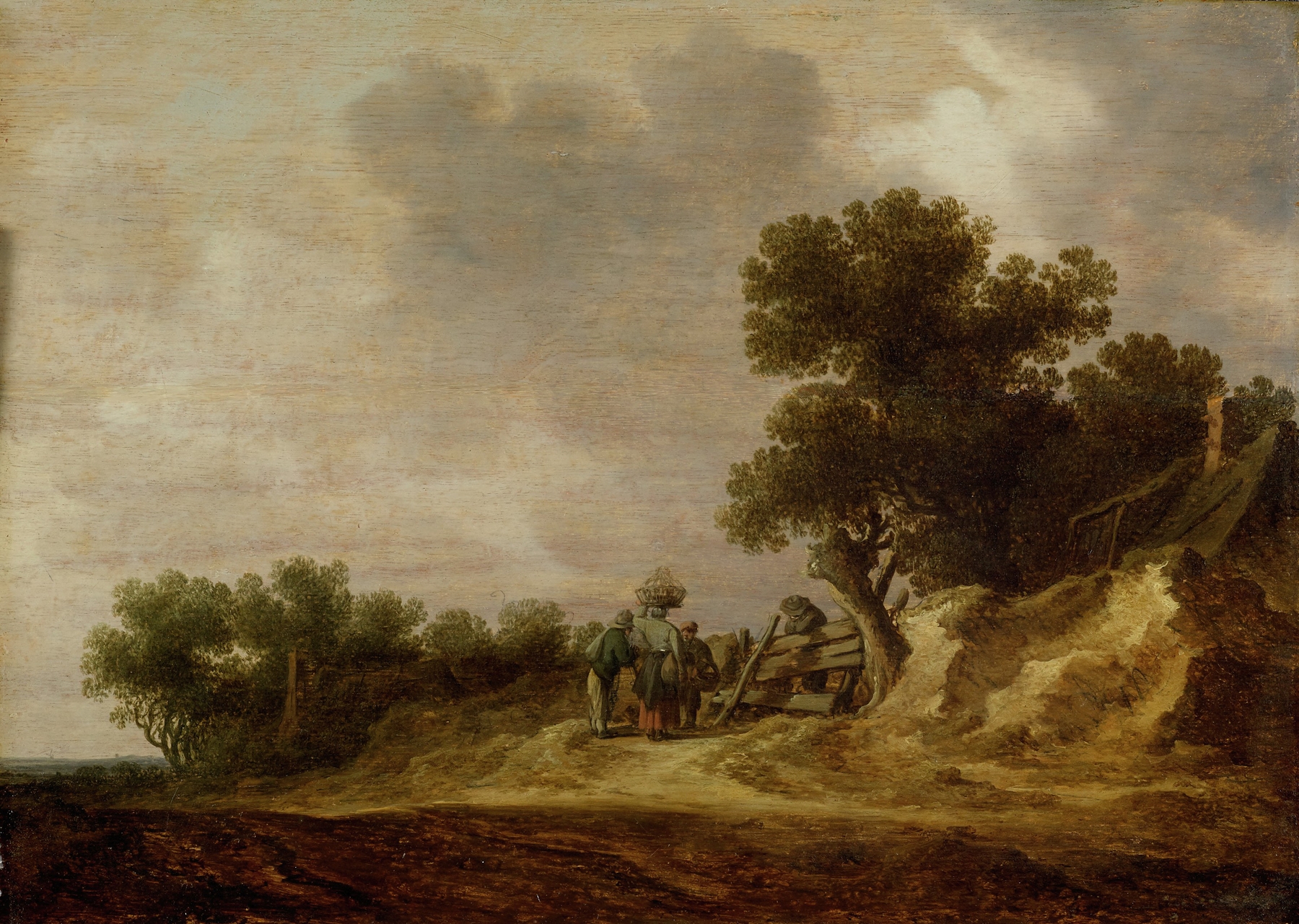
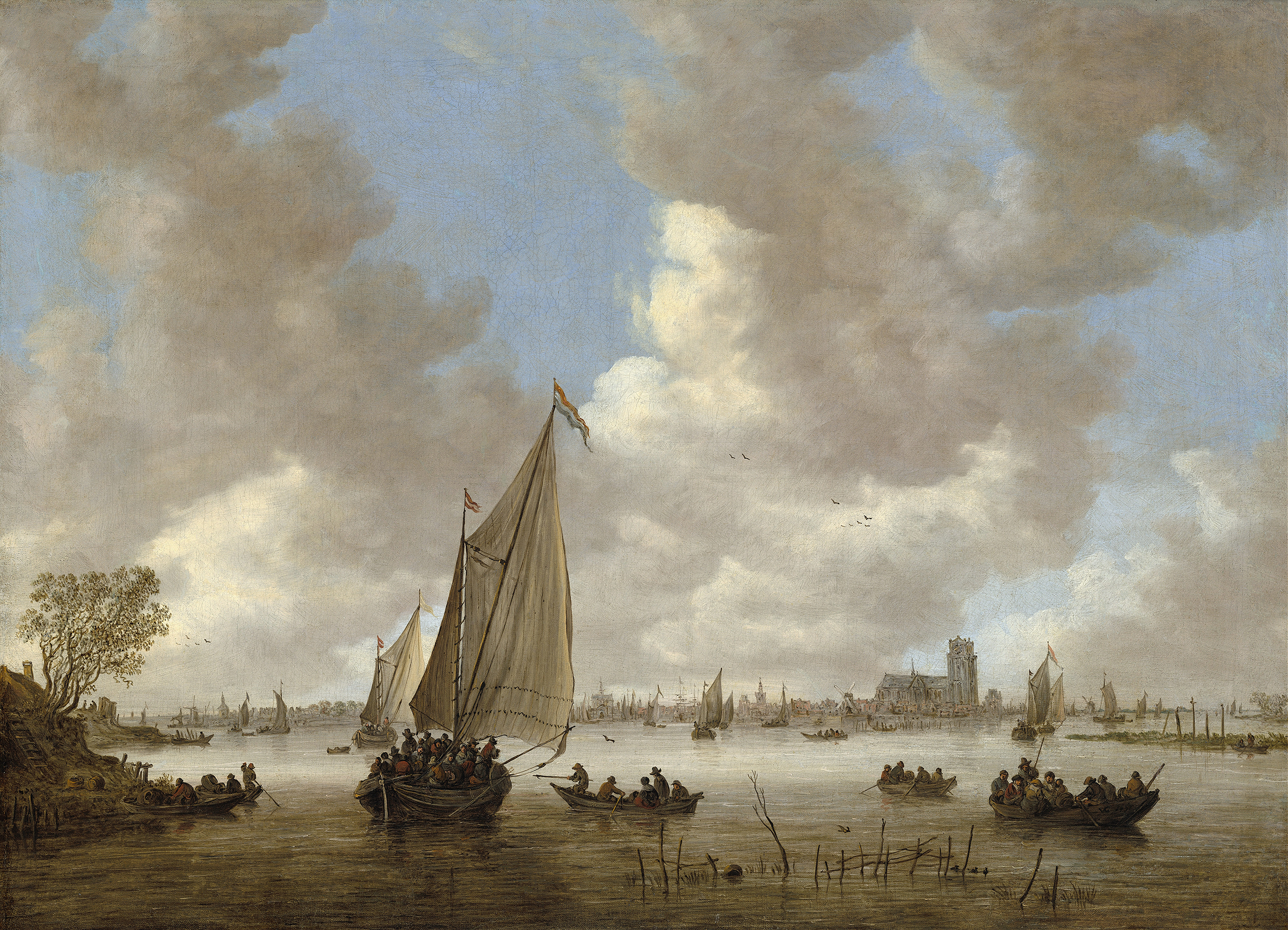
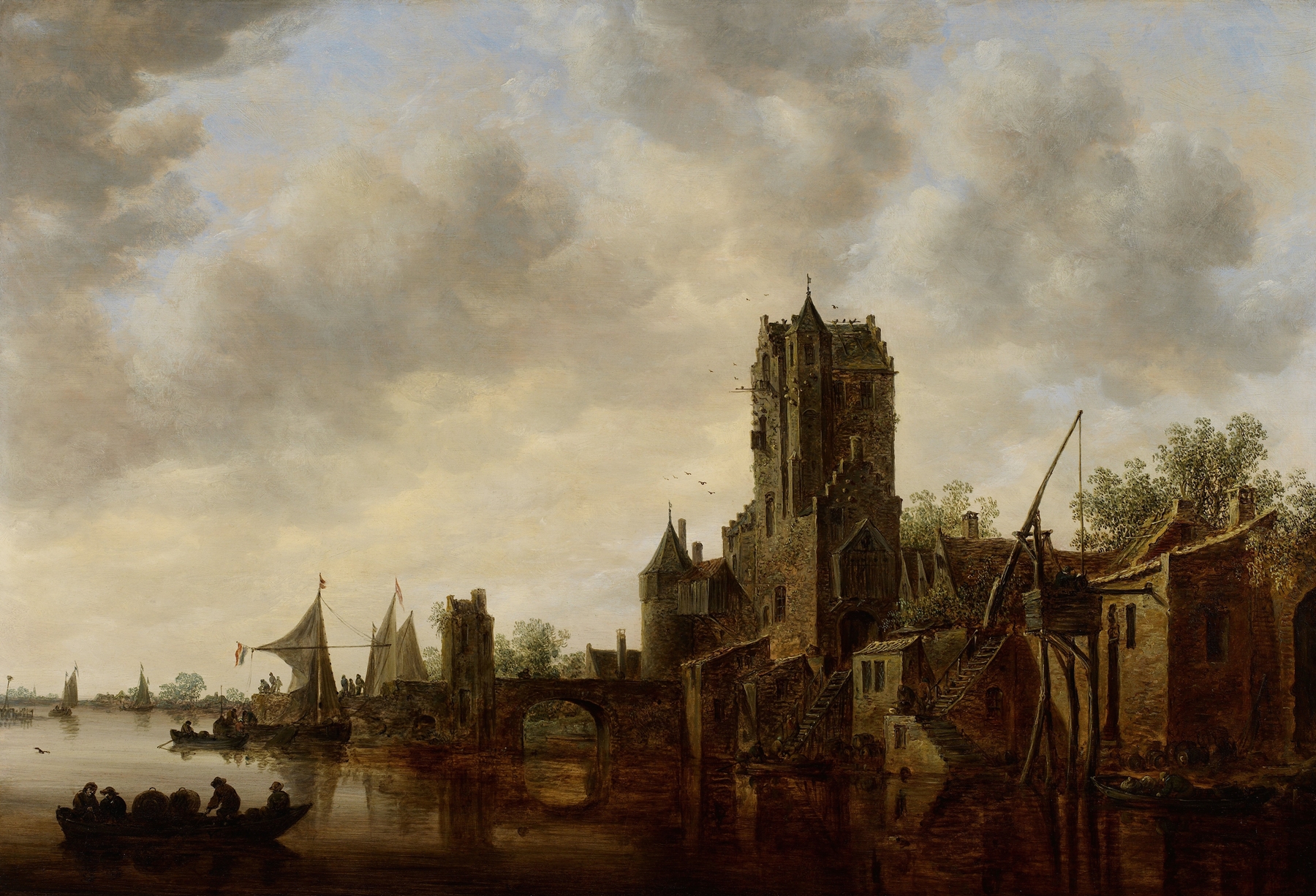
What secret hides in the quiet of the canvas? In the serene expanse of a river landscape, the gentle flow of water and the distant silhouette of a gate whisper stories of change, hinting at the undercurrents of a world on the brink of revolution. Look to the center of the composition, where the Pellecussen Gate stands proudly against a backdrop of soft, rolling hills. The muted earth tones of the landscape harmonize with the crisp blues of the sky, creating an atmosphere of calmness that belies the tension of the time. Notice how the light casts elongated shadows onto the water's surface, reflecting the interplay of stability and uncertainty.
Each stroke of the brush captures not just the natural beauty, but also the transformative power of the landscape, suggesting a moment frozen before the storm. Hidden within this tranquil tableau are contrasts that speak volumes. The sturdy gate, while a symbol of protection, also hints at isolation; are those who pass through it welcomed or excluded? The placid river may seem like a conduit of life, yet its stillness invites contemplation on the imminent change in society, a revolution stirring just beneath the surface.
Each detail, from the textured clouds to the small figures navigating the river, enriches the narrative of transition, underscoring the fragility of peace. In 1648, Jan van Goyen painted this piece during a period marked by political upheaval in Europe. The Dutch Republic was experiencing both the end of the Eighty Years' War and a burgeoning era of economic prosperity and artistic exploration. Van Goyen, already an established landscape painter, harnessed this moment to reflect the duality of tranquility and impending change, capturing the essence of a world poised between stability and upheaval.