Dune Landscape — History & Analysis
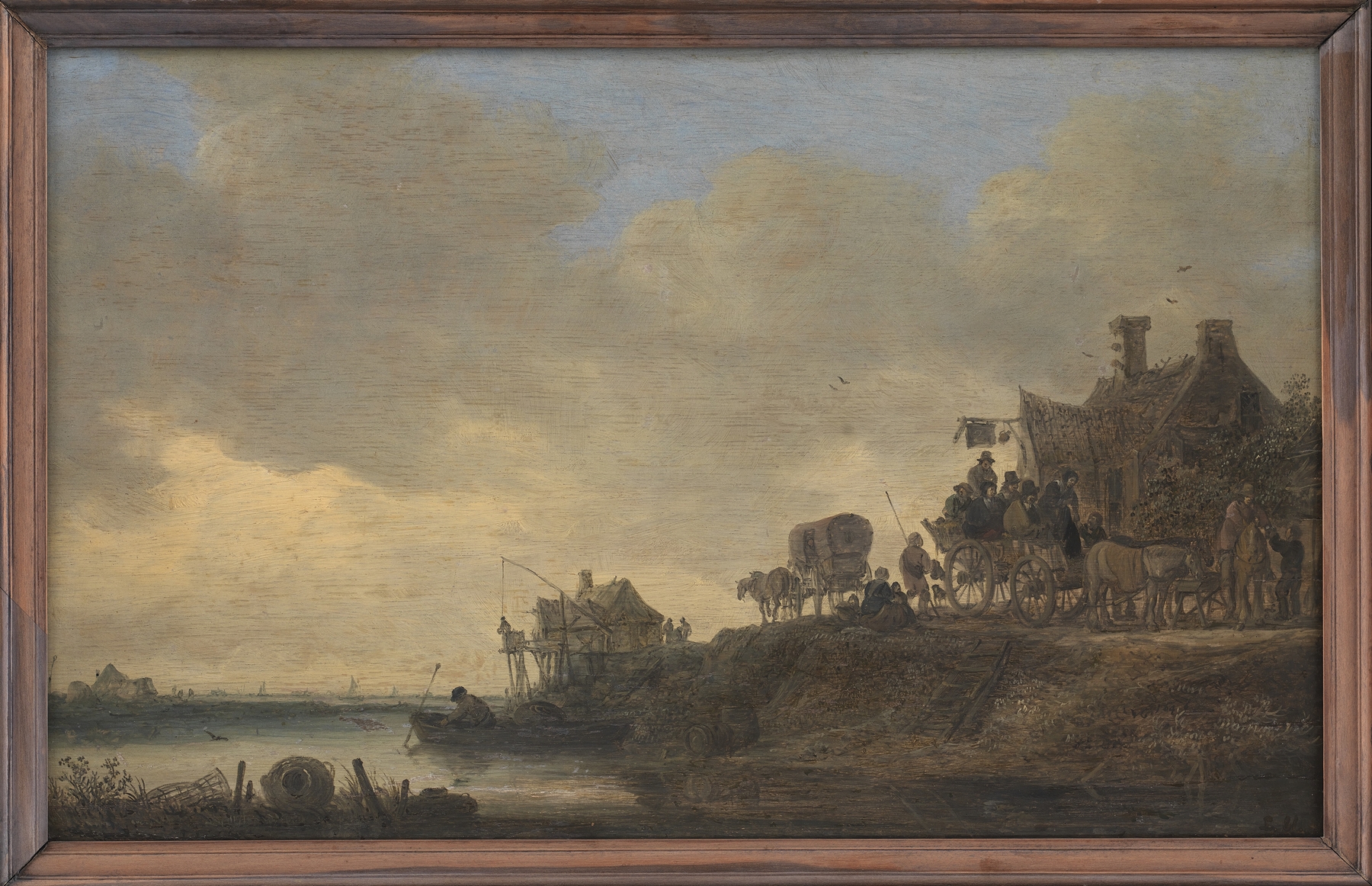
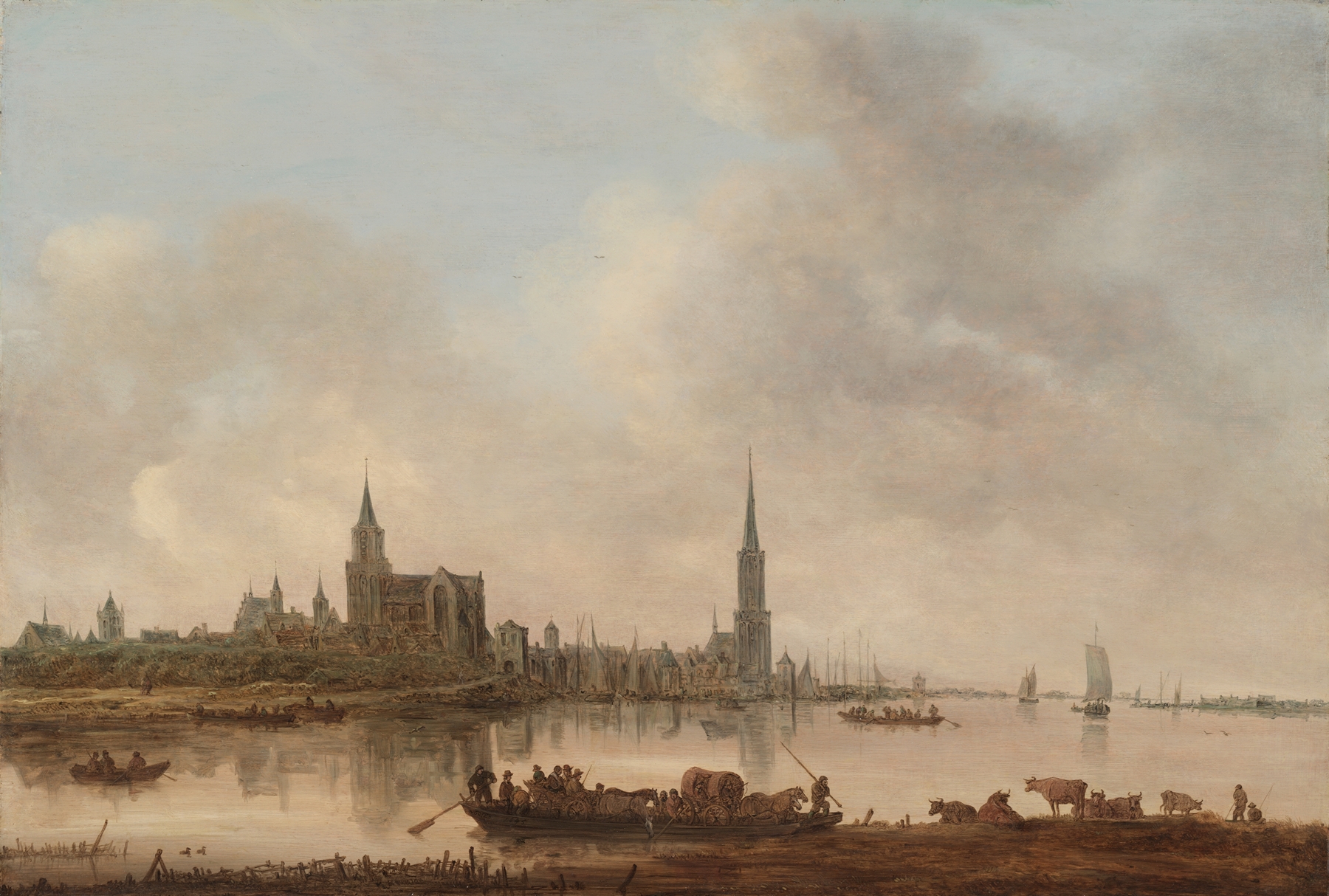
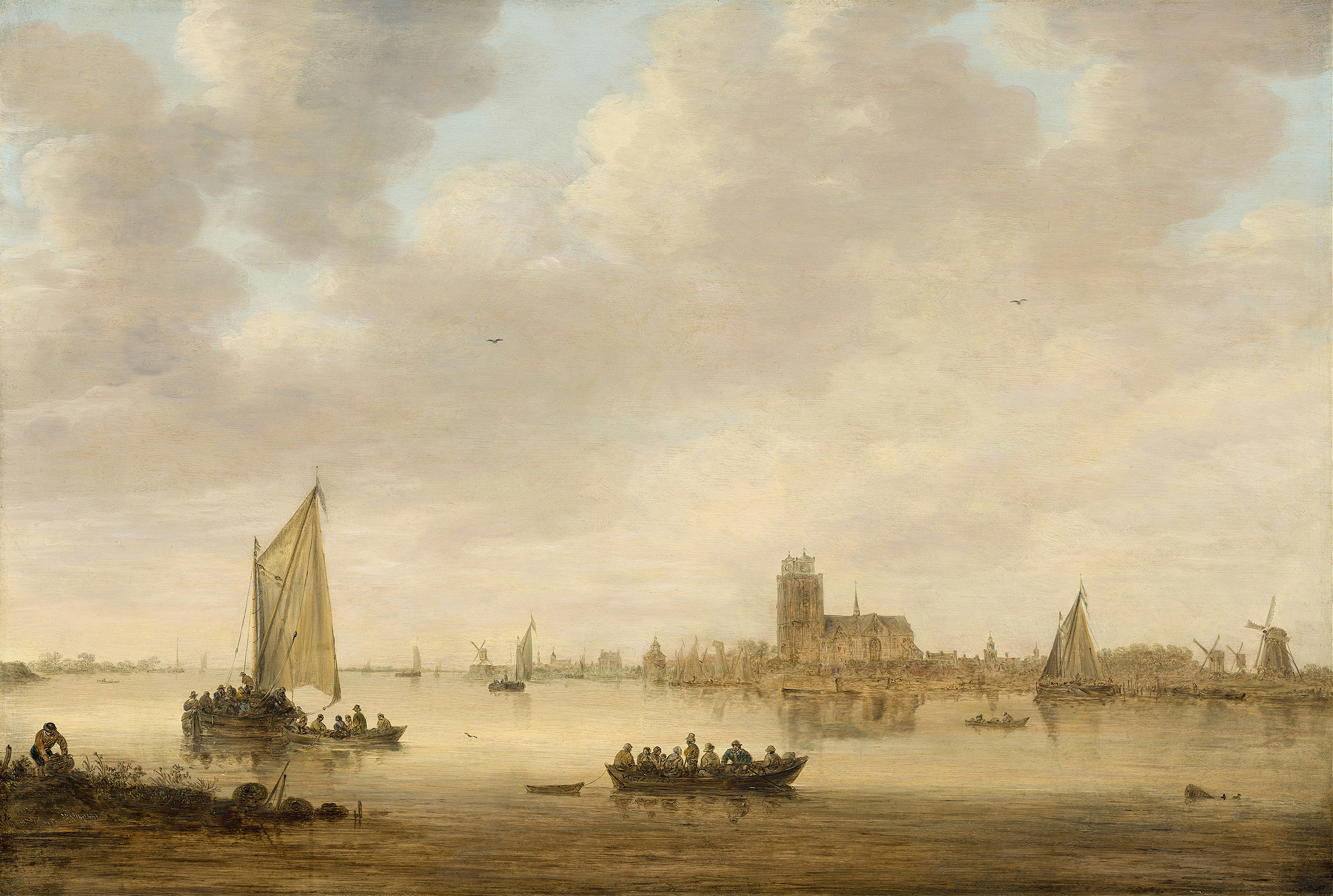
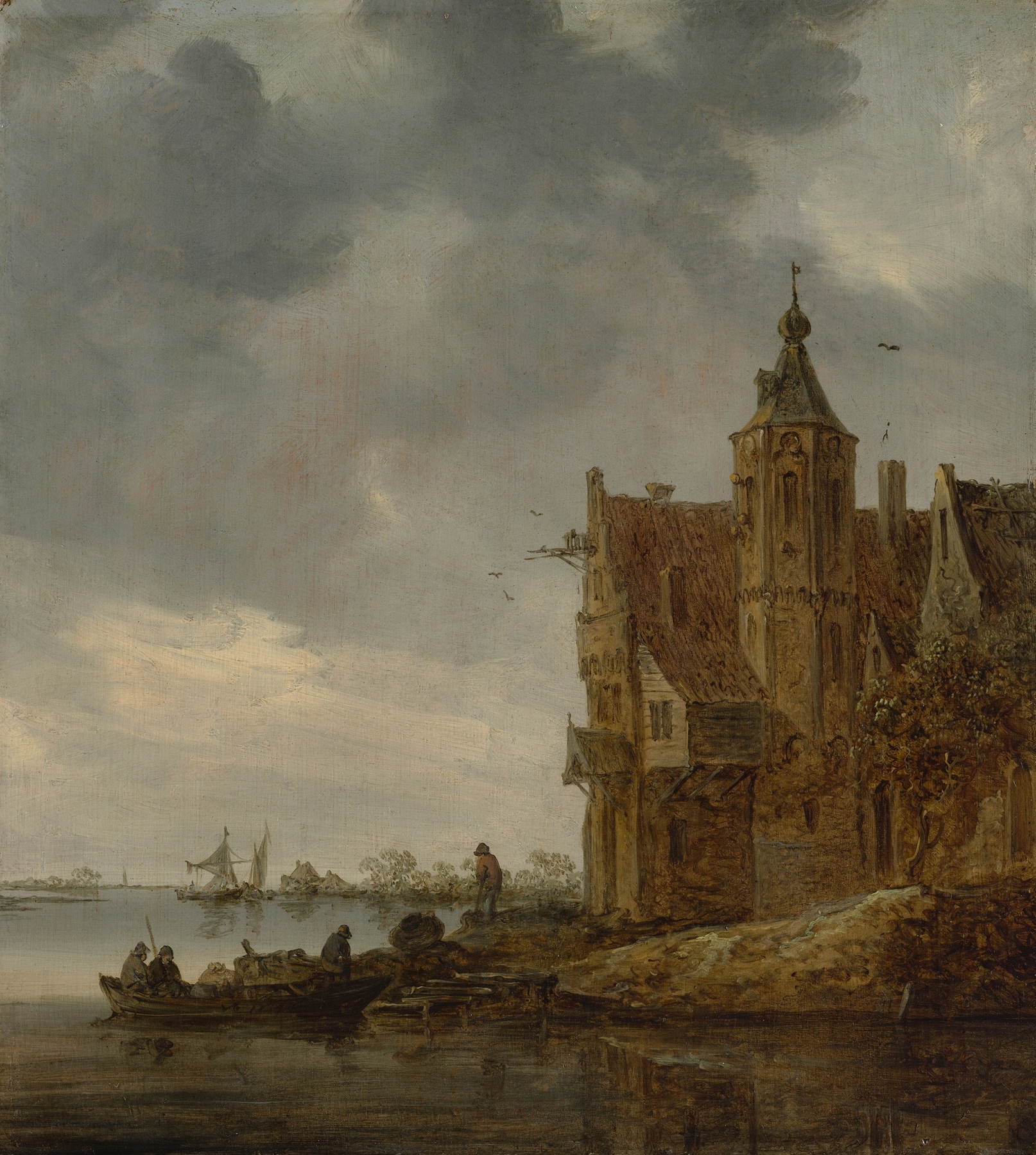
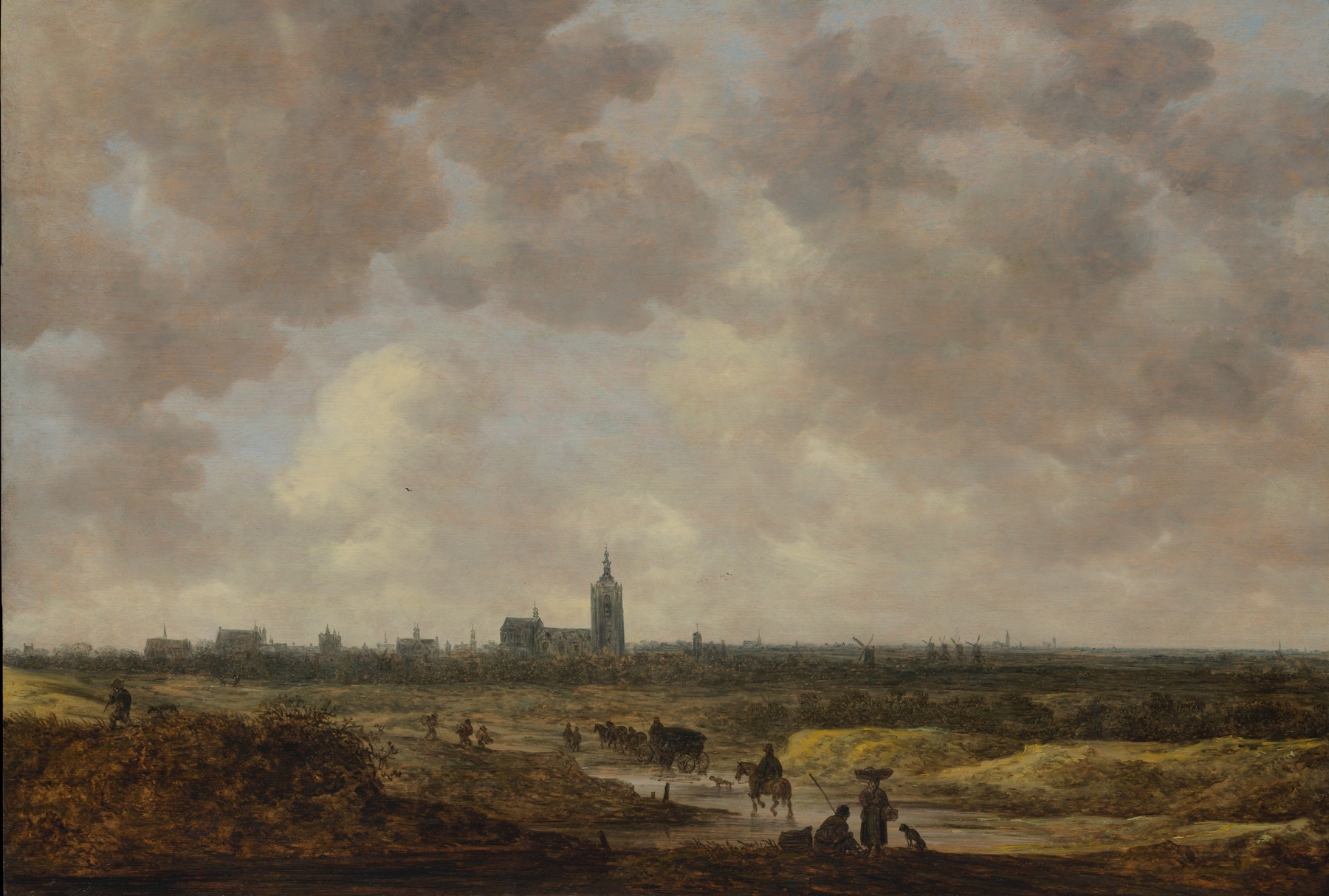
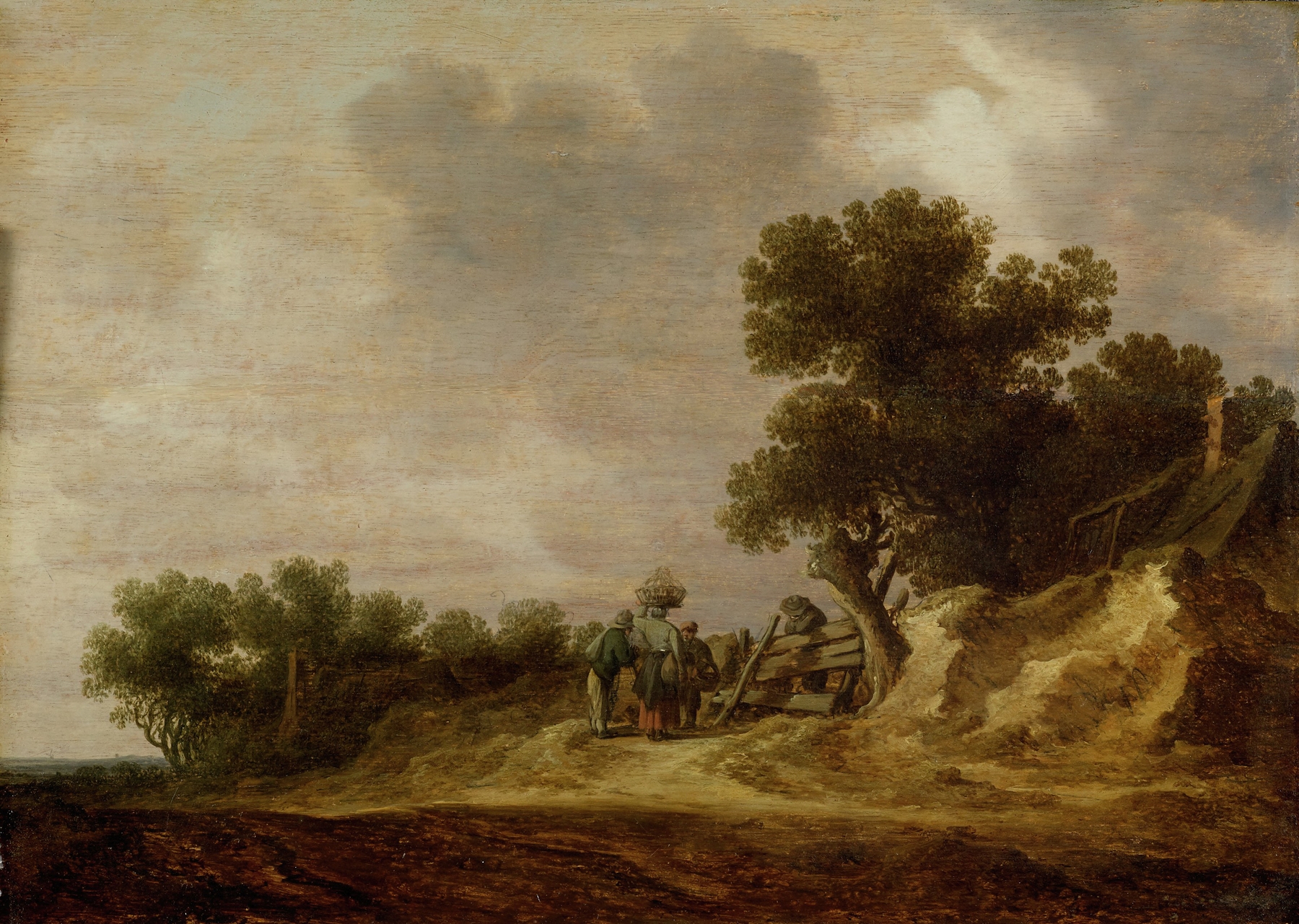
Who listens when art speaks of silence? In Dune Landscape, a timeless expanse unfolds, inviting contemplation on the passage of time and the quietude of nature. Focus on the horizon where the gentle undulations of sand meet a muted sky, creating an almost endless sense of space. Notice how the light casts soft shadows, forming delicate textures across the dunes, while wisps of grass break the monotony with their subtle, earthy greens.
The color palette is a harmonious blend of warm ochres and cool blues, evoking a serene atmosphere, while the undisturbed footprints in the foreground suggest a fleeting presence—conversations with nature that linger in the silence. Within this tranquil landscape, there lies a profound dichotomy between the permanence of the dunes and the ephemeral nature of human interaction. The distant clouds mimic the shape of the dunes, hinting at the cyclical relationship between earth and sky, while the solitary figure in the distance serves as a reminder of our transient existence within the vastness of time. Every detail, from the fragile grasses to the looming clouds, speaks to the inevitability of change, urging viewers to reflect on their own journey through life.
In 1632, Jan van Goyen painted this evocative scene during a time when Dutch landscape painting was flourishing. Living in the midst of this artistic revolution, he sought to capture the essence of his homeland, reflecting both the beauty and the stillness of nature. This work represents not only his mastery of light and form but also his deep connection to the world around him, resonating with the collective experience of humanity.