Day, Venice — History & Analysis
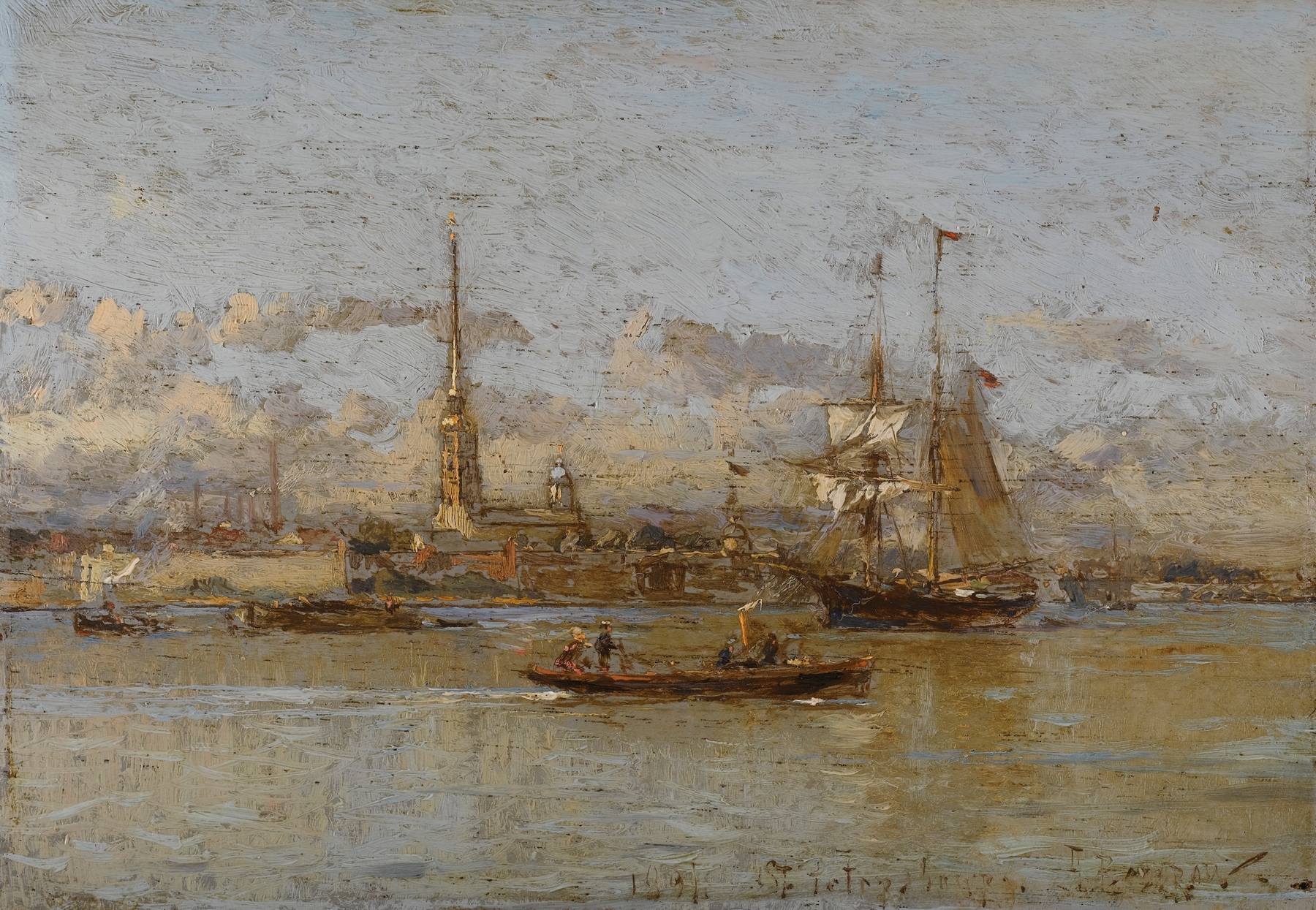
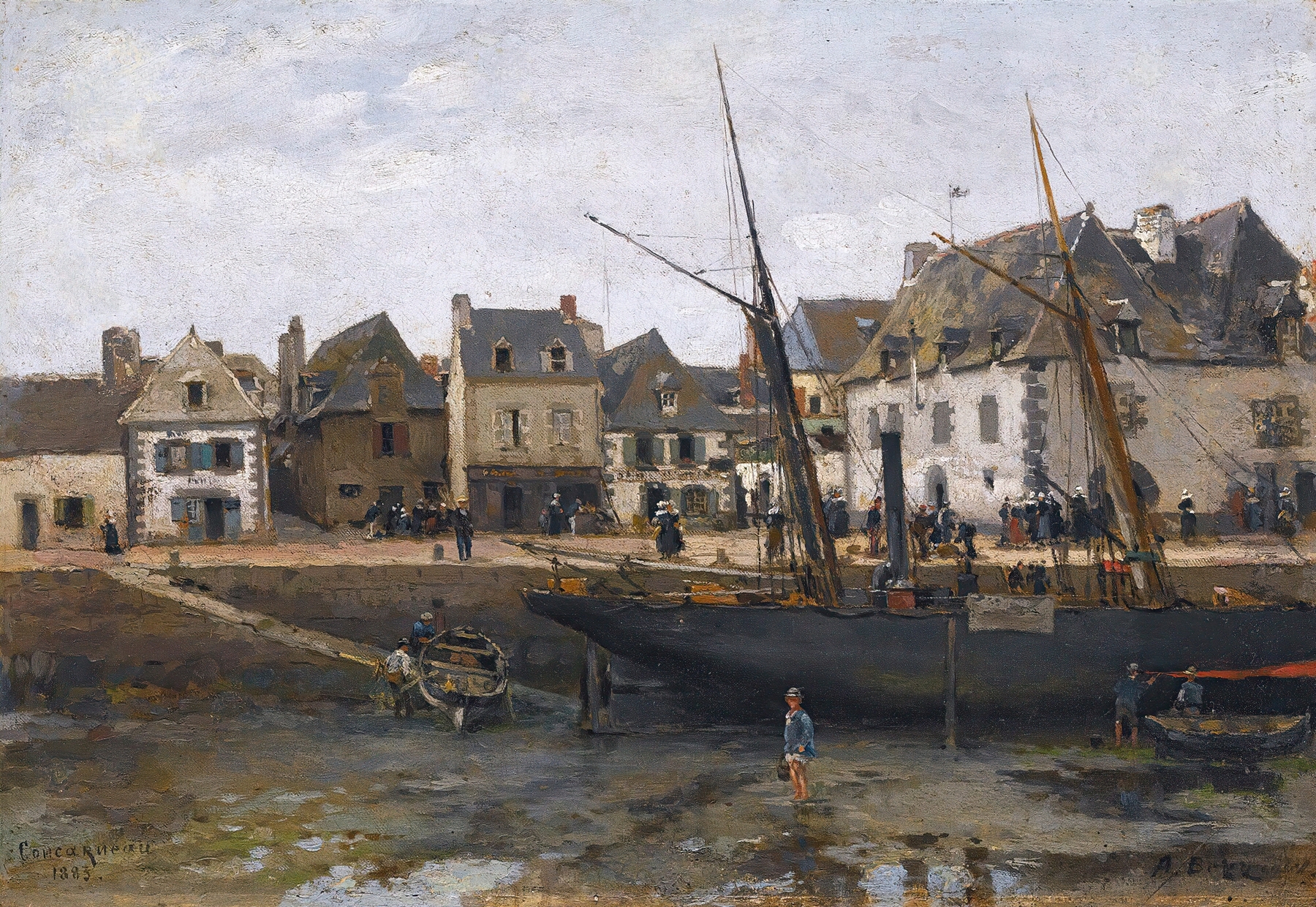
What if beauty was never meant to be finished? In a world where time breathes life into the delicate interplay of light and shadow, hope lingers in every stroke of the brush. Look to the left at the soft hues of azure and gold that dance across the water's surface, capturing the fleeting essence of a Venetian day. The artist masterfully employs a palette of warm tones, inviting the viewer to traverse the winding canals as if stepping into a sun-drenched moment, frozen in time.
Notice the gentle reflections of the buildings above, distorted yet harmonious, suggesting a world that exists on the cusp of reality and dream. Beneath the surface beauty lies a profound sense of longing, the colors blending seamlessly to evoke nostalgia. The juxtaposition of the lively water against the serene architecture represents the balance between chaos and tranquility. Each brushstroke not only creates a vibrant landscape but also whispers the enduring hope that beauty can be found amidst transience.
In 1905, Alexander Karlovich Beggrov painted Day, Venice during a period of artistic exploration and personal introspection. Living in Russia, he was deeply influenced by the changes in the art world, merging impressionistic techniques with his own unique vision. This work reflects a pivotal moment in his life, capturing his yearning for connection and understanding at a time when Europe was poised on the brink of transformation.