View Of Concarneau — History & Analysis
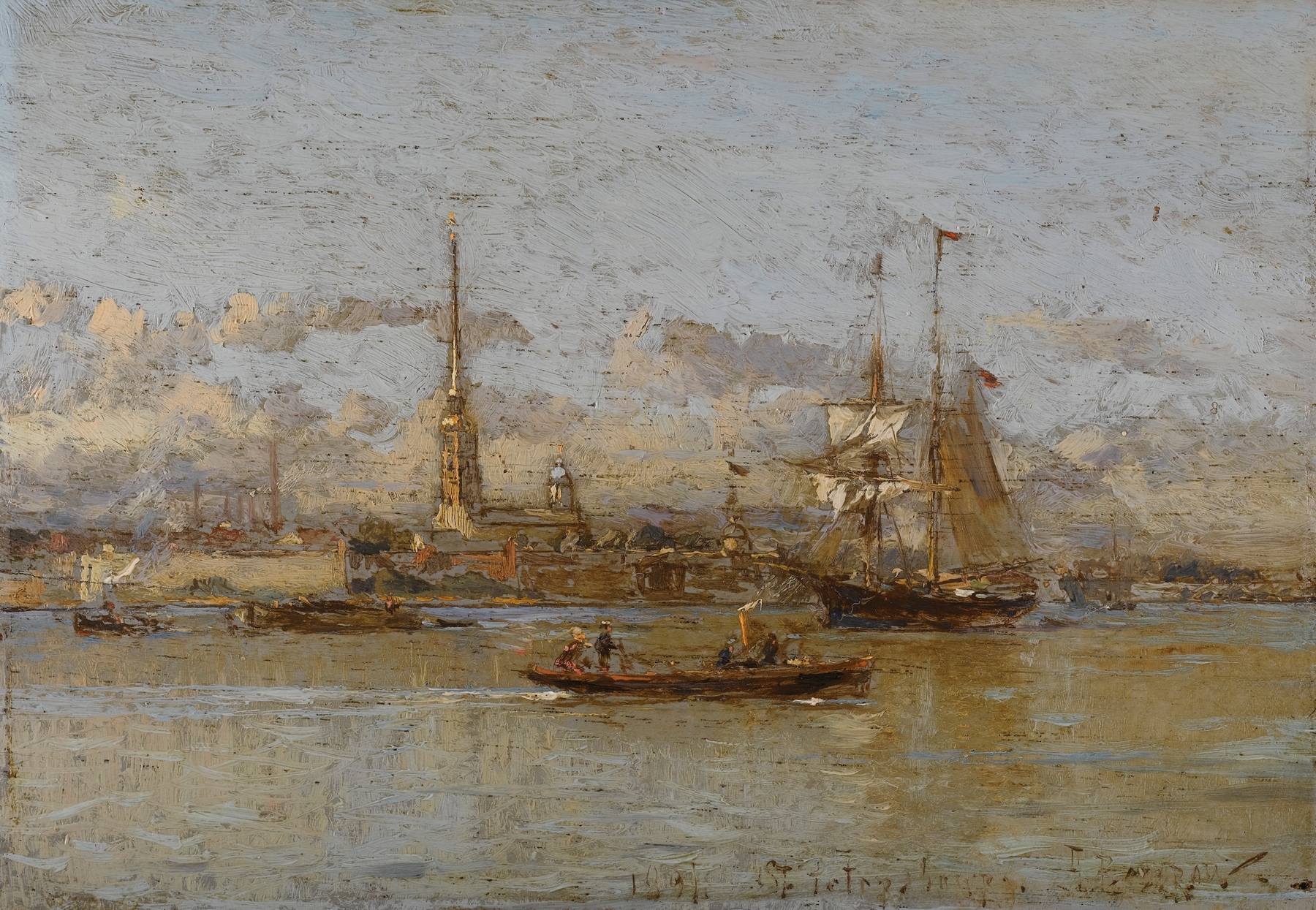
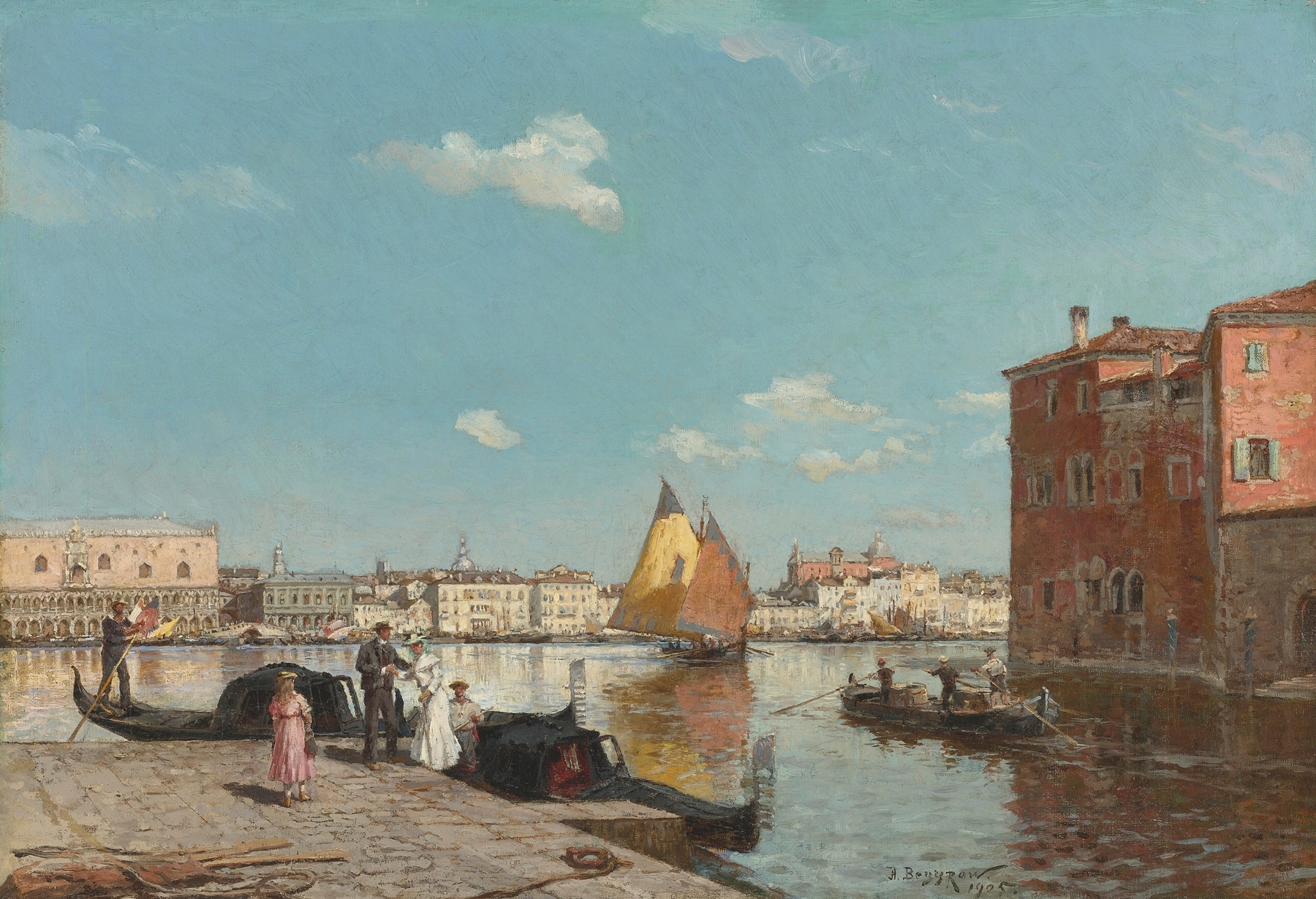
“Sometimes beauty is just pain, disguised in gold.” This sentiment encapsulates the quiet melancholy woven through the coastal splendor of a fishing town. In each brushstroke lies the weight of longing and loss, transforming the serene landscapes into reflections of an inner world where grief meets grace. Look to the left at the gentle curves of the coastline, where the deep blue sea kisses the shore in a harmonious embrace. Notice how the artist’s application of rich, textured layers evokes both the warmth of sunlight and the coolness of the water, capturing the delicate balance between tranquility and tension.
The bustling boats in the harbor, outlined against the hazy skyline, create a rhythmic movement that pulls the eye and invites the viewer to linger. Within this idyllic scene, contrasts emerge; the vibrancy of daily life sits juxtaposed with the stillness of the water, suggesting a duality of existence. The colors resonate not only with the beauty of the moment but also with an undercurrent of nostalgia — the specter of those who have departed lingers like mist over the waves. It’s in the details, from the distant figures to the softly rendered clouds, that the emotional tension seeps through, conjuring a sense of loss amidst the beauty of the present.
In 1883, Alexander Karlovich Beggrov painted this work while living in Russia, a period marked by artistic exploration and a burgeoning interest in capturing nature's essence. The late 19th century was a time of significant change in Europe, and the artist sought to convey the intricate relationship between humanity and the landscape. This piece not only reflects his technical mastery but also his internal grappling with themes of longing and remembrance, which echo through the timeless beauty of Concarneau.