De Magere Brug te Amsterdam — History & Analysis
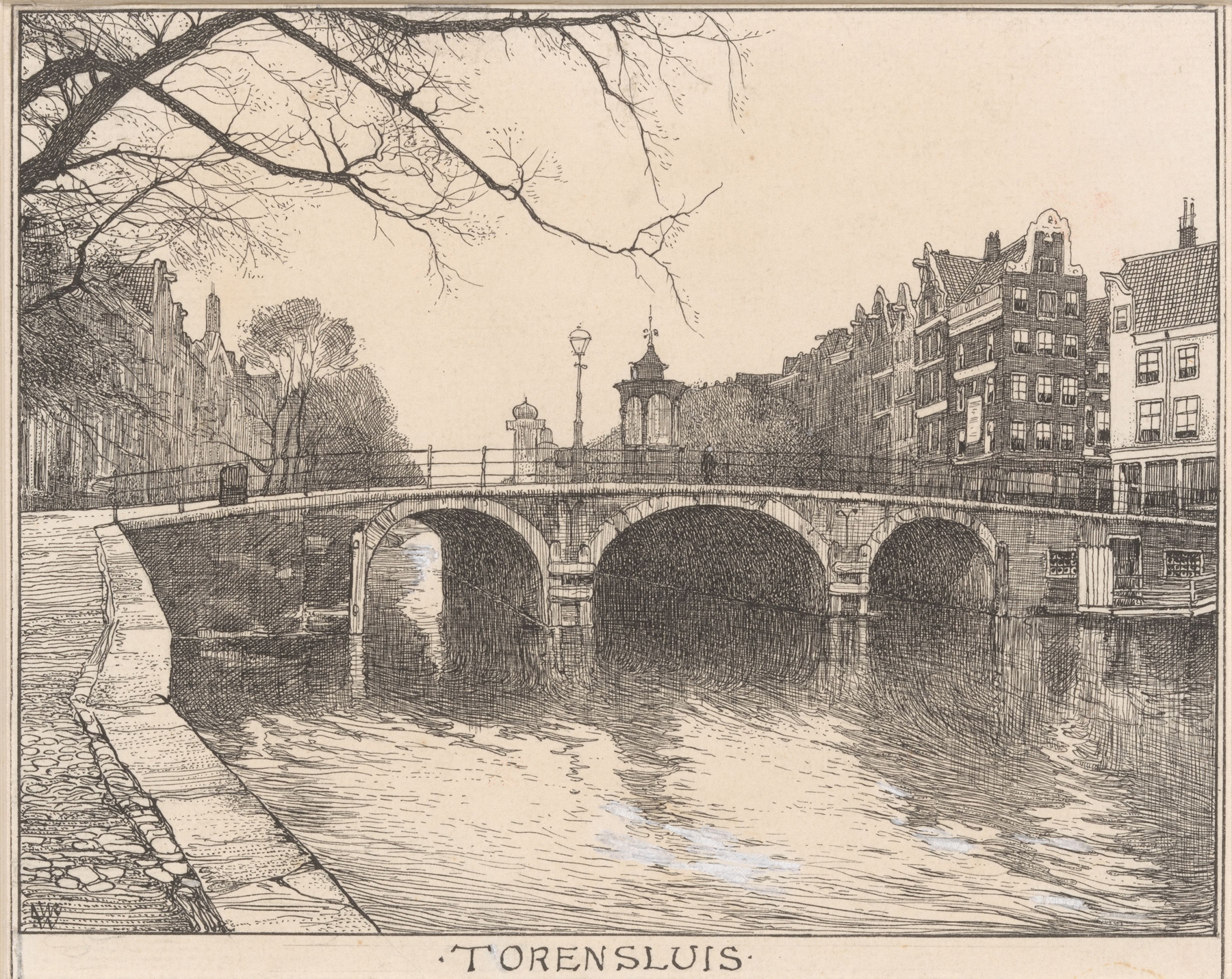
“Sometimes beauty is just pain, disguised in gold.” In a world where silence often speaks louder than words, the quiet elegance of shadows tells a poignant story. Focus on the intricate play of light and dark within the composition. The soft illumination dances across the delicate architecture of the bridge, casting long shadows that stretch into the tranquil waters below. There’s a muted palette of grays and blues, which envelops the scene in a contemplative mood.
Notice how the silvery sheen of the water mirrors the bridge’s form, creating a dialogue between reflection and reality, as if frozen in time. Hidden beneath this serene surface lies an emotional tension. The stillness of the moment invites contemplation, suggesting solitude amid the beauty of the landscape. The bridge, both a physical and metaphorical crossing, implies the fragility of connection, hinting at the struggles inherent in relationships and journeys.
Each detail, from the weathered wood to the distant buildings, encapsulates a bittersweet sense of longing and nostalgia. Wenckebach painted this piece in the 20th century, during a time when Europe grappled with the aftermath of war and the quest for identity. Living in Amsterdam, he sought to capture the essence of his surroundings through a lens of introspection and calm. This work reflects both personal and societal conflicts, as artists sought to convey deeper truths in a changing world.