Design for an Athenian Villa — History & Analysis
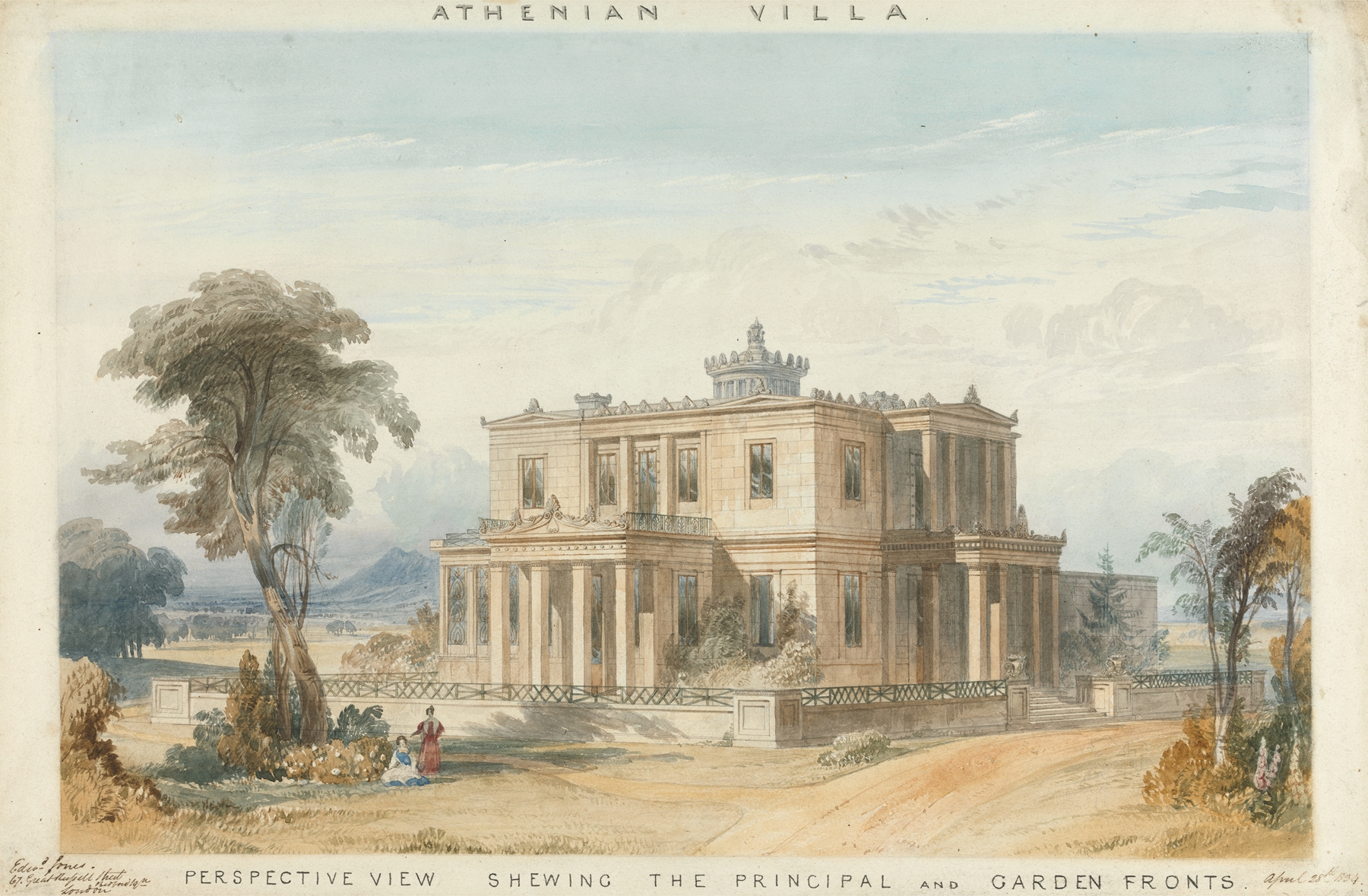
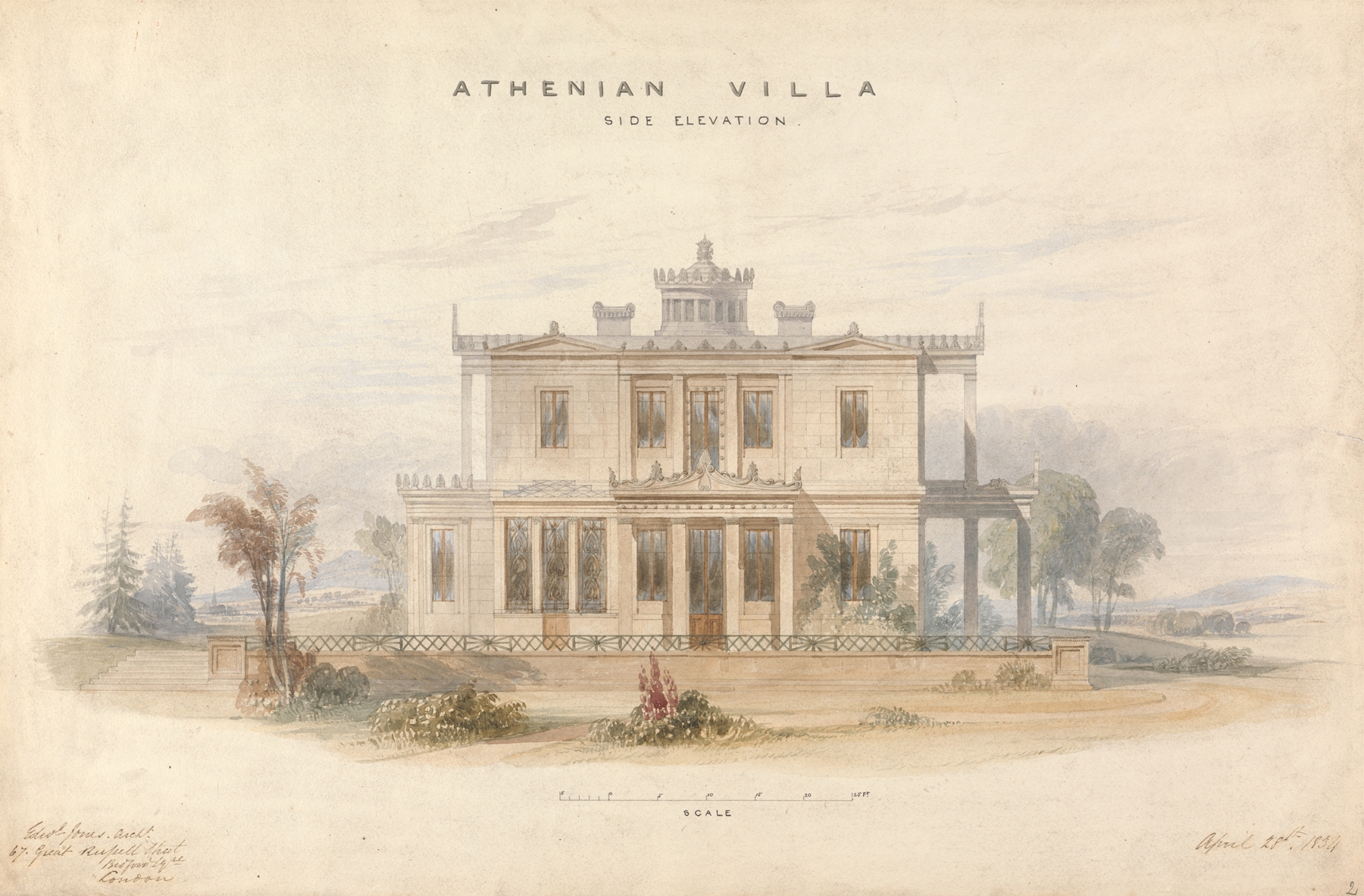
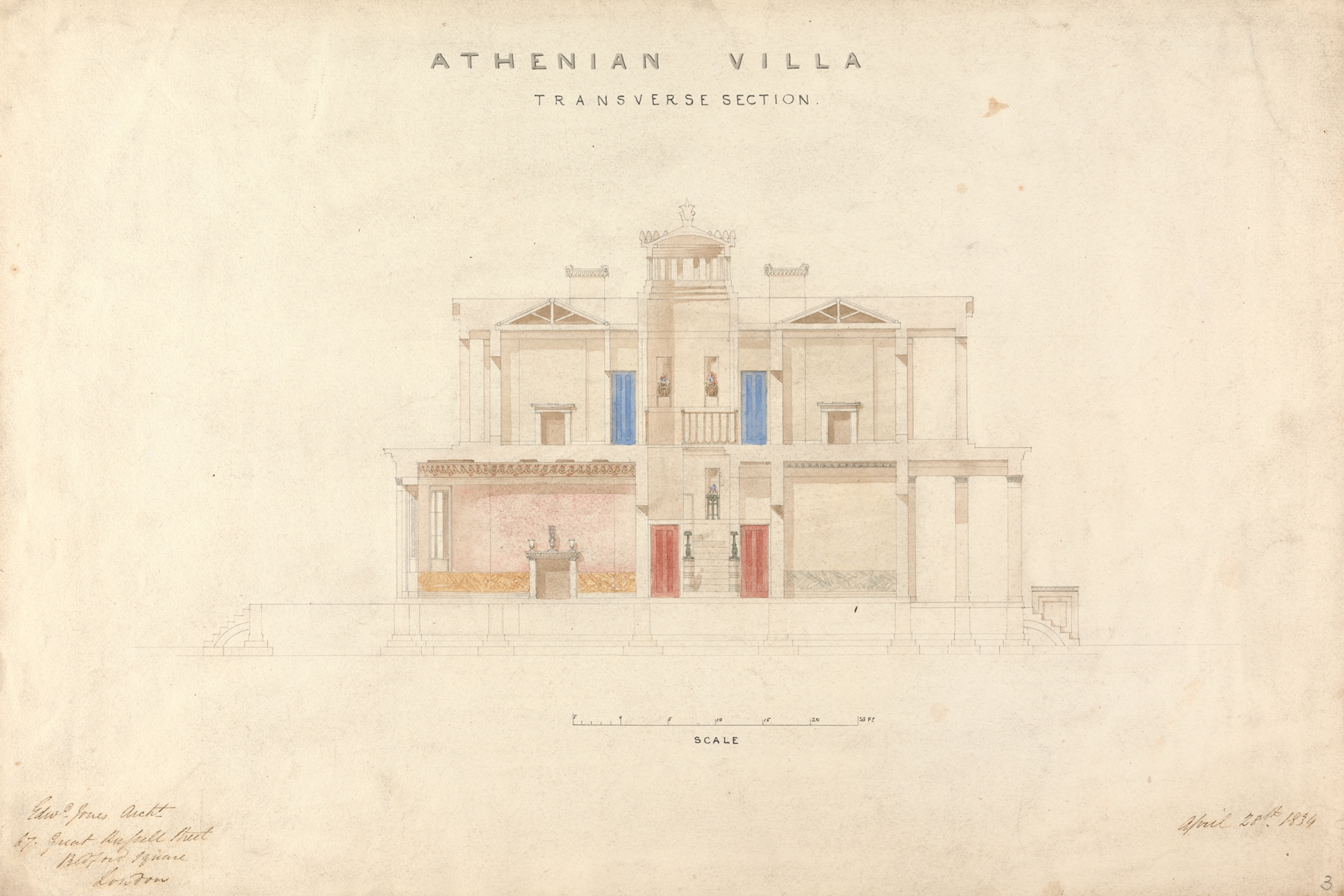
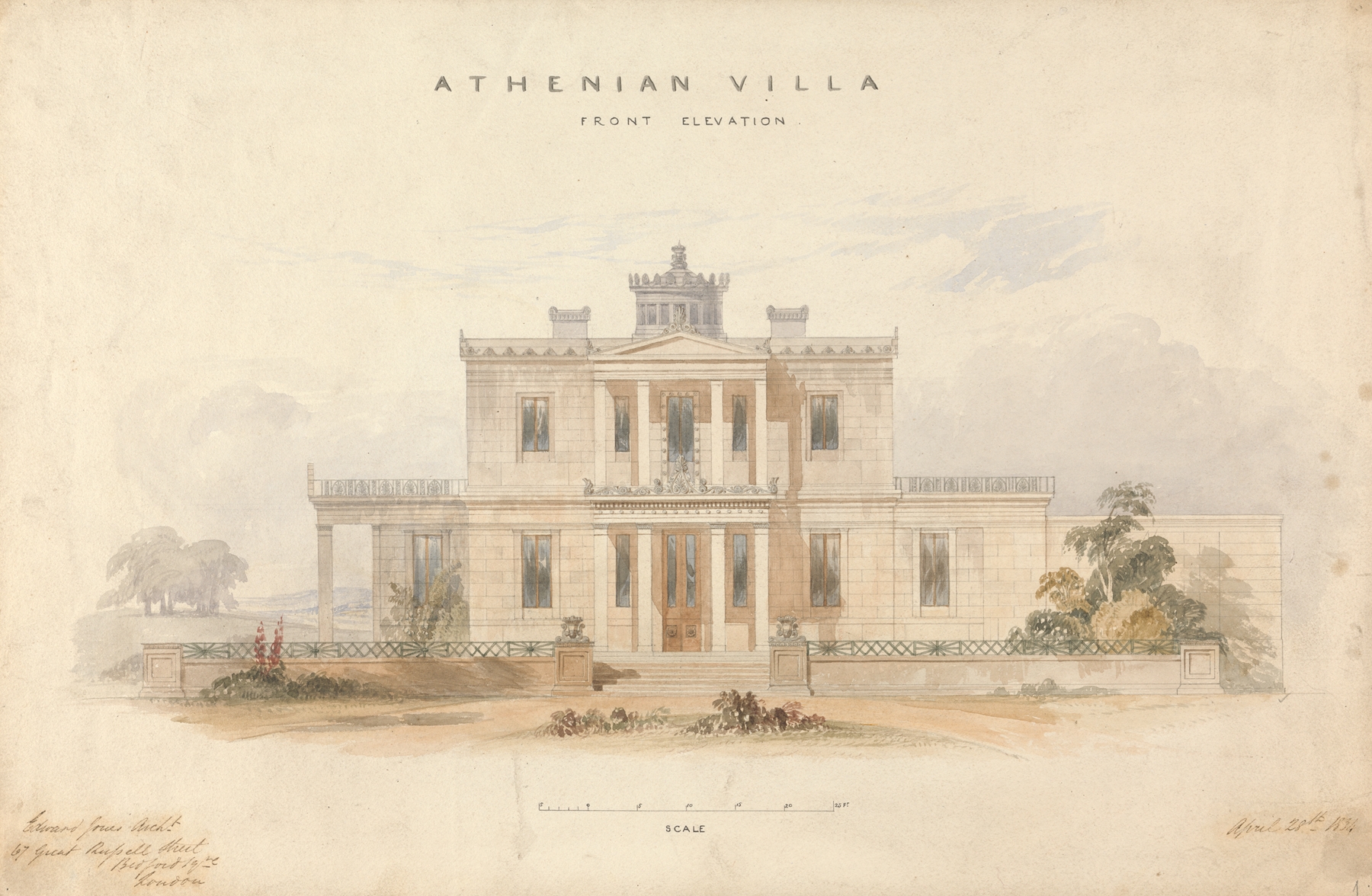
Did the painter know this moment would outlive them? The destiny of art is often a silent conversation between the creator and the canvas, echoing through time in whispers. Focus on the intricate lines that define the structure within Design for an Athenian Villa. The precise geometry captures your eye, drawing you towards the harmonious arrangement of columns and arches. Notice how the delicate strokes of pencil create a rhythm, guiding the viewer's gaze upward, evoking the grandeur of ancient architecture.
The muted palette speaks of a refined elegance, suggesting both a place of refuge and a testament to human aspiration. Amidst the architectural precision, hidden tensions emerge. The juxtaposition of strength and fragility is palpable; the solid forms cradle the ethereal quality of light, hinting at the transience of beauty. Each detail, from the contour of the roofline to the shadow cast across the floor plan, encapsulates a longing for permanence against the backdrop of inevitable change.
Such contrasts invite contemplation on the relationship between man, nature, and the timeless structures we aspire to create. Created during a period when neoclassicism was reaching its zenith, the artist crafted this design in his studio, influenced by a resurgence of interest in ancient Greece. Though the exact date remains uncertain, it reflects a moment when architects and artists alike sought to revive the ideals of antiquity, embodying both aesthetic perfection and cultural identity. Edward Jones, engaged in this fertile artistic landscape, left us a vision of a villa that transcends its time.