Design for the Temple of Apollo in the Gardens of the Chateau d’Enghien, Belgium — History & Analysis
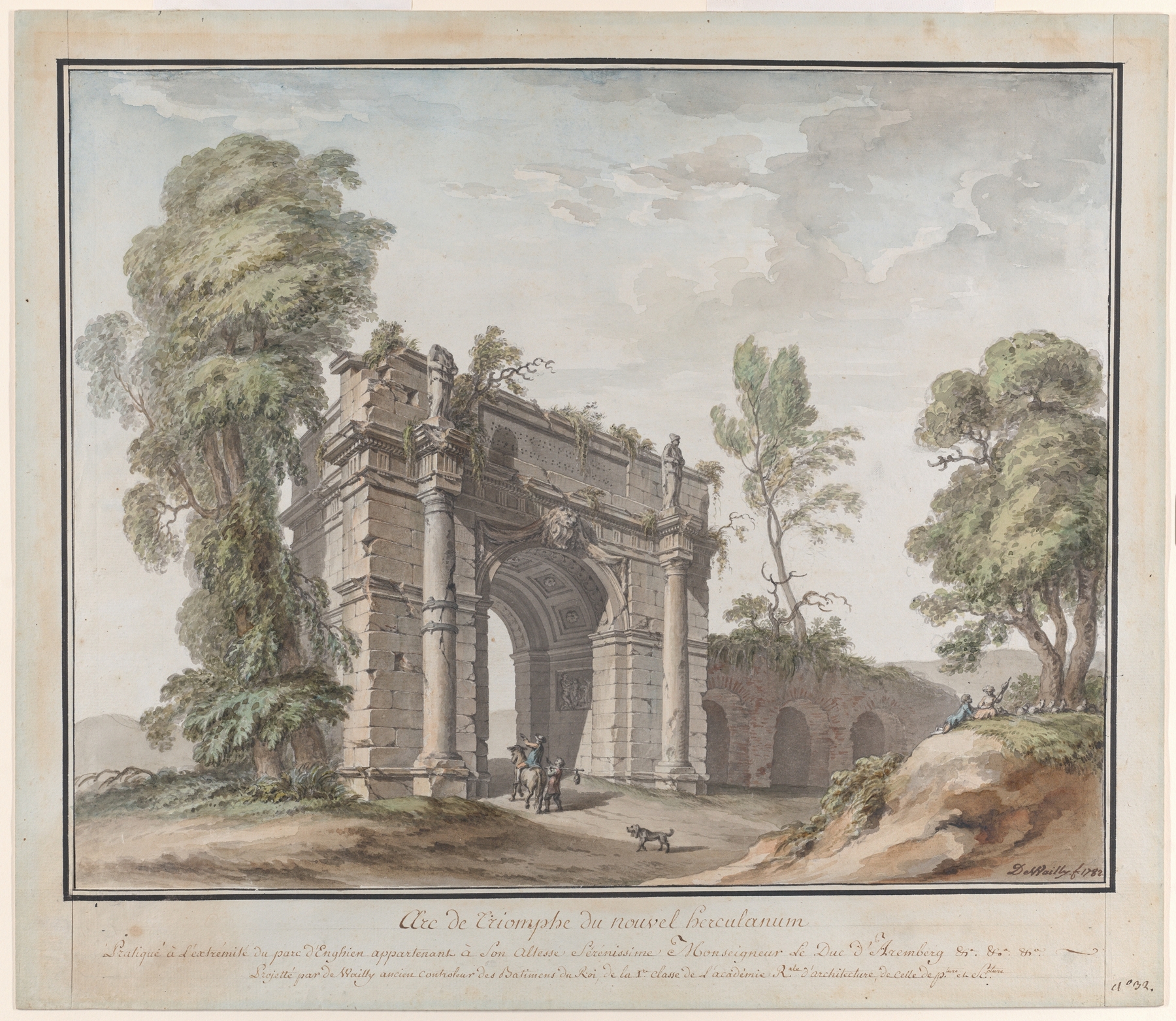
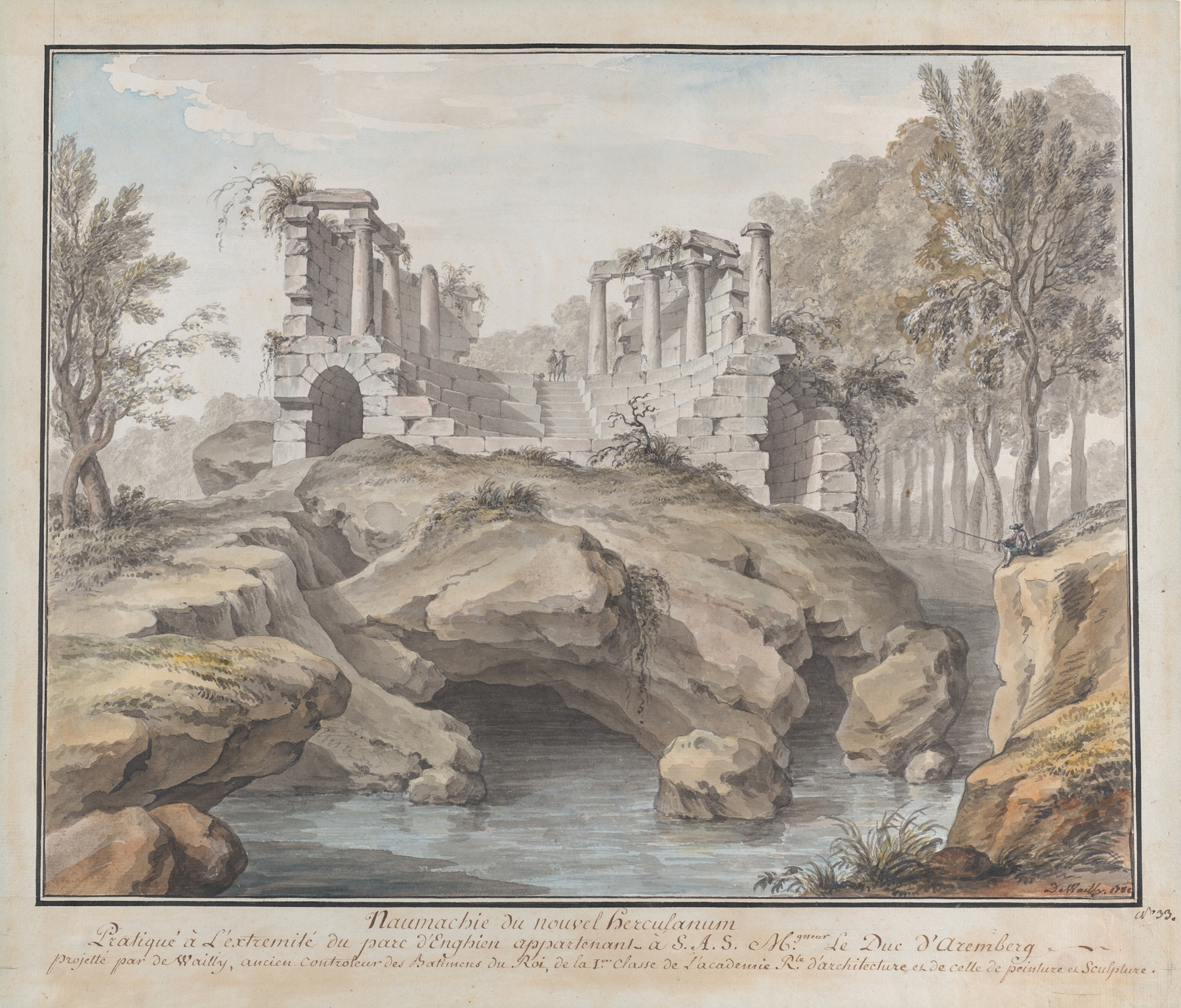
A gentle breeze rustles through the lush gardens, where light filters softly through the verdant canopy above. In the distance, a serene temple emerges, its elegant columns standing sentinel against the backdrop of a tranquil sky. Figures stroll leisurely through the manicured paths, their conversations muted, as if the very air is imbued with a sacred calmness that invites reverence. Look closely at the temple, with its perfectly proportioned classical columns and delicate entablature, which draws the eye upward.
Notice how the light plays upon the white stone, creating a luminous glow that emphasizes the purity of the design. To the left, the carefully arranged foliage frames the structure, harmonizing nature with architecture and enhancing the overall sense of balance. Every detail, from the symmetry of the columns to the gentle contours of the garden, speaks of a contemplative elegance. Deeper still, the work embodies a fusion of human artistry and the natural world, reflecting a longing for harmony that transcends the mere visual.
The interplay of light and shadow evokes a sense of time paused — a moment where beauty and serenity coexist. The figures, though small, symbolize humanity’s quest for connection with the divine, underscoring how architecture can inspire spiritual reflection amidst the chaos of life. In 1780, while residing in Paris, Charles de Wailly created this design during a period of neoclassical revival, where the ideals of antiquity resonated deeply with European sensibilities. As a part of the Enlightenment, this era emphasized reason and aesthetics in art, aligning beautifully with de Wailly’s vision for a temple that would stand as a testament to both nature and classical form.