Emmanuel Chabrier (1841-1894) — History & Analysis
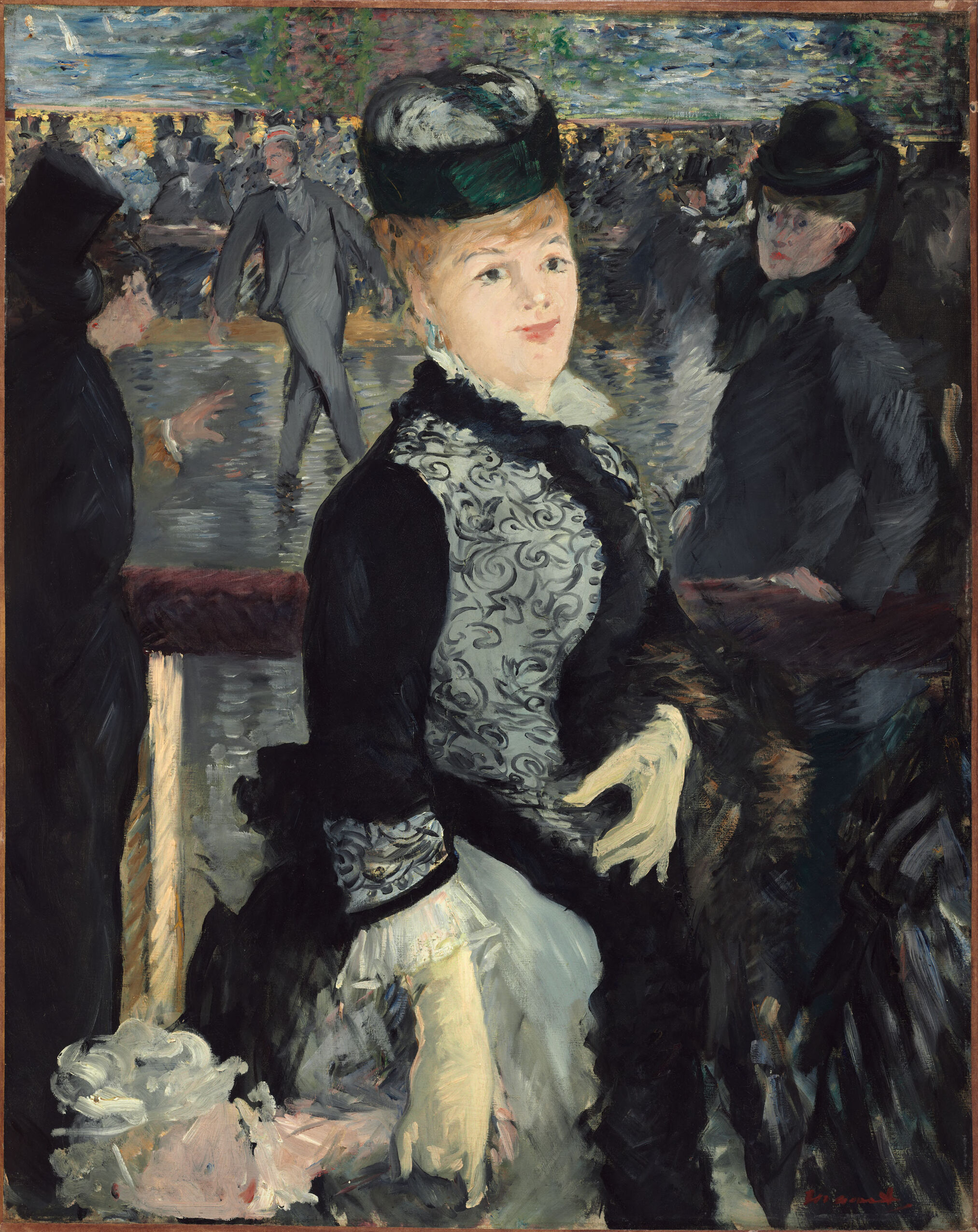
Can paint confess what words never could? In Emmanuel Chabrier, Edouard Manet captures the essence of musicality through color and form, translating the fervor of sound into a visual language that resonates beyond the canvas. Look to the lower left of the painting, where vibrant strokes of blue and gold bring Chabrier to life, seated amidst a flurry of notes and instruments. The warm light enveloping his features creates an intimate aura, drawing the eye to his focused expression.
Notice how the brushwork suggests movement, each stroke pulsating with rhythm, as if the air is alive with his music. The juxtaposition of dark and light around him emphasizes not just the subject, but the energy of creation itself. Delve deeper and you’ll find that the artist’s choice of colors plays a vital role in expressing the emotional undercurrents of the scene. The rich ochres and deep blues evoke a sense of both warmth and melancholy, reflecting the duality of creativity—the joy of expression intertwined with the weight of expectation.
The backdrop, a blur of abstracted figures, suggests a world in motion, symbolizing the ever-present influence of society on the artist’s inner life. During 1881, Manet was navigating the complexities of critical recognition while grappling with his health. Painted in Paris, this work illustrates his evolving style as he embraced Impressionist influences, even as he sought to assert his own identity within the art world. It was a time when the boundaries of artistic expression were expanding, and this piece stands as a testament to his commitment to capturing the transient essence of life and creativity.