Eve — History & Analysis
Could beauty survive in a century of chaos? Amid the turmoil of the Reformation, Eve emerges as a poignant embodiment of both allure and sorrow, a reminder of the fragility of innocence in a world teetering on the brink of transformation. Focus on Eve’s serene countenance, her gaze subtly directed downward, inviting you to explore the cascading waves of her hair that frame her face like a golden halo. Notice the delicate interplay of light and shadow, highlighting the smoothness of her skin against the rich, deep tones of the background.
The intricate details of her gown, adorned with sinuous patterns, draw the eye and suggest a connection to nature—perhaps a reflection of her role as the first woman, entwined with the earth and its beauty. Yet, within this captivating image lies a profound tension. The softness of Eve’s expression juxtaposes the underlying melancholy that permeates her surroundings, hinting at the impending fall from grace. The apple, a symbol of temptation, rests within her grasp, radiating a sense of foreboding amid her delicate beauty.
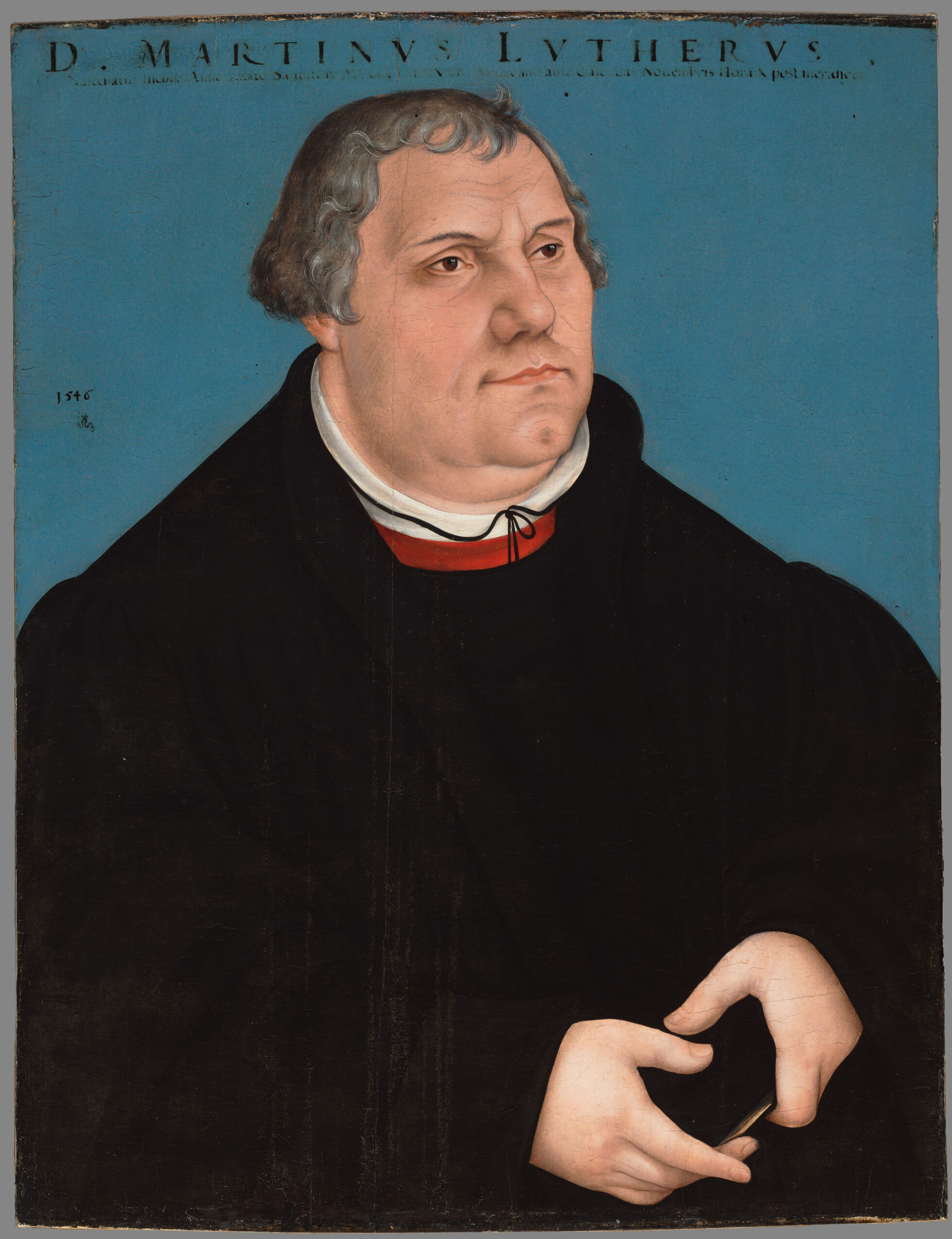
Each detail, from the subtle blush of her cheeks to the lush foliage surrounding her, speaks to a world that is both enchanting and perilous, embodying the duality of creation and destruction. Created between 1533 and 1537, this work reflects a significant period in Lucas Cranach the Elder's life, marked by his alignment with the Protestant Reformation. Based in Wittenberg, he was immersed in the cultural and spiritual upheaval of the time, aiming to balance artistic expression with the moral narratives emerging from religious discourse. His portrayal of Eve not only captures individuality but also serves as a commentary on the complexities of human nature during an era of profound change.