The Stag Hunt of the Elector Frederic the Wise (1463-1525) of Saxony — History & Analysis
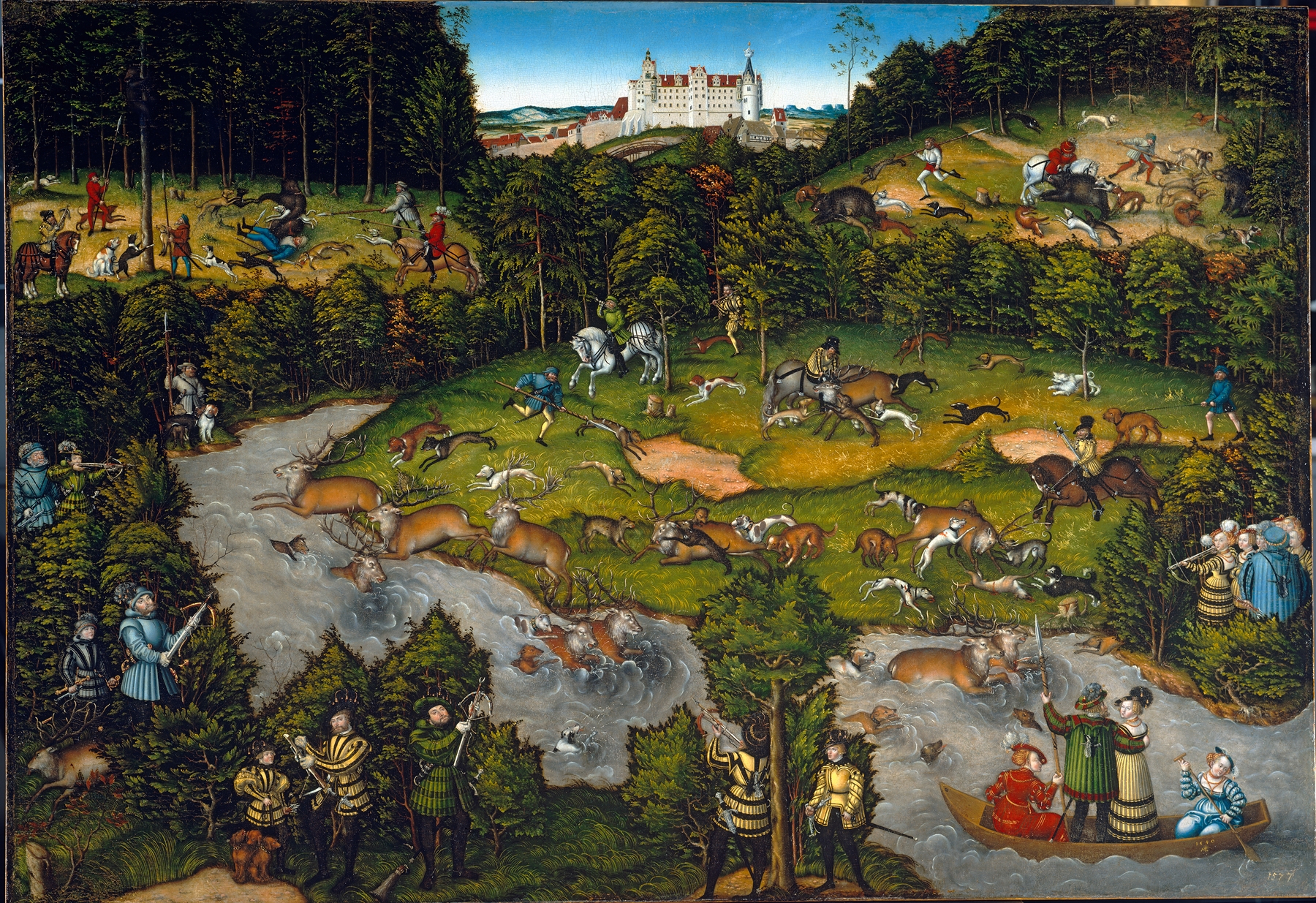
“Under the brush, chaos becomes grace.” In the intricate dance of nature and humanity, how do we reconcile ambition with the weight of loss? Look to the center of the composition, where the figures of the hunt unfold against a densely wooded backdrop. The Elector, regal and poised astride a powerful steed, is surrounded by noble hunters engaged in a flurry of action. Notice how Cranach uses vibrant hues—deep greens and earth tones—to create a sense of the forest’s wildness, contrasting with the bright colors of the hunters’ garments that symbolize their social standing.
The light filters through the trees, illuminating the tension of the impending capture, every detail carefully rendered to showcase the artist's mastery of texture and form. The emotions encapsulated within the painting are complex. The stag, noble and tragic, stands as a symbol of untamed nature, representing both freedom and the inevitable tragedy of pursuit. The expressions on the hunters’ faces range from exhilaration to a haunting melancholy, suggesting an awareness of the death that accompanies their victory.
The juxtaposition of man's dominance over nature and the serene grace of the stag invites contemplation on the consequences of ambition and the fleeting nature of triumph. Cranach painted this work during a period of significant change in the early 16th century, a time when the ideals of the Renaissance were reshaping artistic expressions across Europe. Living in Wittenberg, he had close ties to the reformers and was deeply engaged in the evolving cultural landscape. This dynamic backdrop, filled with social and political upheaval, influenced Cranach’s approach, blending the human experience of the hunt with deeper reflections on mortality and the bittersweet nature of conquest.