F. Specht – Chamois Hunted on a Narrow Ledge, — History & Facts
What if silence could speak through light? In Chamois Hunted on a Narrow Ledge, the quiet tension of nature's duality unfolds before our eyes, revealing a moment both sacred and perilous. Look to the center of the canvas, where the chamois stands poised and alert on the narrow ledge. The artist’s careful brushwork captures the creature’s muscular form, contrasting the rough, craggy cliffs that surround it. Notice how the golden hues of sunlight illuminate the animal’s fur, casting a halo that elevates it beyond mere prey, suggesting a fragile connection to the divine.
The cool shadows deepen the sense of dread lurking in the background, as the hunter remains unseen, hinting at the impending threat. The emotional tension in this piece lies in the delicate balance between life and death. The chamois embodies both grace and vulnerability, its posture alert yet unaware of the danger that lurks. The contrasting landscapes of sharp rocks and open sky evoke the feeling of isolation, while the interplay of light and shadow speaks to a larger narrative of existence.
The viewer is left contemplating the silent struggle for survival, the spiritual essence of nature, and the unbreakable cycle of life. Theodor Gsell Fels painted this work in 1881, during a period marked by rising interest in realism and the natural world. At this time, he was living in Switzerland, where the stunning alpine landscapes inspired much of his art. As the world modernized rapidly, his focus on wildlife and composition reflected a yearning to capture the raw beauty and vulnerability of nature, a sentiment that resonated deeply in the art community of his era.
More Artworks by Theodor Gsell Fels
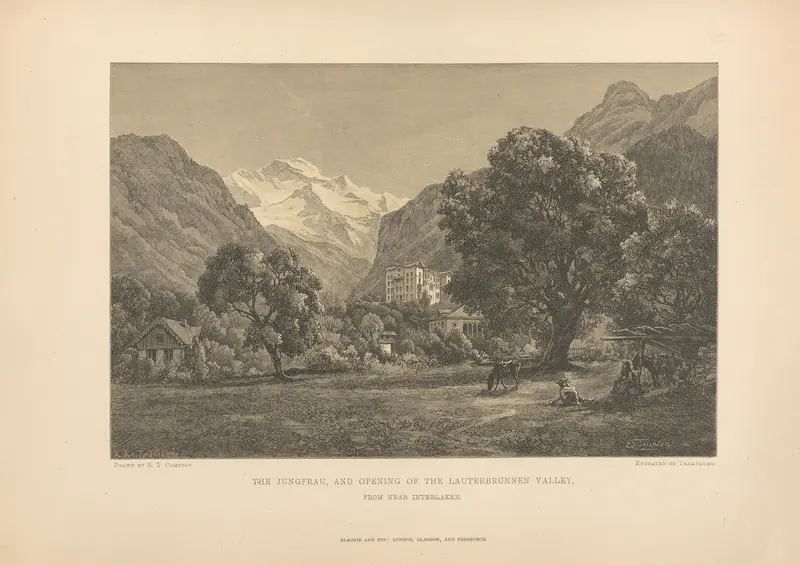
E. T. Compton – The Jungfrau, and Opening of the Lauterbrunnen Valley
Theodor Gsell Fels
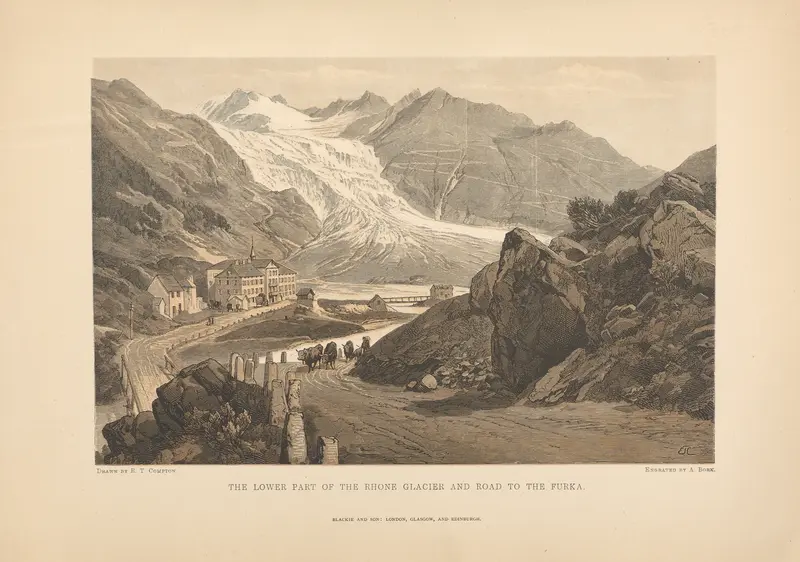
E. T. Compton – The Lower Part of the Rhone Glacier and Road to Furka
Theodor Gsell Fels
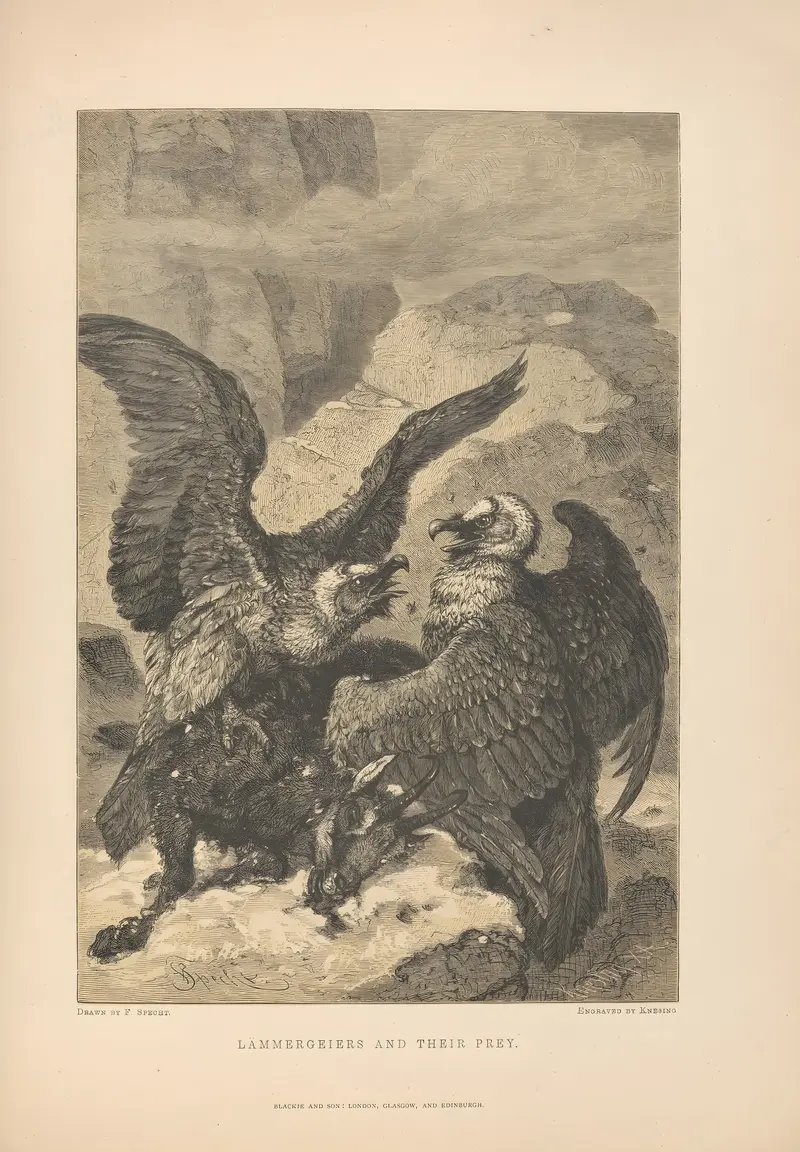
F. Specht – Lammergeiers and their Prey
Theodor Gsell Fels
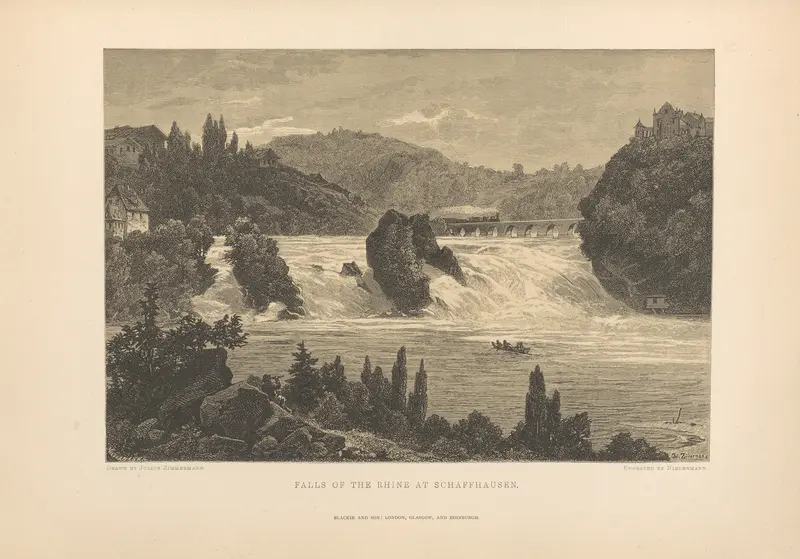
Julius Zimmermann – Falls of the Rhine at Schaffhausen
Theodor Gsell Fels
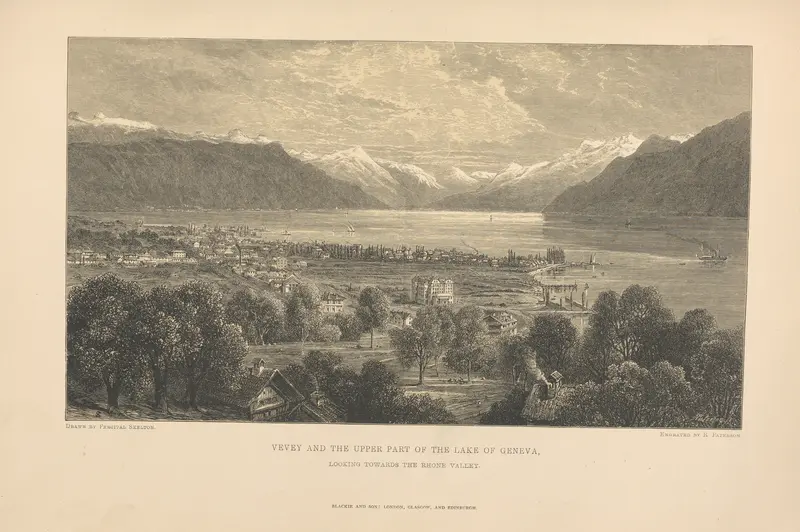
Percival Skelton – Vevay, and the Upper Part of the Lake of Geneva
Theodor Gsell Fels
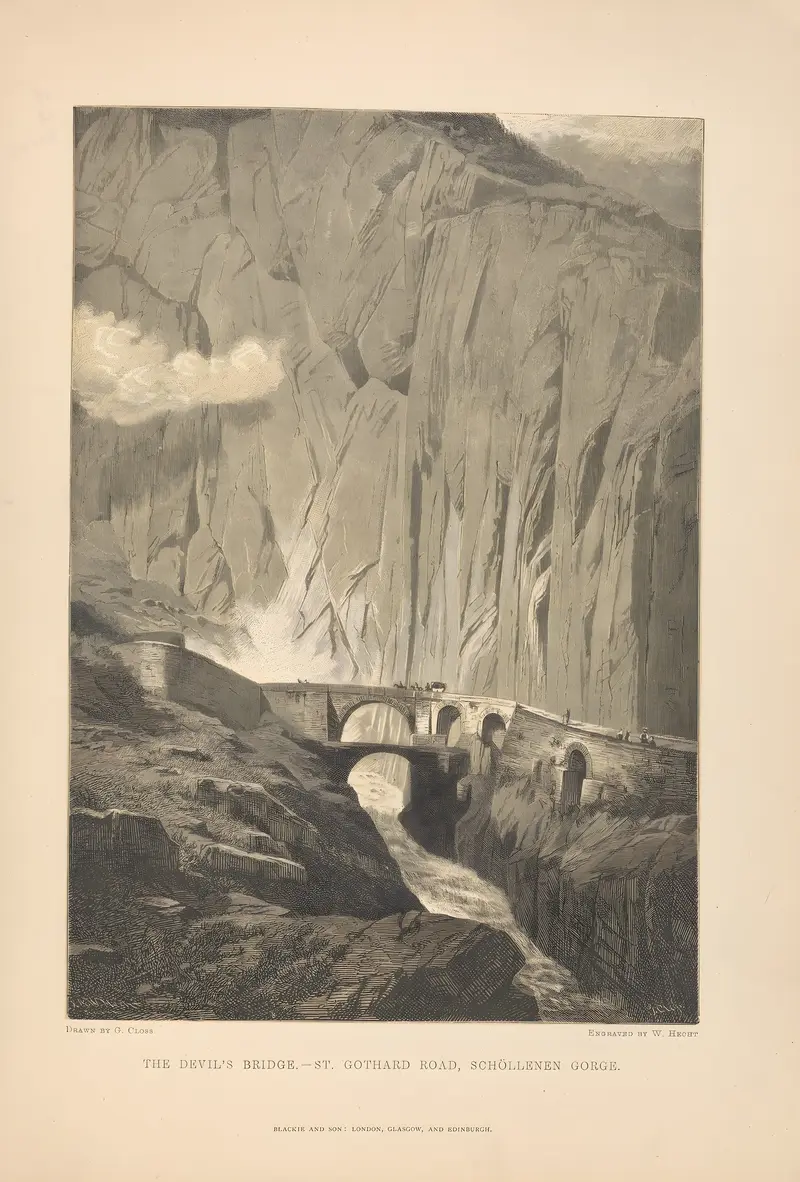
G. Closs – The Devil’s Bridge—St. Gothard Road, Schóllenen Gorge
Theodor Gsell Fels
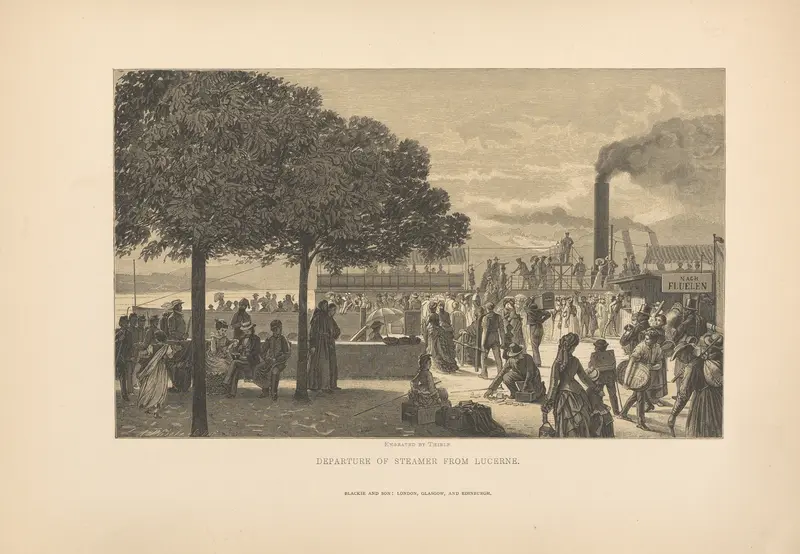
P. Weber – Departure of Steamer from Lucerne
Theodor Gsell Fels
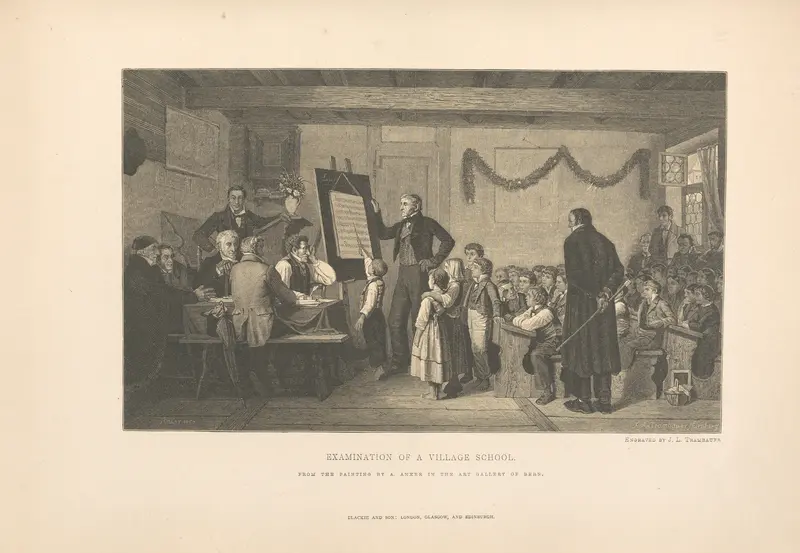
A. Anker – Examination of a Village School
Theodor Gsell Fels
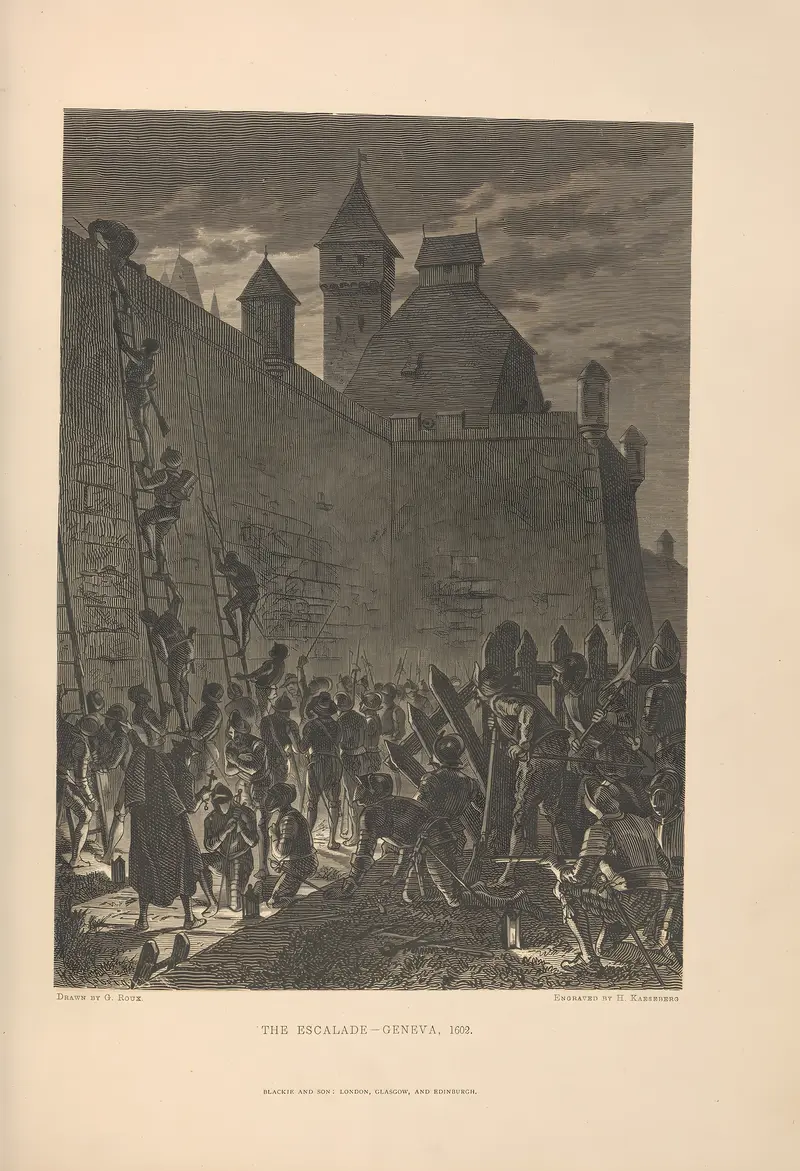
G. Roux – The Escalade, Geneva
Theodor Gsell Fels
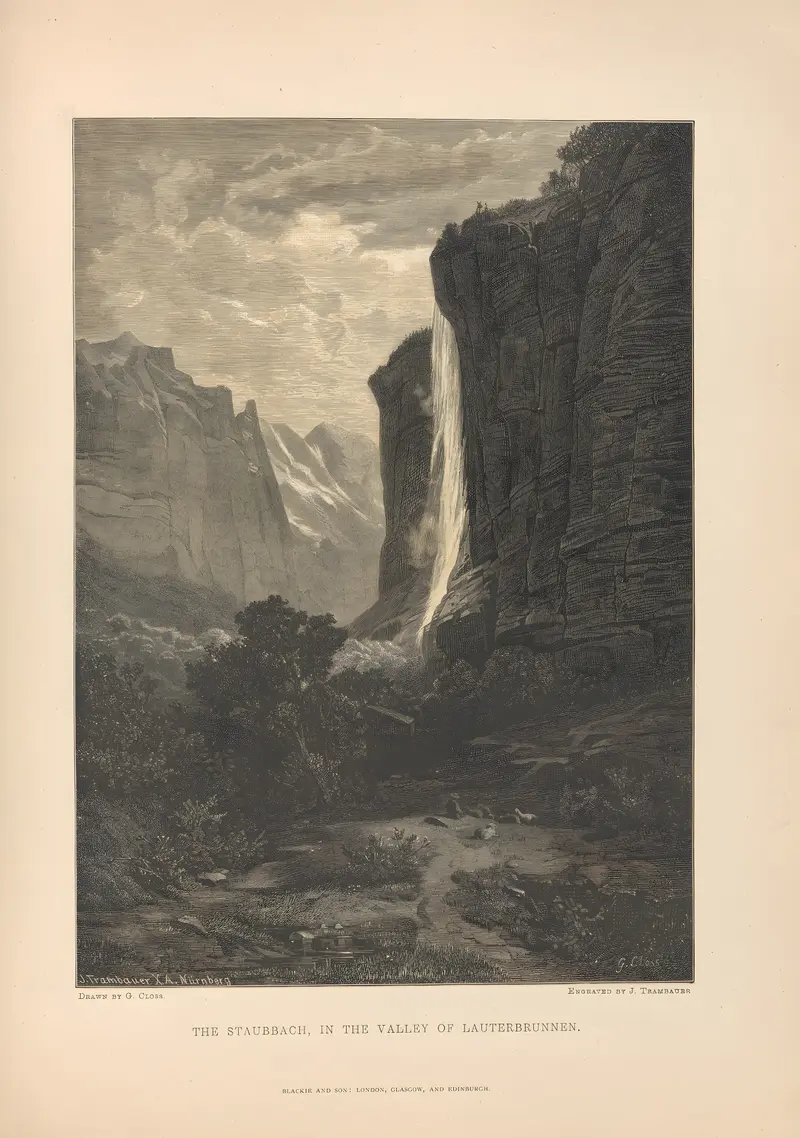
G. Closs – The Staubbach, in the Valley of Lauterbrunnen
Theodor Gsell Fels