Felslandschaft mit Nomadenfamilien — History & Analysis
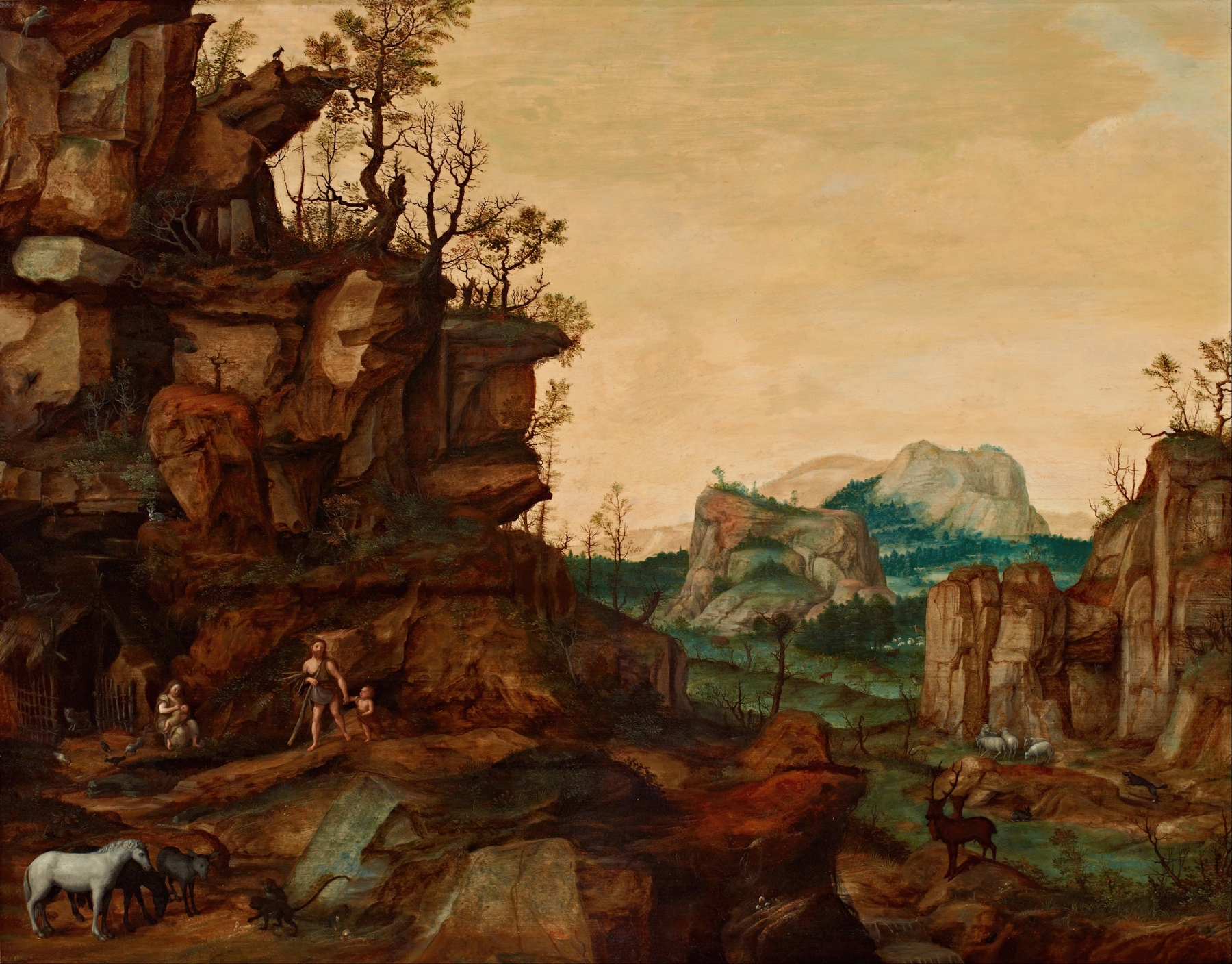
Where does light end, and longing begin? In Felslandschaft mit Nomadenfamilien, a vast expanse unfolds, inviting the soul to wander through its subtle yet profound depths. The delicate interplay of shadow and illumination captures not just a landscape, but the essence of movement—both physical and emotional. Focus on the horizon, where rugged cliffs rise, their textured surfaces reflecting the soft luminosity of the sun.
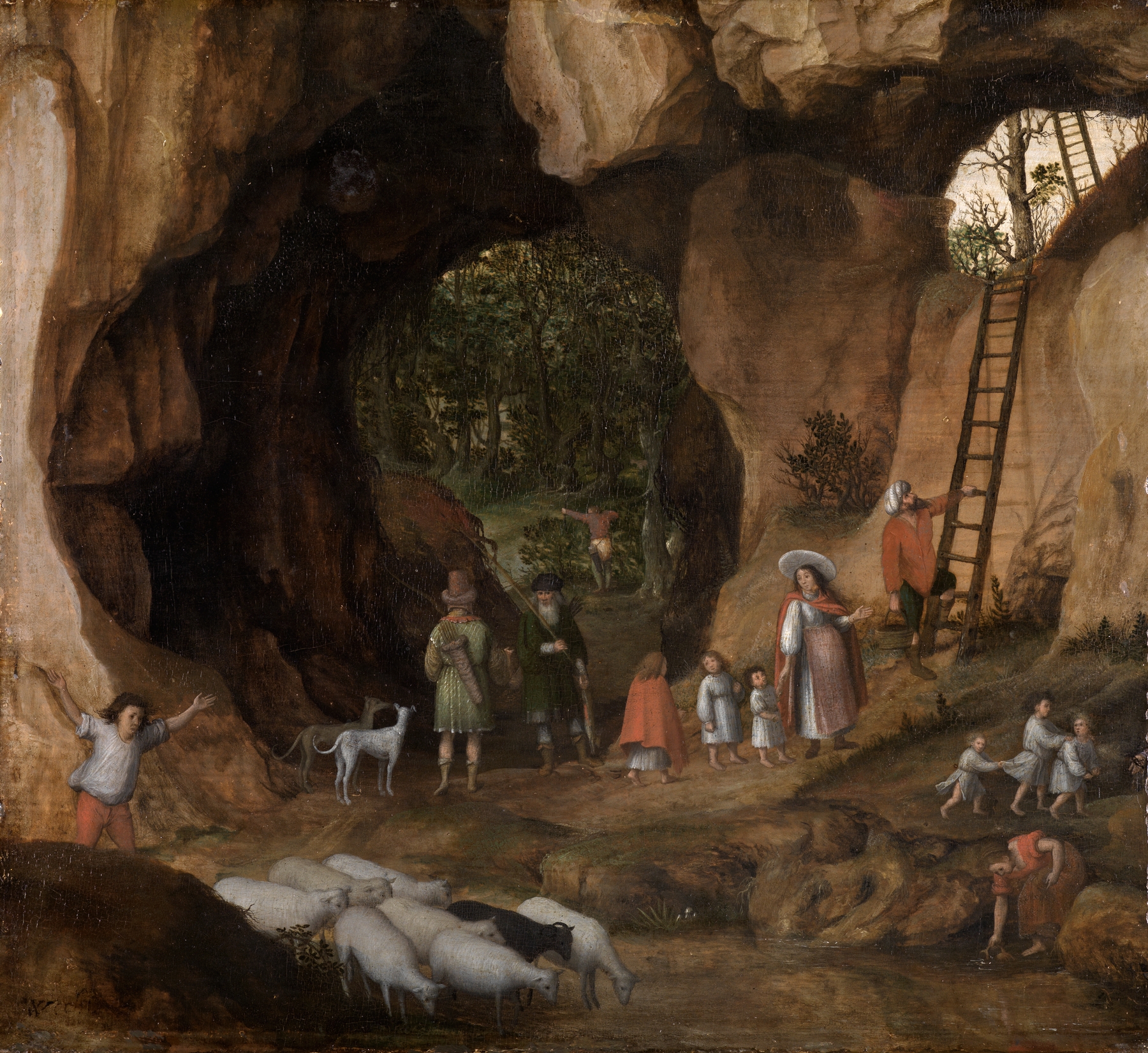
To the left, a nomadic family traverses the terrain, their figures small yet imbued with purpose, suggesting a journey steeped in tradition. Notice how the earthy palette of ochres and greens contrasts with the ethereal quality of the sky, evoking a sense of both grounding and aspiration. Amidst the grandeur of nature, the relationships within the family emerge as a poignant narrative. The way their bodies lean into one another hints at a deep connection, mirroring the strength found in shared experiences.
The rocky outcrops serve as a reminder of the challenges they face, while the gentle curves of the landscape symbolize resilience and continuity, offering solace to their restless spirits. Cornelis van Dalem painted this work during a period marked by a fascination with the natural world and the nomadic lifestyle. His interest in landscapes grew alongside the broader artistic movements of the late 16th century, where the exploration of identity and belonging was becoming increasingly relevant. This piece reflects not only the artist's personal journey but also the collective consciousness of a time grappling with change and movement.