First landing at Gorahama — History & Analysis
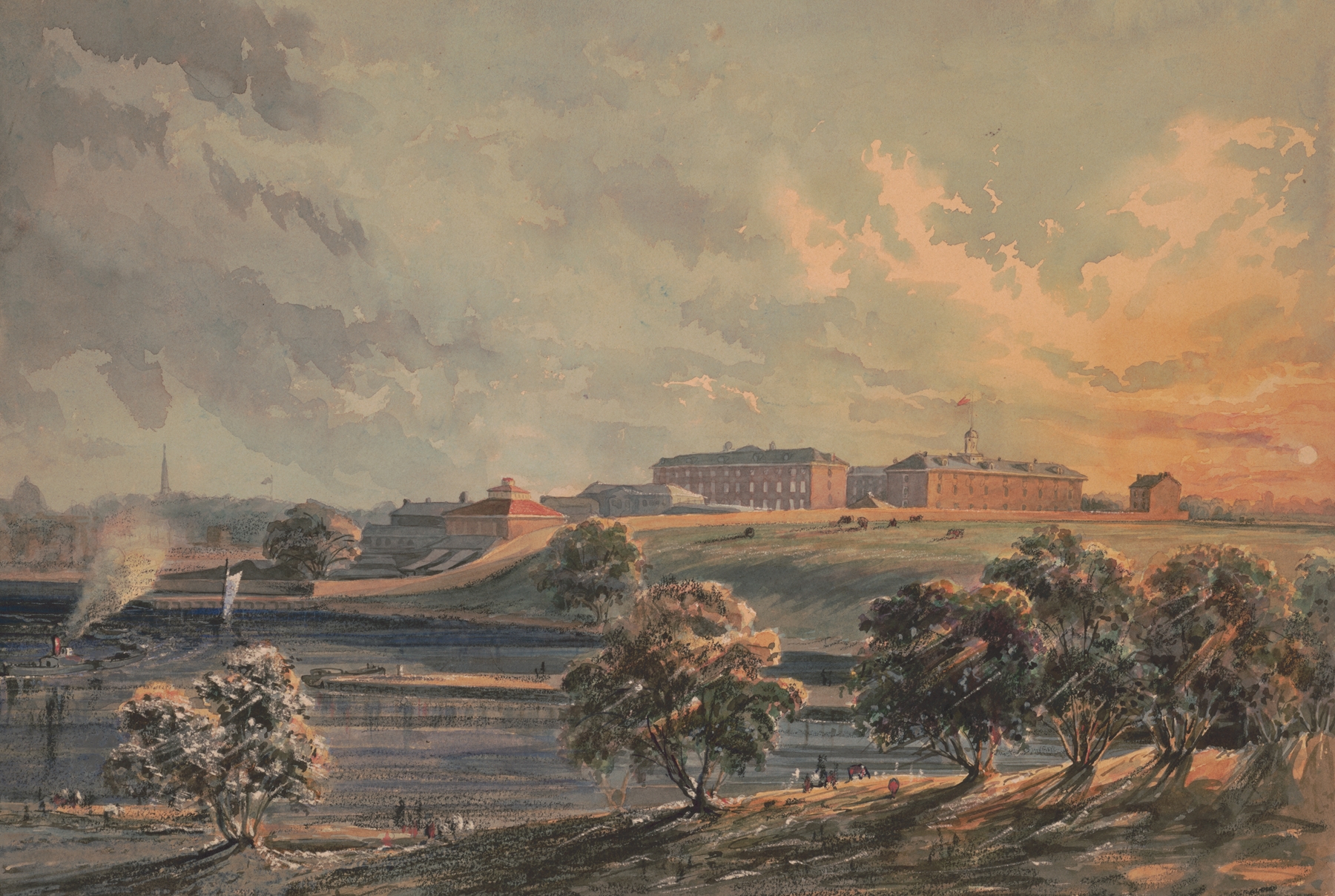
What secret hides in the quiet of the canvas? The stillness of First Landing at Gorahama invites contemplation, beckoning us to explore the layers of memory and longing intertwined within its serene landscape. Look to the left at the gentle crest of the hills, where golden sunlight spills over the horizon. The delicate brushwork captures the soft undulations of the terrain, leading your gaze toward the tranquil waters below.
Notice how the muted palette—subdued greens and browns—evokes a sense of nostalgia, encapsulating a moment suspended in time. Each figure, though small against the vastness of nature, is intricately rendered, hinting at their reverence for the land they’ve just approached. As you delve deeper, the contrasts emerge: the robust figures of the settlers against the delicate backdrop of untouched beauty, symbolizing the clash between the familiar and the unknown. The stillness of the water reflects not just the sky, but perhaps the hopes and fears of those who tread upon its shores for the first time.
There is an emotional weight in the silent communication among the figures, conveying a bittersweet mixture of excitement and trepidation as they step into a new world. James Fuller Queen painted this piece in 1856, during a time when westward expansion was a dominant theme in American life. Having traveled to the Pacific coast, Queen captured not only the physical landscape but also the spirit of exploration that defined an era. At this moment, he was establishing his reputation as a landscape artist, navigating the balance between realism and romanticism in a rapidly changing world.