Fischer bei Mondschein — History & Analysis
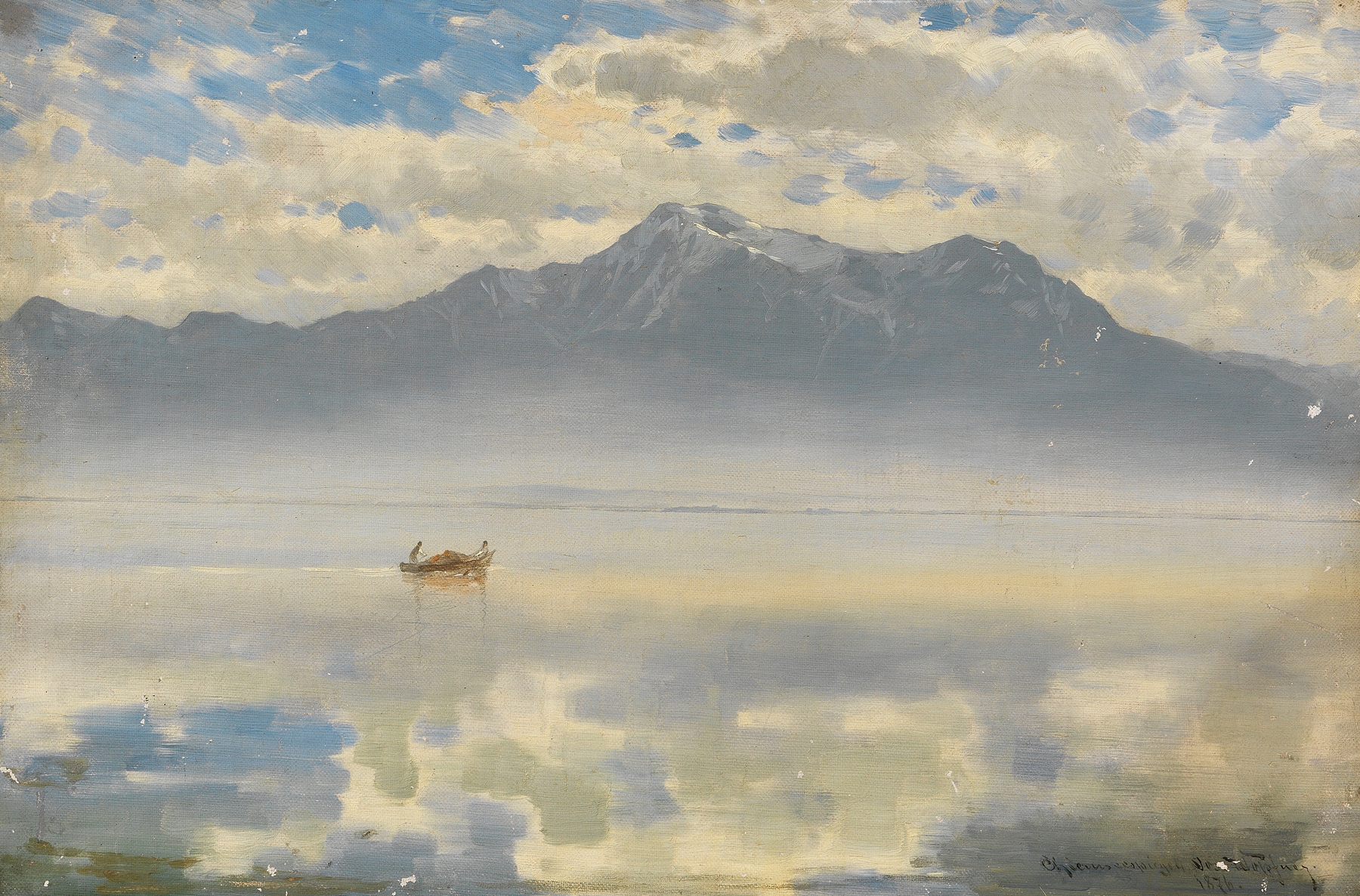
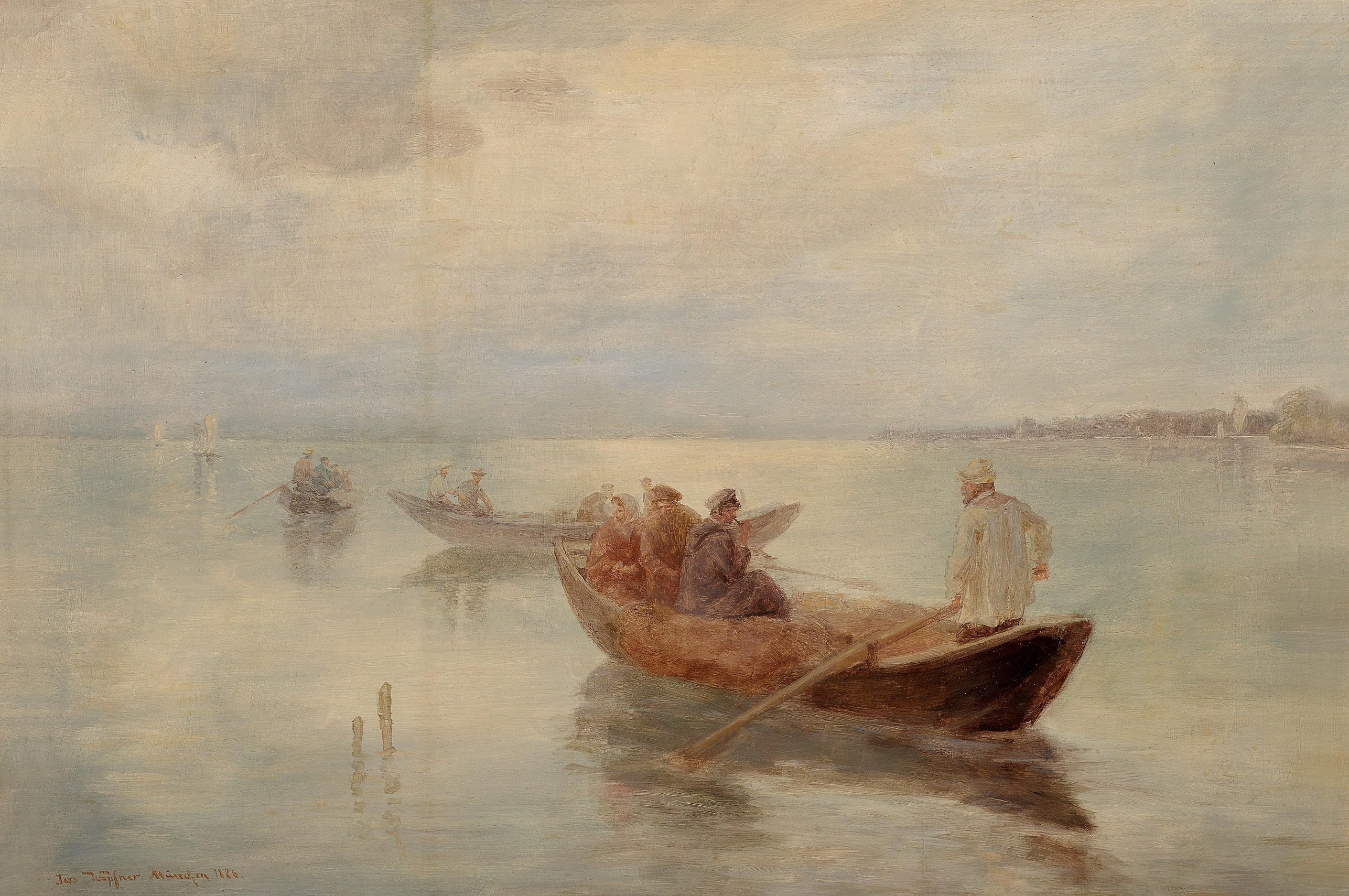
What secret hides in the quiet of the canvas? Beneath the serene surface of moonlight, truth lingers, beckoning the viewer to explore its depths. Look to the left at the gentle curve of the river, which reflects the soft silvery glow of the moon above. Notice how the brushwork captures the rippling water, creating a fluidity that contrasts with the stillness of the surrounding landscape. The dark silhouettes of trees frame the scene, their shapes both stark and comforting, drawing the eye toward the lone fisherman casting his line in the tranquil waters.
Each stroke seems deliberate, inviting contemplation and evoking a sense of peace that envelops the viewer. In this artwork, the contrast between the light and shadow reveals an emotional tension. The moonlight serves as a metaphor for hope, illuminating the fisherman’s solitary endeavor, while the enveloping darkness hints at the mysteries of the night and the secrets that dwell within. The stillness of the scene belies an unspoken narrative—perhaps a longing for connection or an escape from the chaos of everyday life.
The viewer is left to ponder the relationship between solitude and serenity, truth and introspection. Joseph Wopfner painted this evocative piece during the years 1915 to 1920, a period marked by the shadows of World War I and the profound changes it wrought in society and art. Living in Germany, Wopfner was influenced by the prevailing movements of expressionism and realism, reflecting a world grappling with loss and transformation. The calmness of Fischer bei Mondschein serves as both a respite and a commentary on the emotional landscape of his time, a contemplative moment captured amidst the turmoil.