Fishing Boats on Shore (The Shore, Unloading a Fishing Smack) — History & Analysis
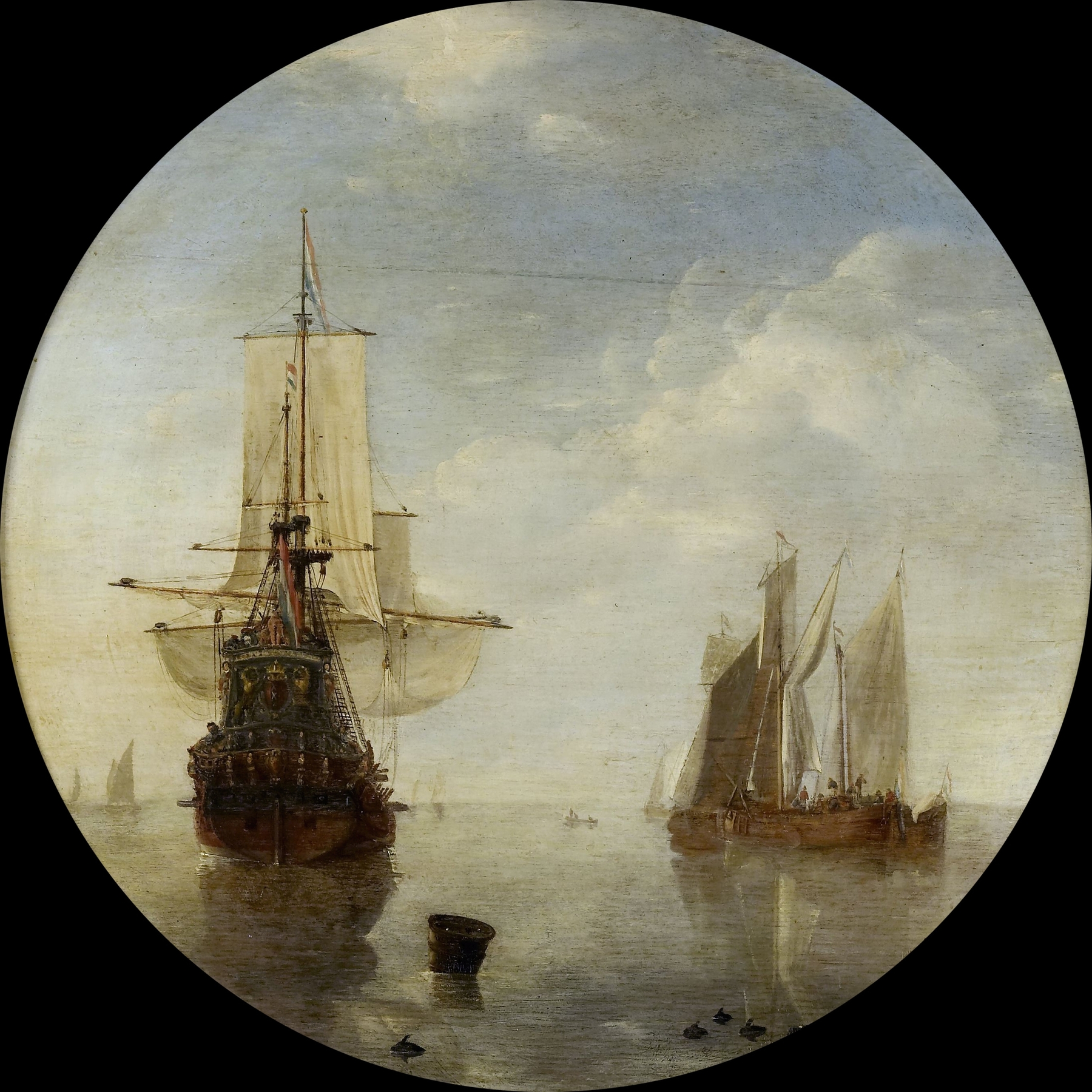
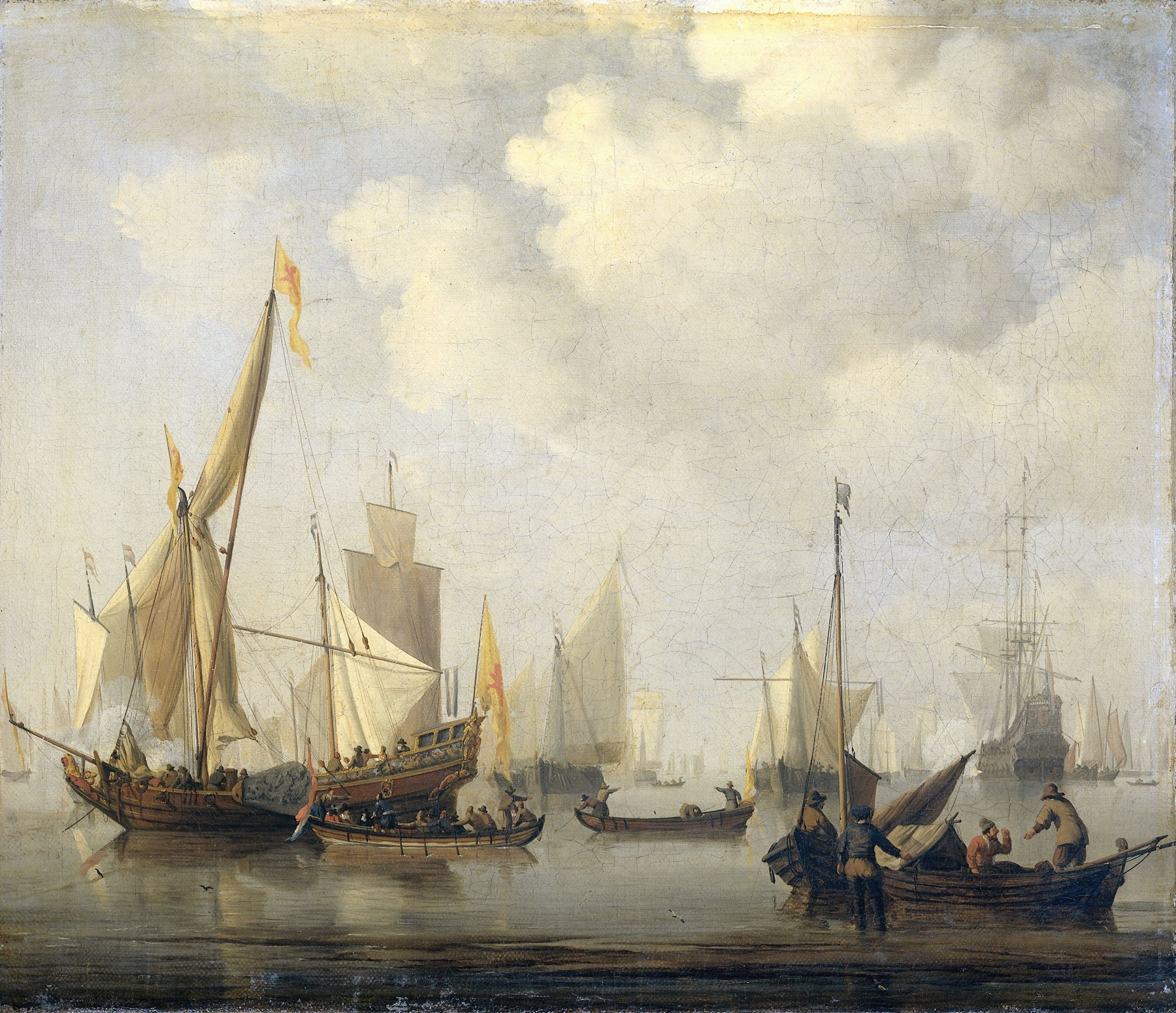
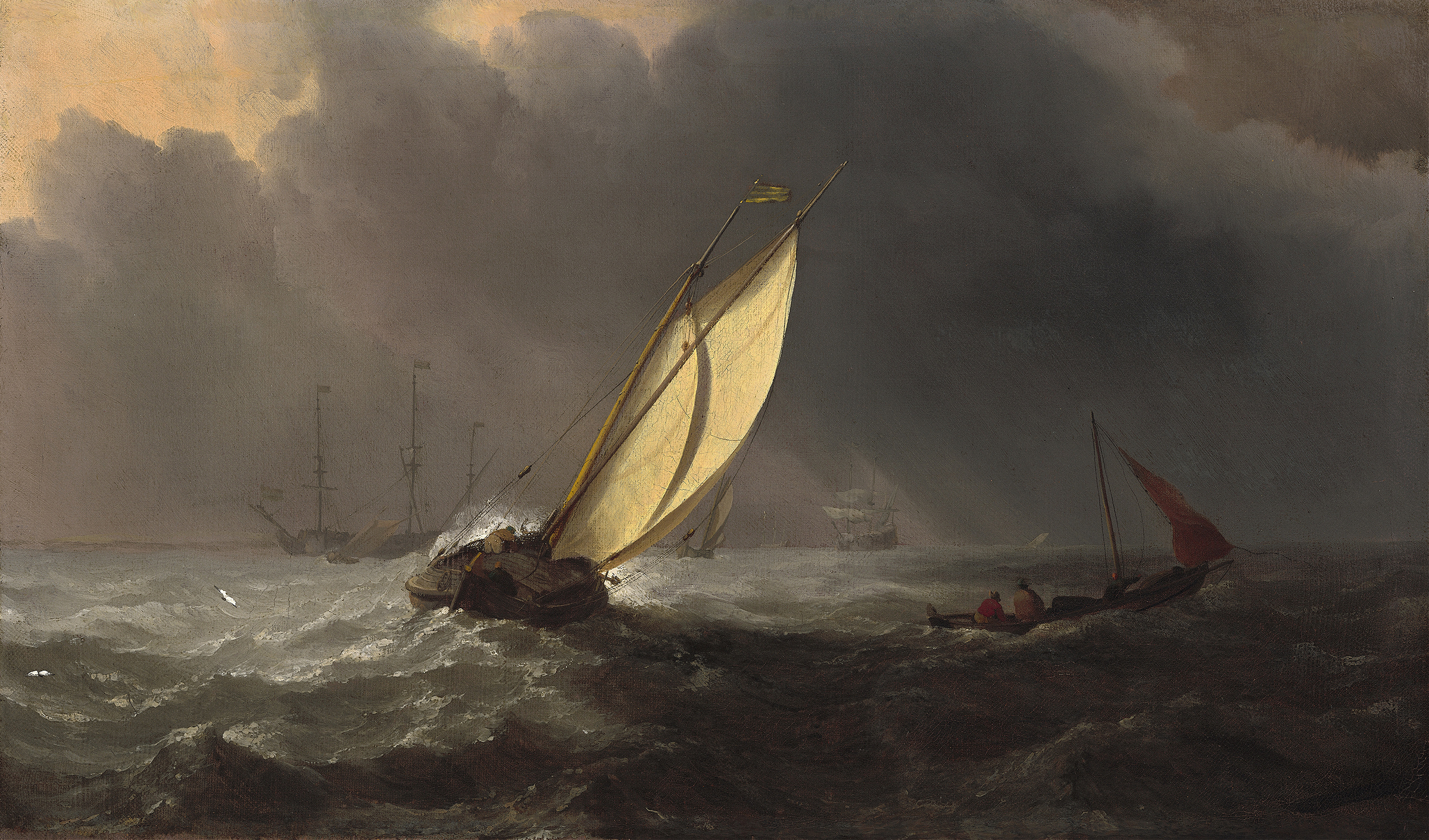
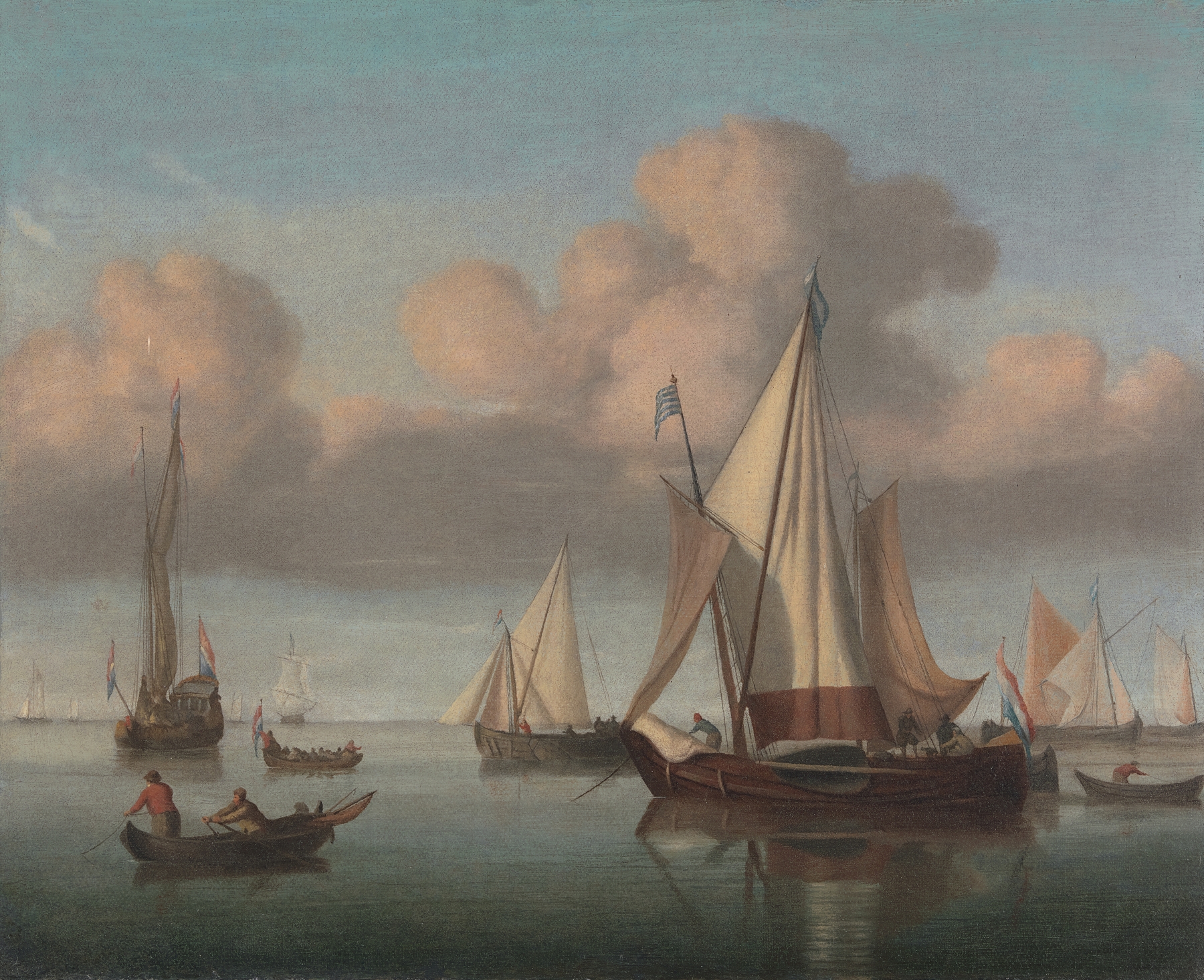
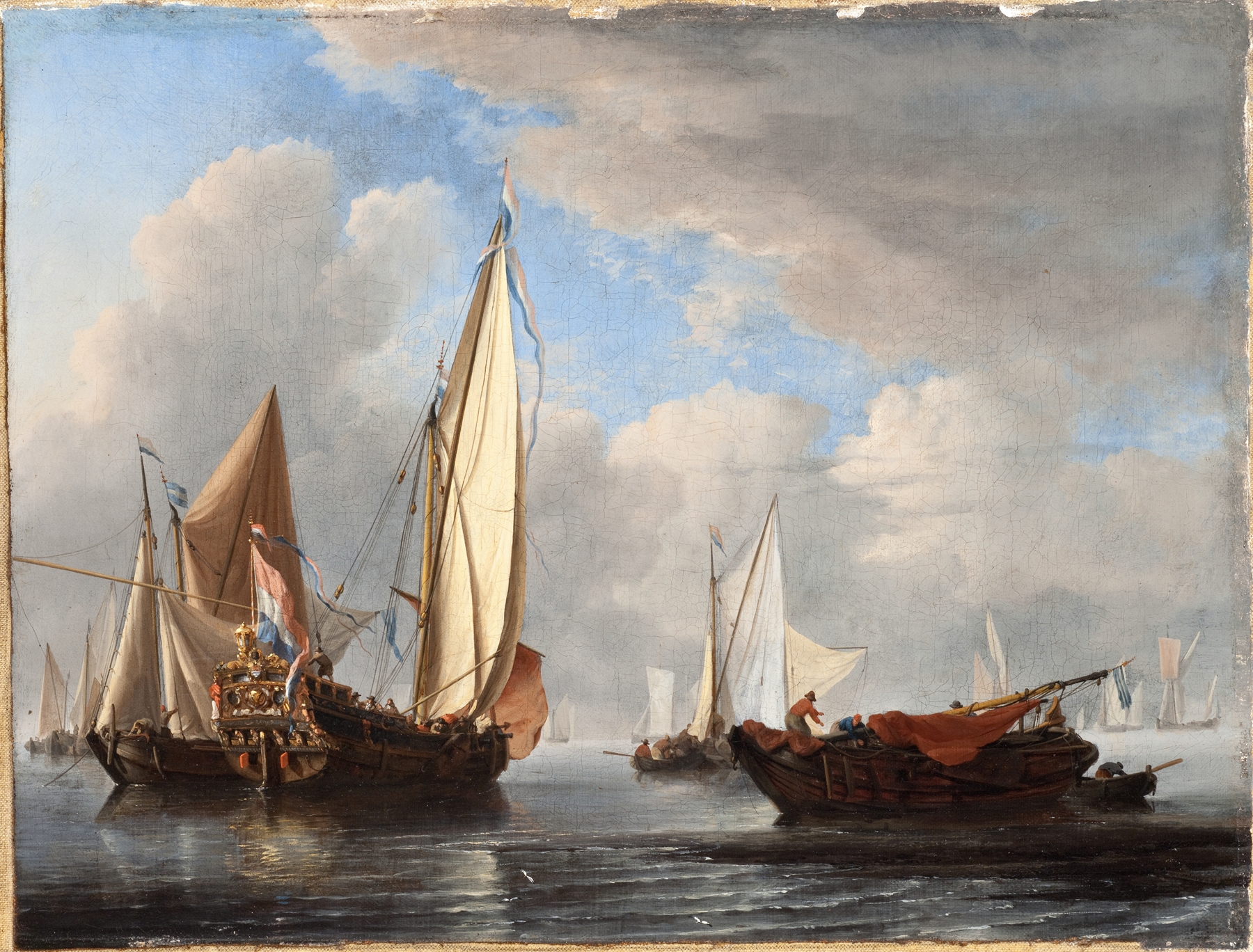
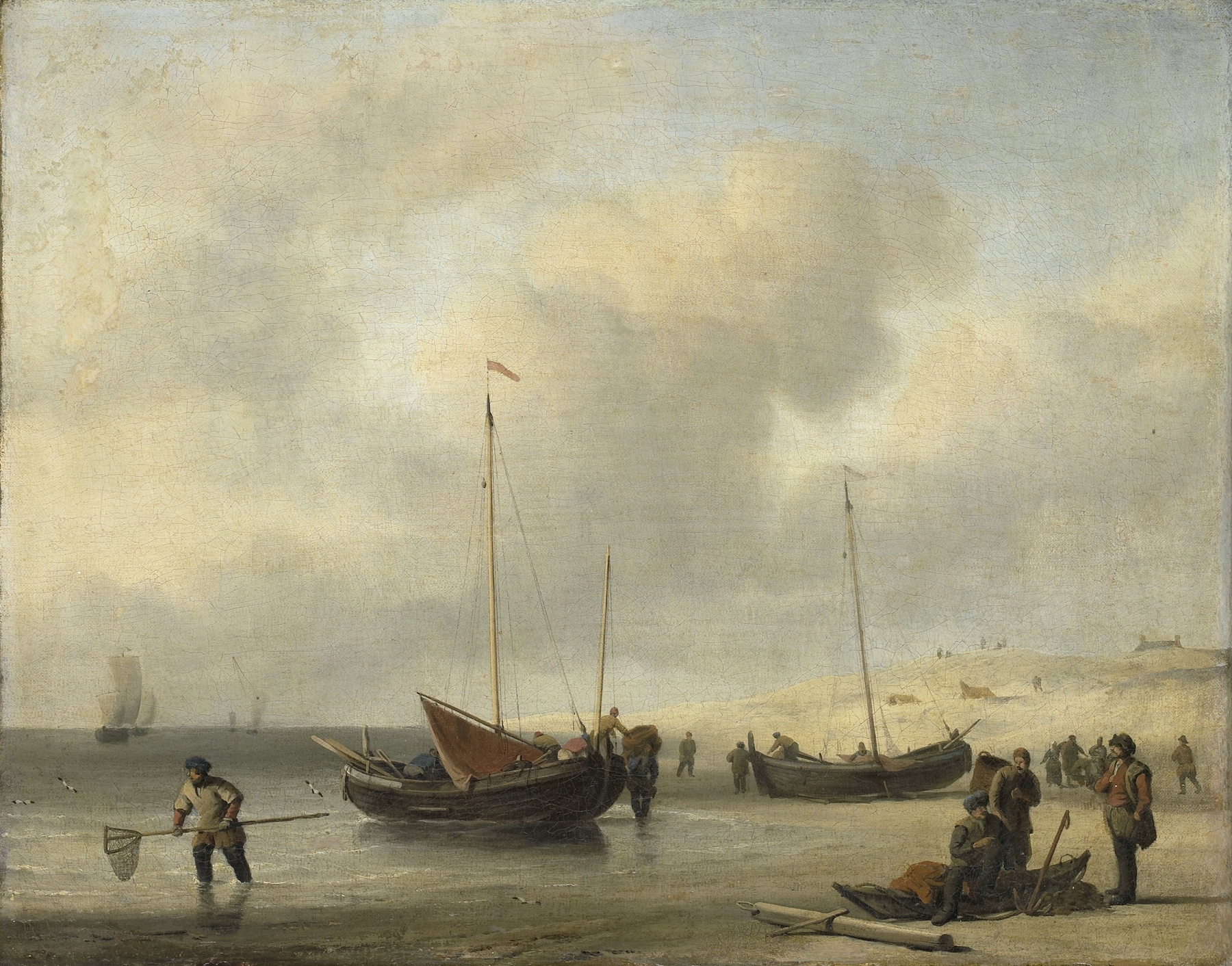
Is this a mirror — or a memory? In the tranquil embrace of the Dutch coastline, the scene invites reflection on the passage of time and the ebb and flow of life, as fishing boats rest upon the shore, their presence both a promise of sustenance and a reminder of the inevitable transformation that nature brings. Look to the center of the canvas where the elegantly crafted boats lie in quiet repose, their hulls a rich palette of ochre and deep blue. Notice how the soft light bathes the scene, tracing the gentle curves of the boats and casting delicate shadows upon the sandy beach.
The composition balances the boats and the figures working diligently to unload their morning catch, creating a harmony that speaks to the interconnectedness of humanity and the sea. Beneath the surface, deeper narratives unfold. The boats, seemingly still, reflect a tension between labor and rest, symbolizing the cycle of dependency on nature and the fleeting moments of tranquility. The figures, though small in scale, are filled with vigor, their gestures suggesting urgency and purpose—a testament to the relentless pursuit of sustenance against the serene backdrop of the ever-changing tide.
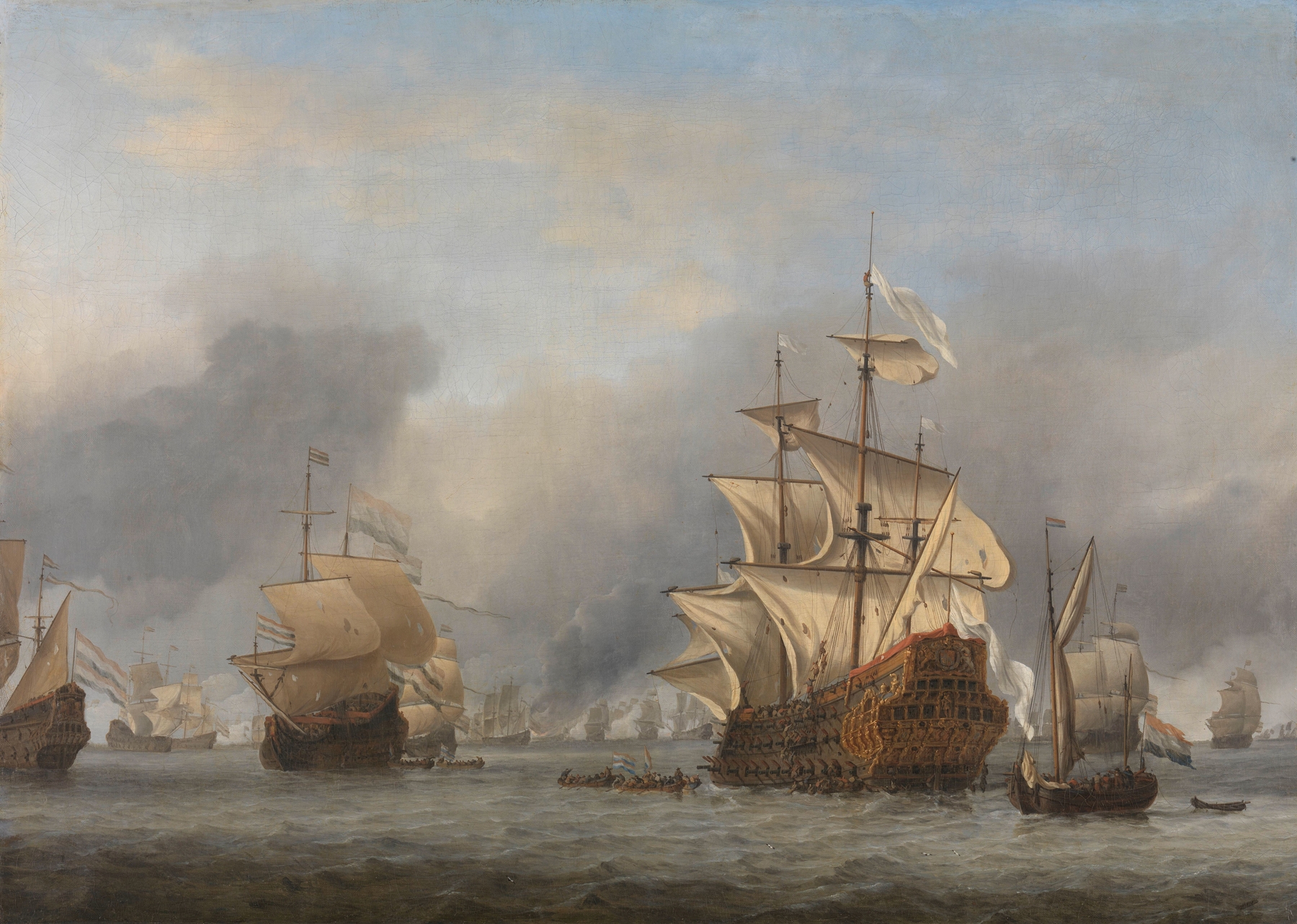
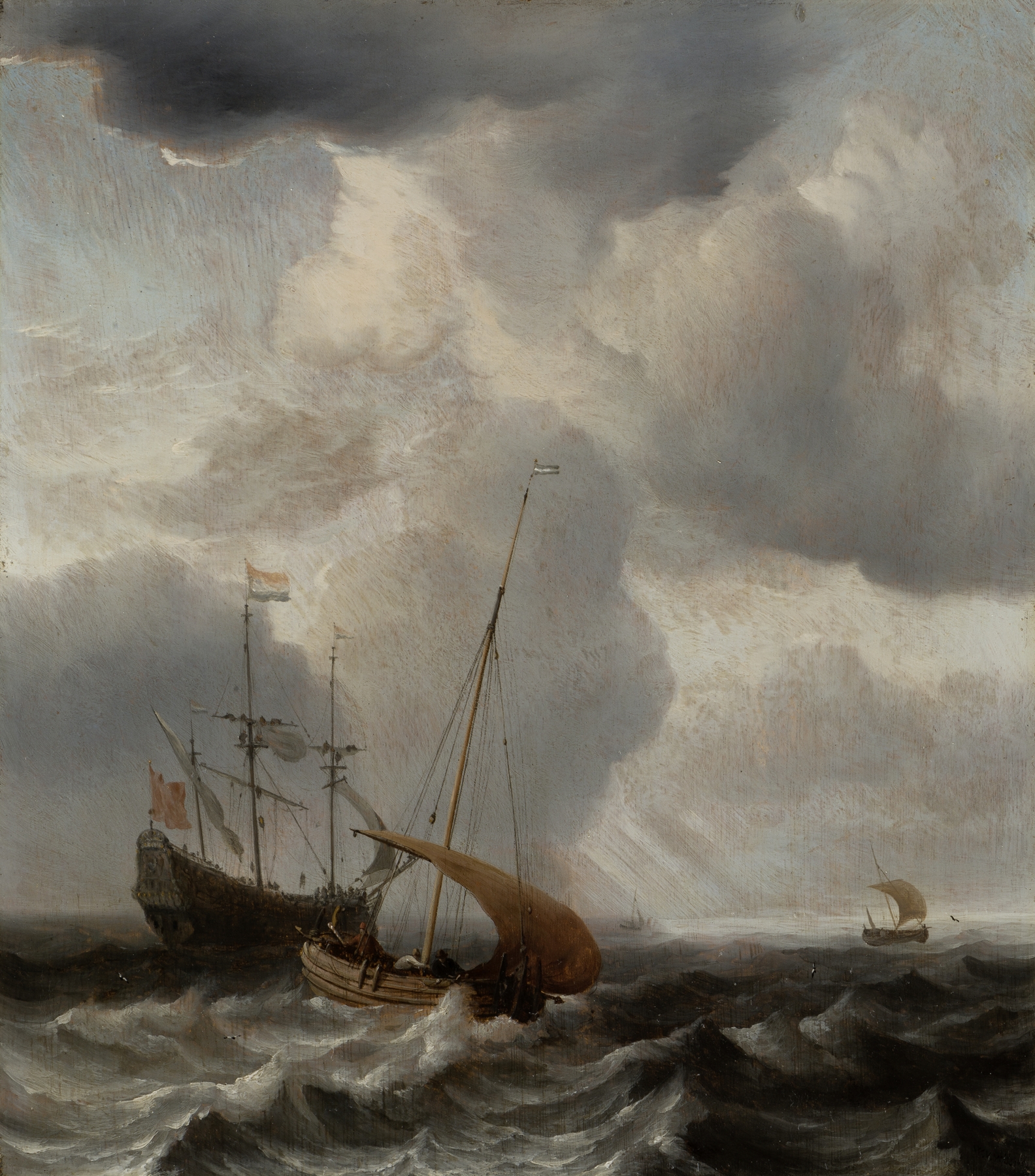
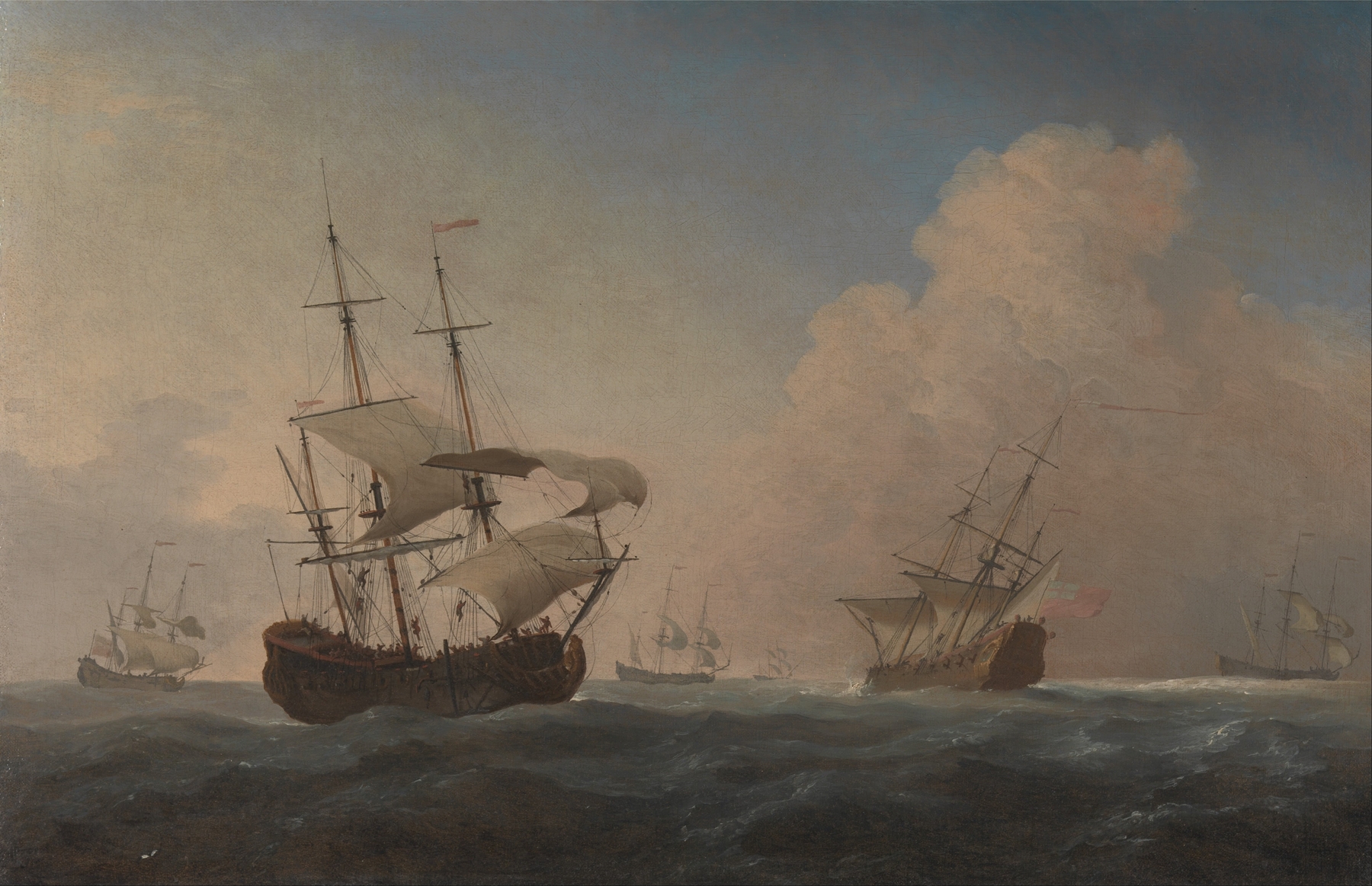
This delicate interplay hints at the broader themes of transformation, as the day’s labor gives way to the promise of the evening. During the late 17th century, when this piece was painted, Willem van de Velde the Younger was established as a leading marine artist in the Netherlands. Working in Amsterdam, he captured the essence of maritime life during an era marked by economic expansion and a burgeoning interest in seafaring expeditions. His focus on the intimate relationship between man and the sea resonated with the Dutch spirit of exploration and trade, affirming his legacy as a chronicler of maritime history.