Fishing in Springtime — History & Analysis
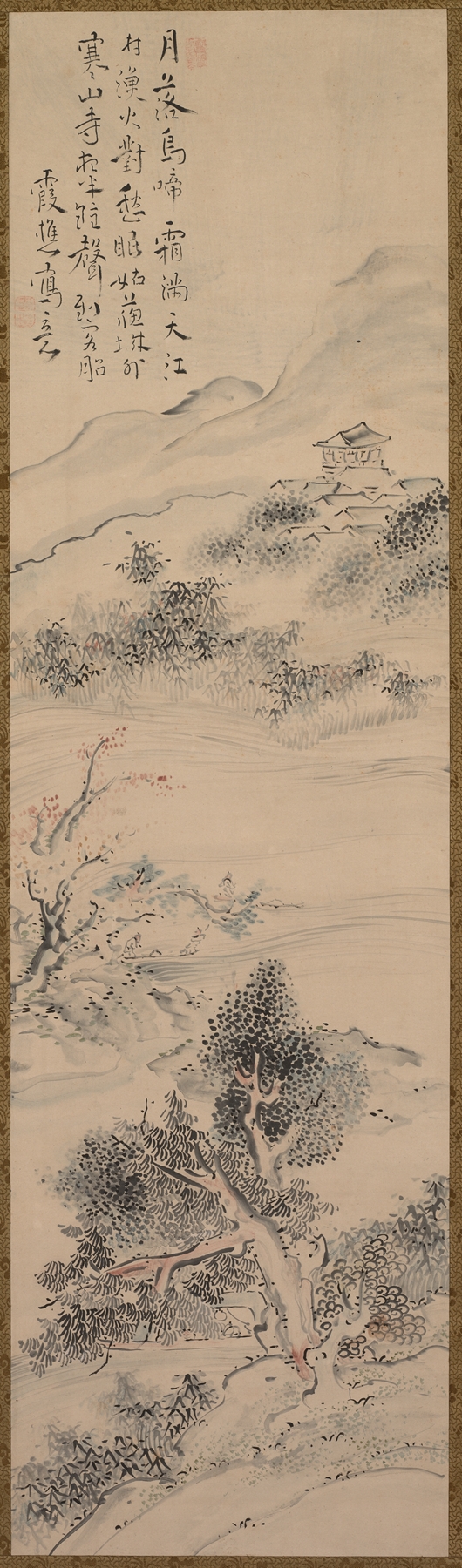
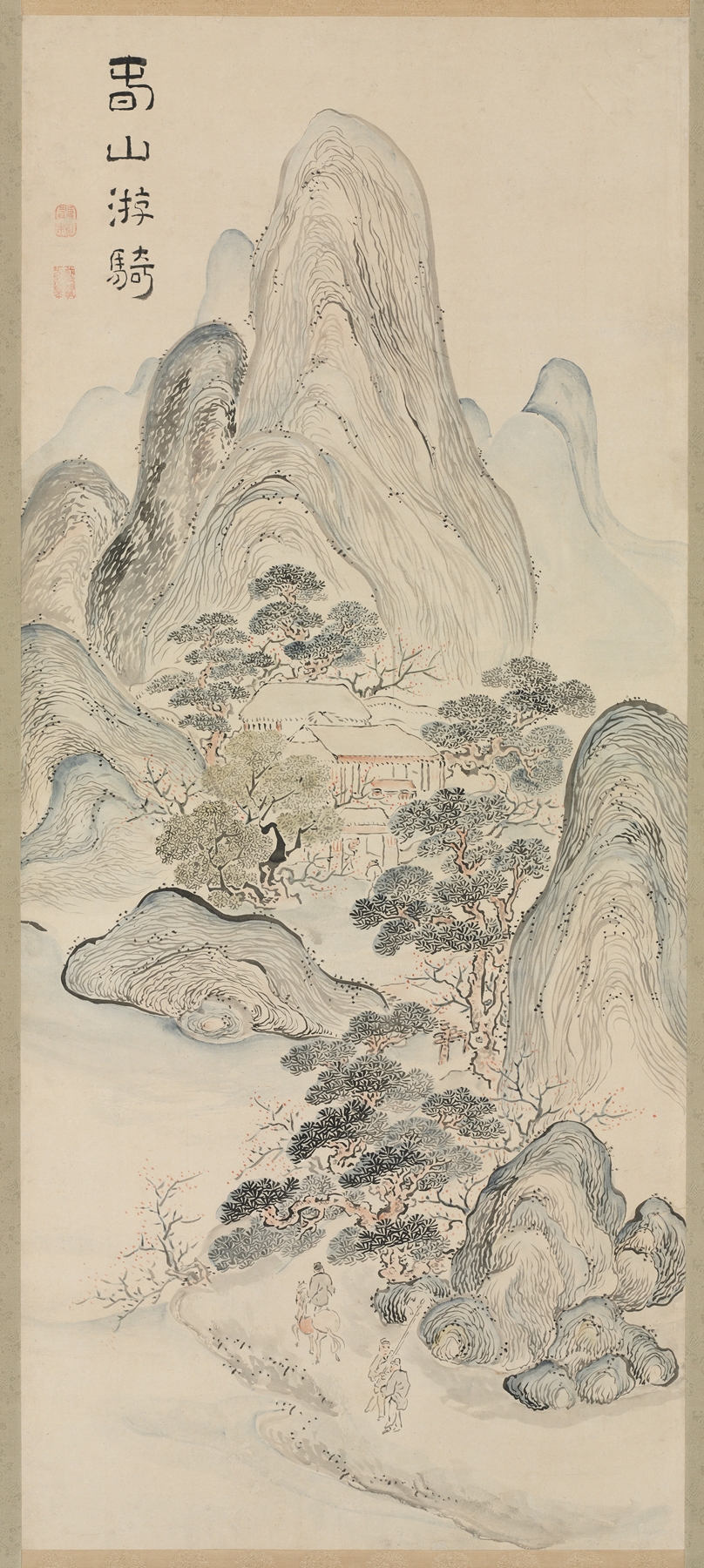
“Under the brush, chaos becomes grace.” In the delicate strokes of a master, a world of tumult transforms into serene beauty, inviting us to explore its layered depths. Look to the center, where the gentle ripples of water reflect a mosaic of colors. Notice how the artist employs soft blues and greens, juxtaposed against the more vibrant hues of blooming flowers that frame the scene. The careful arrangement of nature's elements creates a harmonious balance, drawing the viewer's gaze across the canvas as if guided by the flow of the stream itself.
The fine detailing in the fish and the plants reveals a commitment to realism, yet the overall composition maintains an ethereal quality, evoking a sense of tranquility. Beneath the surface, an intricate dance of chaos lies hidden. The small fish darting beneath the water's surface suggest a moment of frenetic energy, contrasting sharply with the stillness above. The flowers, both vibrant and fragile, symbolize the transient nature of beauty and life itself.
Each brushstroke carries an emotional weight, reminding us that amidst the chaos of existence, there exists the potential for grace and harmony. In the 1700s, Taiga painted this piece during a time of significant change in Japan, as the Edo period flourished and traditional art forms began to evolve. Working in Kyoto, he became well-known for his integration of Chinese influences into Japanese aesthetics, establishing a bridge between the two cultures. This piece reflects not only his mastery of technique but also a deeper philosophical contemplation of life’s complexities, encapsulating the essence of his artistic journey.