Illustration of Zhang Qi’s Poem on the Cold Mountain Temple — History & Analysis
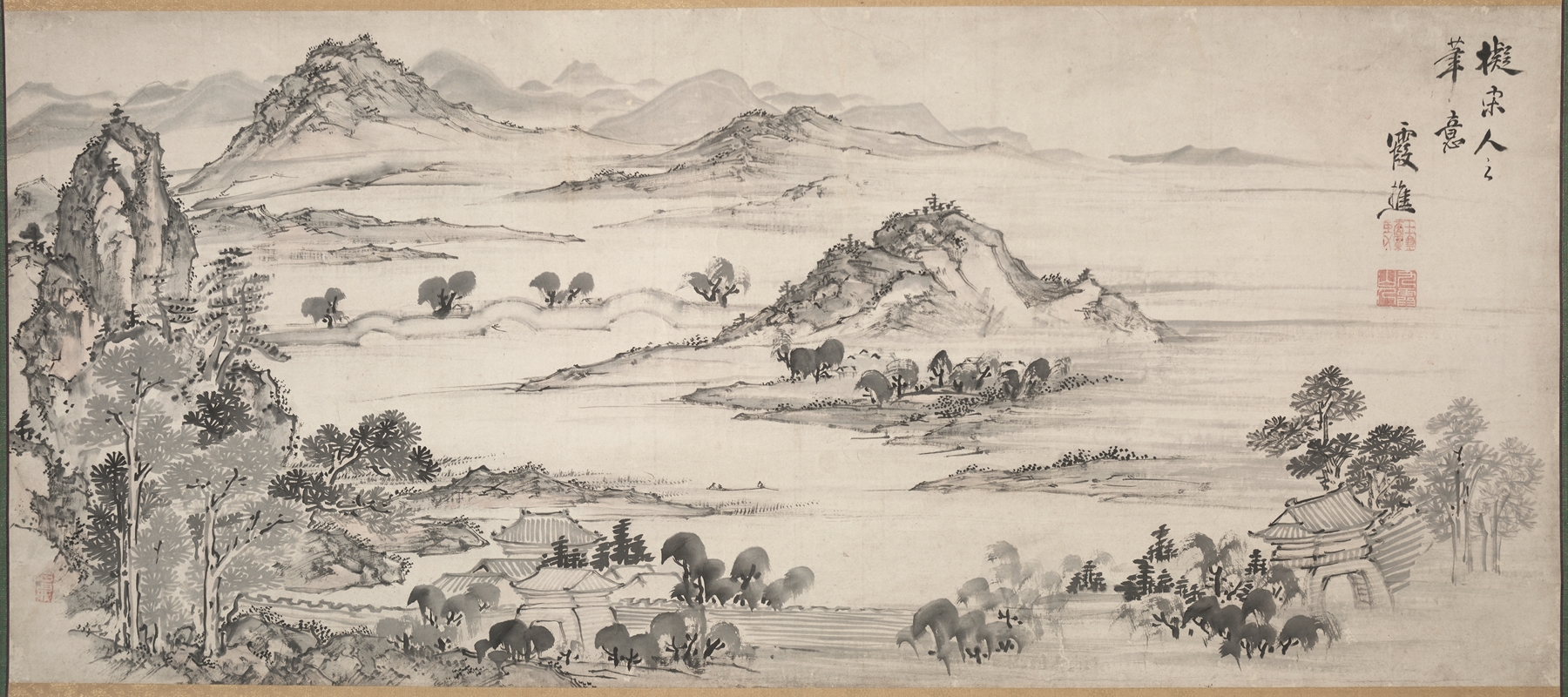
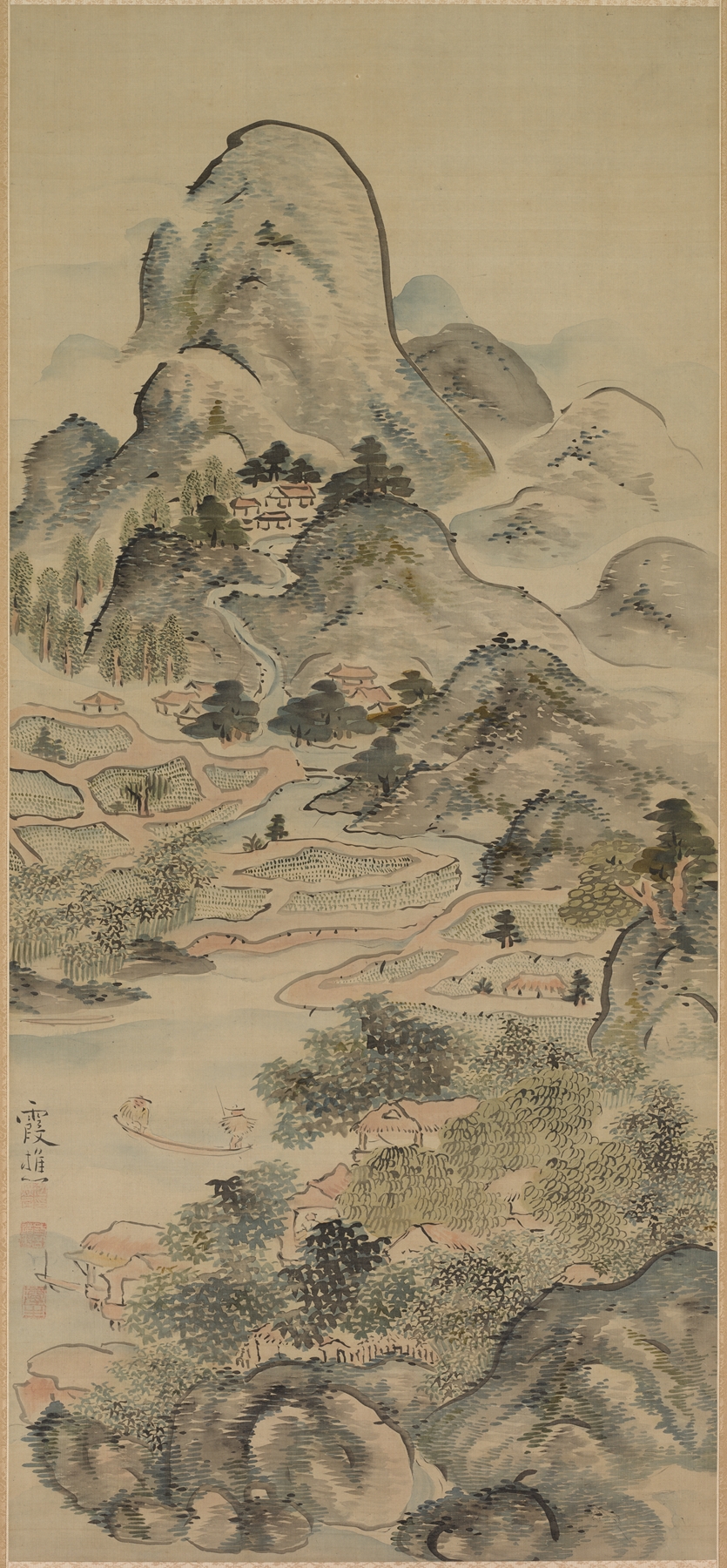
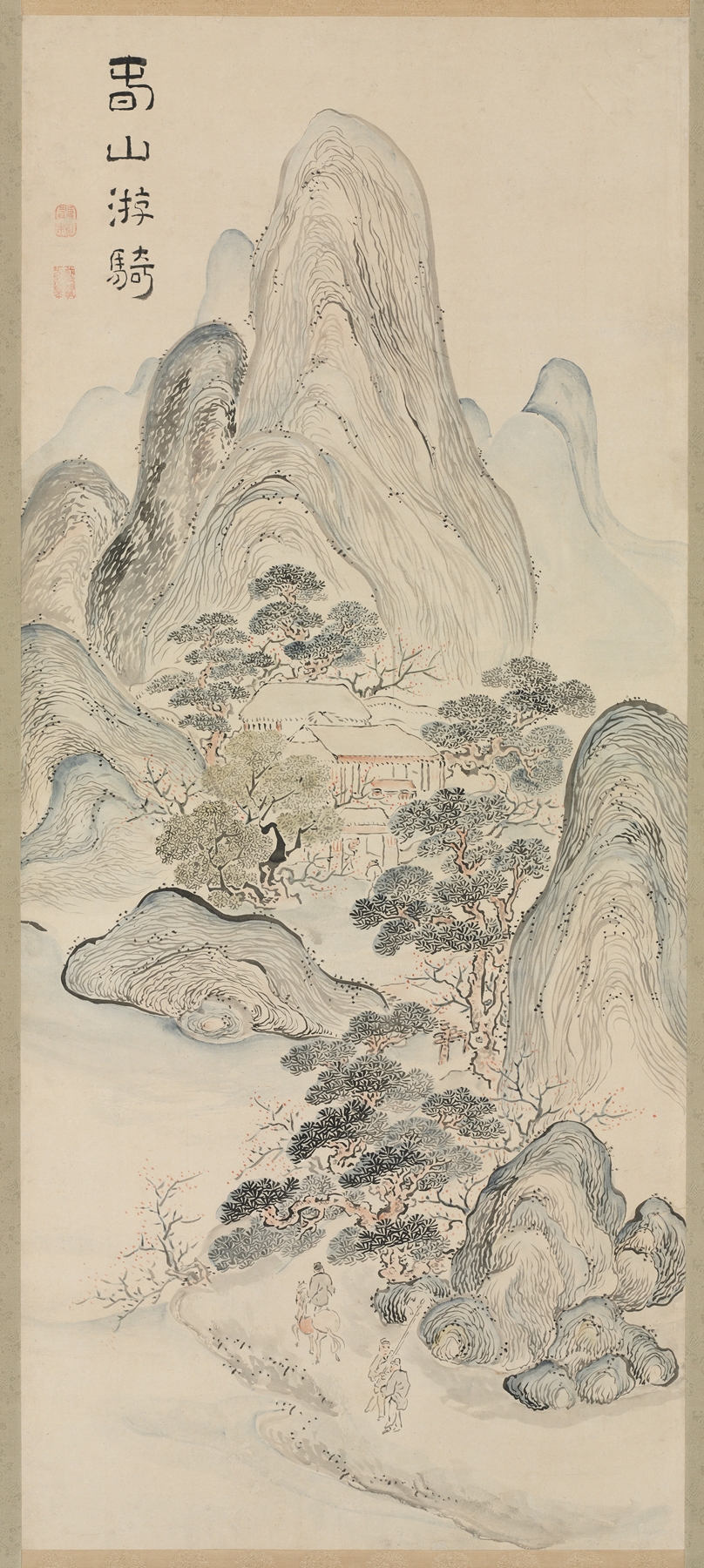
Could a single brushstroke hold eternity? In the delicate balance of ink and paper, the fleeting nature of life is captured, inviting contemplations on mortality and the passage of time. Focus first on the serene interplay of brushstrokes that define the temple nestled among the rugged mountains. The subtle gradations of ink reveal the soft contours of stone and foliage, while a gentle mist envelops the scene, giving it an ethereal quality.
Notice how the artist employs shading to create depth, allowing the viewer's eye to wander through the tranquil landscape, from the towering peaks down to the humble structure that seems to breathe with history. As you explore the artwork, the contrasts between permanence and transience emerge. The cold mountain temple serves as a metaphor for spiritual refuge amidst life’s impermanence, while the swirling clouds suggest the ever-changing nature of existence.
Each element, from the towering pines to the distant mountains, embodies the harmony between man and nature, evoking a profound sense of peace that coexists with the inevitable passage of time. Ike Taiga created this artwork during the mid to late 1700s, a period when Japan was experiencing a cultural resurgence in art and literature, notably the rise of ukiyo-e and the exploration of the natural world. Living in a time marked by societal changes and the pursuit of simplicity in aesthetics, the artist reflected these themes in his work, encapsulating the contemplative spirit of Zen Buddhism, which was deeply intertwined with his creative process.