Spring Landscape — History & Analysis
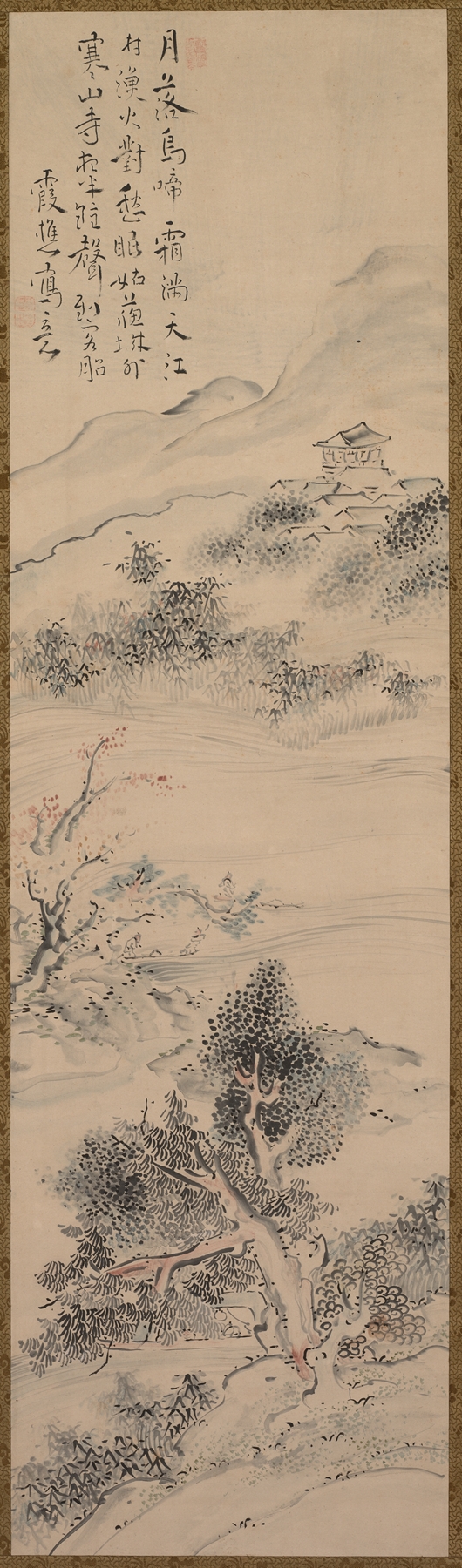
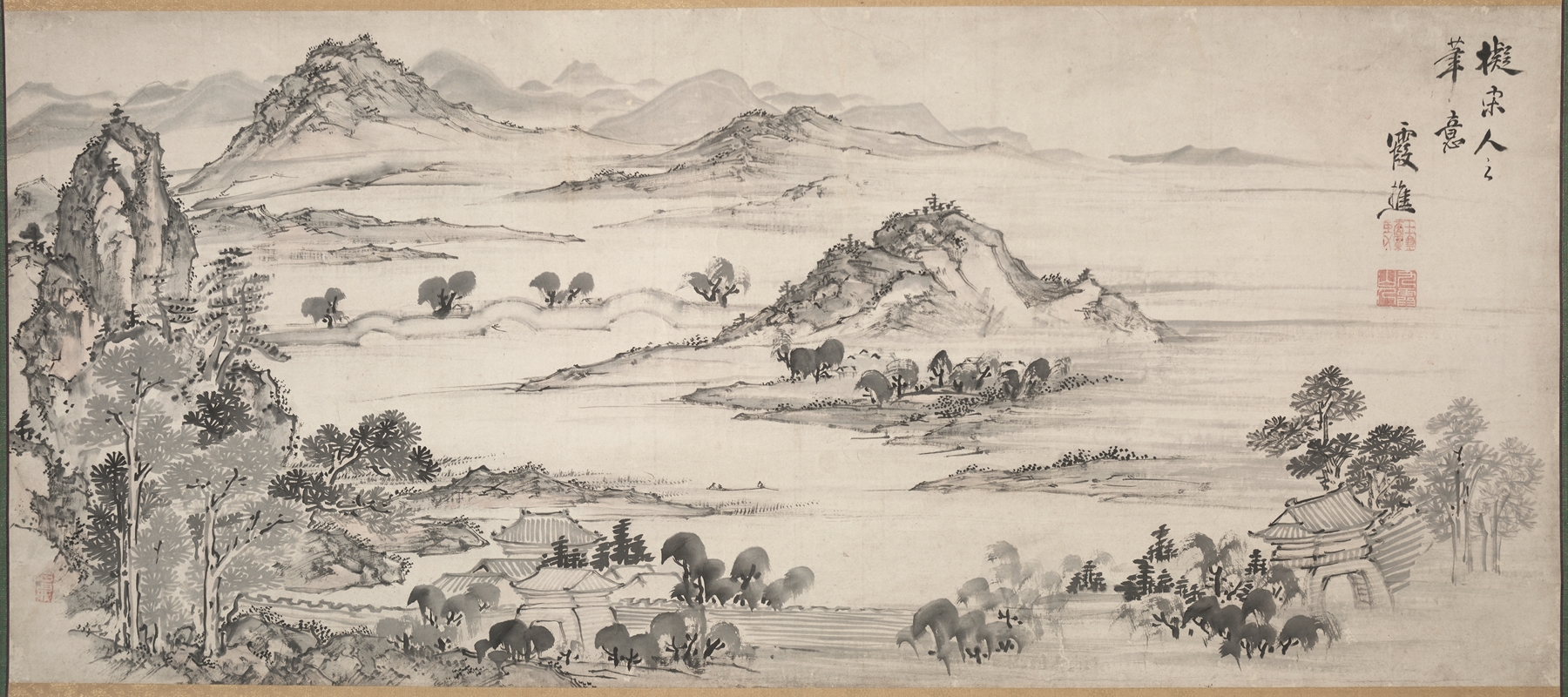
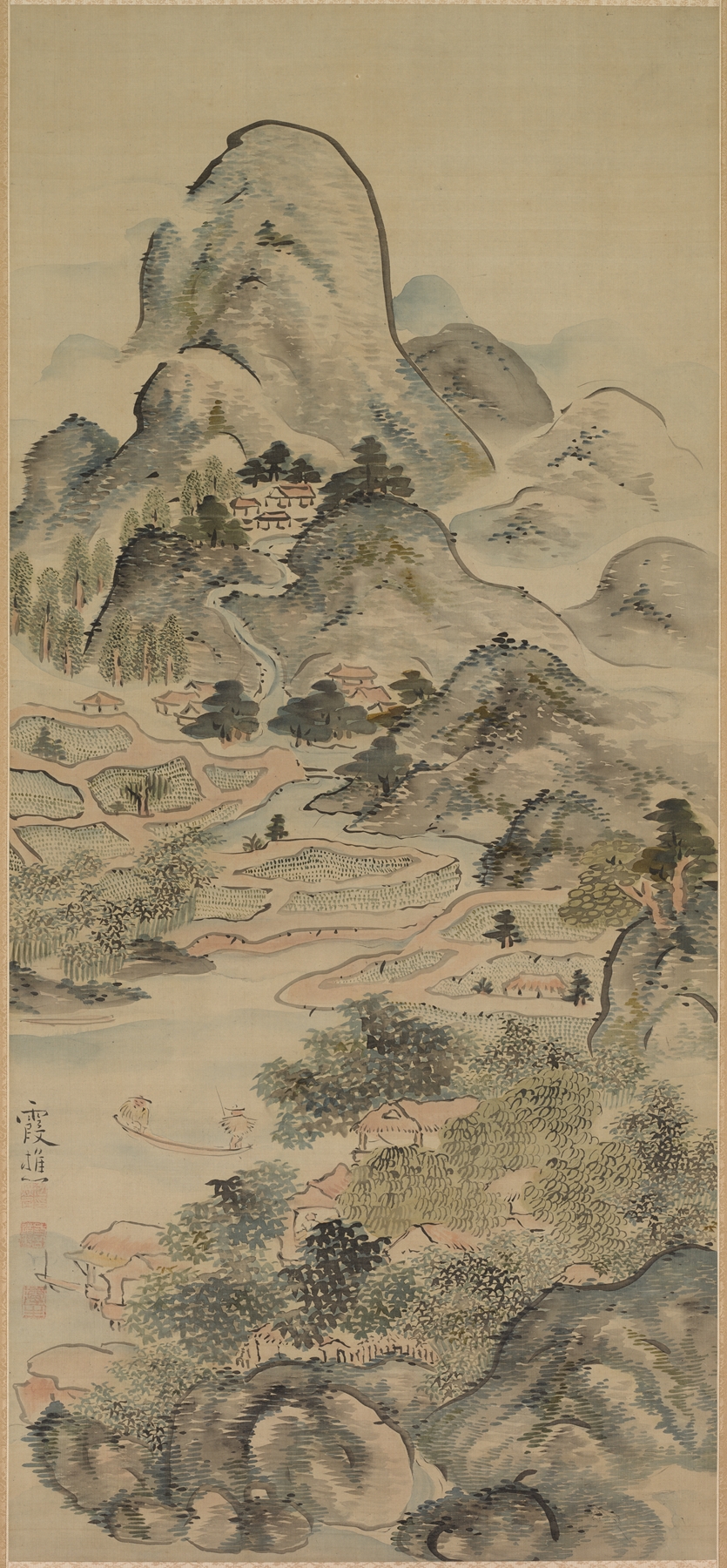
Did the painter know this moment would outlive them? The soft blush of spring unfolds in a delicate embrace, where every brushstroke whispers of fleeting beauty and a deep-seated longing for renewal. Look to the center of the composition, where a tranquil river meanders gently through lush greenery, inviting the eye to explore its serene path. Notice how the light dances upon the water’s surface, shimmering like a hidden treasure.
The palette breathes life into the landscape, with pastel greens and gentle blues evoking an atmosphere of peace and harmony, while the hints of warm earth tones ground the scene in reality. Yet, underneath this tranquil exterior lies an emotional tension. The contrast between the vibrant blossoms and the stillness of the water speaks to the dichotomy of life and death, growth and decay. Each stroke reveals a yearning that transcends time, suggesting that the beauty of nature is both ephemeral and eternal—a longing captured in the heart of the viewer.
The delicate brushwork and soft contours seem to echo a silent prayer for the permanence of these fleeting moments. In the 1700s, Ike Taiga created Spring Landscape during a period marked by the flourishing of the Edo period's culture in Japan. He was immersed in a world where traditional art forms were being reinterpreted, blending the influences of Zen philosophy with a desire for personal expression. This work encapsulates the artist's exploration of natural beauty and his profound connection to the changing seasons, reflecting both his personal journey and the broader artistic movements of his time.