Frigate Off A Lighthouse — History & Analysis
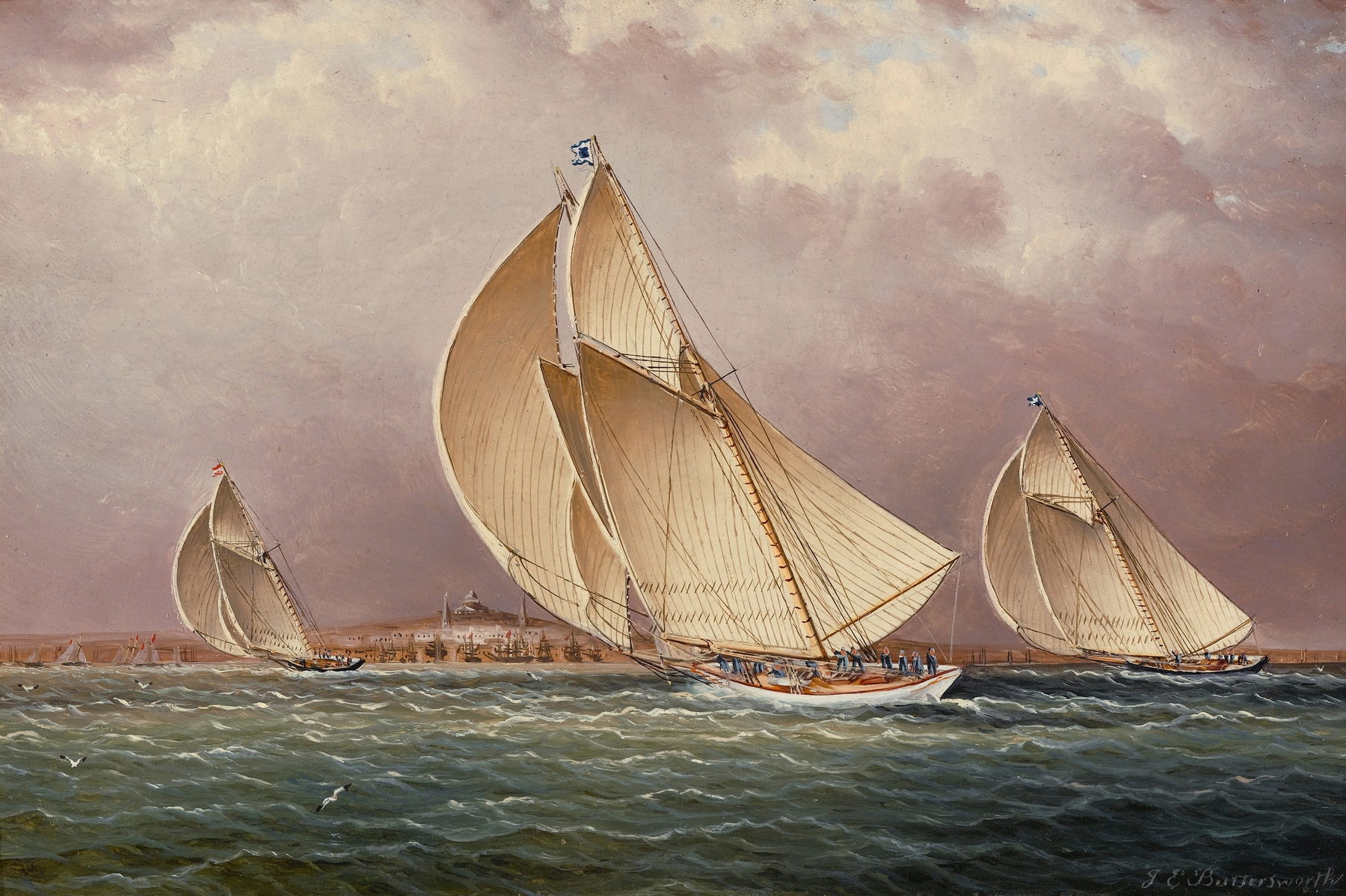
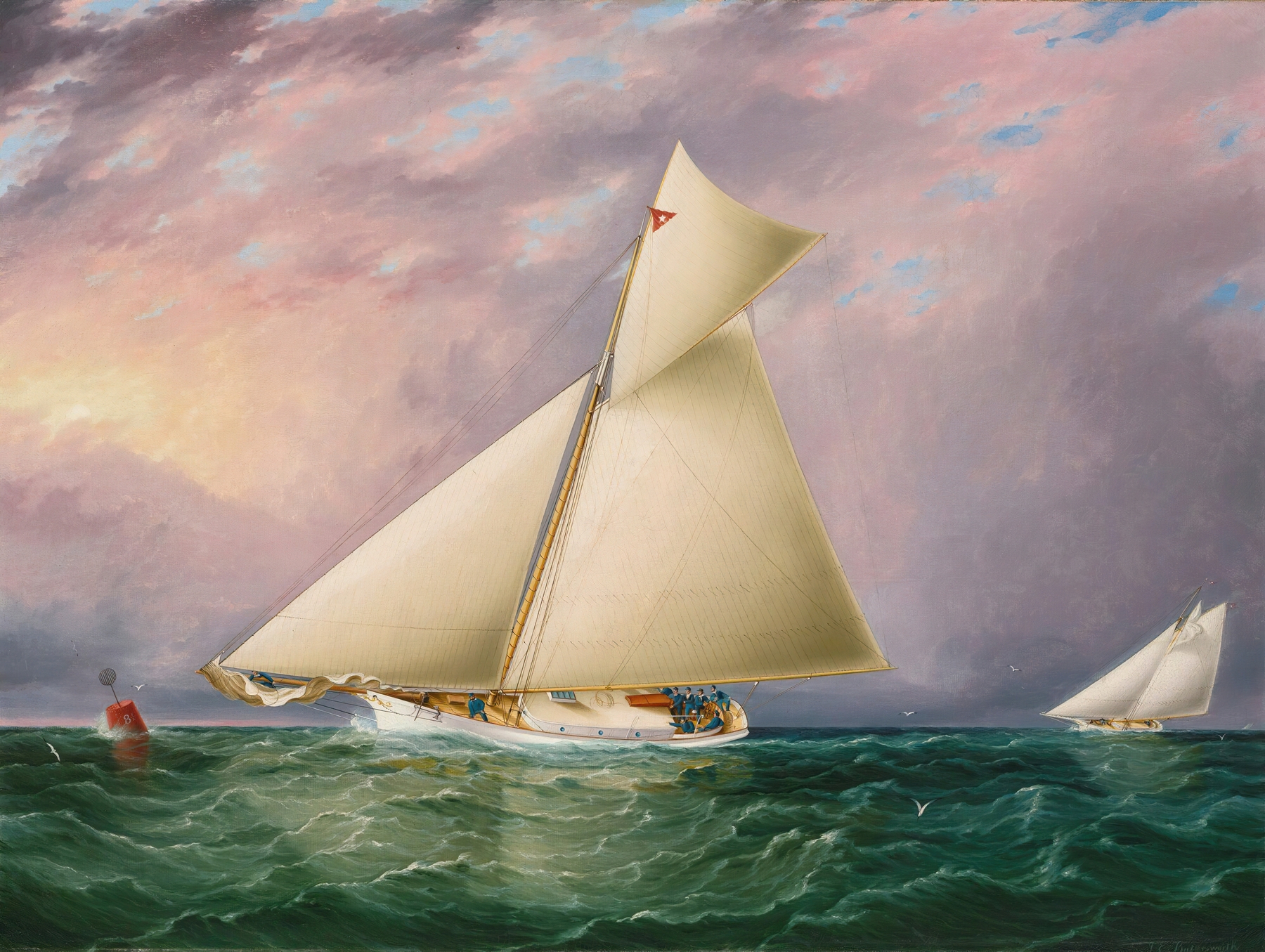
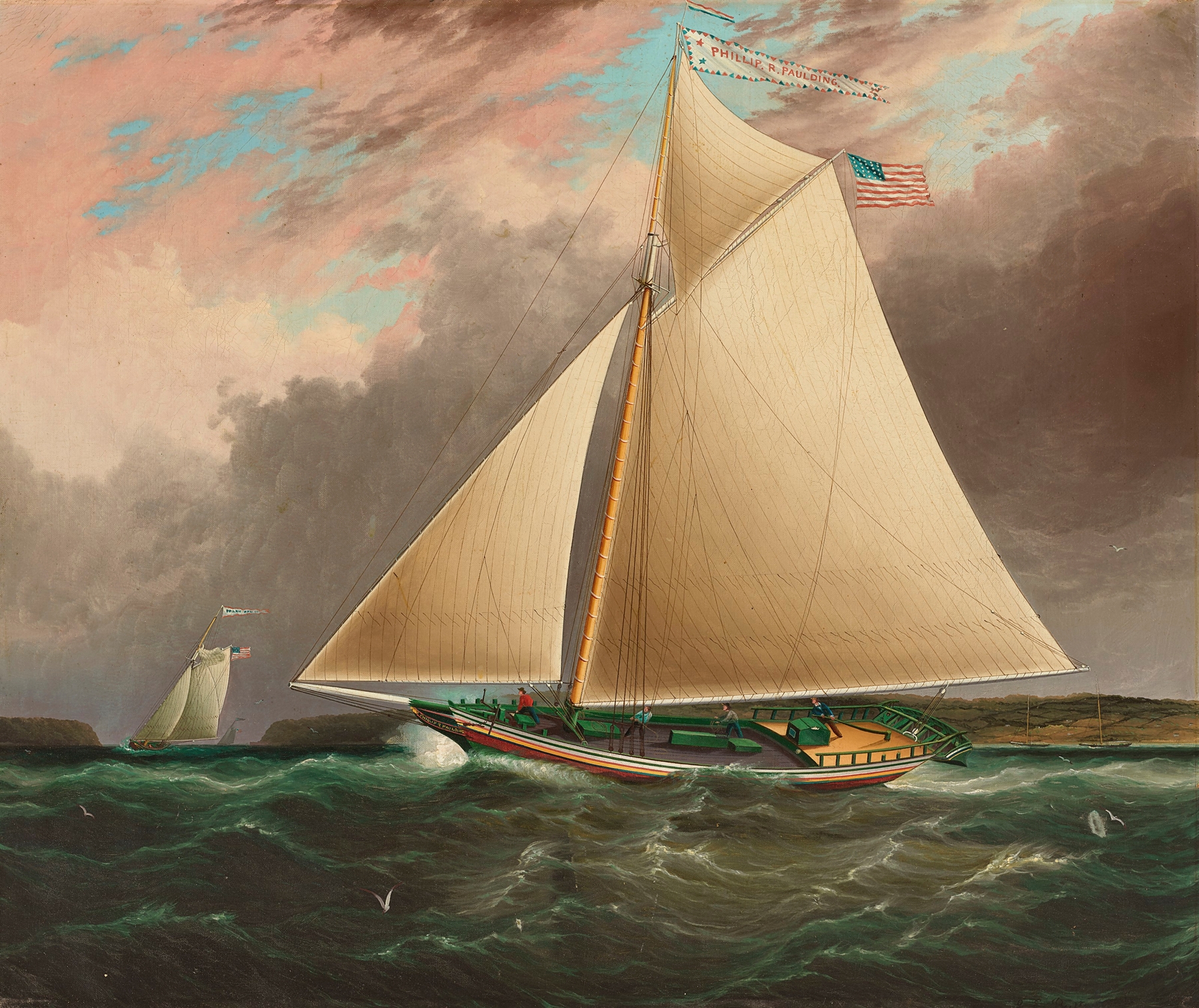
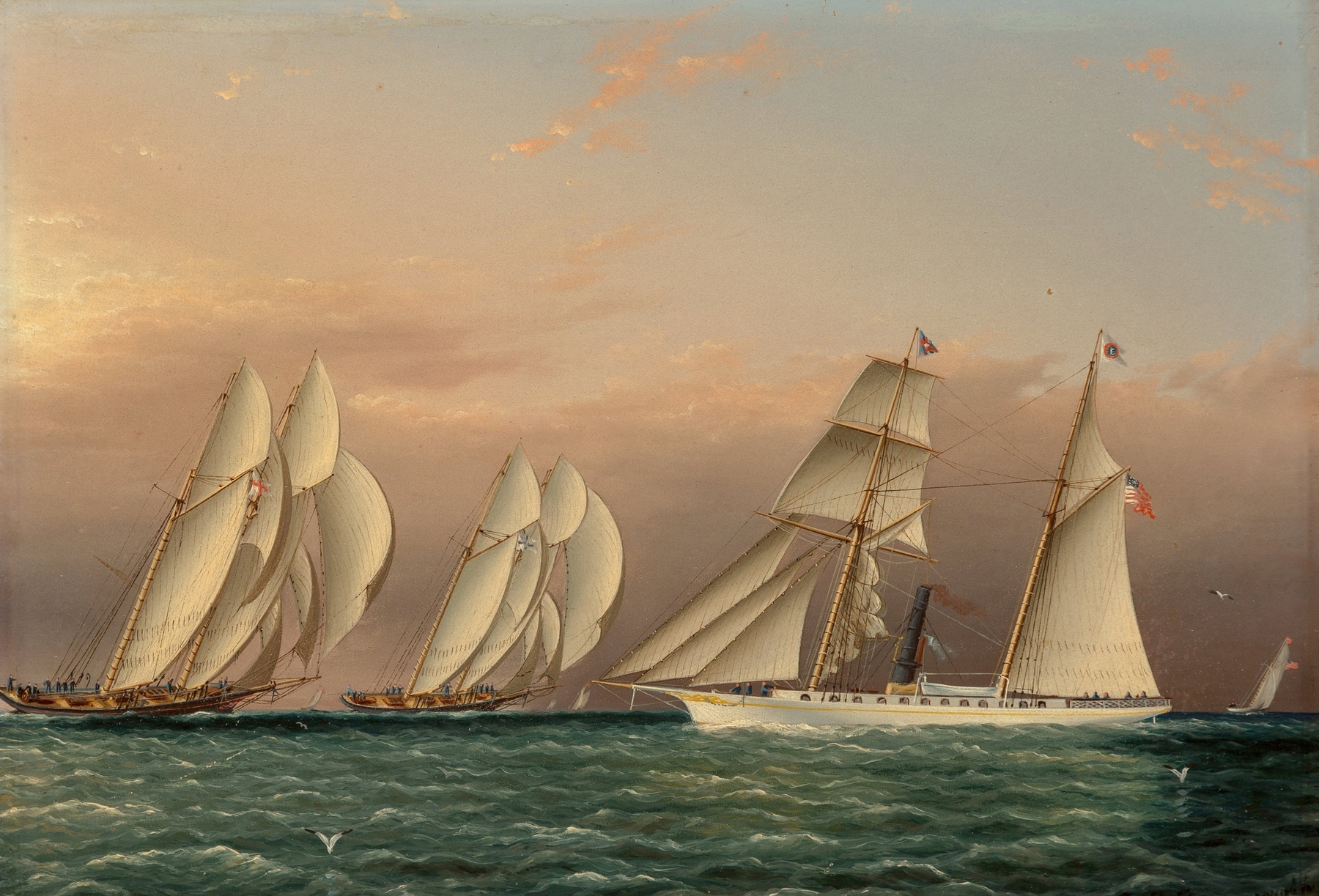
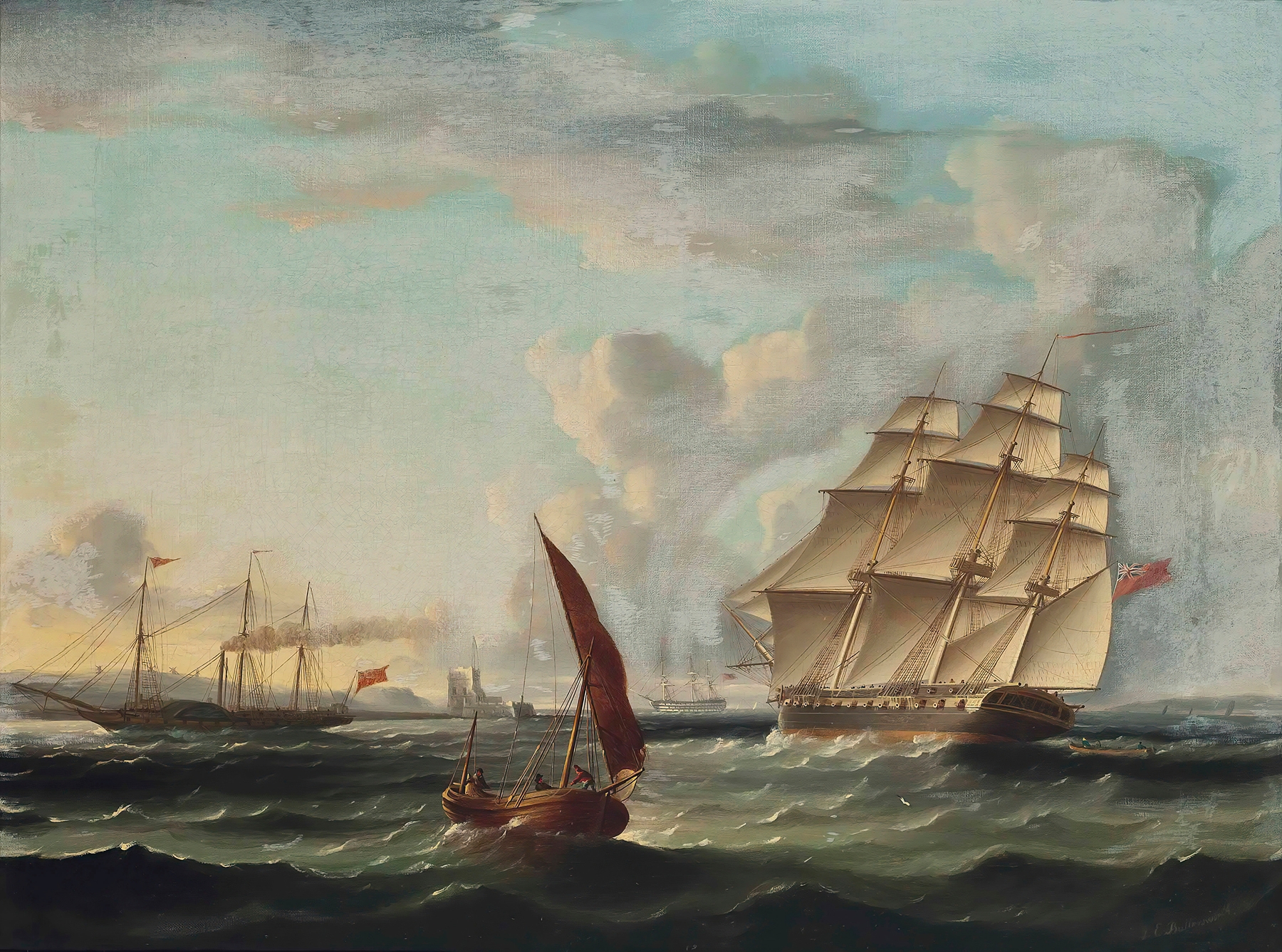
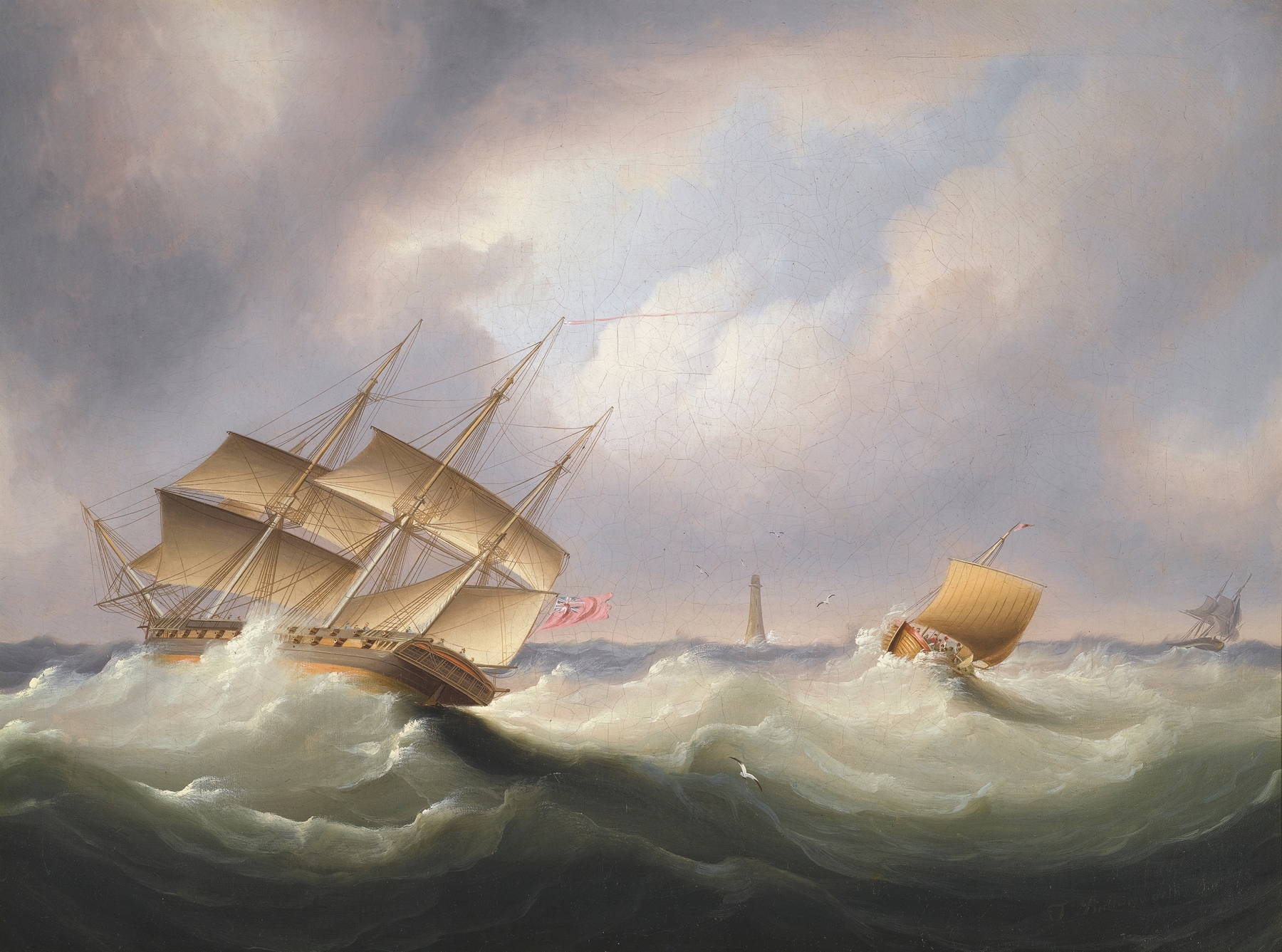
“The canvas doesn’t lie — it simply waits.” In the stillness of the moment captured, a frigate floats through the expansive embrace of ocean and sky, symbolizing both the journey of life and the promise of rebirth. The rhythmic dance of waves whispers tales of adventure, beckoning the viewer to ponder their own path amidst the vastness. Look to the middle of the canvas at the frigate, its billowing sails catching the gusty winds, each fold and crease painted with meticulous attention. Notice how the light reflects off the water’s surface, the sun casting golden hues that contrast with the cool blues of the background.
The stark presence of the lighthouse on the right stands as a beacon of hope and guidance, its structure solid against the ephemeral qualities of the sea and sky, creating a dynamic interplay between stability and freedom. The emotional heart lies in the contrasts between the powerful frigate and the immovable lighthouse. The ship's sails are a testament to human ambition and exploration, while the lighthouse signifies safety and constancy. The tumultuous sea, fraught with danger yet brimming with opportunity, invokes a sense of both anxiety and excitement, a duality that captures the essence of embarking on new ventures.
Every brushstroke carries the weight of history, urging us to explore the balance between seeking adventure and finding our way back home. James Edward Buttersworth painted this work in 1875, during a time when maritime trade was flourishing, yet the world was on the brink of change. Living in America while reflecting on the legacy of the sea, Buttersworth’s artistry continued to evolve alongside the growing interest in realism and the nautical genre. He captured the spirit of his era, blending the allure of the open sea with the steadfastness of tradition, inviting viewers to embark on their own journeys of rebirth.