Hudson River Sloop — History & Analysis
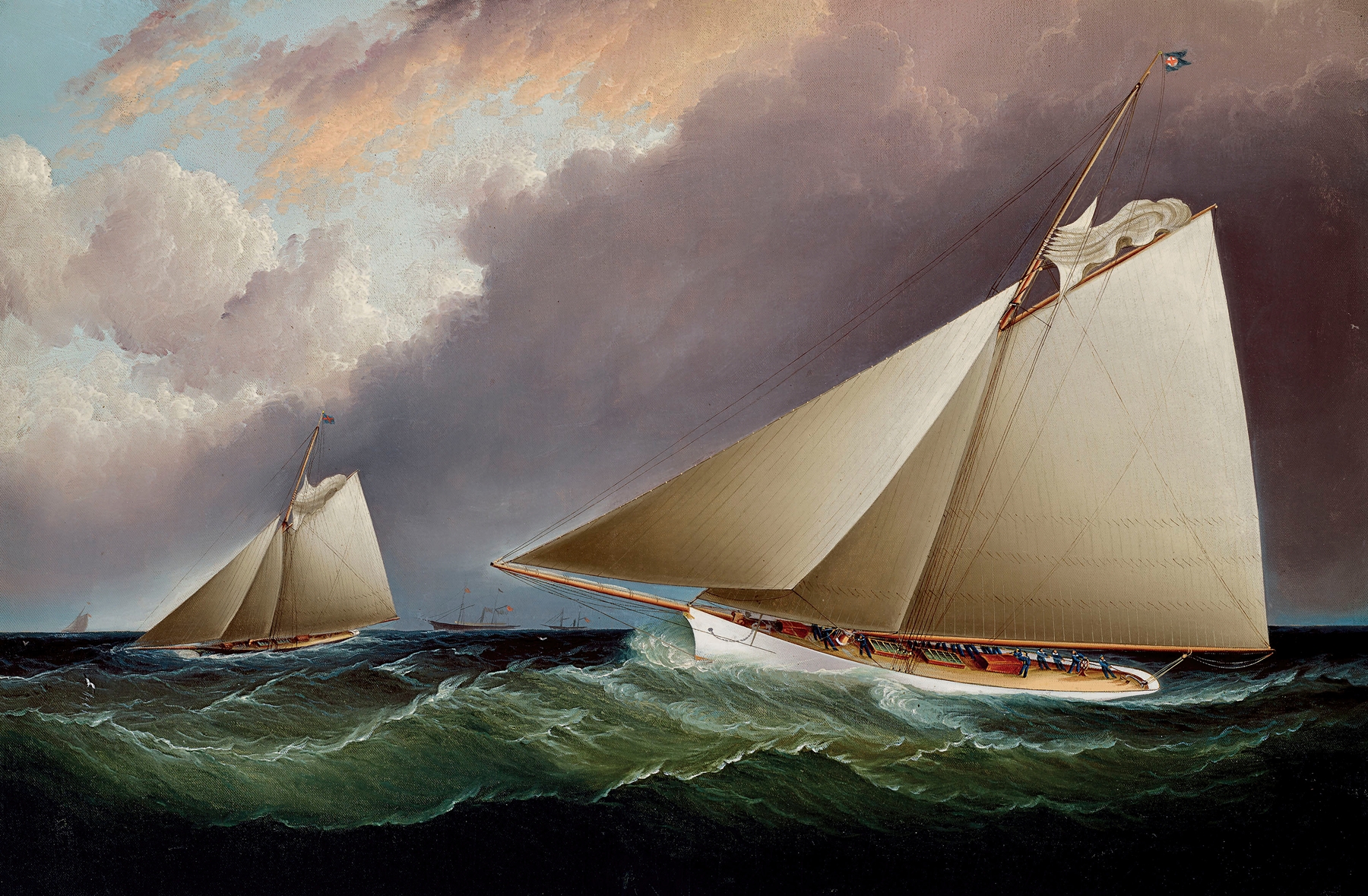
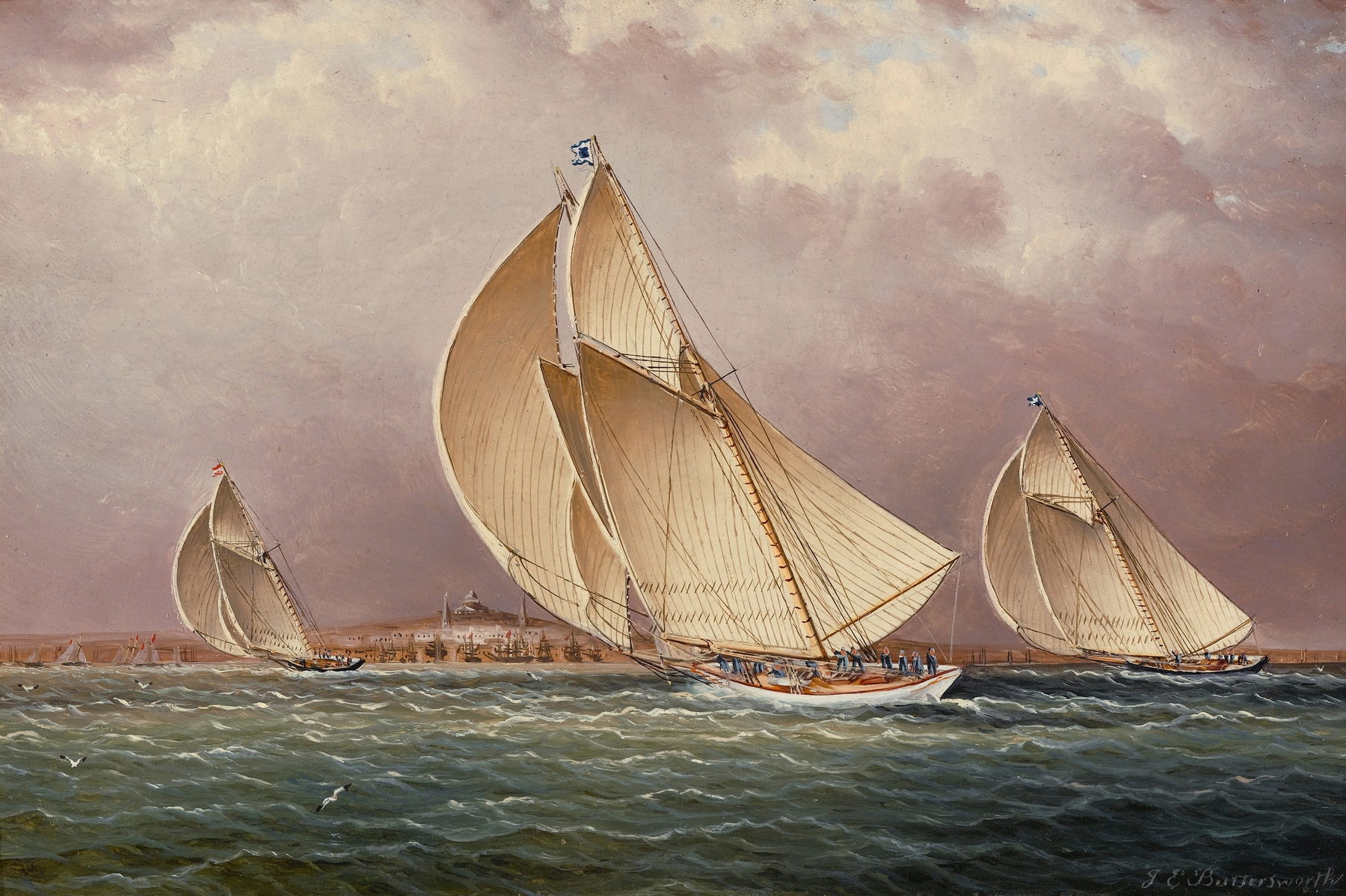
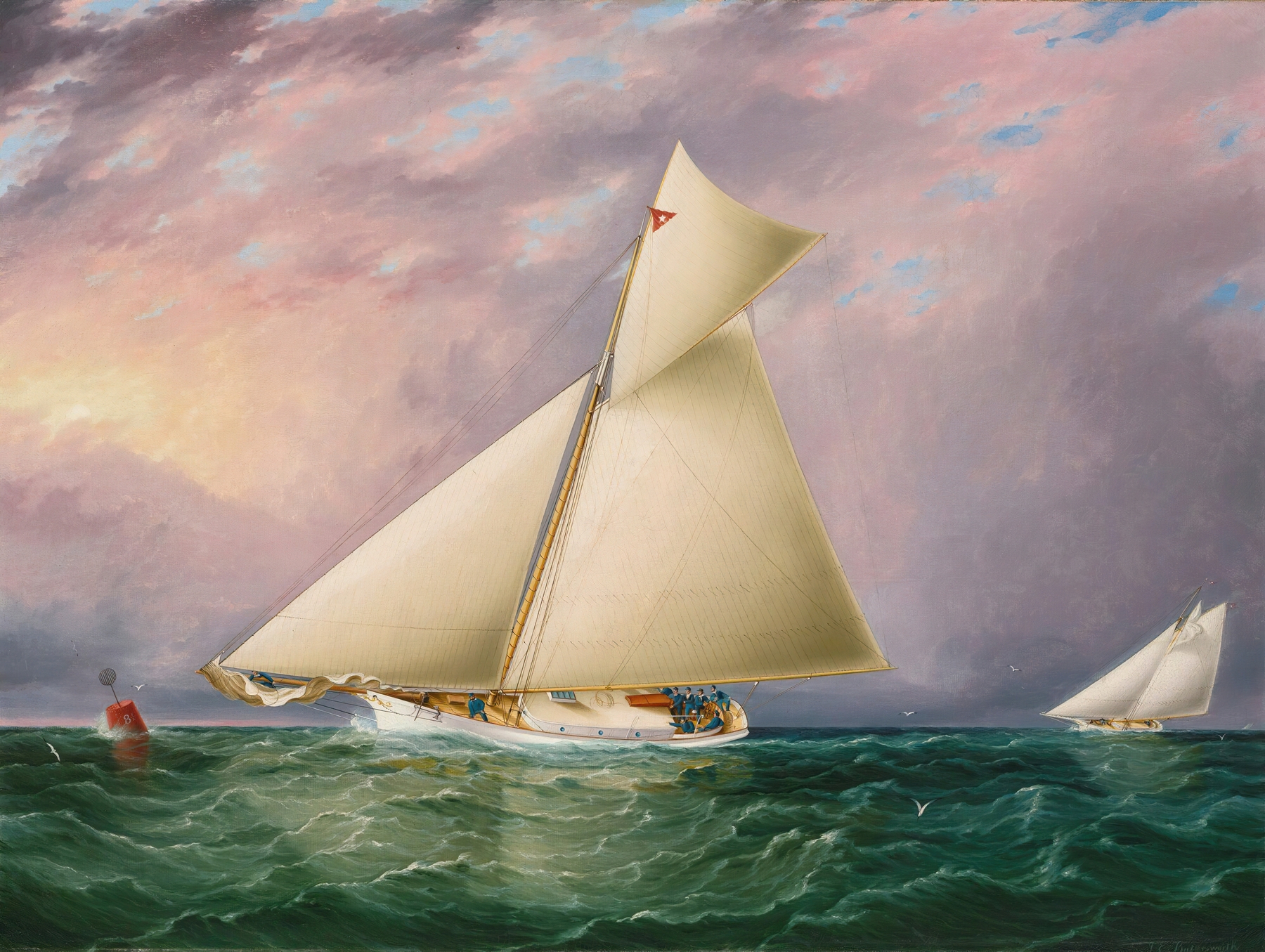
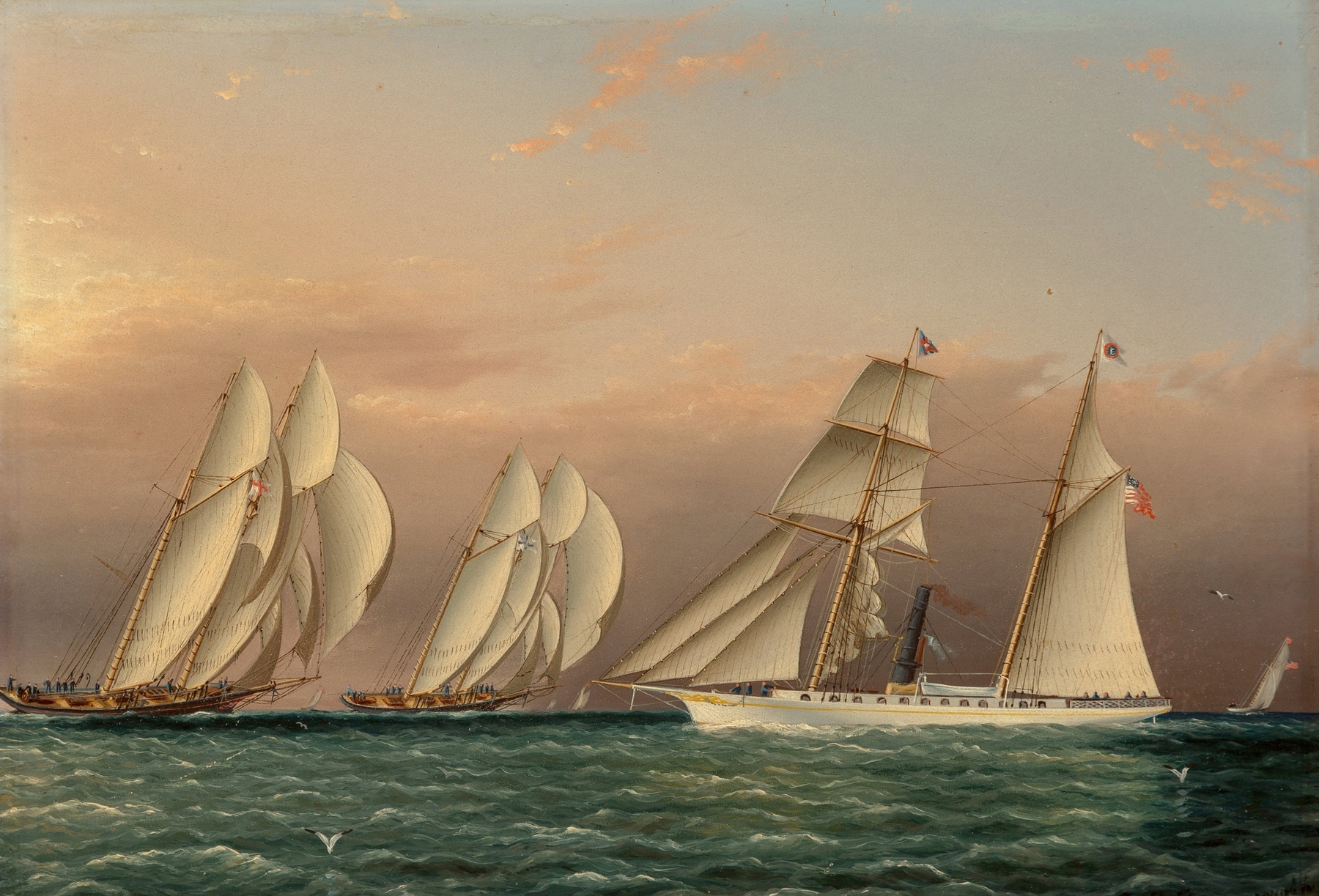
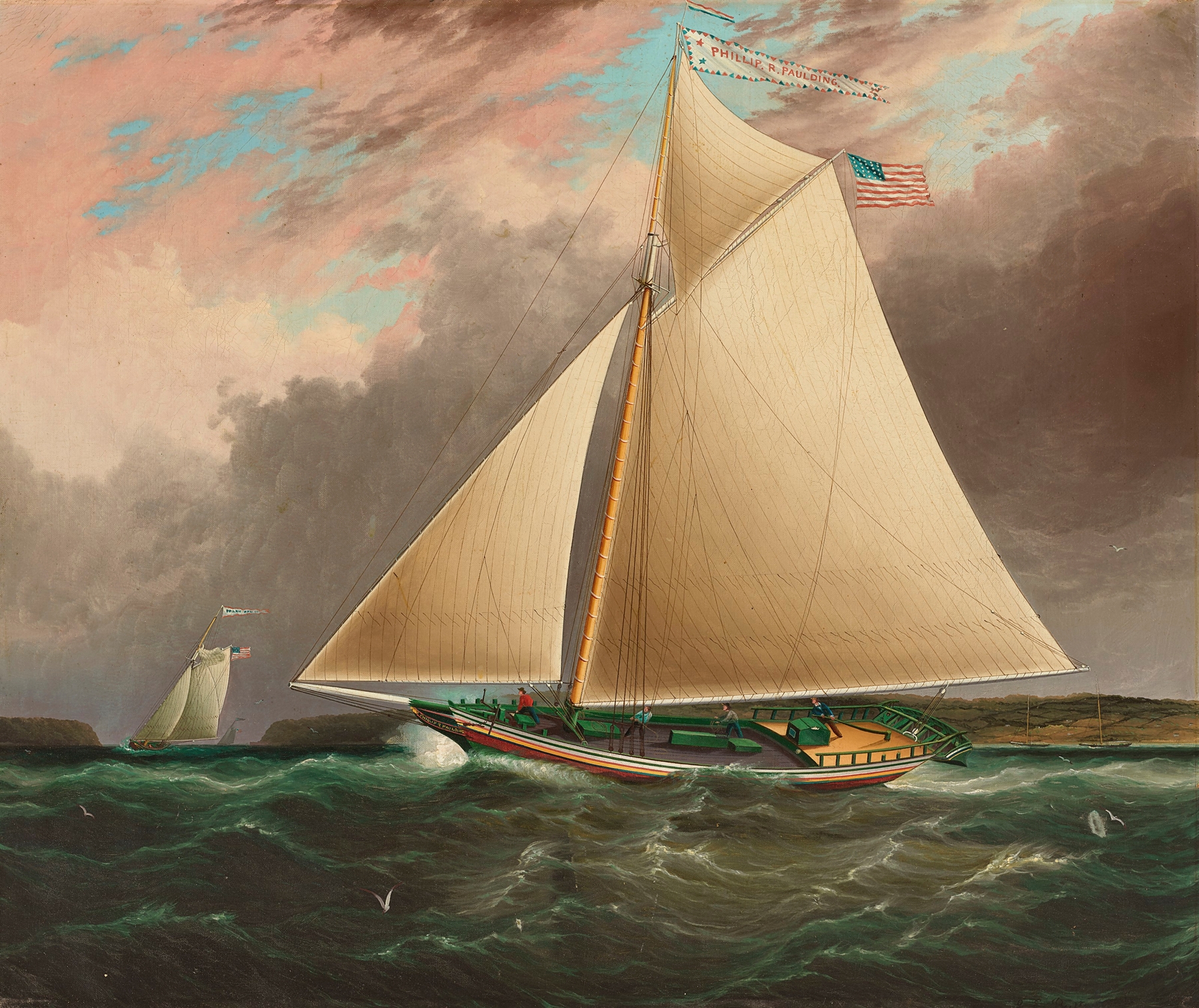
Did the painter know this moment would outlive them? In Hudson River Sloop, the canvas whispers tales of resilience and longing against the backdrop of nature’s quiet majesty. Look to the left at the graceful sloop, its sails unfurling like a bird in flight, catching the gentle breeze of the river. The blues and greens evoke a sense of tranquility, while the dappled sunlight dances upon the water, creating glimmers that seem to pulse with life. Notice how the horizon curves softly, leading the eye toward a distant land, hinting at journeys yet to be taken.
Buttersworth’s deft brushwork captures not just a vessel, but an emotional tether to the past — a reminder of the interplay between man and nature. In this seemingly serene scene, tension lies beneath the surface. The sloop, a symbol of human endeavor, juxtaposes the vastness of the river, signaling both opportunity and isolation. The subtle reflections on the water mirror the artist's own grief, perhaps echoing a personal loss — the longing for what once was, or the weight of history.
Each ripple tells a story of fleeting moments, evoking a bittersweet sense of nostalgia. In 1855, Buttersworth painted this work while living in New York, amidst a flourishing artistic community that celebrated American landscapes. The mid-19th century marked a time of great change in the United States, with industrial progress clashing with the romantic idealization of nature. This piece reflects those tensions, capturing the essence of a rapidly transforming world while encapsulating the artist’s inner emotional landscape.