George Washington (1732-1799) — History & Analysis
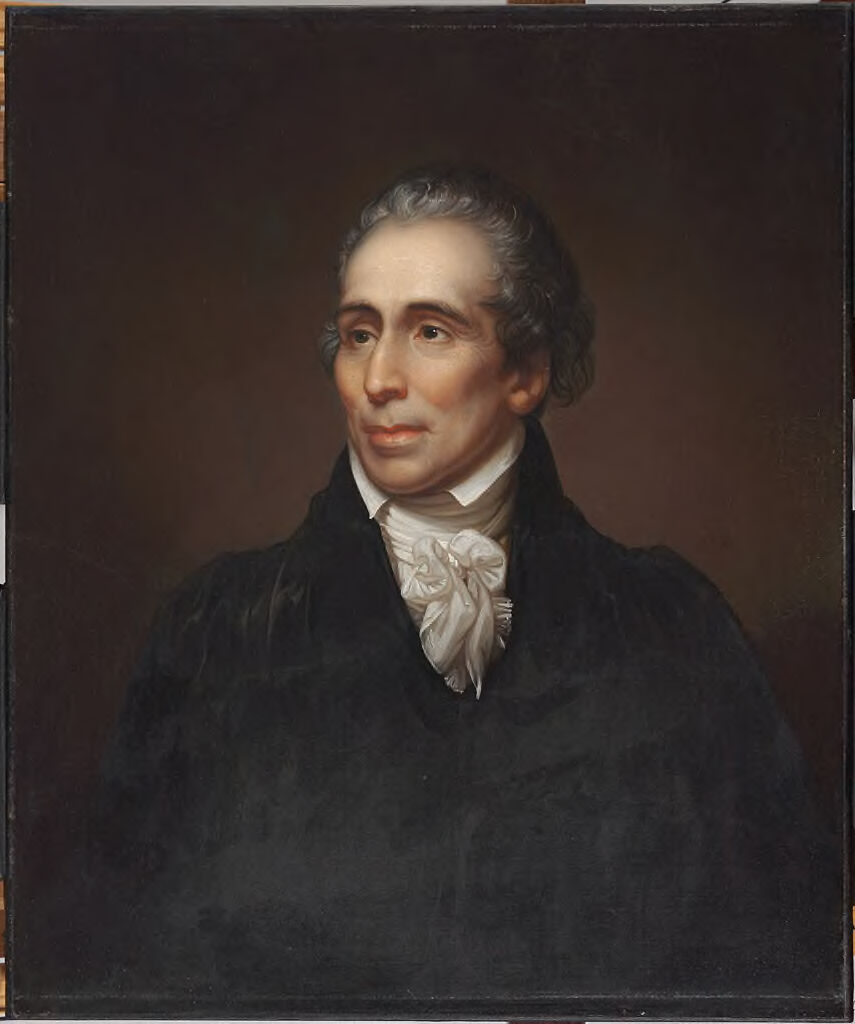
Can paint confess what words never could? In a moment suspended between reverence and revolution, a figure stands poised, embodying the spirit of a nation. Look to the left at the generous folds of the stately cloak draped over George Washington's shoulders, a deep navy that confronts the canvas with authority. Notice how the light illuminates his face, revealing not just a man, but a symbol of leadership and resilience.
The gentle brushstrokes create a soft texture that contrasts sharply with the rigidity of his posture, suggesting a careful balance between strength and vulnerability. The background remains muted, allowing Washington to emerge as a beacon of hope, enhanced by the warm glow that highlights his determined gaze. Delve into the subtleties of his expression: the slight furrowing of his brow hints at the weight of the expectations placed upon him. Each detail, from the meticulously painted buttons to the delicate lace at his cuffs, conveys the tension of a nation on the brink of forging its identity.
The composition itself, with its thoughtful symmetry, reflects the stability Washington represented amid chaos, suggesting a profound connection between the man and the tumultuous times he navigated. Rembrandt Peale painted this representation of Washington in 1852, during a period when the United States was reflecting on its past, grappling with a young identity still forming. This was an era marked by the Civil War's shadow, as artists sought to redefine national narratives. Peale, a dedicated portraitist, aimed to immortalize Washington's image, elevating him to mythic status while grappling with the conflicting ideals of freedom and unity.