Samuel Fisher Bradford — History & Analysis
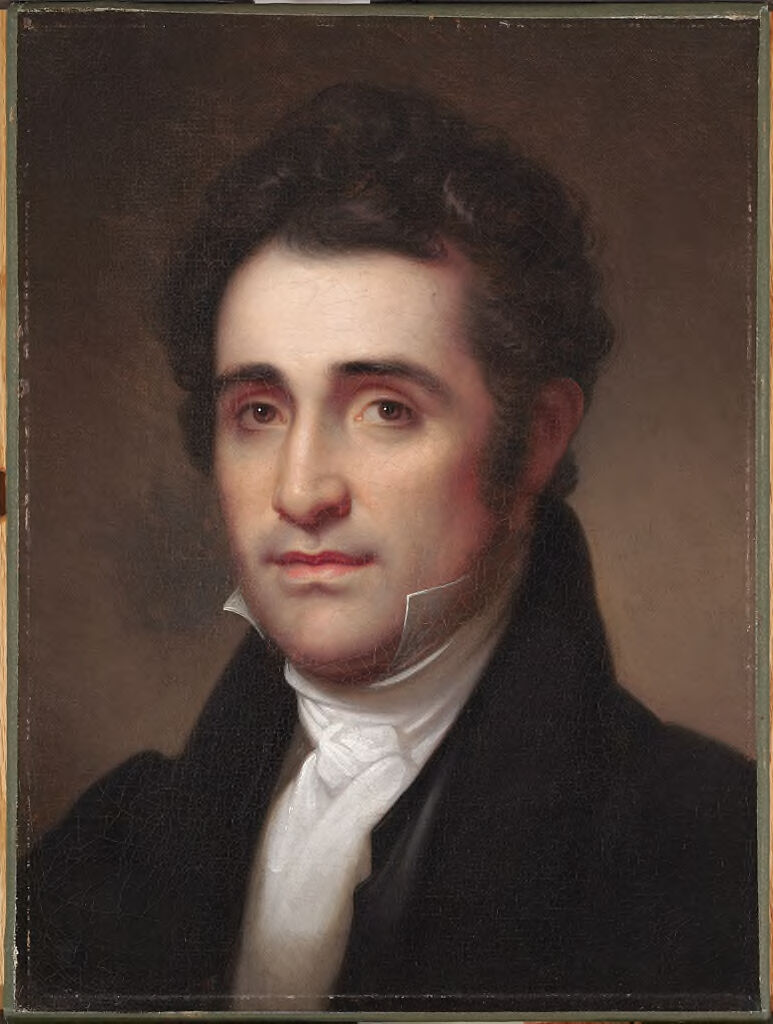
Is this a mirror — or a memory? In the quiet gaze of a young man, a profound truth lingers, inviting introspection and connection. The canvas, seemingly an intimate portrait, transcends the simplicity of likeness to delve into the essence of identity and existence. Focus on the gentle illumination of his face, where light cascades softly from the upper left, highlighting the delicate contours of his cheekbones and the reflective glimmer in his eyes.
The warmly muted palette, rich in earthy browns and soft cream, enhances the soulfulness captured in his expression. Notice how the background recedes, almost ethereal, drawing your eye into the very heart of the subject, as if he himself were a living echo of the past. Within this stillness, layers of meaning unfold. The slightly turned head suggests a moment of contemplation, as if he is caught between the present and a world of memories.
The subtle tension between youth and wisdom speaks to the universal quest for self-understanding, while the timeless quality of the portrait invites viewers to ponder their own reflections. The balance of light and shadow symbolizes the duality of truth, the known and the hidden. Rembrandt Peale painted this intimate portrait between 1803 and 1808, during a period when he was navigating his own artistic identity in the burgeoning realm of American portraiture. With a focus on capturing not just likeness but the essence of character, Peale sought to bridge the influences of his predecessors while carving a unique path in a rapidly evolving art landscape.