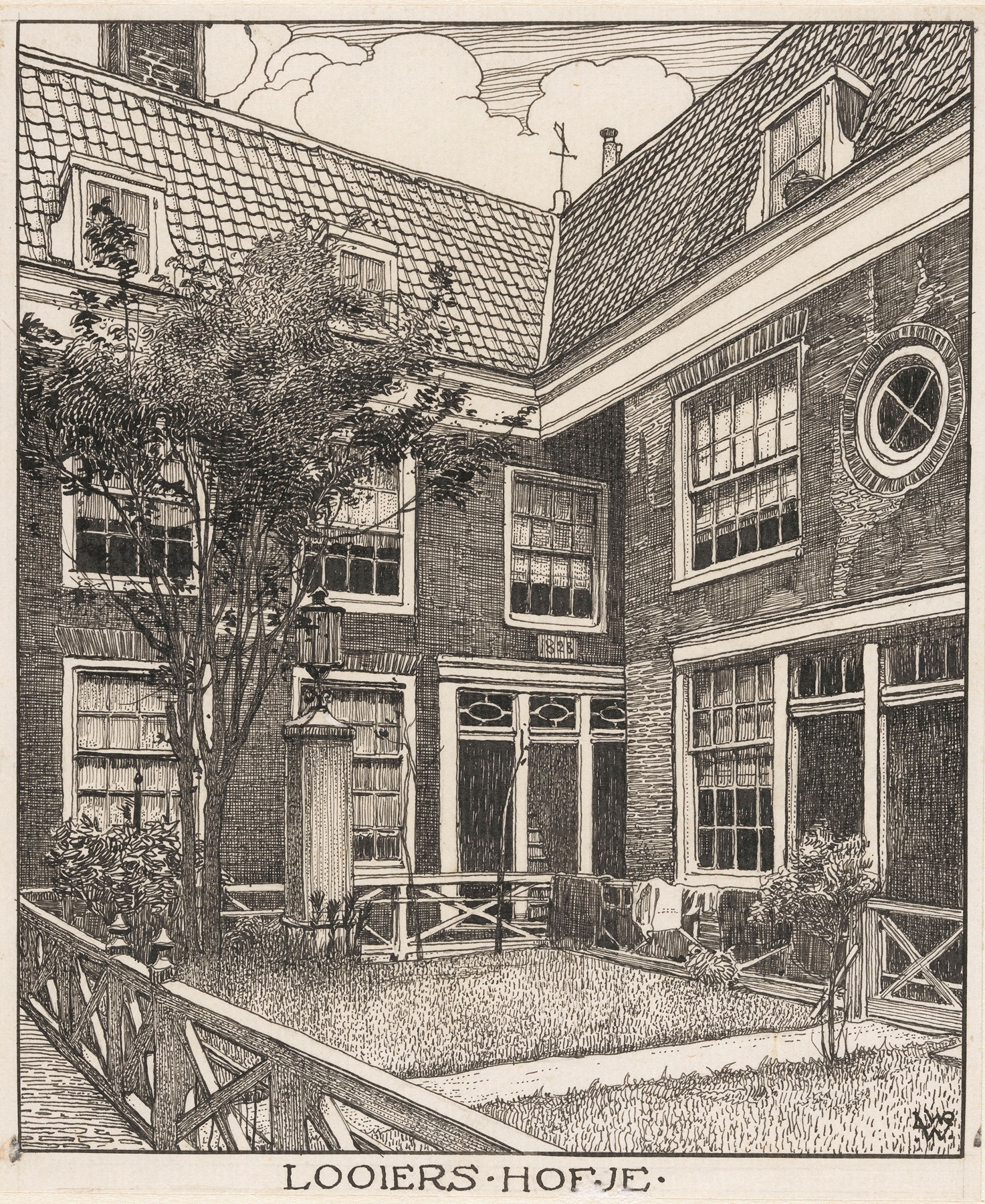
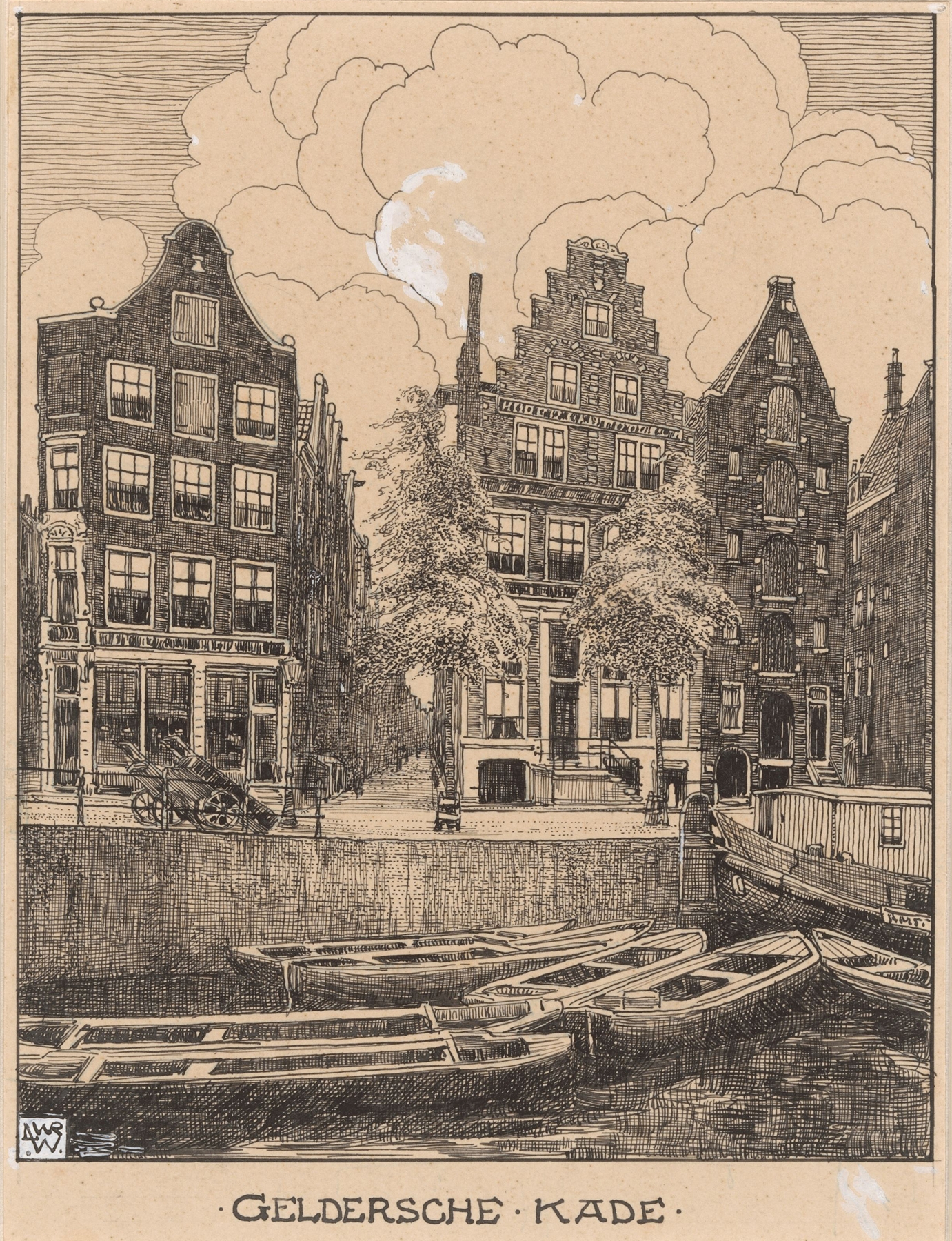
Halvemaansteeg te Amsterdam — History & Analysis
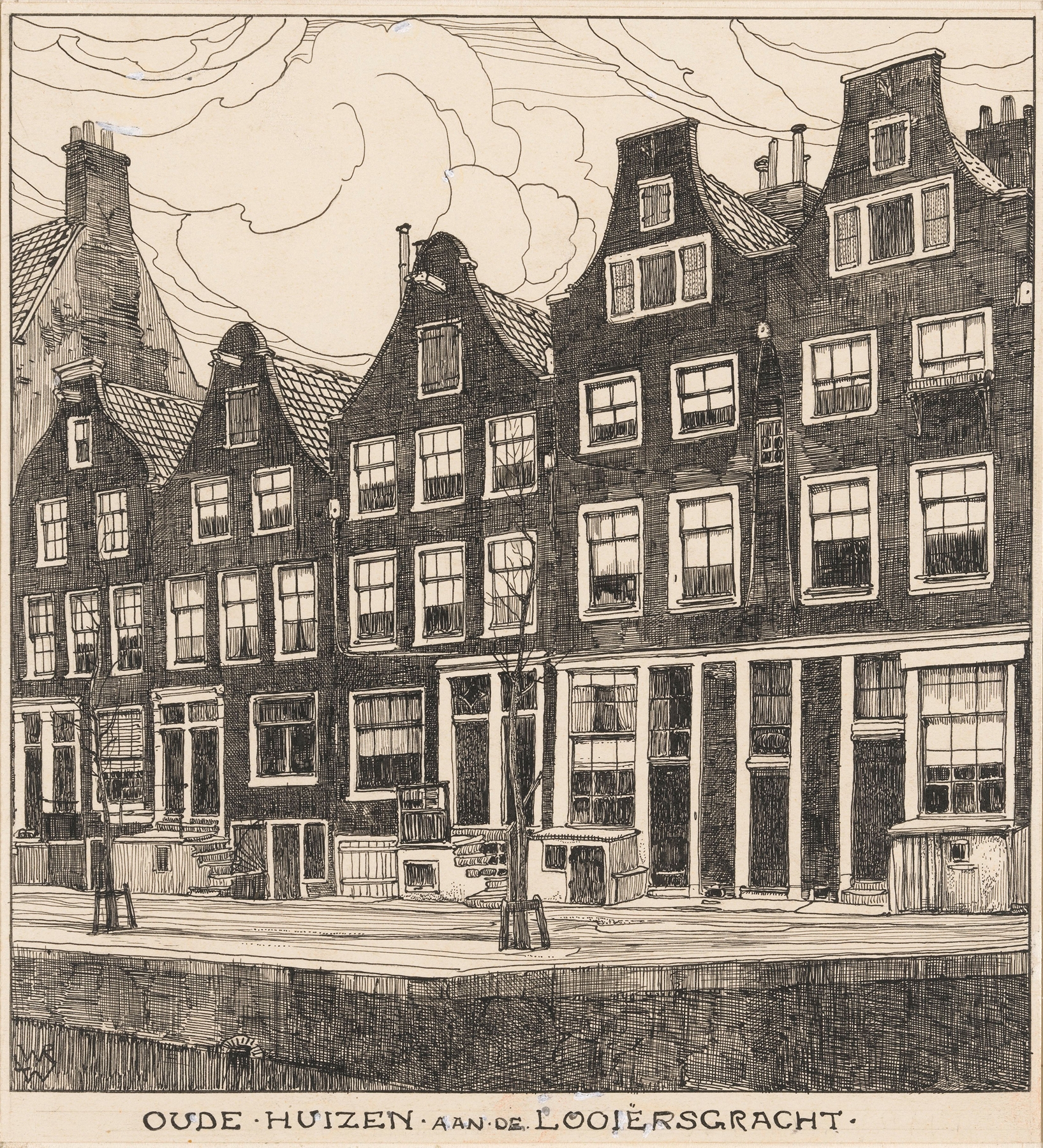
“Sometimes beauty is just pain, disguised in gold.” This sentiment resonates deeply within the layers of Halvemaansteeg te Amsterdam, where the interplay of faith and the fragility of existence intertwine in a delicate embrace. Look closely at the tangled web of architecture that dominates the canvas. Notice how the buildings lean toward one another, as if seeking solace or connection under a dusky sky. The muted colors evoke a sense of nostalgia, while the warm glow of lights spilling from windows invites you to ponder the lives behind closed doors.
It’s a masterful balance of light and shadow that draws your eyes to the center, where the viewer is left to contemplate the human stories woven into the fabric of the city. Beneath the surface, the painting pulses with emotional tension. Each untold story hints at the struggles endured within those walls, echoing the theme of faith finding its way through hardship. The resilience of the structures suggests a defiance against time, while the shadows evoke a sense of uncertainty.
This duality highlights the contrast between the vibrancy of life and the solitude of existence, compelling the viewer to reflect on their own journey. Wenckebach created this evocative piece in the 20th century, a time when modernity began to reshape Amsterdam's historical landscape. As an artist influenced by the changing world around him, he captured not just a scene but an ethos. His work emerged in an era rich with artistic exploration, where the boundaries of representation and expression were being challenged, much like the faith that underpins the human experience.