Hercules en Antaeus — History & Analysis
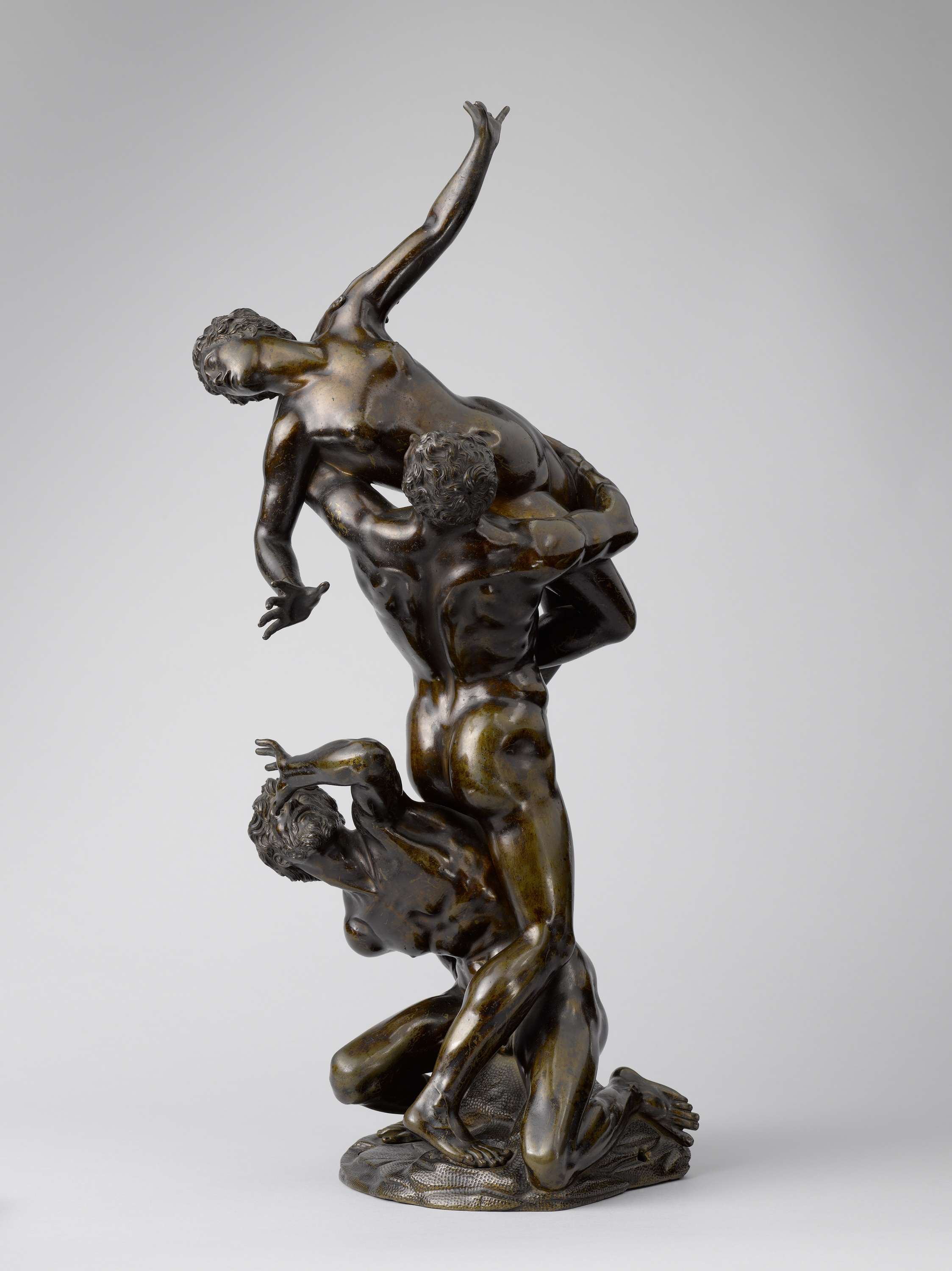
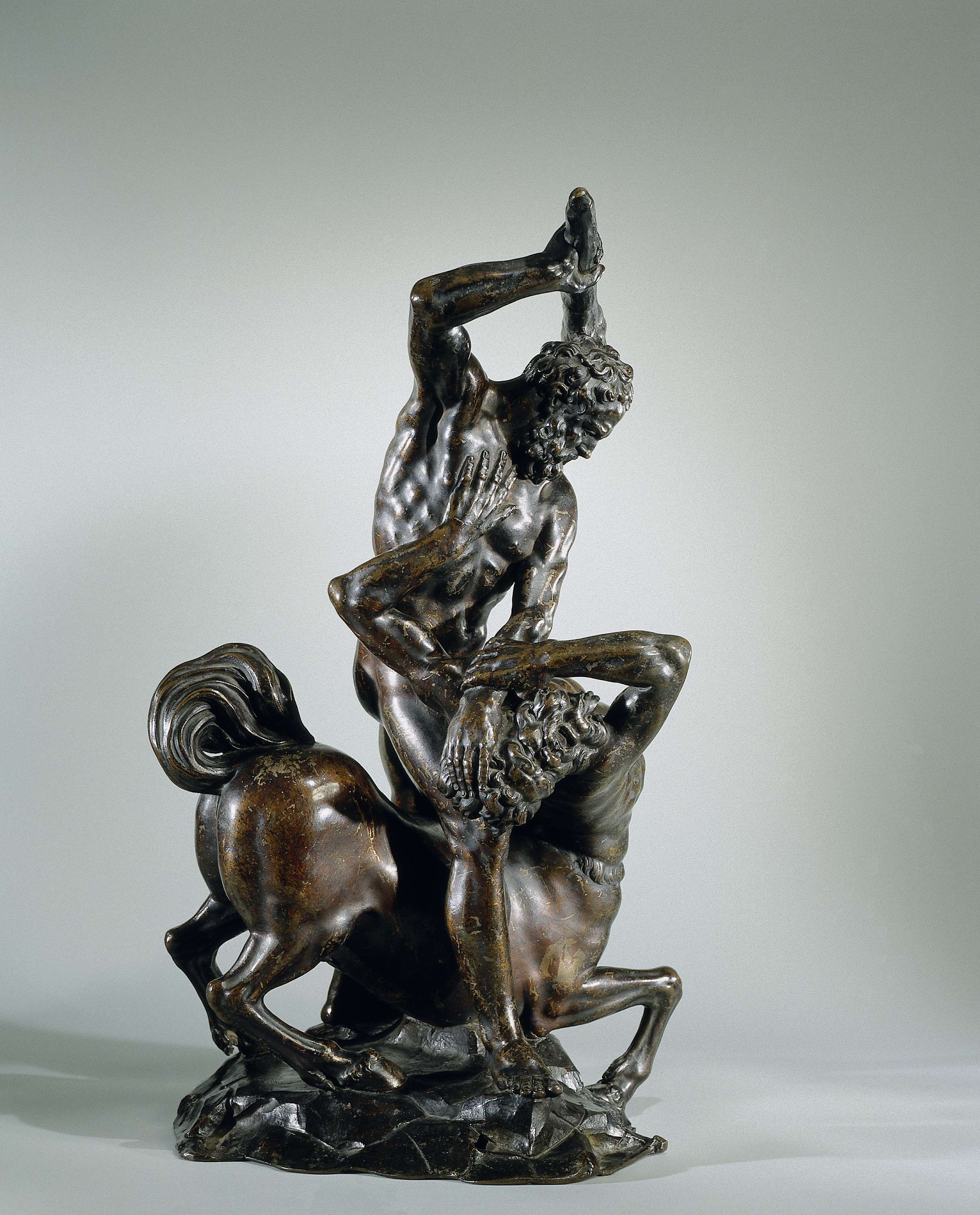
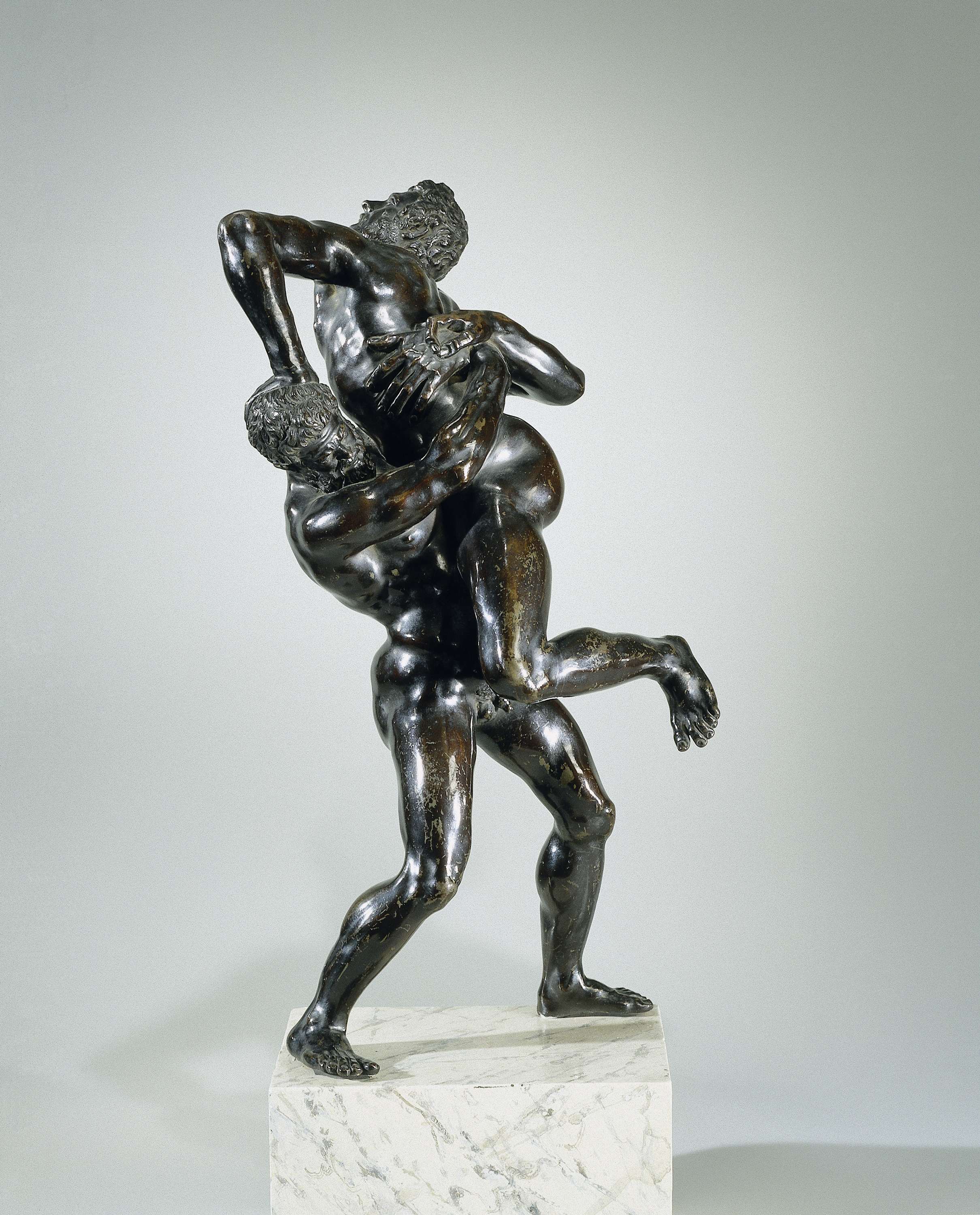
Who listens when art speaks of silence? In Hercules en Antaeus, the tension of an impending struggle hangs palpably in the air, captured in the space between the figures. Focus on Hercules, his powerful form standing in stark contrast to the earthbound Antaeus. Notice how the light bathes Hercules’ muscular body, illuminating the sinewy contours that define his strength. The shadows, however, cling to Antaeus, highlighting a vulnerability as he is lifted from the ground, his feet barely grazing the earth that grants him power.
The composition draws the eye upward, as if the viewer is being pulled into the escalating moment of confrontation. Delve deeper into the piece, where the interplay of light and shadow signifies more than mere physical struggle. Hercules embodies the triumph of civilization over chaos, while Antaeus represents the primal connection to nature. This duality resonates through the contrasting textures; the smooth, polished marble of Hercules’ form contrasts with the rough, organic quality of Antaeus.
The tension suggests not just a battle of bodies, but a profound clash of ideals—strength against nurture, the human against the elemental. Created during the early 17th century in Florence, this work reflects Giambologna's mastery of sculpture at a time when the Renaissance's embrace of classical themes was evolving. The artist was influenced by the burgeoning Baroque style that emphasized movement and emotionality. In a period marked by artistic exploration and the shifting tides of cultural expression, this piece stands as a testament to the enduring power of myth and the complexities of human existence.