Stier — History & Analysis
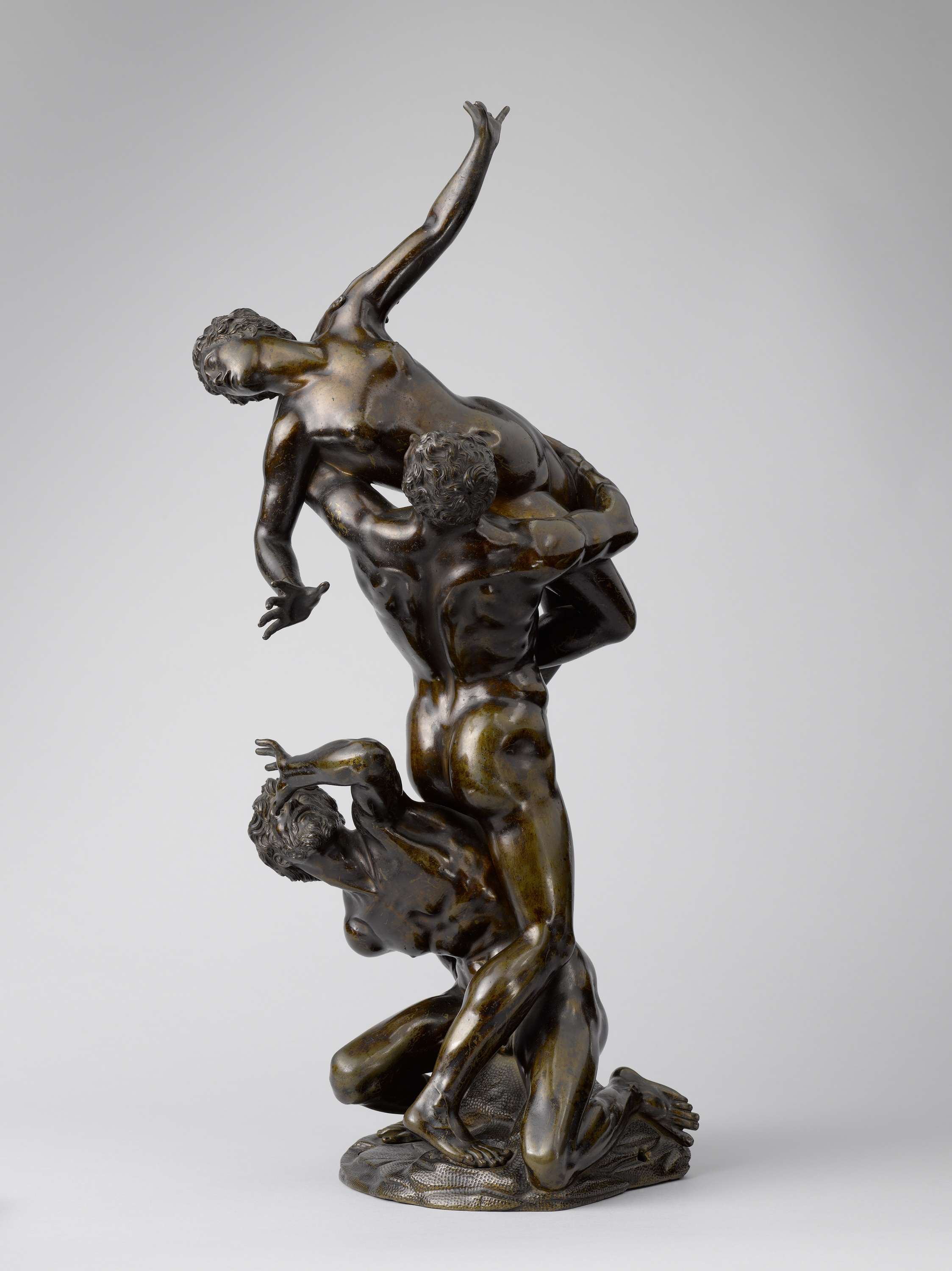
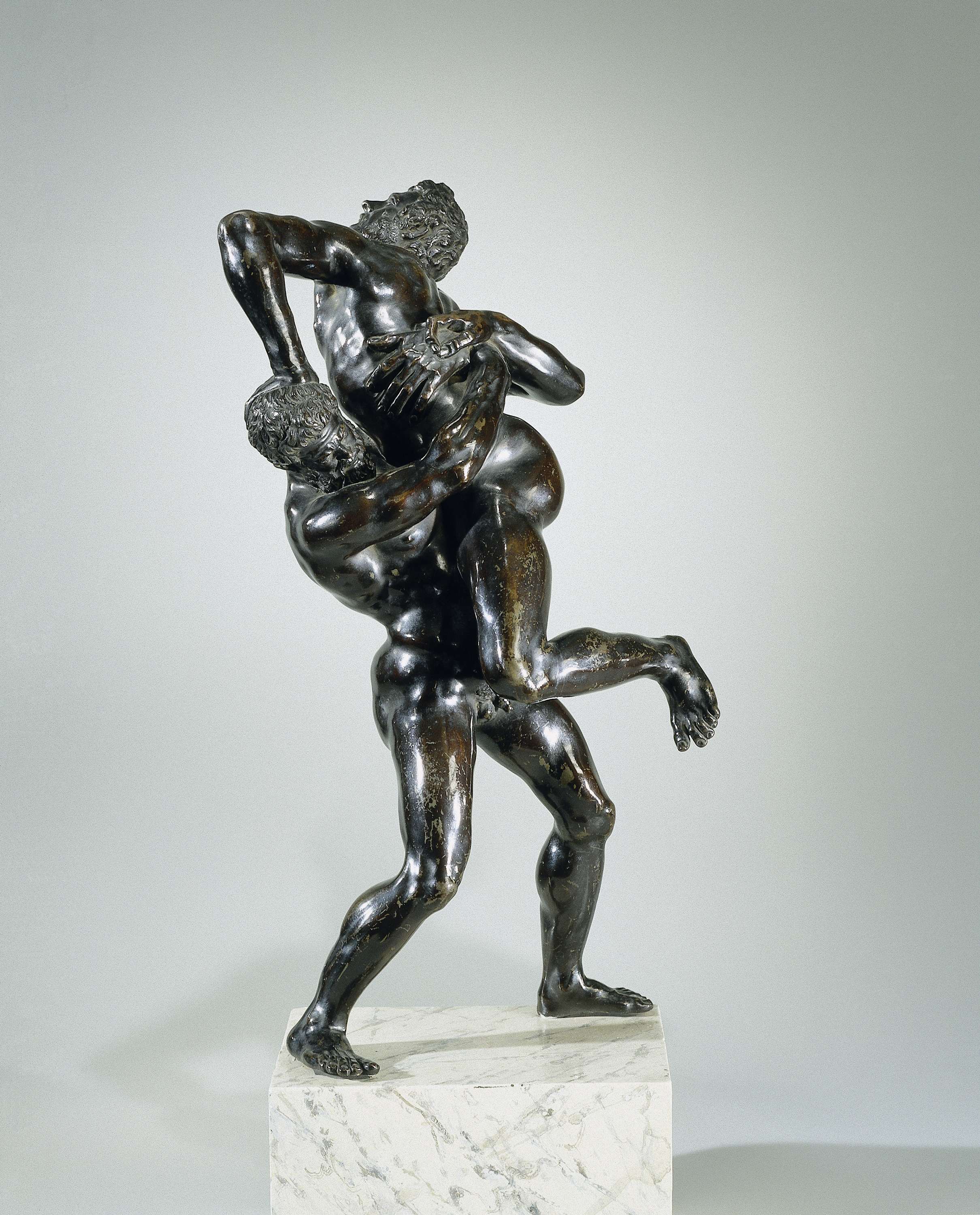
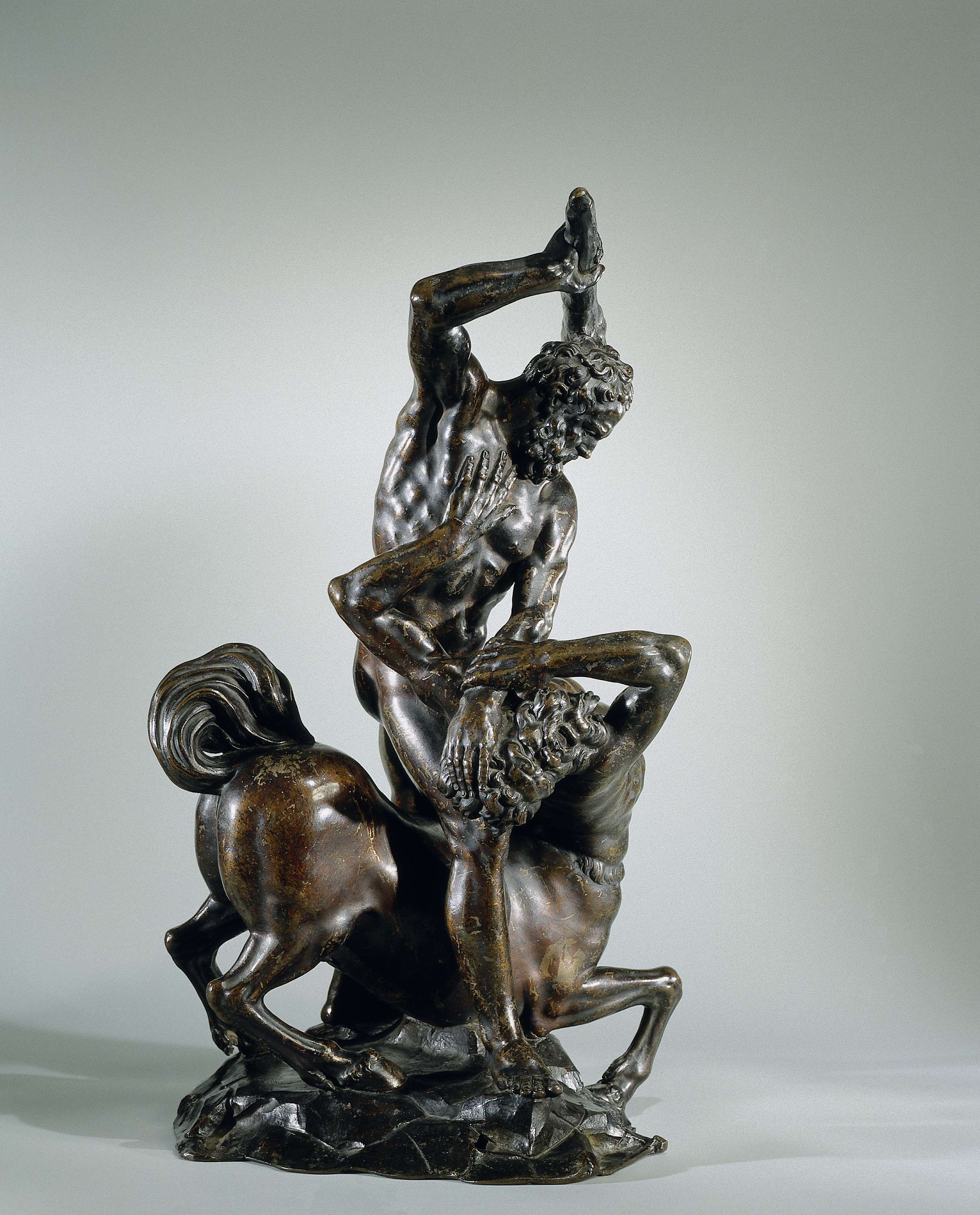
What secret hides in the quiet of the canvas? The stillness of Stier belies the dynamic energy trapped within its form, inviting contemplation of movement and the interplay between sculptural grace and the tangible world. Look to the sinuous curves of the bull, its powerful frame deftly rendered in marble. Notice how the muscular body seems poised to leap, the tension in its limbs suggesting a moment before action.
The light dances across the surface, accentuating the contours and details, while shadows deepen the sense of three-dimensionality, giving life to a creature both serene and formidable. In this work, there is a profound juxtaposition between strength and calm. The bull's lowered head and relaxed posture signify a moment of quiet before a potential eruption of power, embodying both the wildness of nature and the tranquility of the artist’s skill. The way Giambologna manipulates the material breathes an essence of movement into the stillness, urging the onlooker to feel the latent energy waiting to burst forth.
Giambologna sculpted Stier around 1600 during a period marked by artistic innovation in Florence. This era saw a burgeoning interest in dynamic forms and emotional expression, moving away from the more rigid representations of the past. The artist, renowned for his mastery of the human figure and natural forms, infused this piece with both vitality and elegance, reflecting his own exploration of movement and grace in his craft.