Hinterhof — History & Analysis
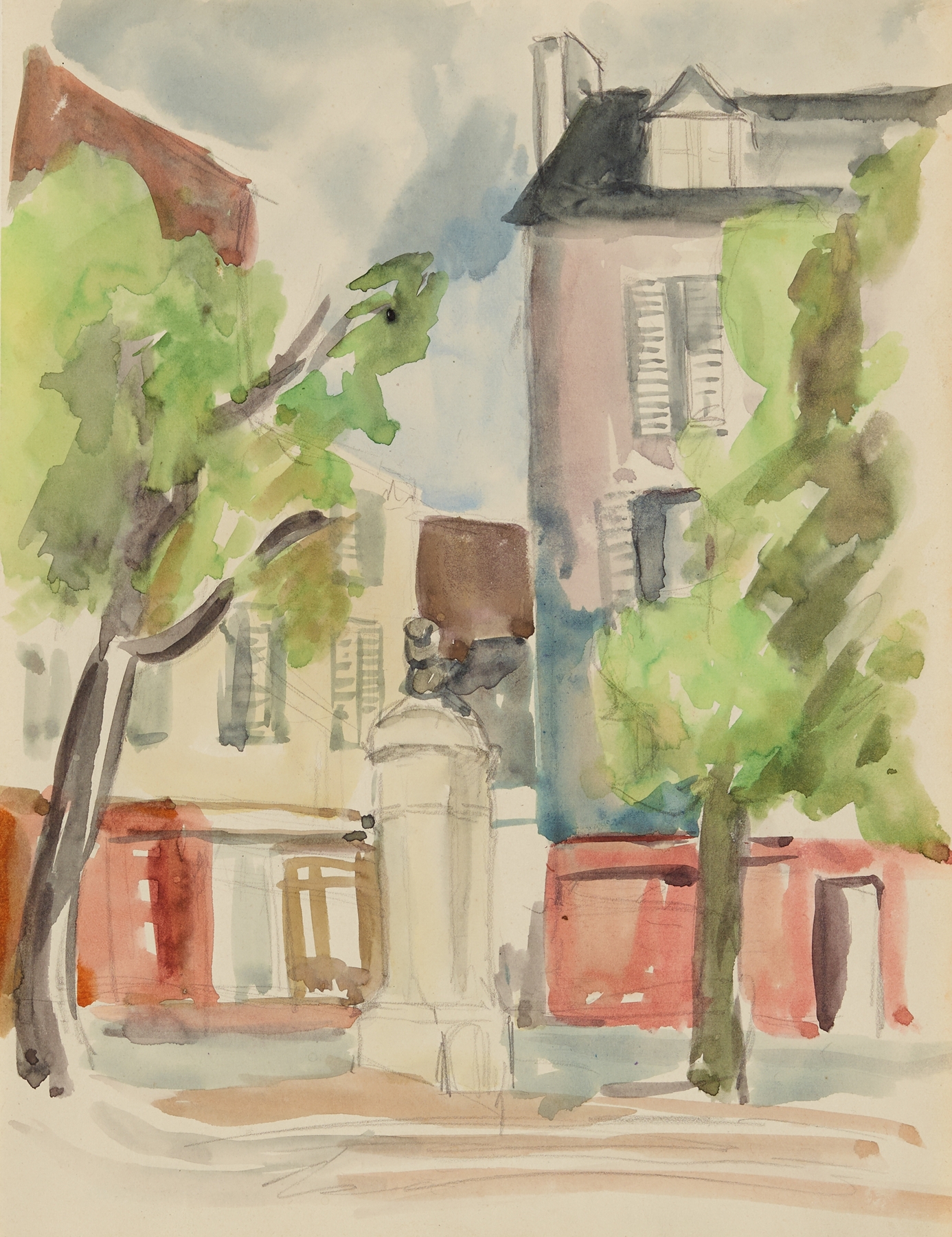
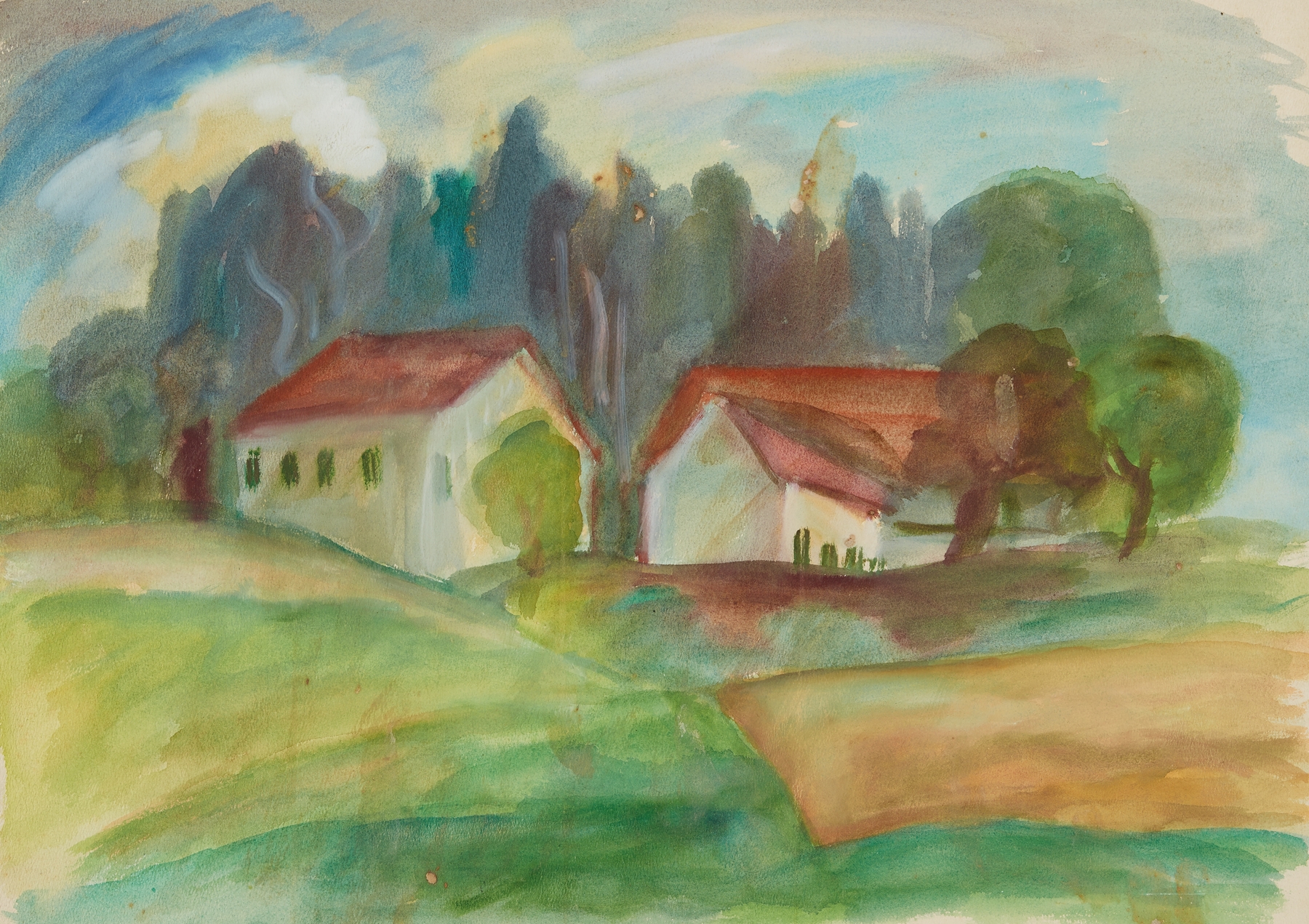
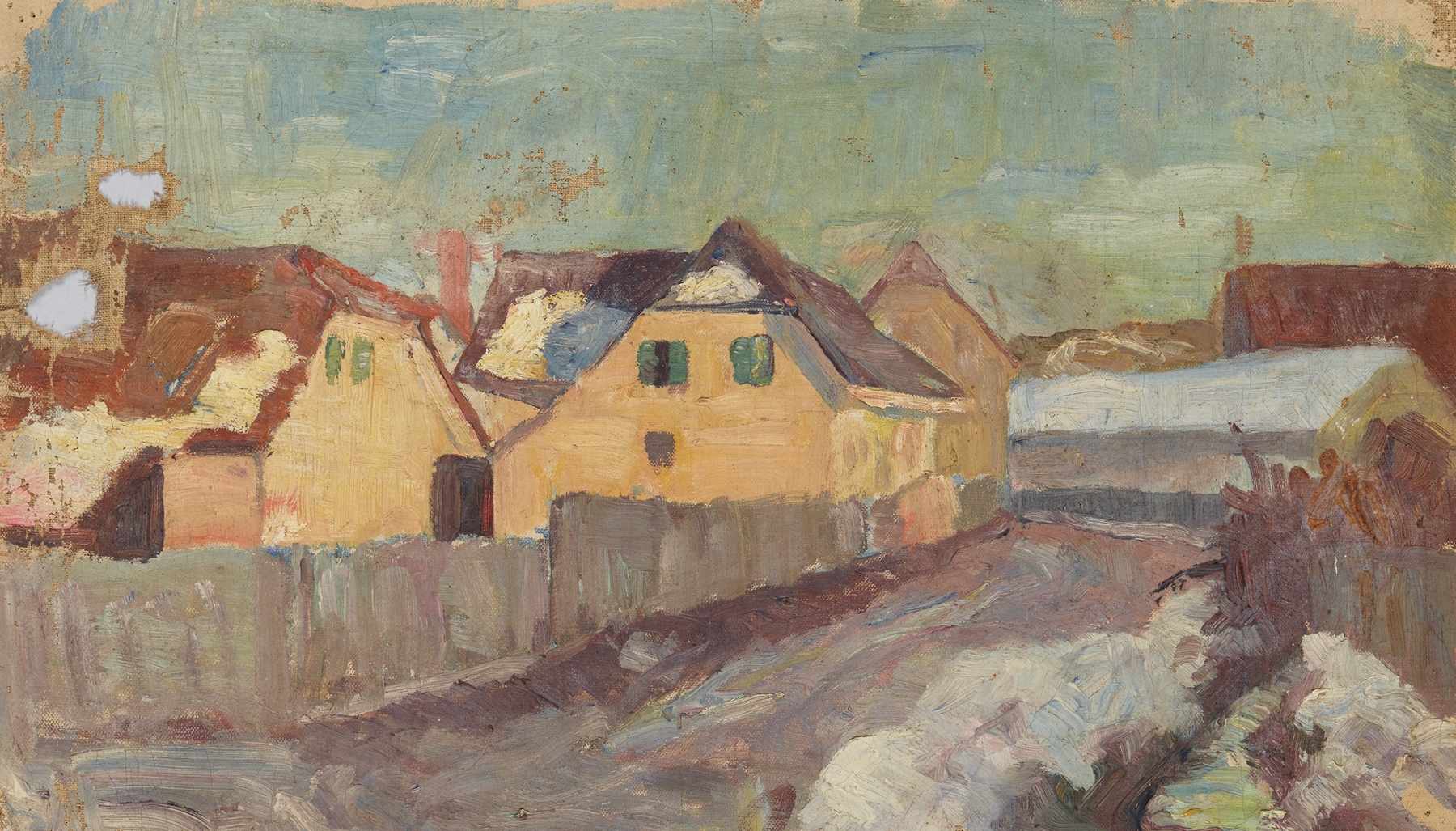
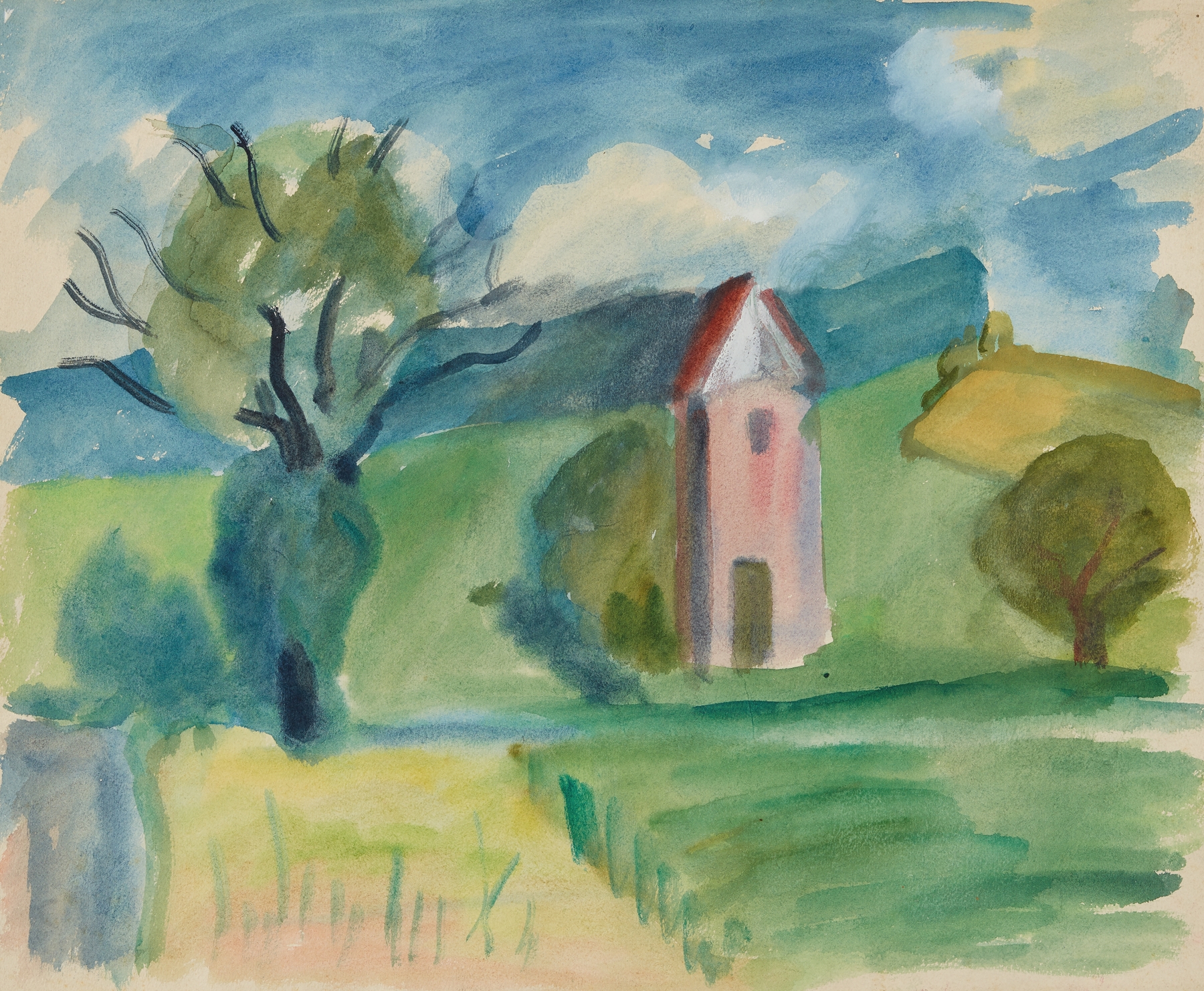
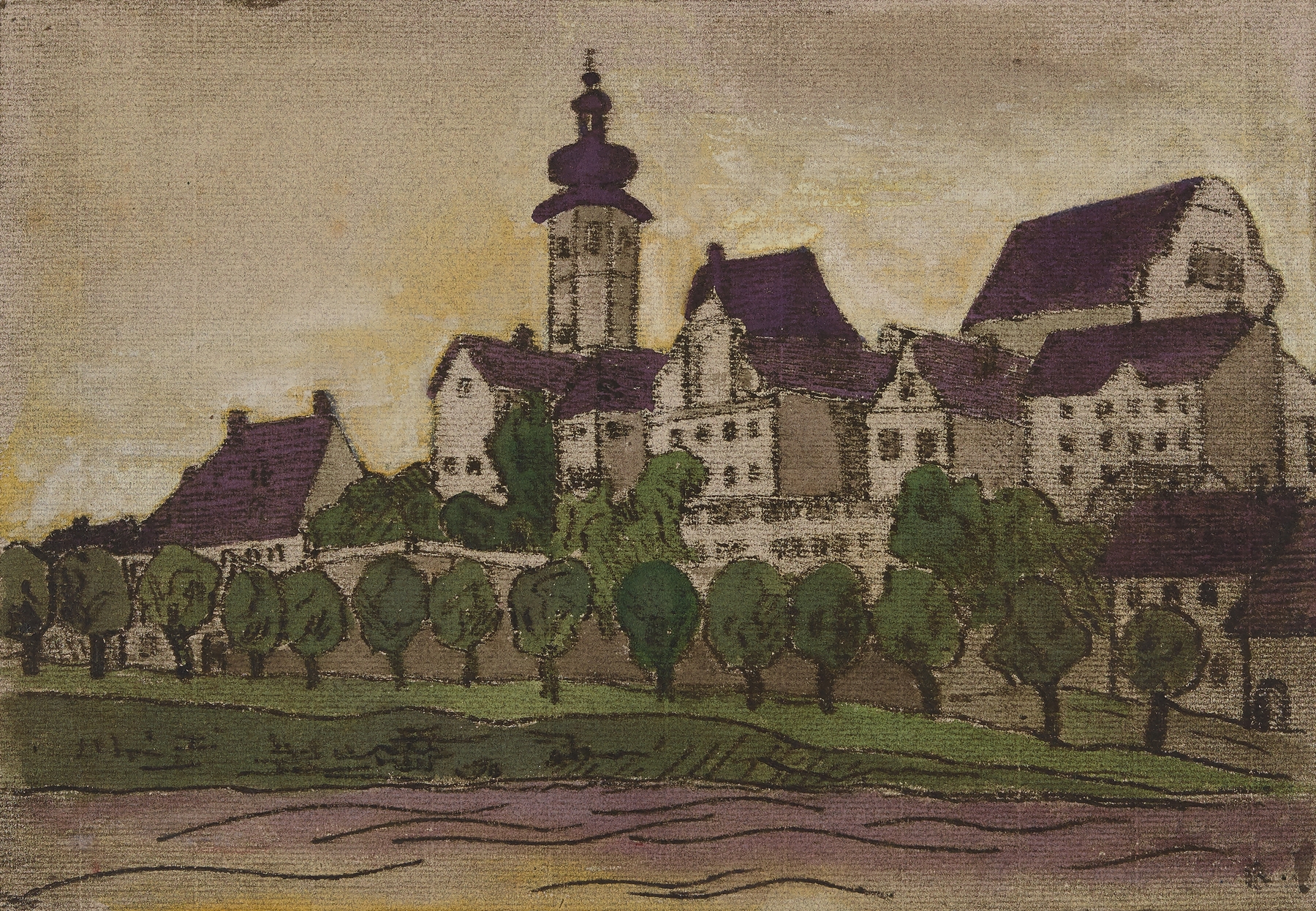
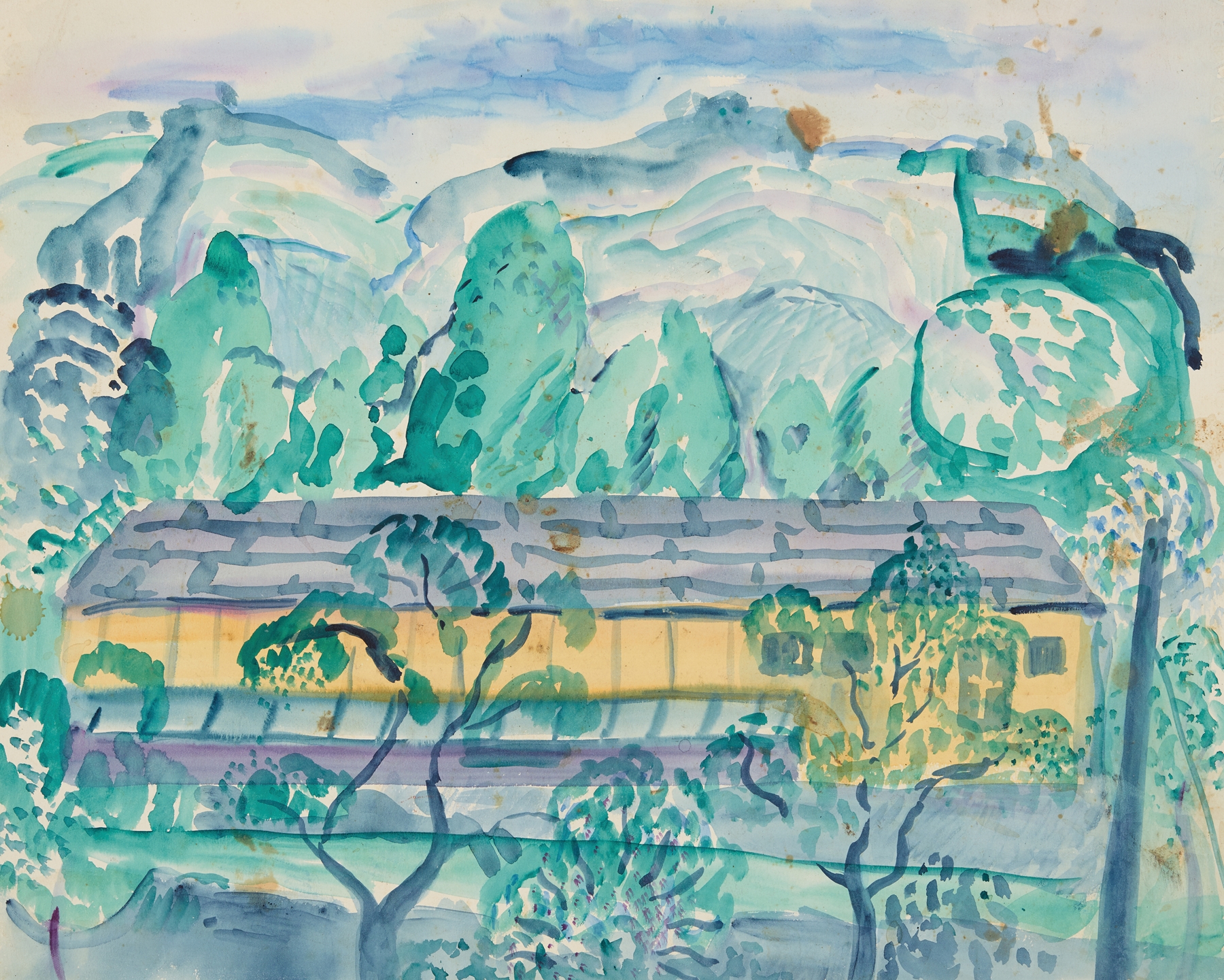
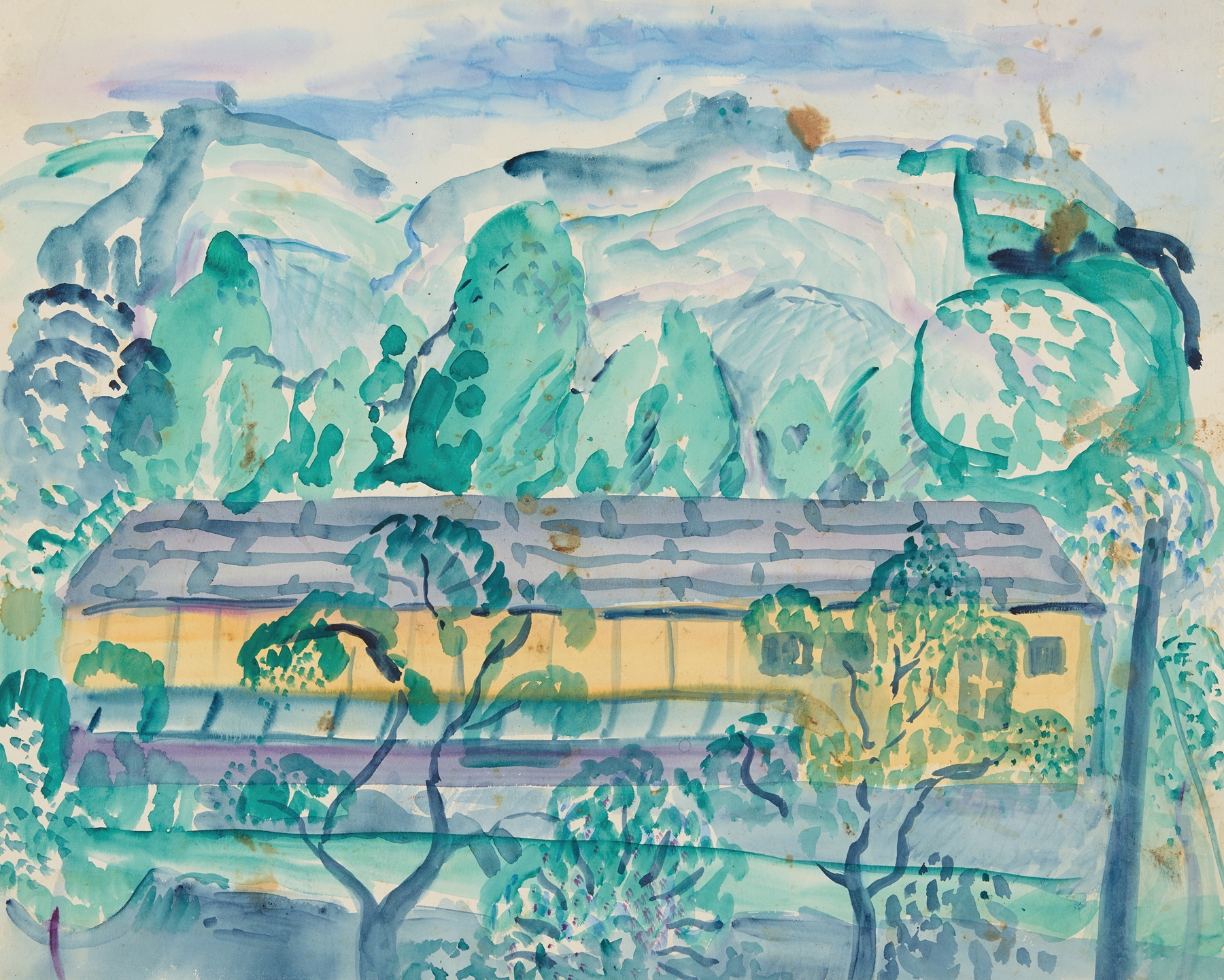
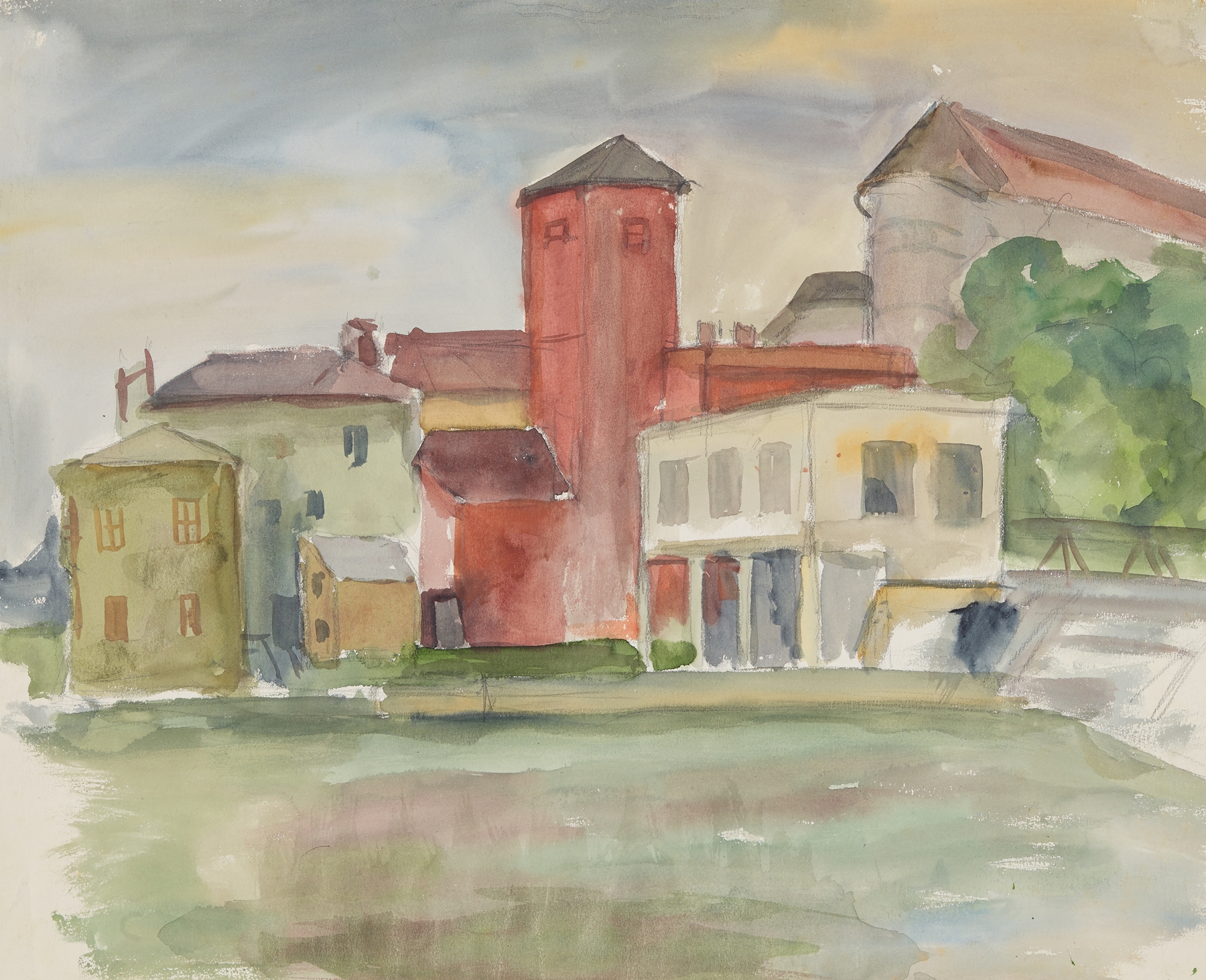
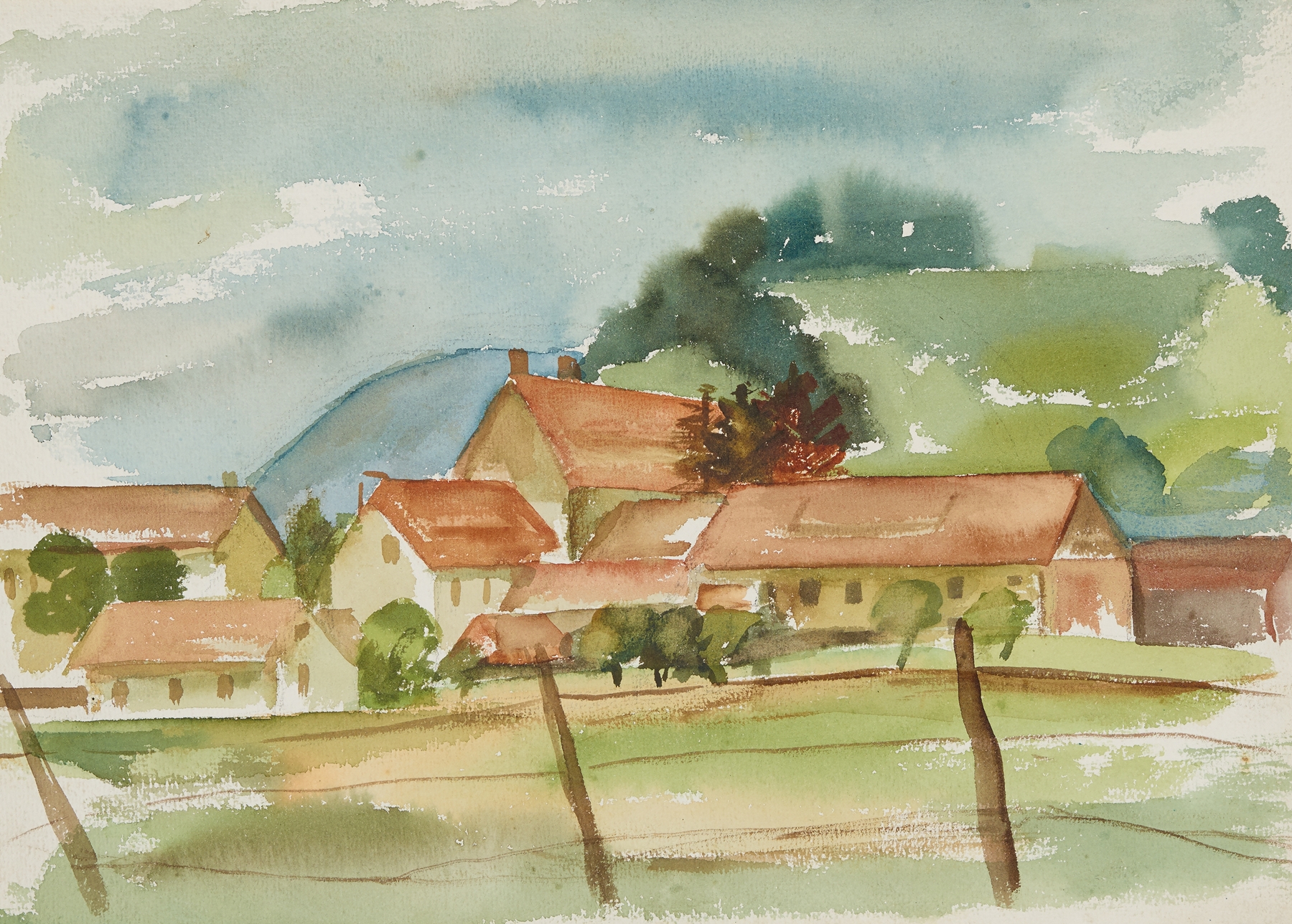
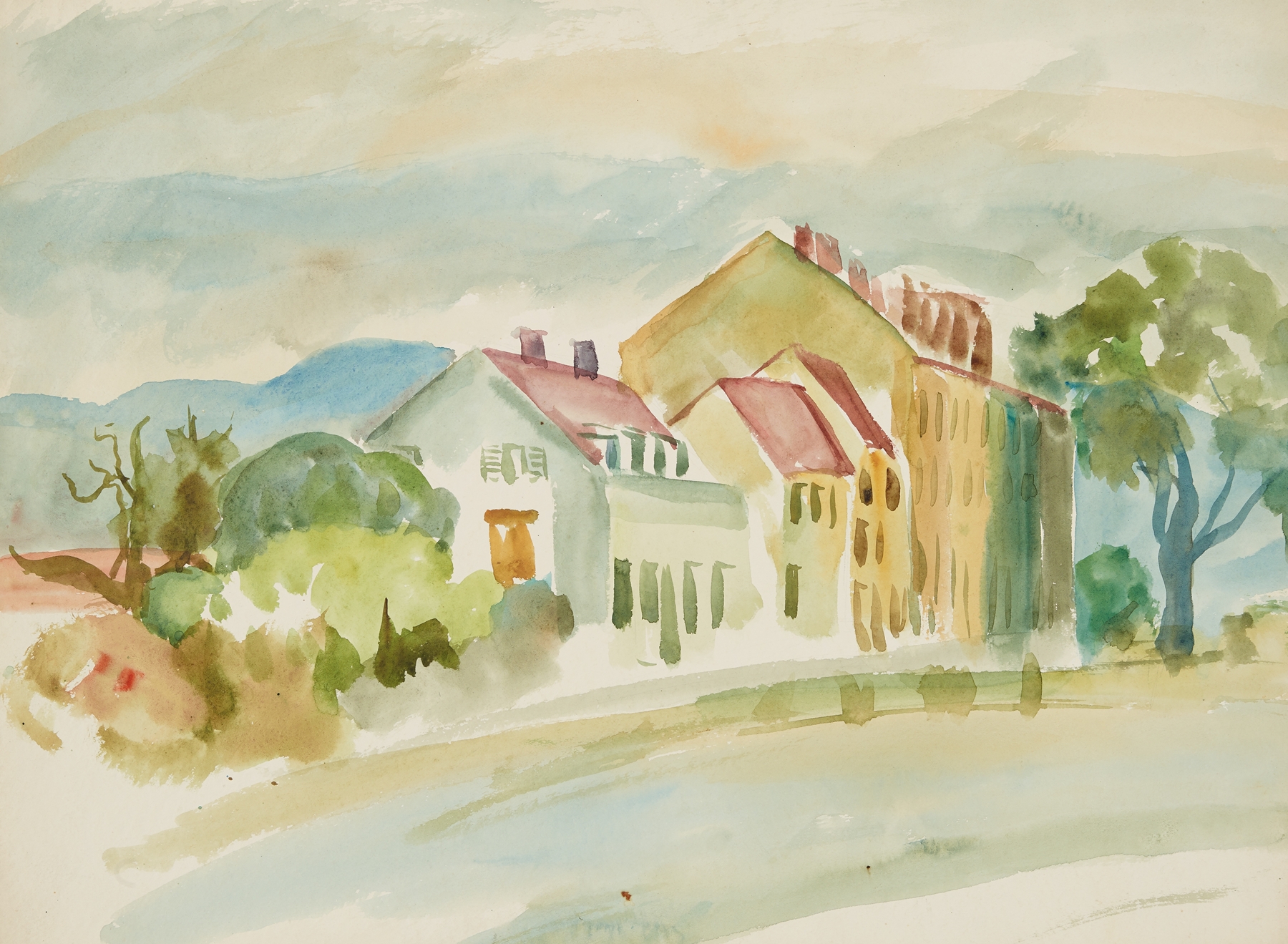
“Every silence here is a confession.” In the shadows of abandonment, decay whispers untold stories, holding a mirror to the past. Each chipped wall and broken window echo the life once breathed into this space, revealing the weight of time’s passage and the solitude it cultivates. Look closely at the corners of the canvas where light struggles to penetrate the murky depths. Notice the muted palette, dominated by browns and dark greens, evoking a sense of melancholy and nostalgia. The artist crafts an intricate dance of light and shadow, with soft strokes that blend seamlessly into the unsettling stillness.
As your eyes traverse the surface, the fragmented textures invite you to contemplate the layers of history embedded within the scene. In this work, hidden narratives unfold in the interplay between the decaying elements and the subtle hints of life that linger. The cracks in the walls represent not just physical deterioration but also the emotional fractures of memory and loss. The sparse vegetation peeking through the rubble signifies resilience, a testament to nature’s ability to reclaim what was once lost.
Together, these contrasts create a tension that evokes both despair and a flicker of hope. Anny Dollschein painted this piece in 1943, during a tumultuous period marked by personal and global strife. Living in a war-torn Europe, she found herself grappling with the weight of loss and the haunting remnants of a world in decay. The artistic community at that time was wrestling with themes of identity and survival, and Dollschein's work reflects this poignant struggle through the lens of forgotten spaces, evoking a deep, resonant silence.