Hussars on a patrol — History & Analysis
Could a single brushstroke hold eternity? In Hussars on a Patrol, shadows dance across the canvas, whispering secrets of valor and solitude within the ranks of the hussars. Look to the majestic figures stationed prominently in the foreground, their uniforms a striking contrast of rich blues and deep reds against the muted earth tones of the landscape. Notice how the light caresses their forms, defining faces and reflecting glimmers of determination.
The artist employs a delicate interplay of light and shadow, sculpting not just the bodies but the emotions that lie within their stoic stances. As you delve deeper, consider the tension between the hussars’ noble postures and the tranquil surroundings that envelop them. The shadows extend far beyond mere absence of light; they embody the weight of duty and the burden of unspoken fears. Each hussar stands as a sentinel, yet their gazes hint at the vulnerability beneath the armor, offering a stark reminder of the fragility of courage against the vastness of the unknown.
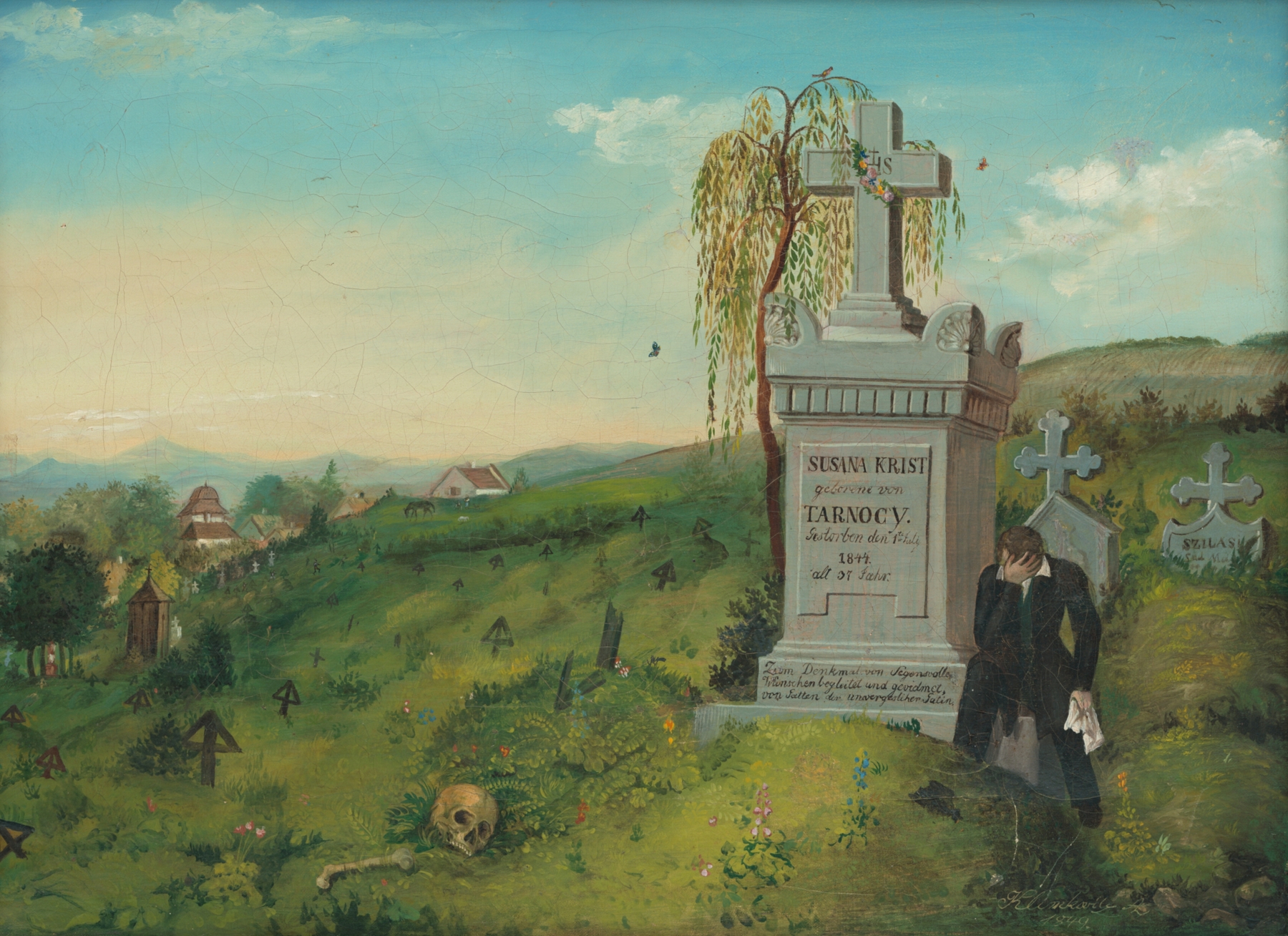
František Klimkovič painted this work between 1850 and 1855, a time when Europe was embroiled in political upheaval and nationalistic fervor. As a Polish artist living in a tumultuous age, his choice of subject reflects the romanticism of military valor while also delving into the psychological complexities of those who serve. This painting serves as a poignant representation of an era, capturing both the glory and the shadows that accompany the life of a soldier.