Košický cintorín — History & Analysis
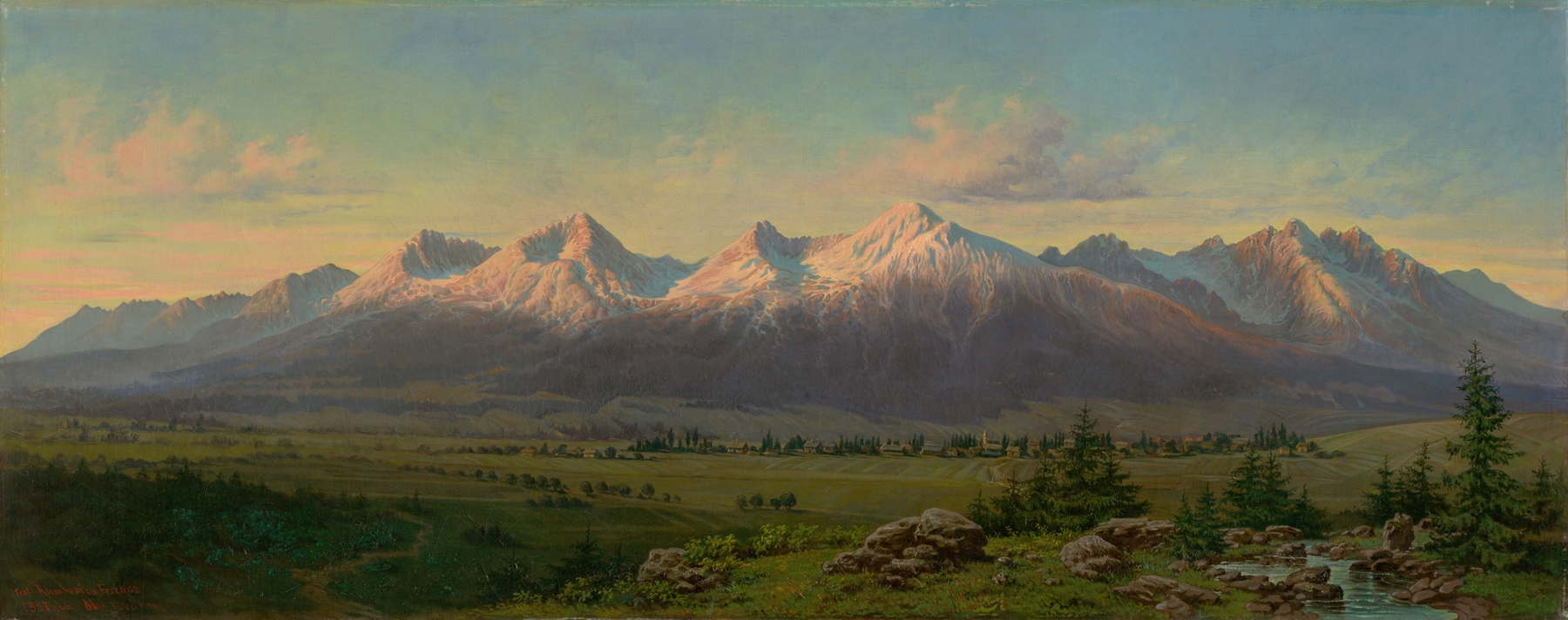
Can paint confess what words never could? The radiant interplay of light and shadow in this work reveals secrets hidden in the crevices of memory and longing. Look closely at the illuminated foreground, where soft brushstrokes capture the delicate petals of flowers scattered atop gravestones. Notice how the flickering sunlight drapes over the weathered stones, illuminating their textures and casting gentle shadows that dance across the earth.
The palette is muted yet rich, suggesting an autumnal decay that whispers of both beauty and loss. As you delve deeper, observe the tiny details that evoke profound emotional resonances. The juxtaposition of vibrant life in the flowers against the stark, silent gravestones hints at the permanence of death, contrasting with the transience of existence. This tension embodies a poignant meditation on mortality, inviting the viewer to reflect on their own journey through life and death.
František Klimkovič painted this piece in 1849, during a period when the Romantic movement was exploring themes of nature, identity, and the human condition. Working in Slovakia, he was influenced by both nationalistic sentiments and the broader European art scene, which sought to express emotional depth through vivid landscapes and intimate scenes. This artwork, infused with personal and cultural significance, stands as a testament to his unique perspective on life’s ephemeral beauty.