Vysoké Tatry — History & Analysis
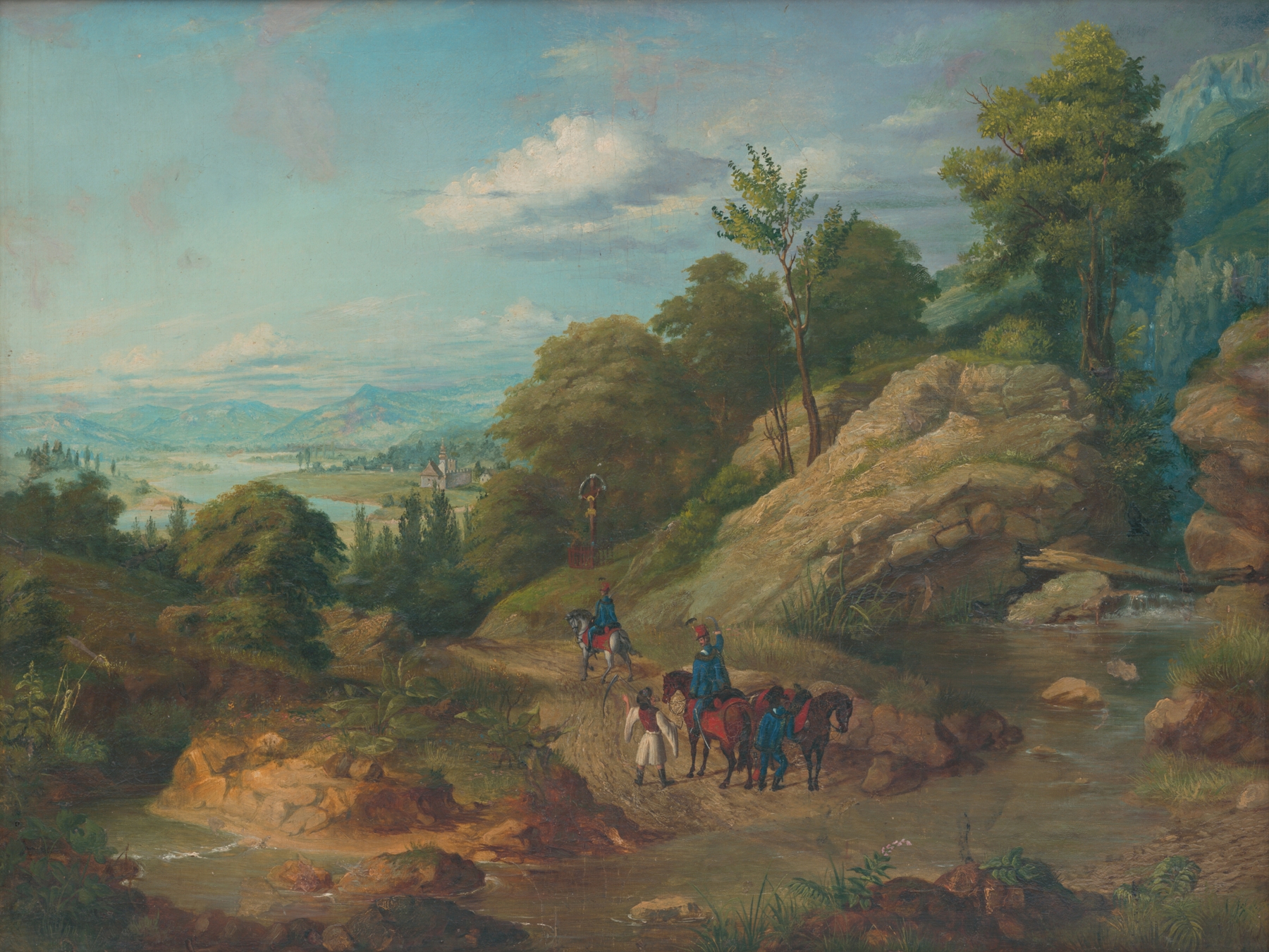
“Sometimes beauty is just pain, disguised in gold.” In a world where ecstasy intertwines with anguish, the peaks of Vysoké Tatry emerge as a testament to nature’s complex soul. Focus on the brilliant contrasts within the canvas. Look to the striking blues and whites that dominate the sky and mountains, creating a sense of majesty and serenity. Notice how Klimkovič employs delicate brushstrokes to evoke the rugged textures of the rocks, each stroke revealing the artist's reverence for this breathtaking landscape.
The vibrant greens at the base hint at life and vitality, grounding the scene in an emotional reality that balances the overwhelming grandeur of the peaks. Yet, within this natural beauty lies an undercurrent of turmoil. The mountains, though awe-inspiring, symbolize the daunting struggles of life—an ever-present reminder of the challenges one must face. The juxtaposition of light and shadow suggests a fleeting moment of peace overshadowed by the weight of existence.
It's a bittersweet dance of ecstasy and despair, a reflection on the duality of beauty where joy often coexists with sorrow. In 1887, František Klimkovič painted this work during a transformative period in his career, while living in the heart of Slovakia. The region was experiencing a renaissance of national identity and artistic expression, pulsating with the vibrant energy of emerging movements. This piece stands as a culmination of his exploration of the Slovak landscape, infused with both personal and cultural significance, marking a pivotal moment in his artistic journey.