IJzeren kist — History & Analysis
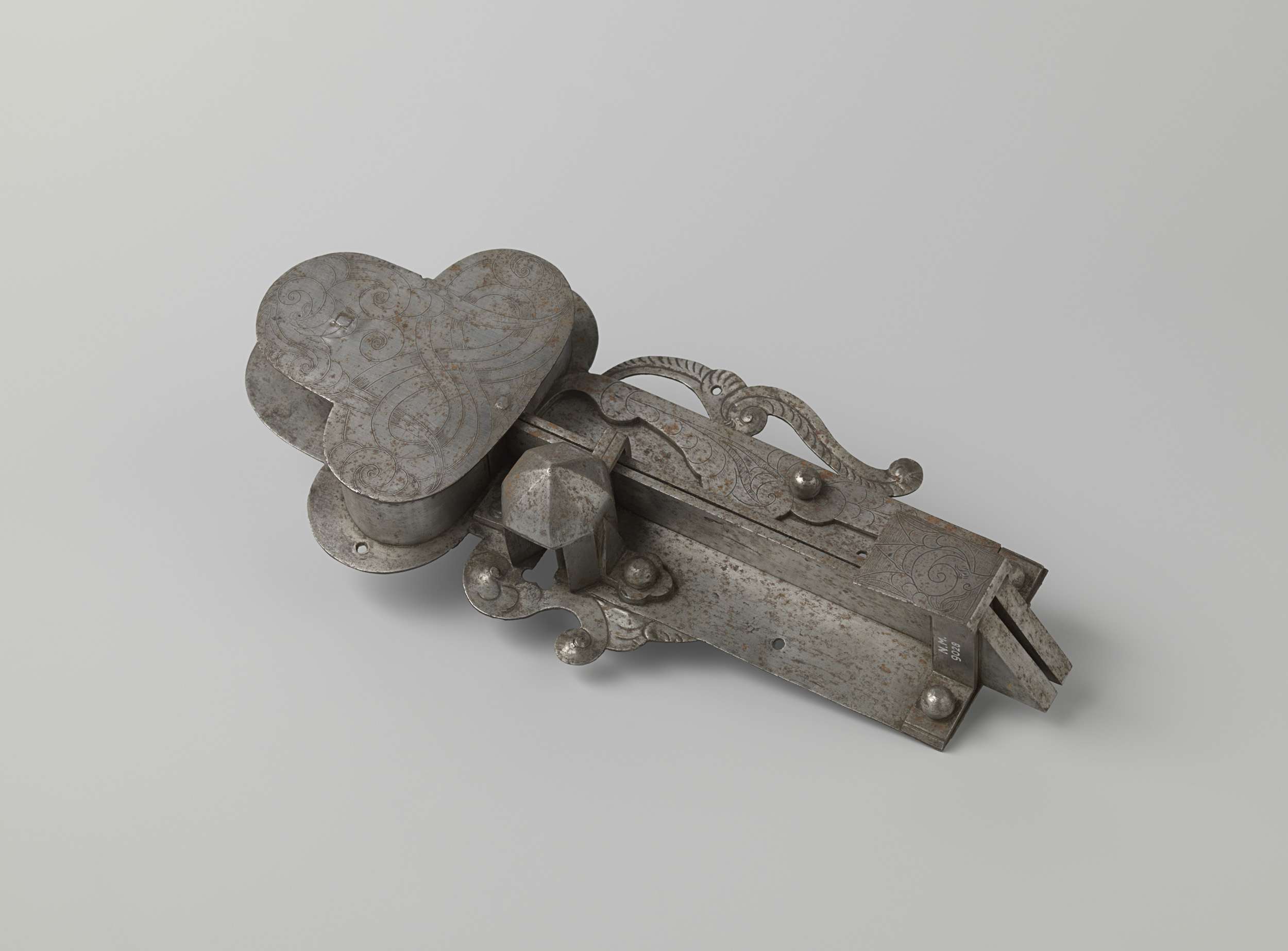
Is this a mirror — or a memory? The interplay of reflected light and tangible texture invites a questioning gaze, urging the viewer to explore the boundaries between reality and recollection. Focus on the textured surface of the mysterious chest, the intricate carvings and patterns that tell stories of their own. Notice how the light dances across the polished wood, creating a shimmering effect that hints at both the passage of time and the weight of unspoken histories.
The subtle color palette, dominated by warm browns and muted golds, calls attention to the craftsmanship, evoking a sense of nostalgia and reverence. The chest stands as a vessel of duality, evoking feelings of both protection and confinement. Its ornate exterior suggests wealth and significance, while the closed lid symbolizes secrets held within. One can't help but ponder what memories, both joyous and sorrowful, it has witnessed.
This tension between visibility and obscurity resonates deeply, inviting reflections on what we choose to reveal and what we hold close. Created between 1500 and 1600, this piece remains anonymous, echoing the mystery of its origin. During this period, Europe was witnessing profound transformations in art and society, from the Renaissance's focus on humanism to the reformation that shifted religious perceptions. The artist's hand, though unknown, contributed to the rich tapestry of craftsmanship that defined this era, leaving behind a timeless artifact that continues to provoke thought and emotion.