In Autumn — History & Analysis
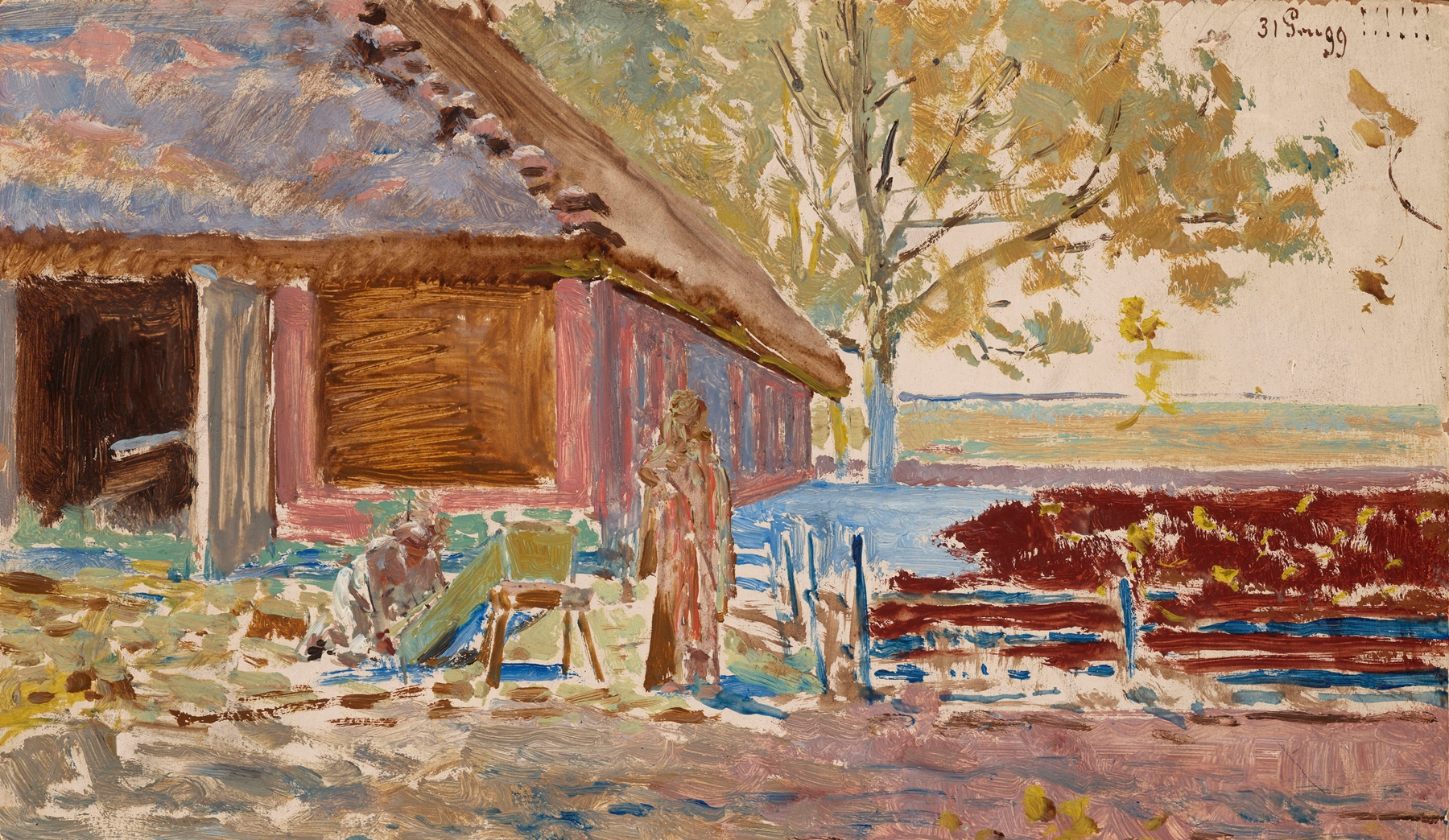
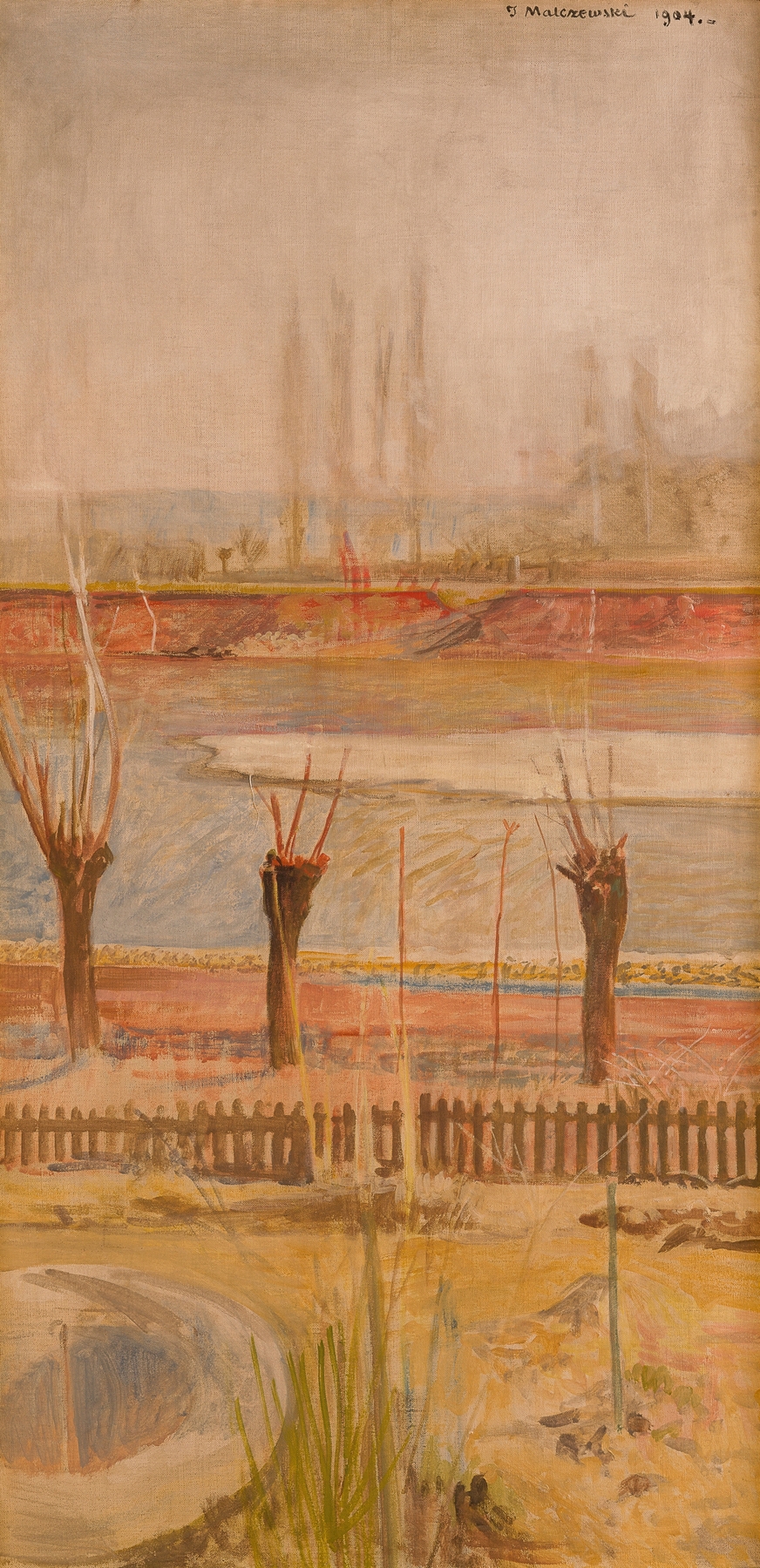
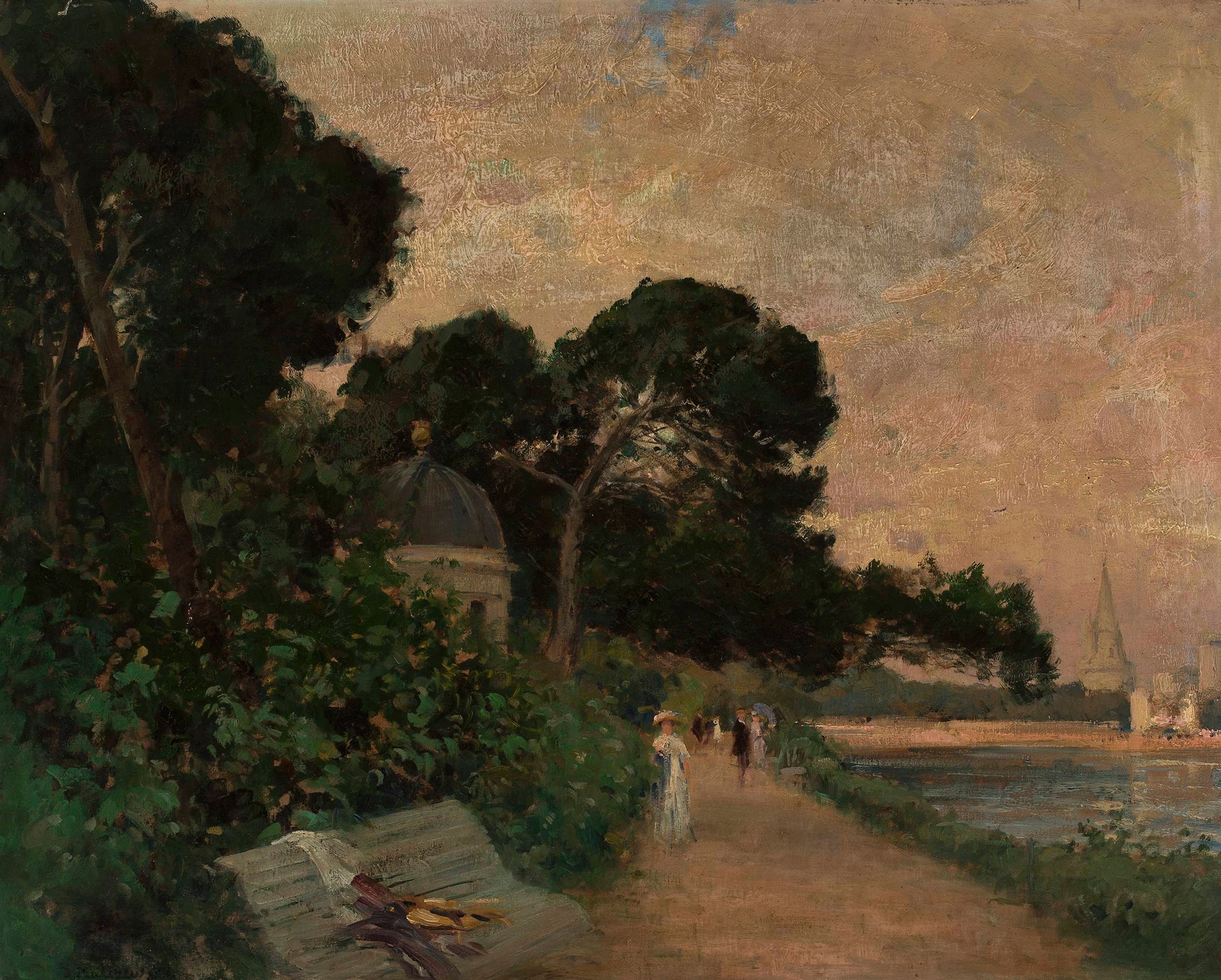
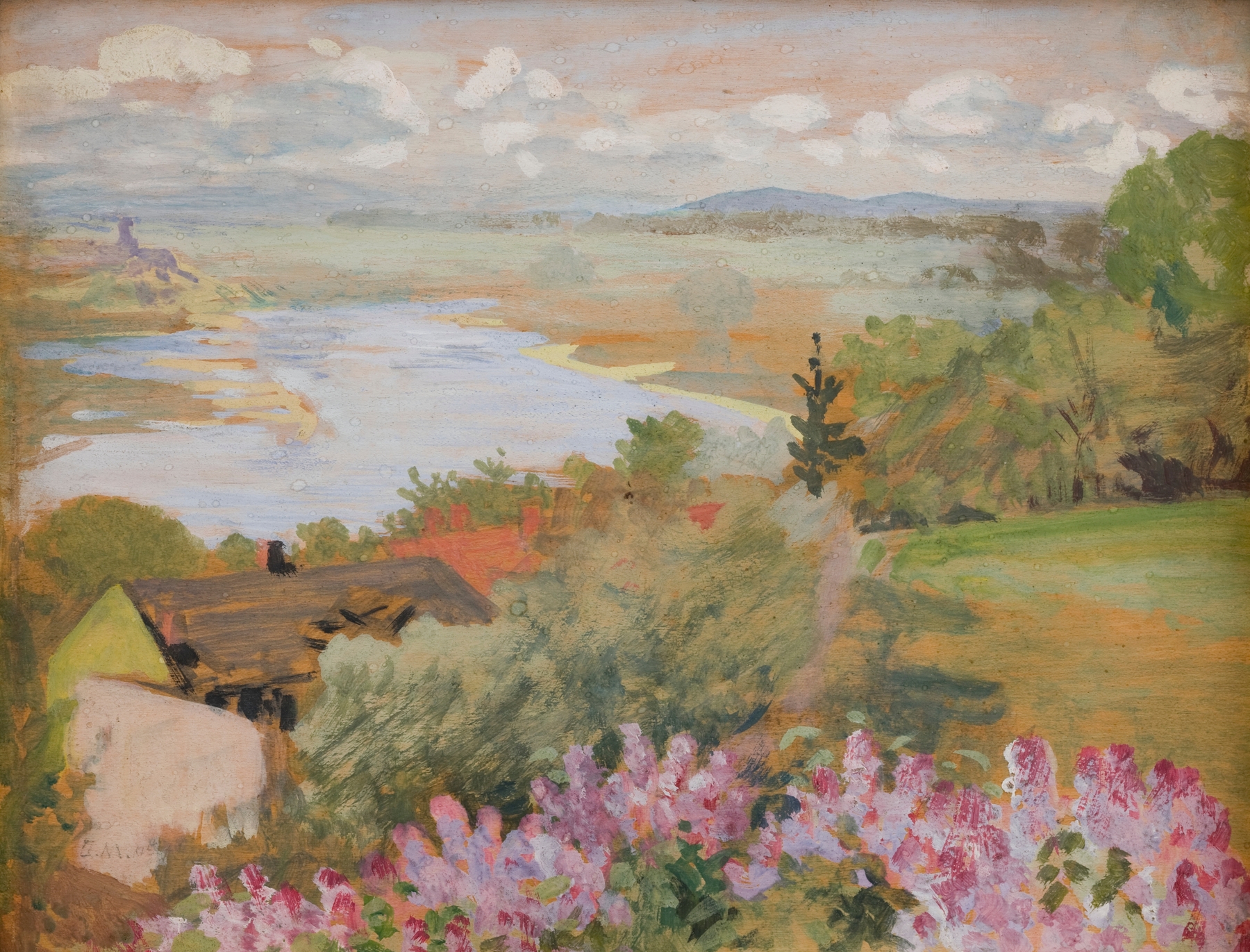
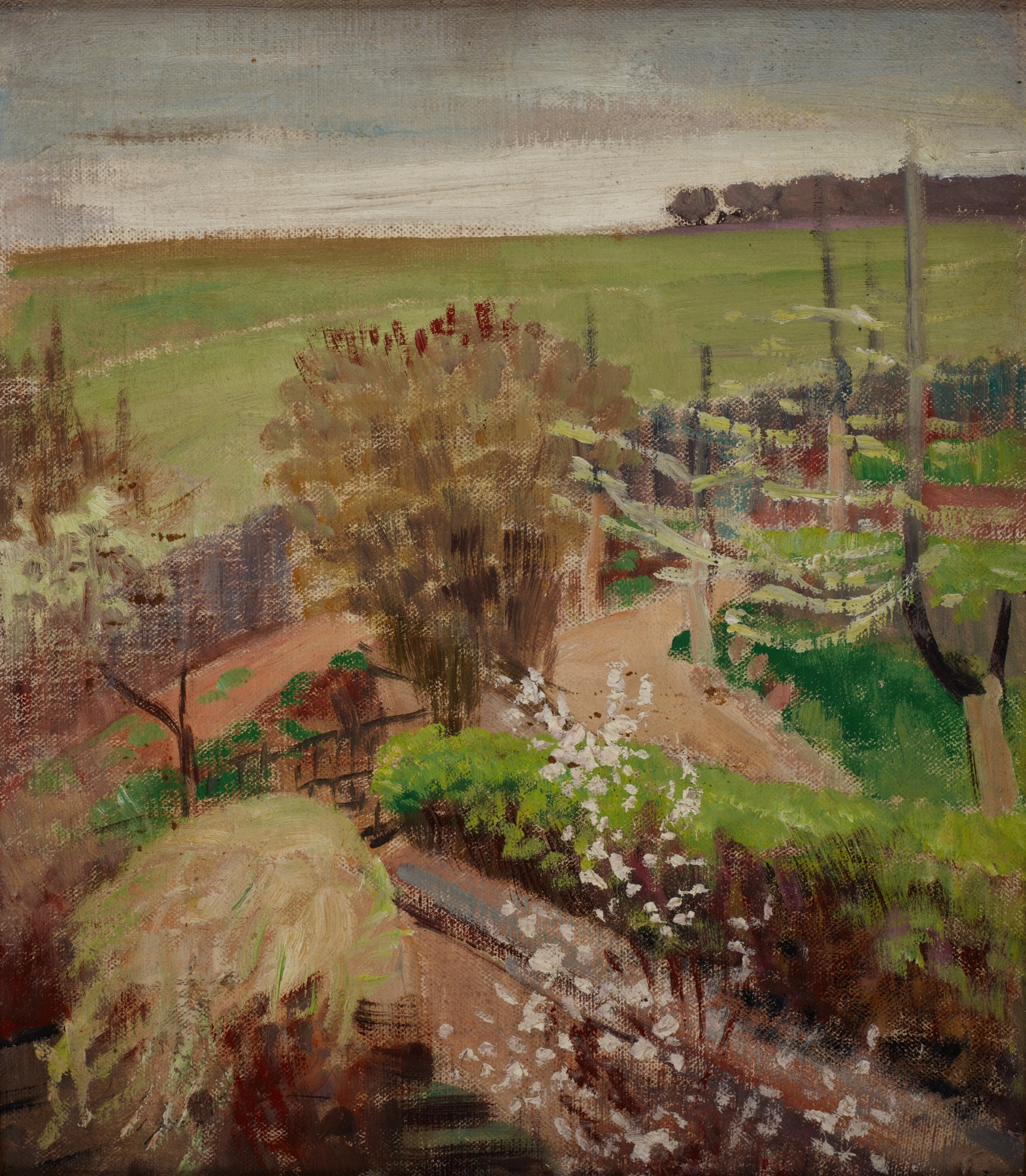
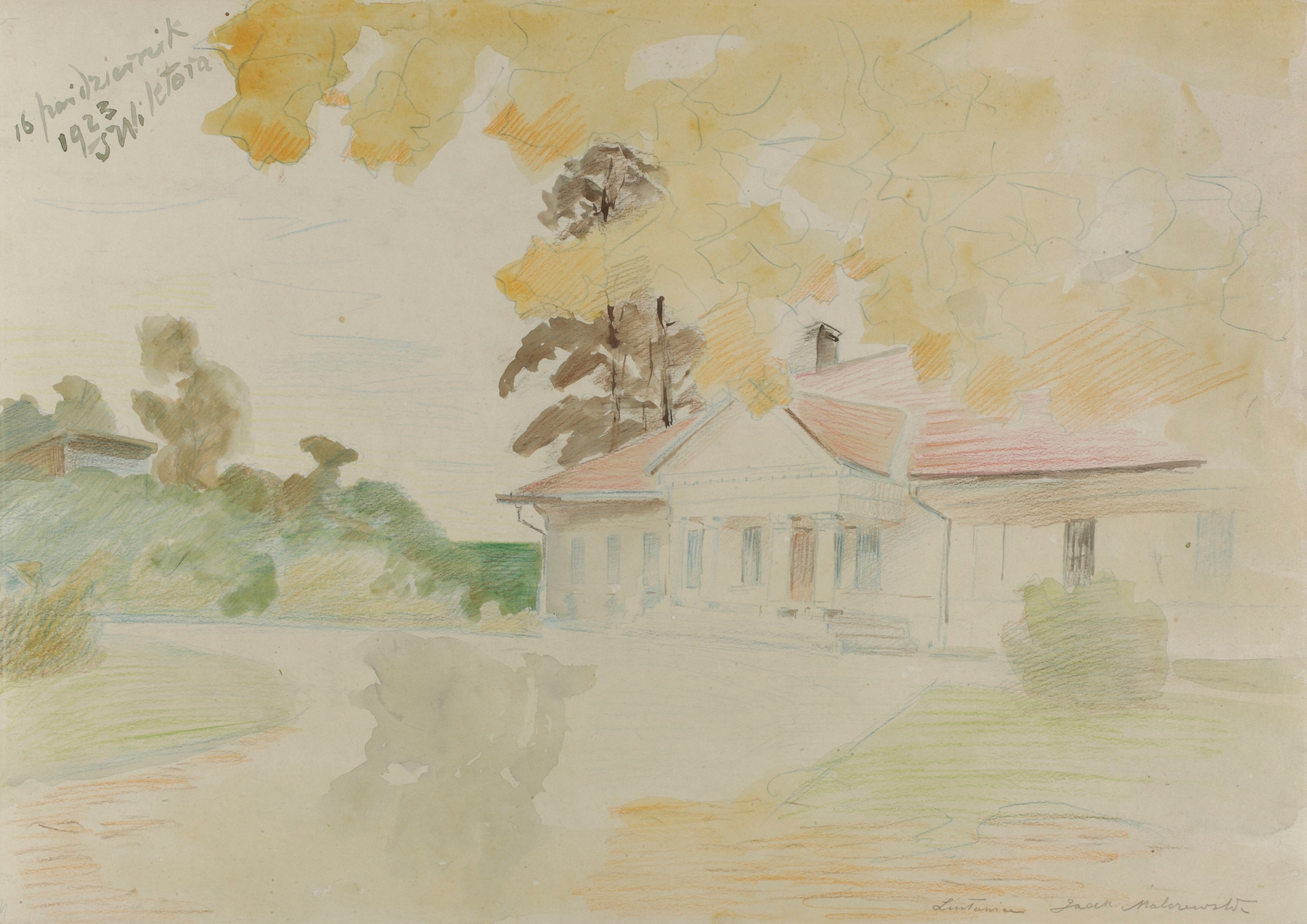
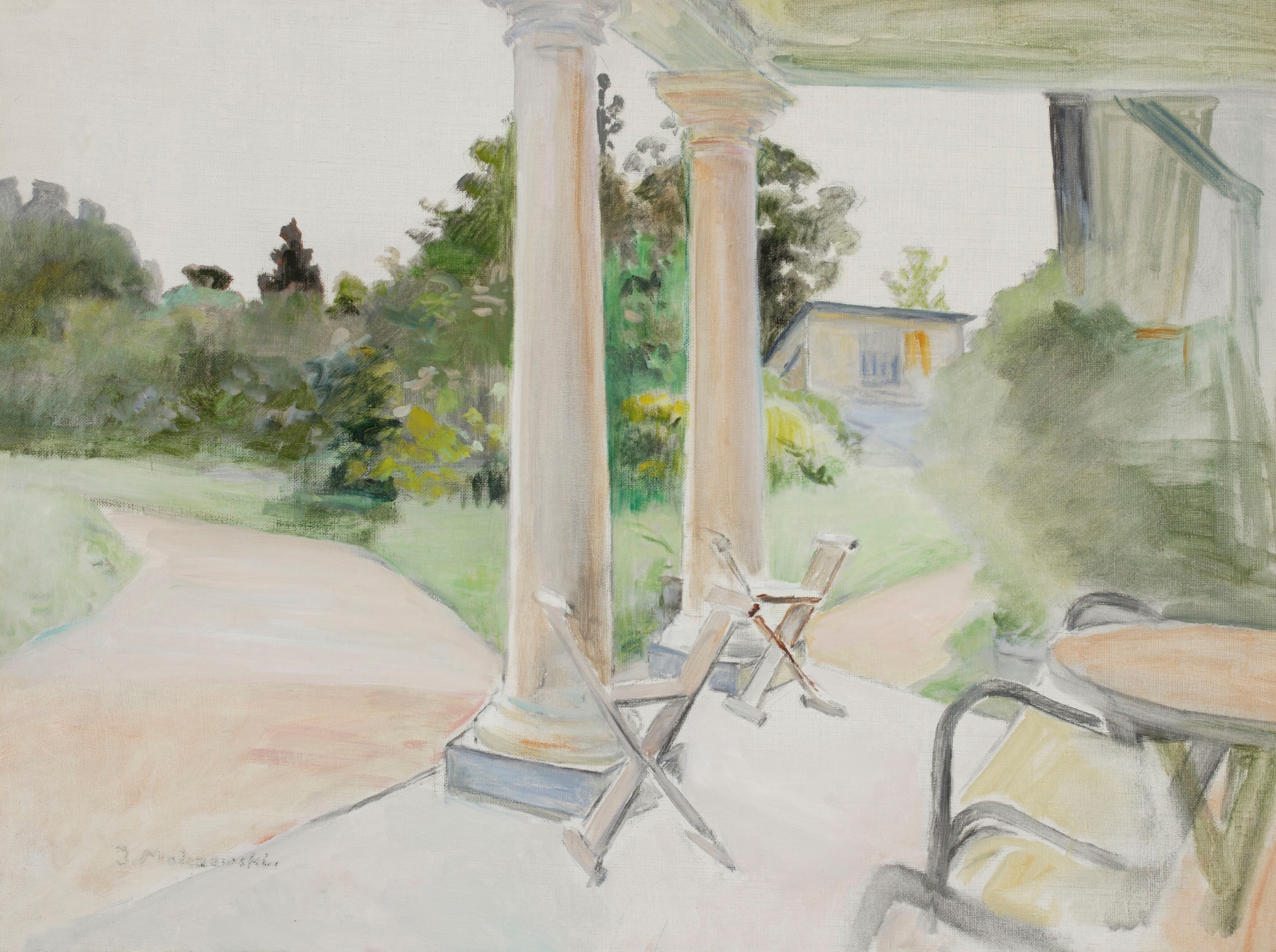
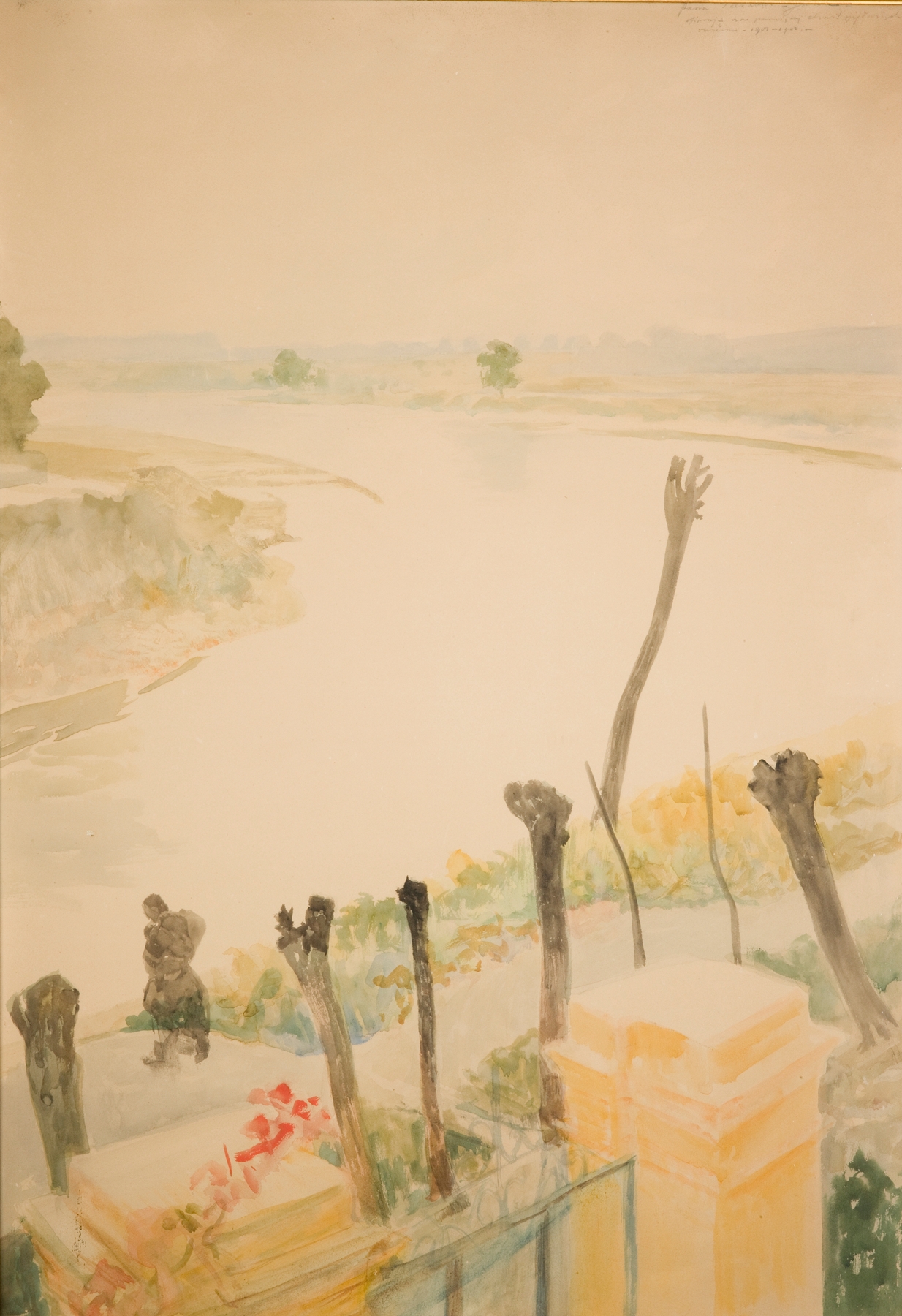
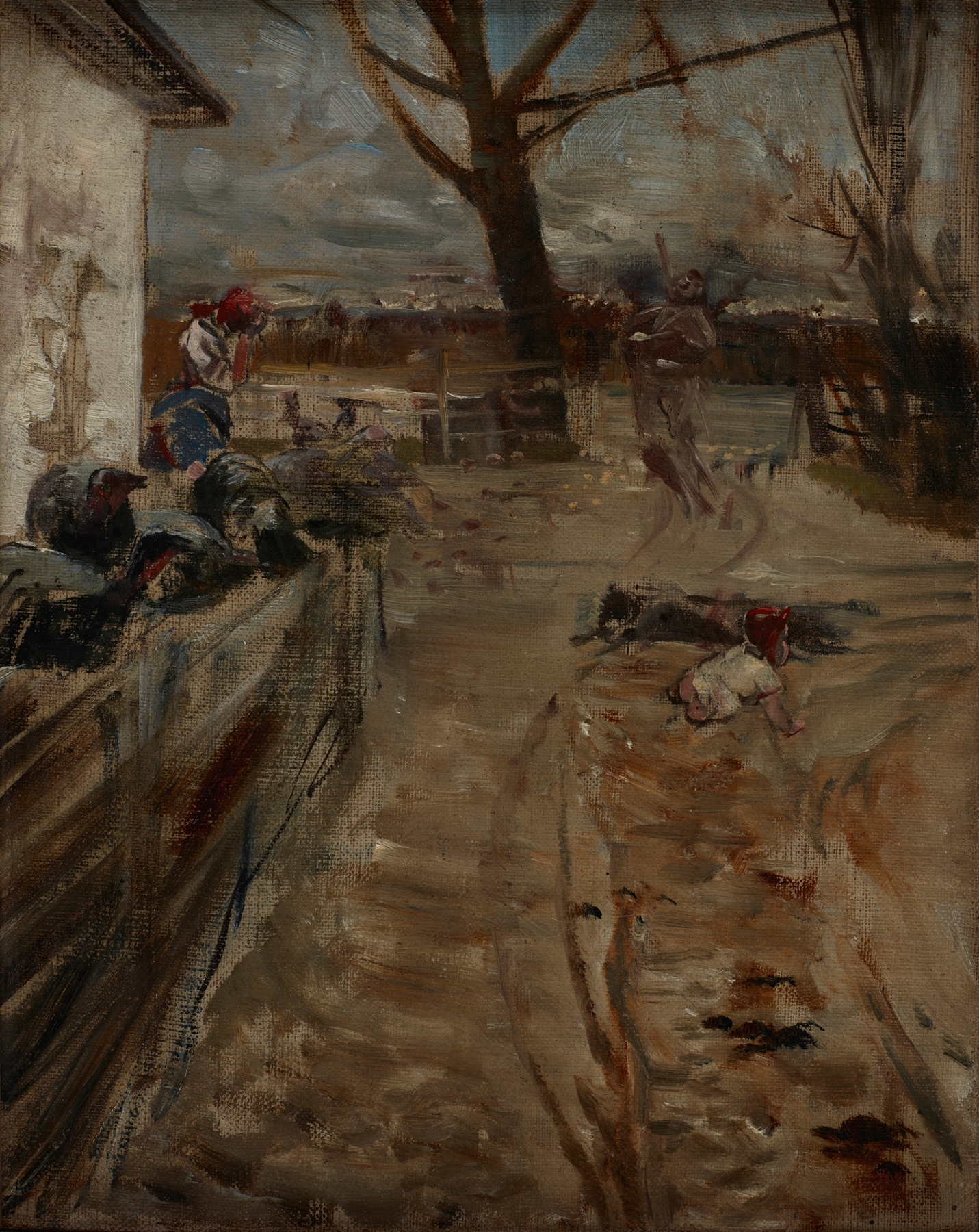
What if beauty was never meant to be finished? In In Autumn, fleeting moments of desire collide with the permanence of nature, leaving behind an echo of longing. Look to the left at the solitary figure draped in rich, warm tones, embodying the very essence of autumn’s embrace. Notice how the delicate brushstrokes create a soft yet vibrant landscape, where russet leaves whirl around, caught in a dance of decay.
The light spills gently through the branches, casting a golden hue that envelops the scene, inviting you to linger upon the details that seem to pulse with life—and yet, whisper of transience. The interplay of color reveals a deeper tension between the vibrancy of life and the inevitability of change. The yearning expression on the figure's face speaks not only of beauty but also of a hidden sorrow for what is to come. The fallen leaves, symbolizing the passage of time, contrast sharply with the figure’s immobility, hinting at the struggle between desire and acceptance.
This duality compels the viewer to confront their own emotions, caught in the inescapable cycle of loss and renewal. Created in 1890, Malczewski painted this work during a time of artistic transition in Poland. Living in a period marked by national struggles, he began to embrace Symbolism, merging personal longing with cultural identity. This painting reflects his evolving style, as he sought to express not just the external beauty of the world, but the rich inner life and desires that accompany it.