Landscape — History & Analysis
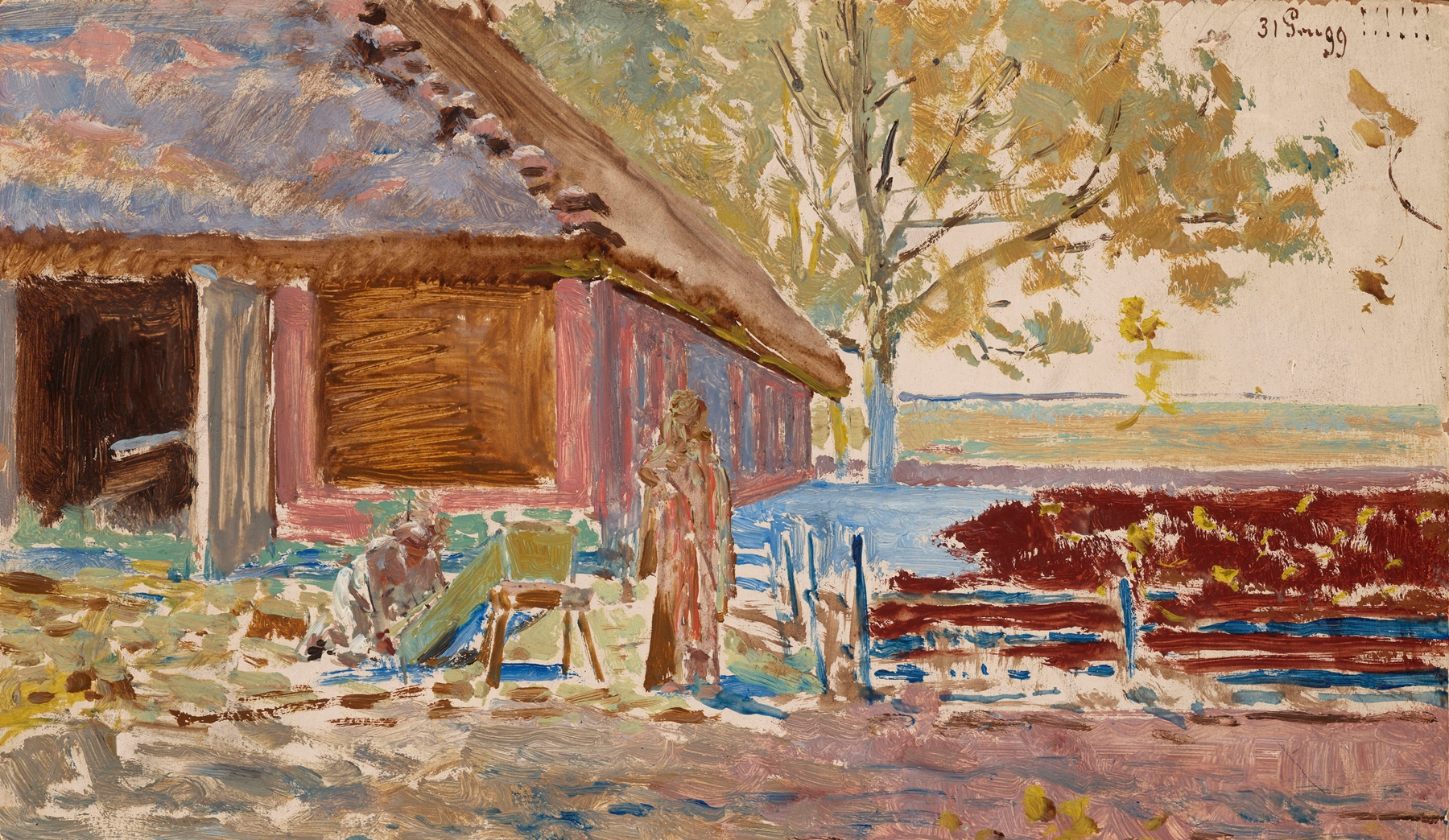
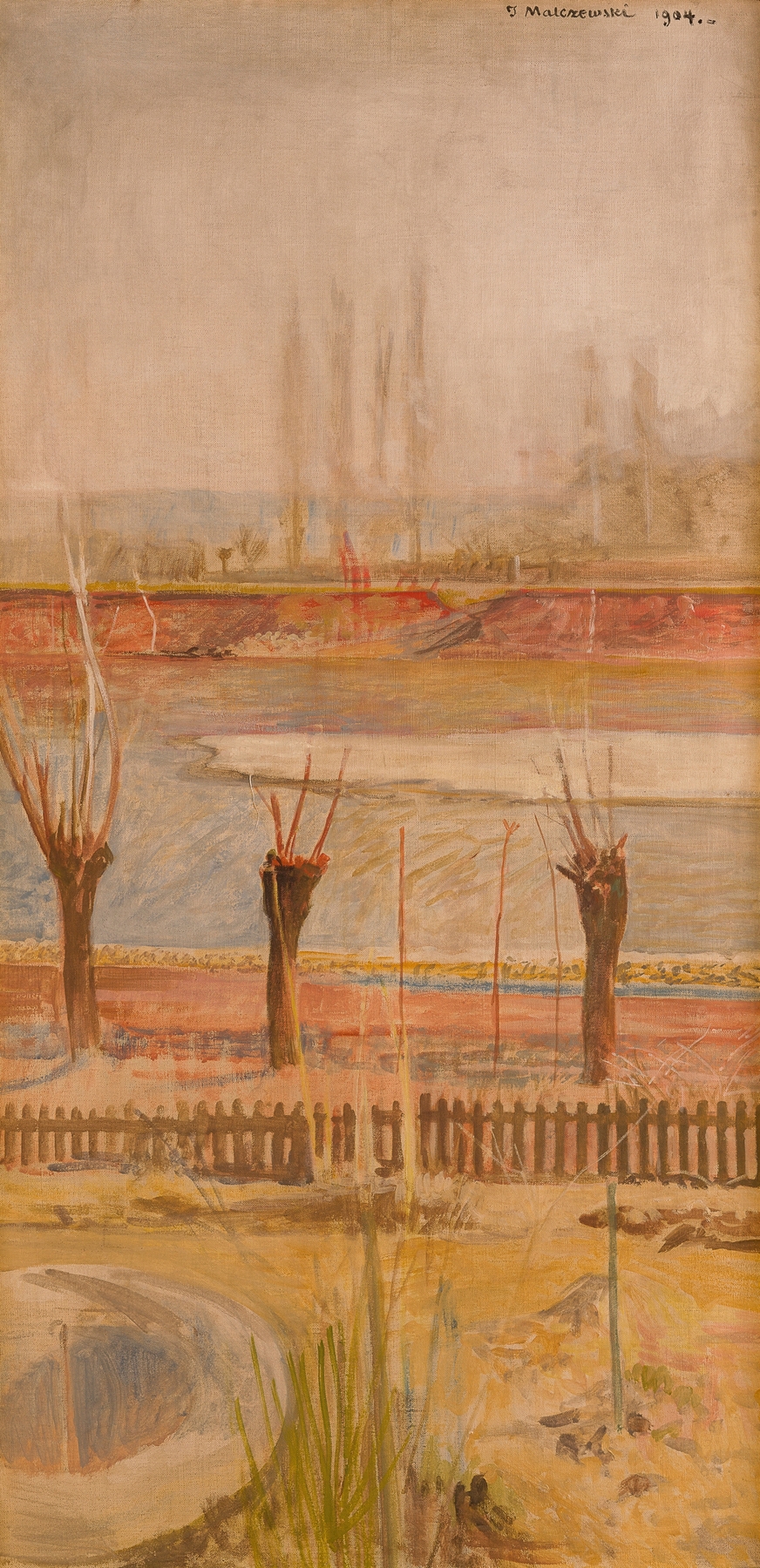
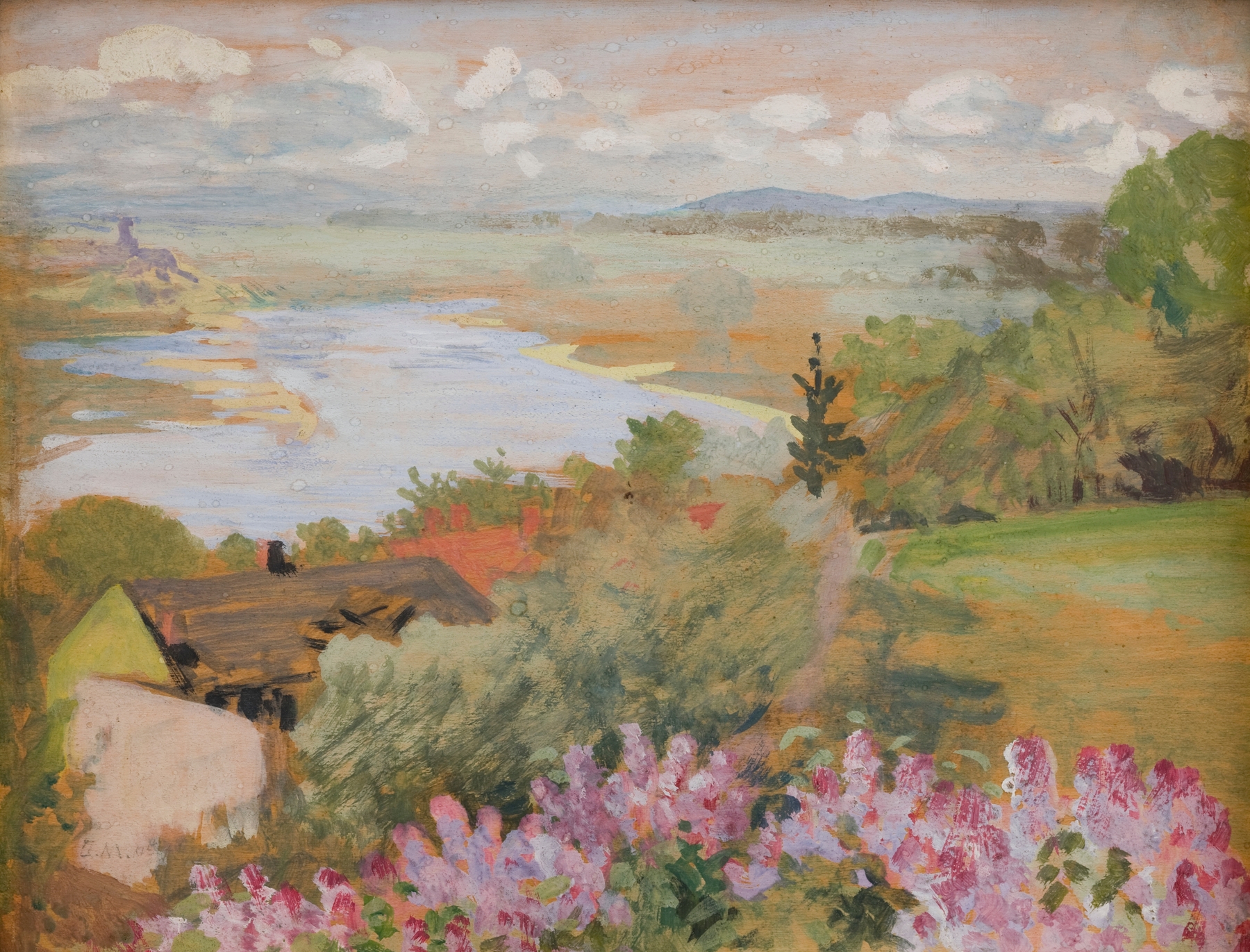
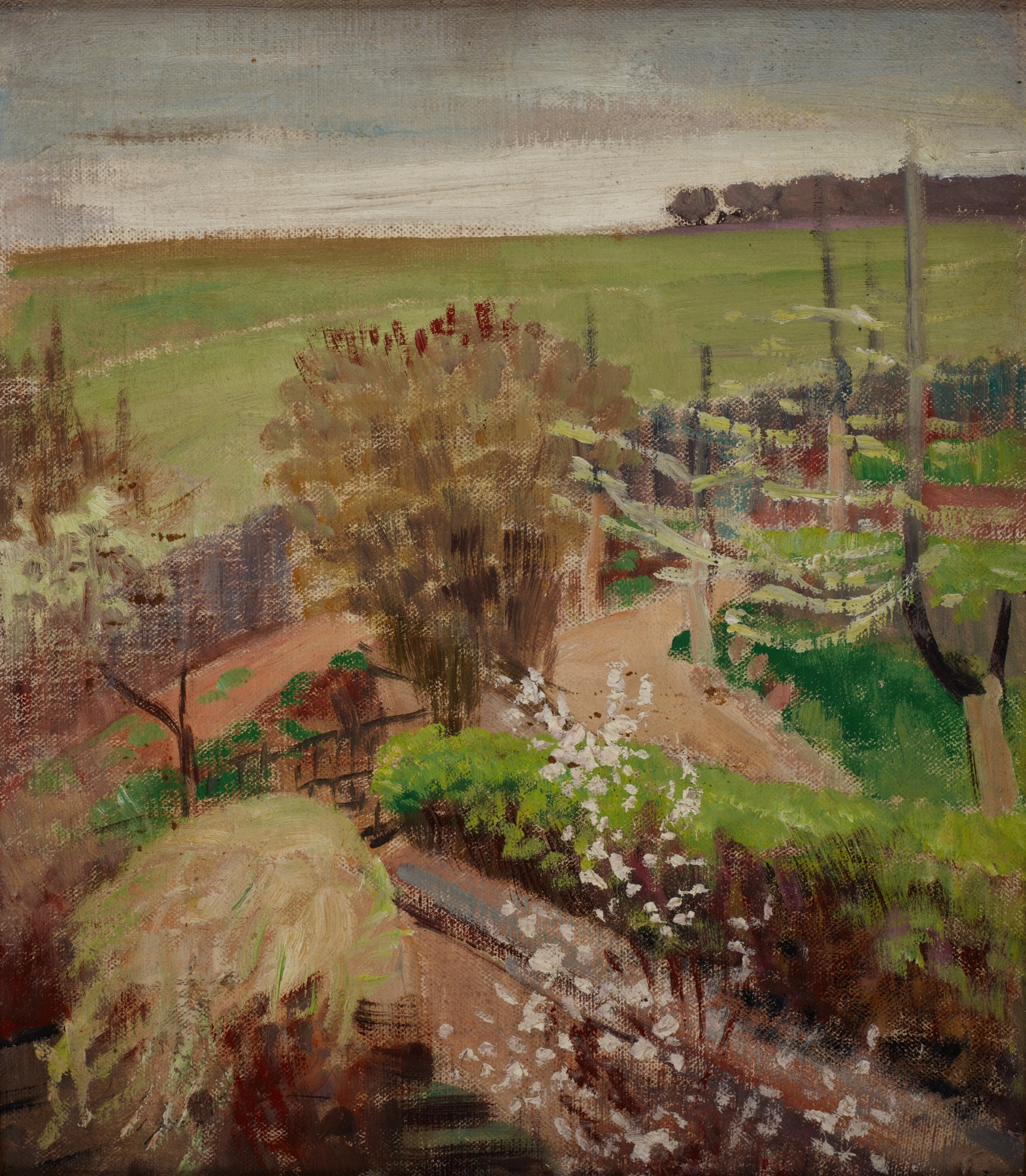
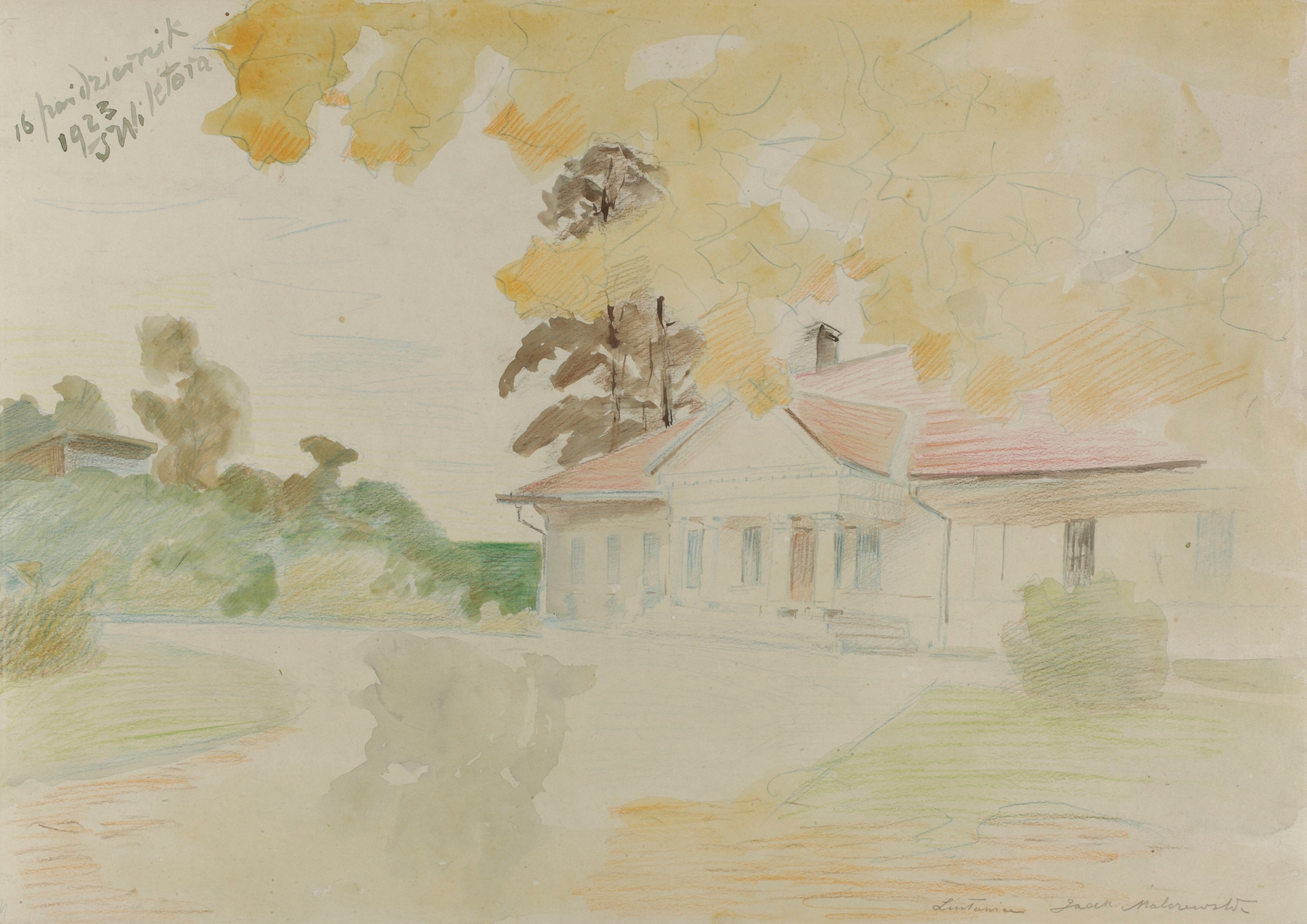
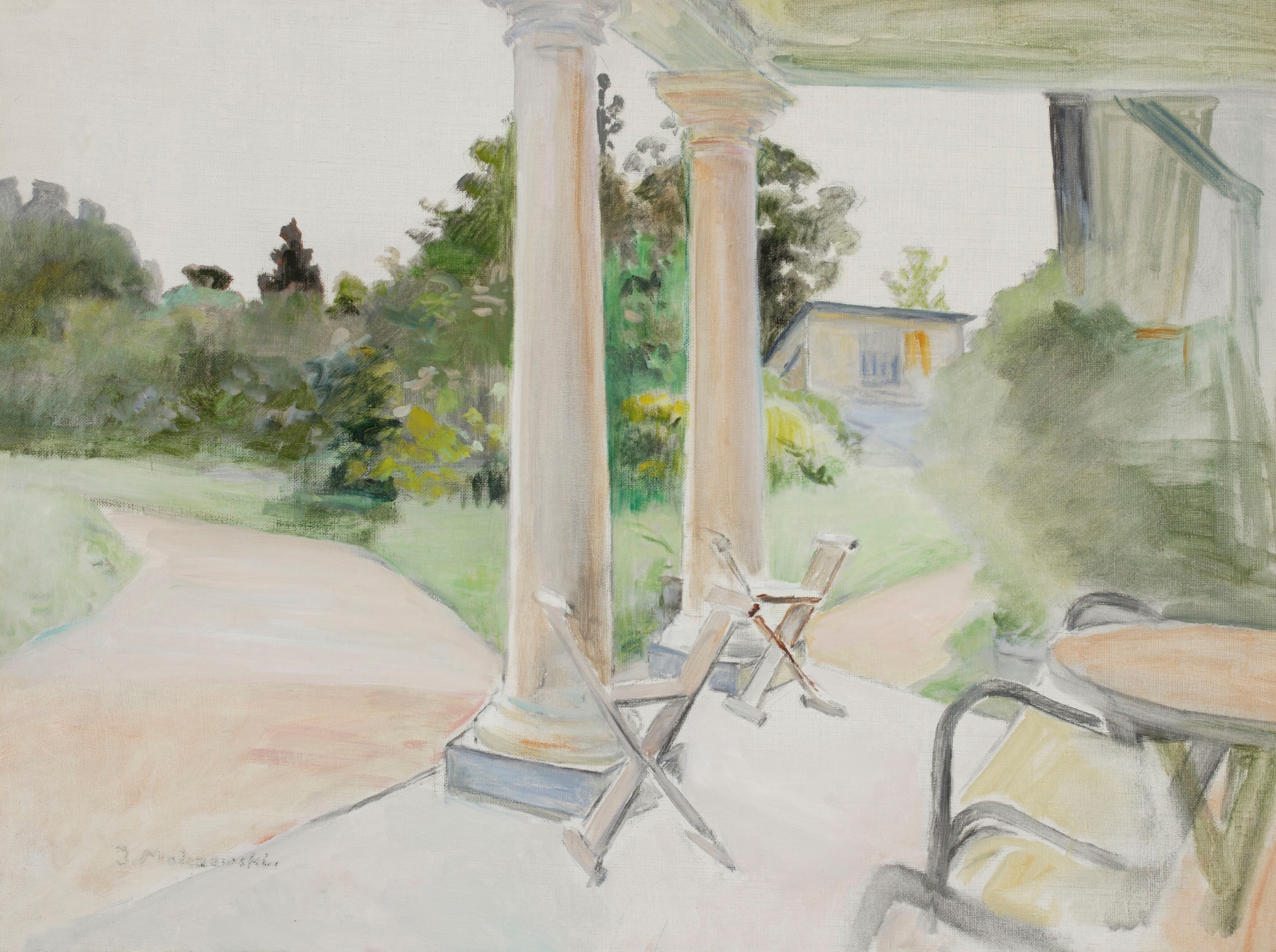
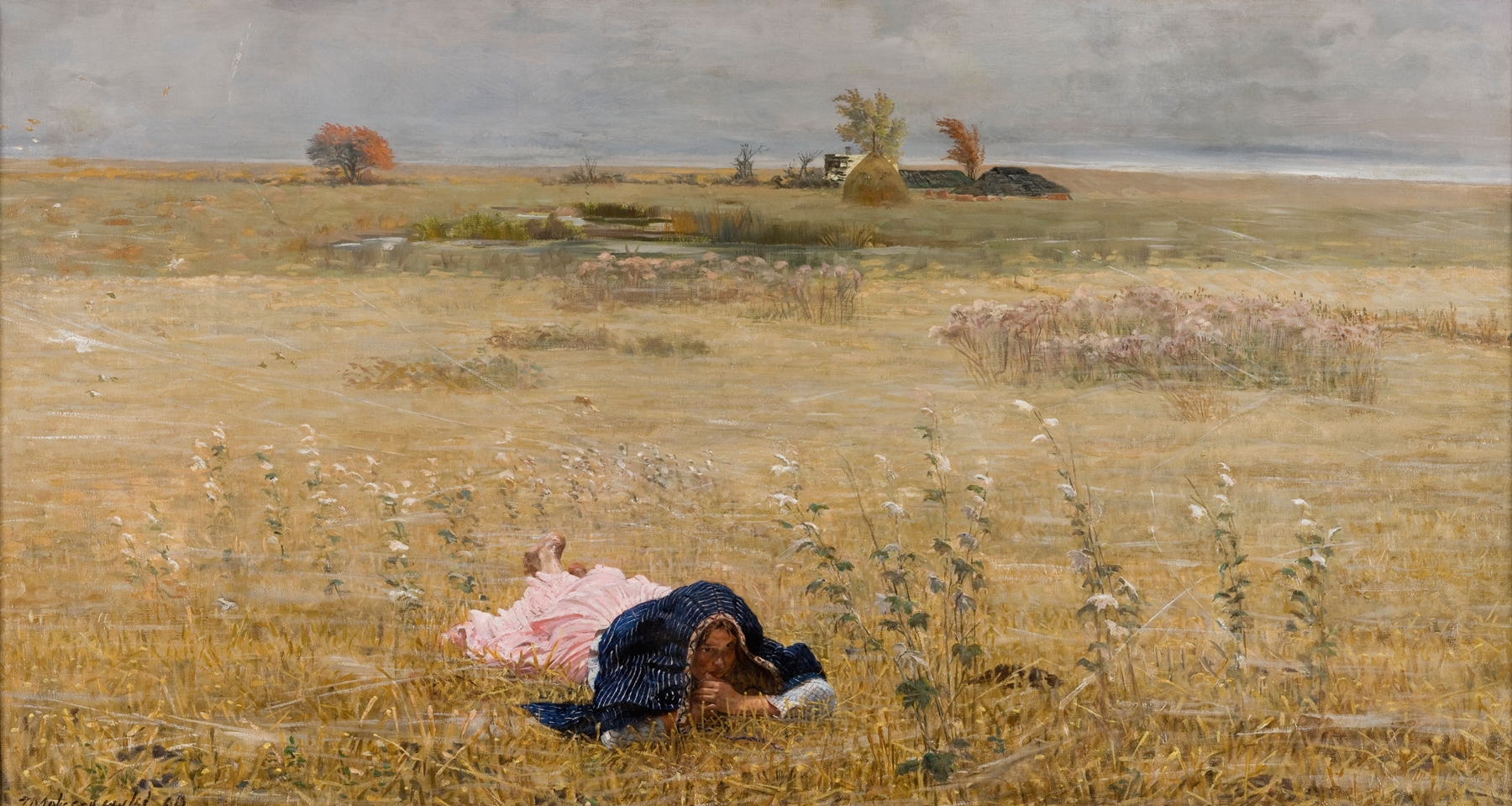
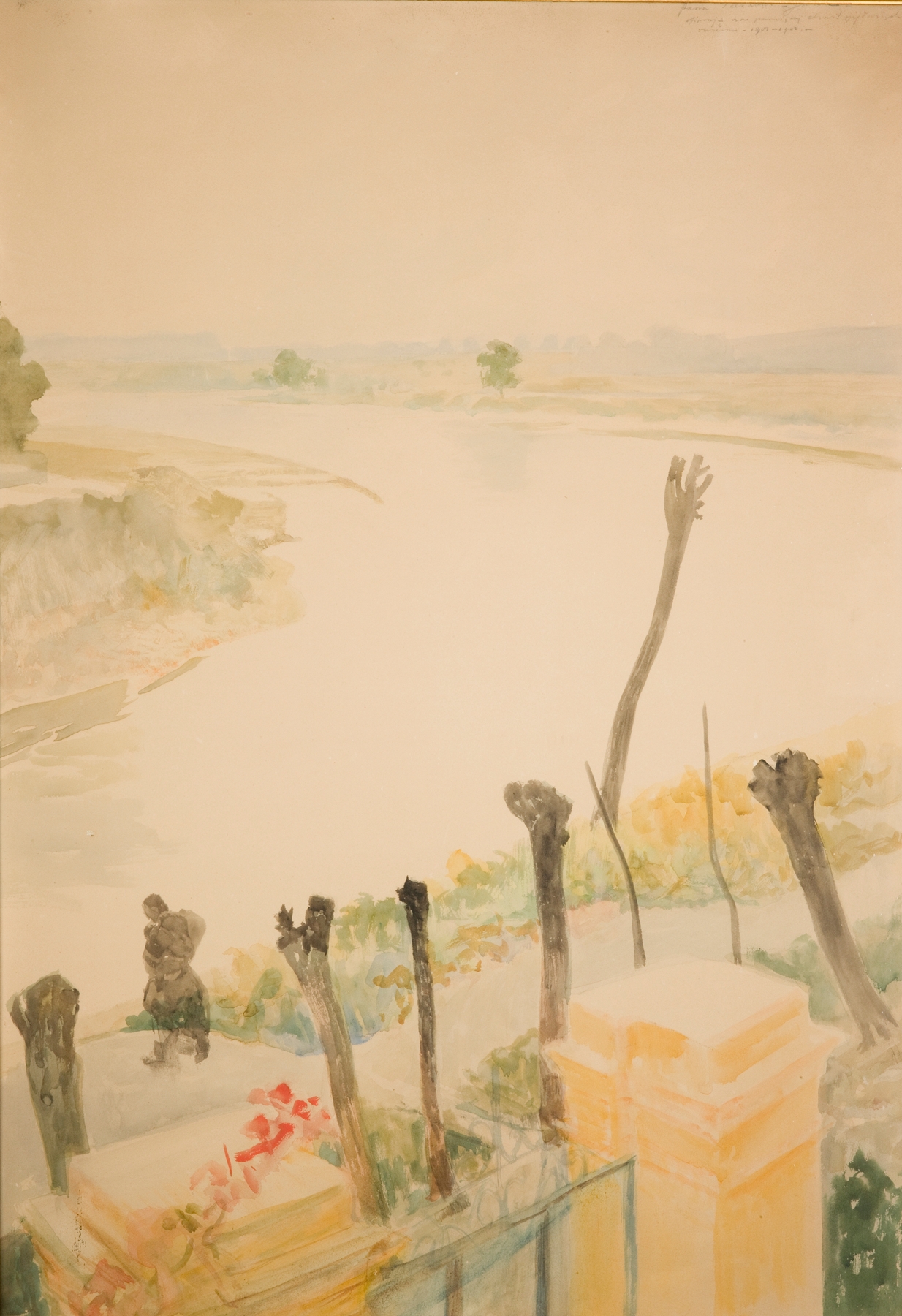
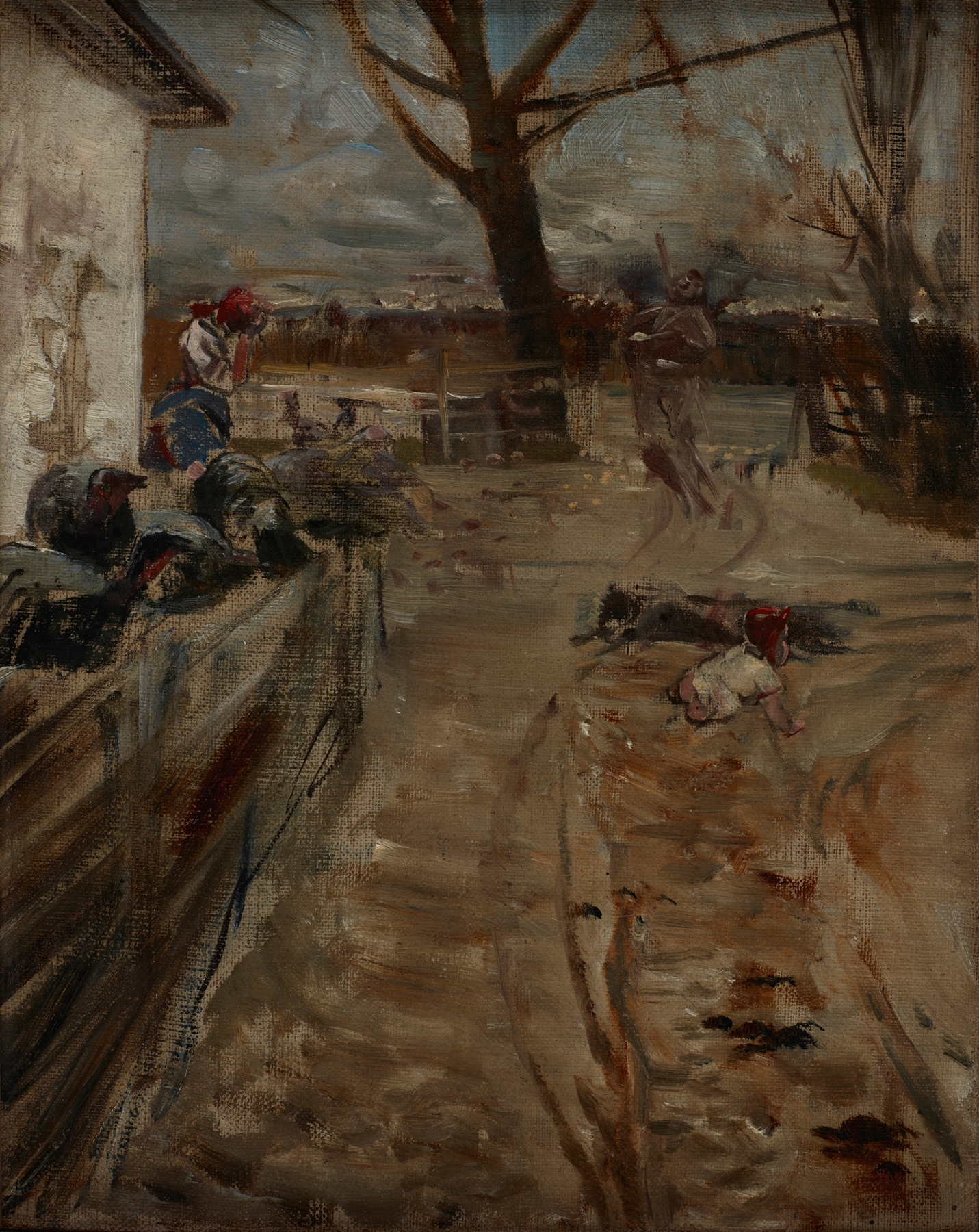
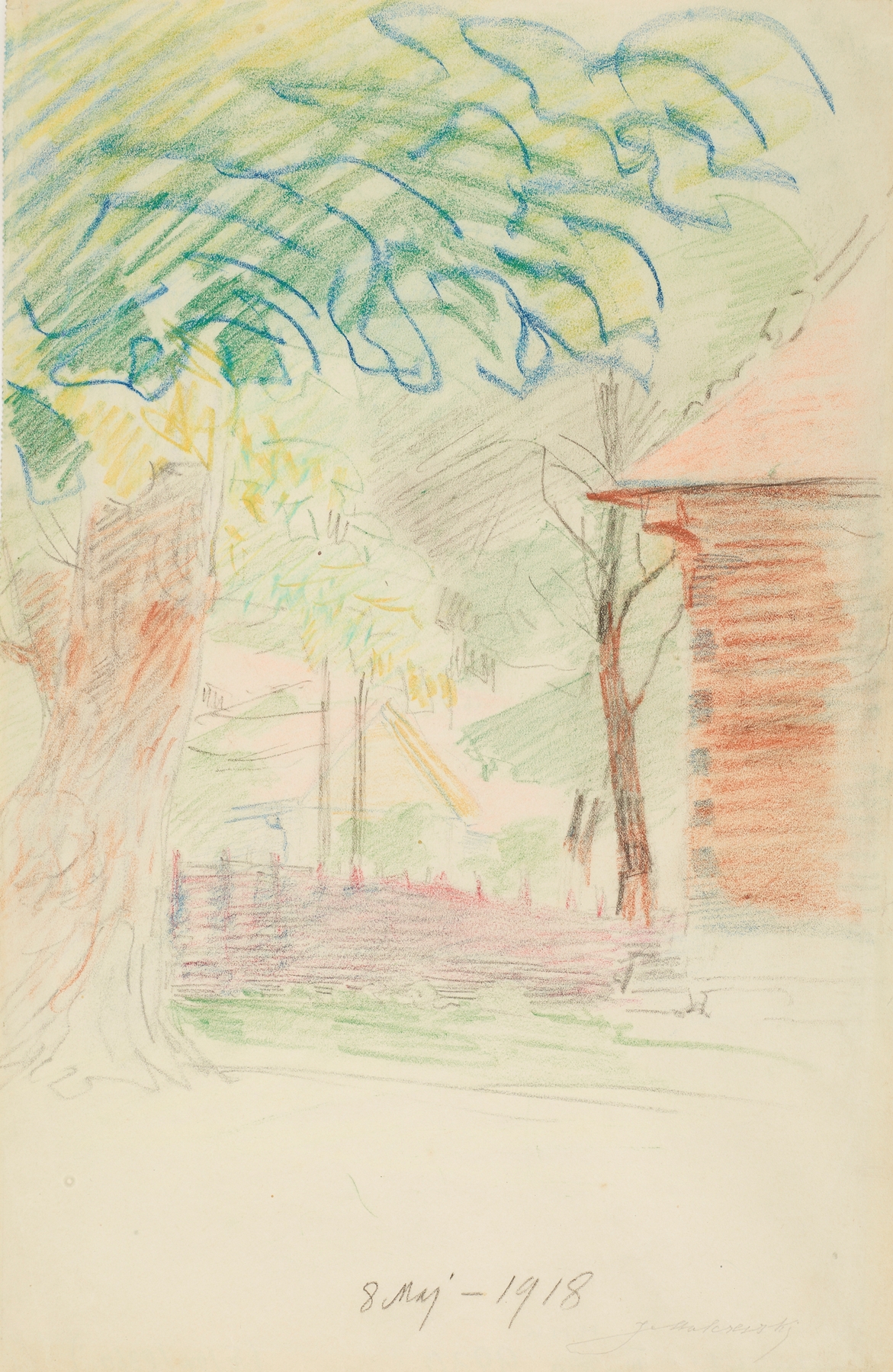
Where does light end, and longing begin? The fragility of existence hangs in the balance, inviting us to explore the delicate interplay between the seen and the felt. Look to the horizon, where soft hues blend into one another, creating a dream-like quality. The gentle brushstrokes of blues and greens blend seamlessly into the warmed yellows of the sunlit fields, evoking a serene yet melancholic atmosphere.
Notice how the light dances across the landscape, illuminating certain areas while casting others into shadow—the contrast reveals a sense of quiet vulnerability, echoing deeper themes of transience. As you delve deeper into the composition, pay attention to the subtle figures that appear on the periphery—silent witnesses to the unfolding tableau. Their smallness against the vastness of the landscape underscores the fragility of human experience, invoking feelings of solitude and introspection. The painting is not merely a depiction of nature; it is a meditation on the ephemeral nature of life itself, where light symbolizes hope, and shadow suggests an inevitable descent into darkness.
Created in Poland during the late 19th century, the artist was deeply influenced by Symbolism and the Romantic movement, seeking to convey emotional depth through his work. At this time, he was exploring themes of national identity and personal struggle, reflecting the social and political turbulence of his era. This piece, though untitled and undated, encapsulates his quest to bridge the material and the spiritual, inviting viewers to reflect on their own experiences of beauty and loss.