Spring Landscape from the Countryside — History & Analysis
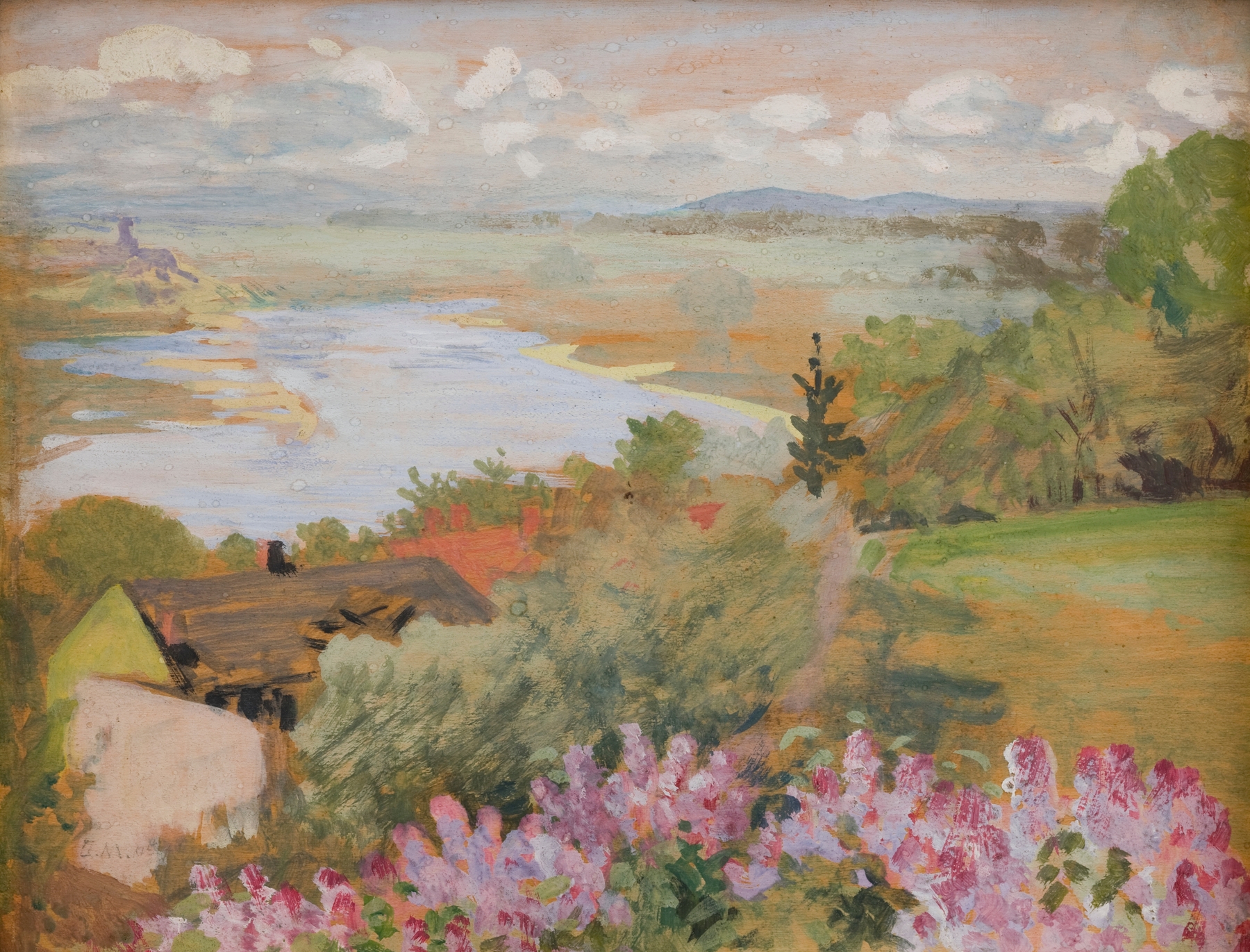
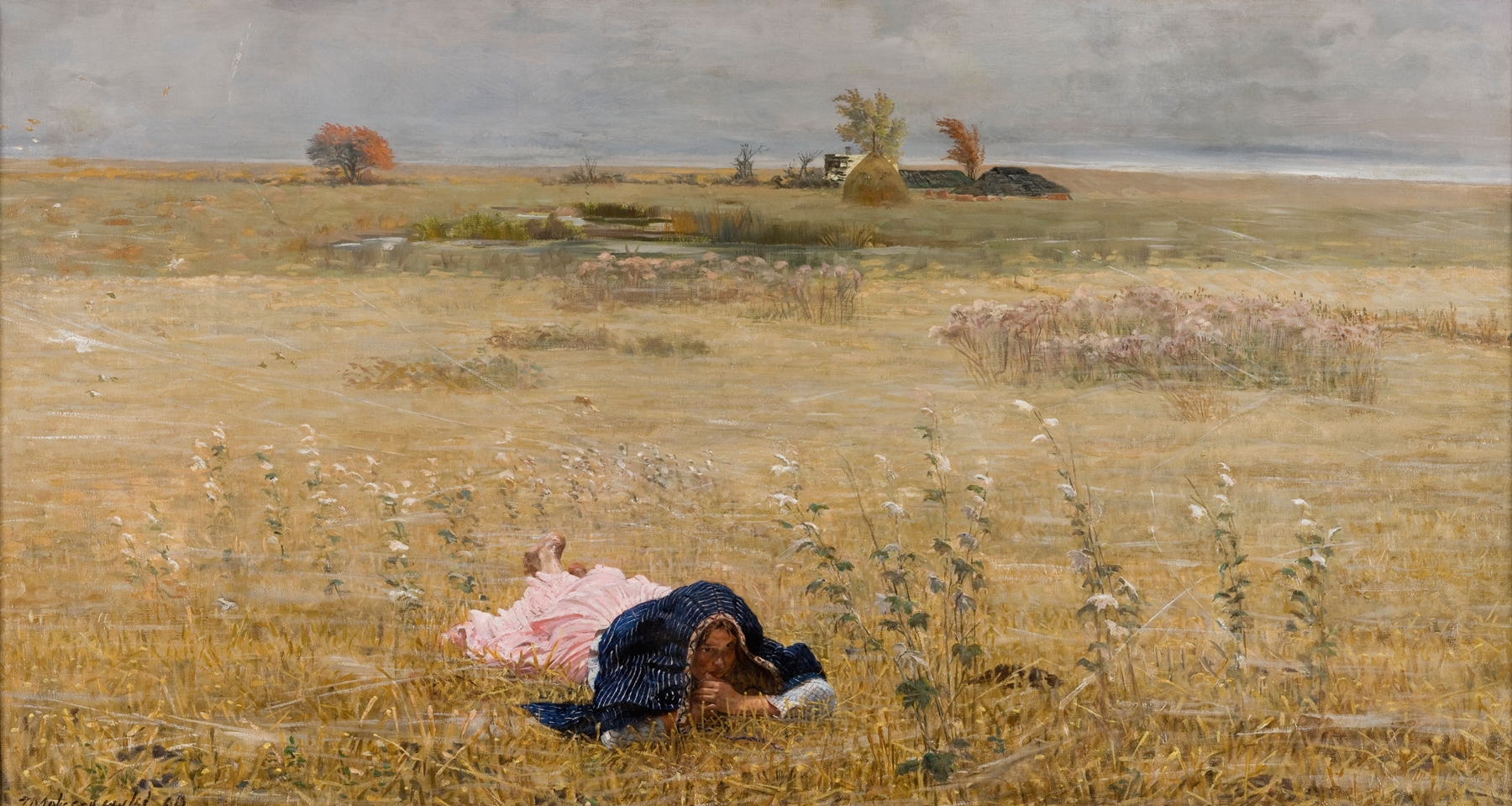
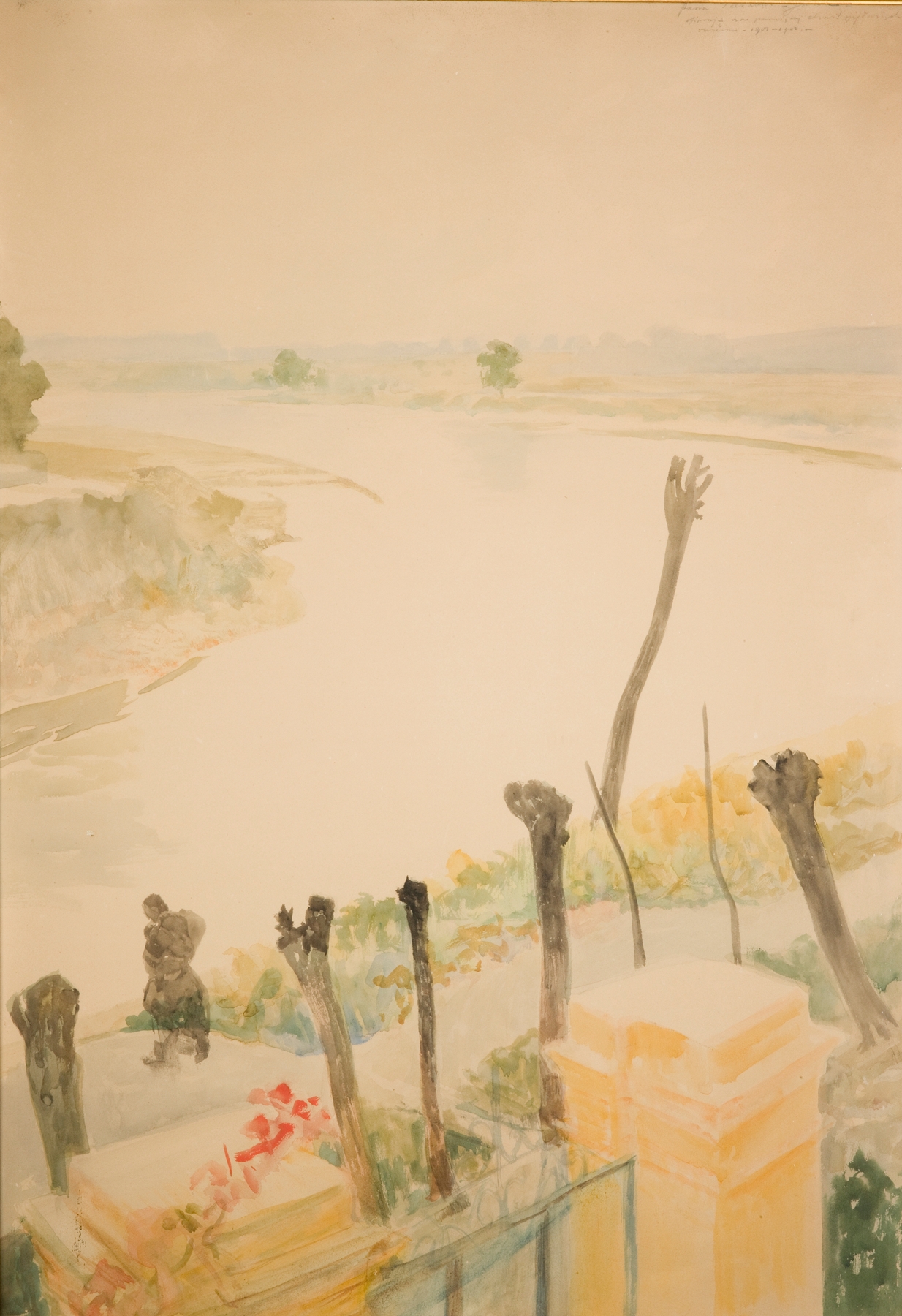
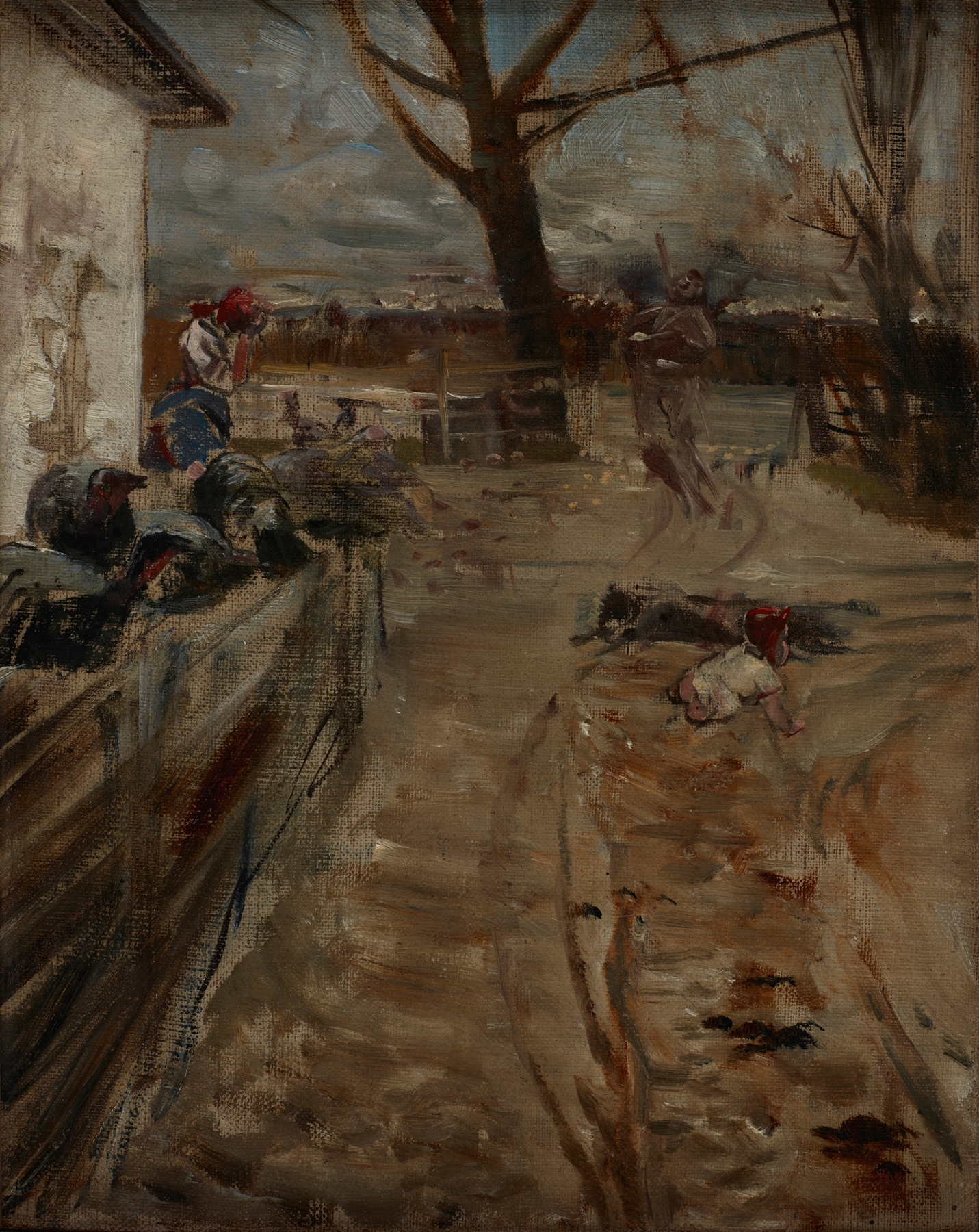
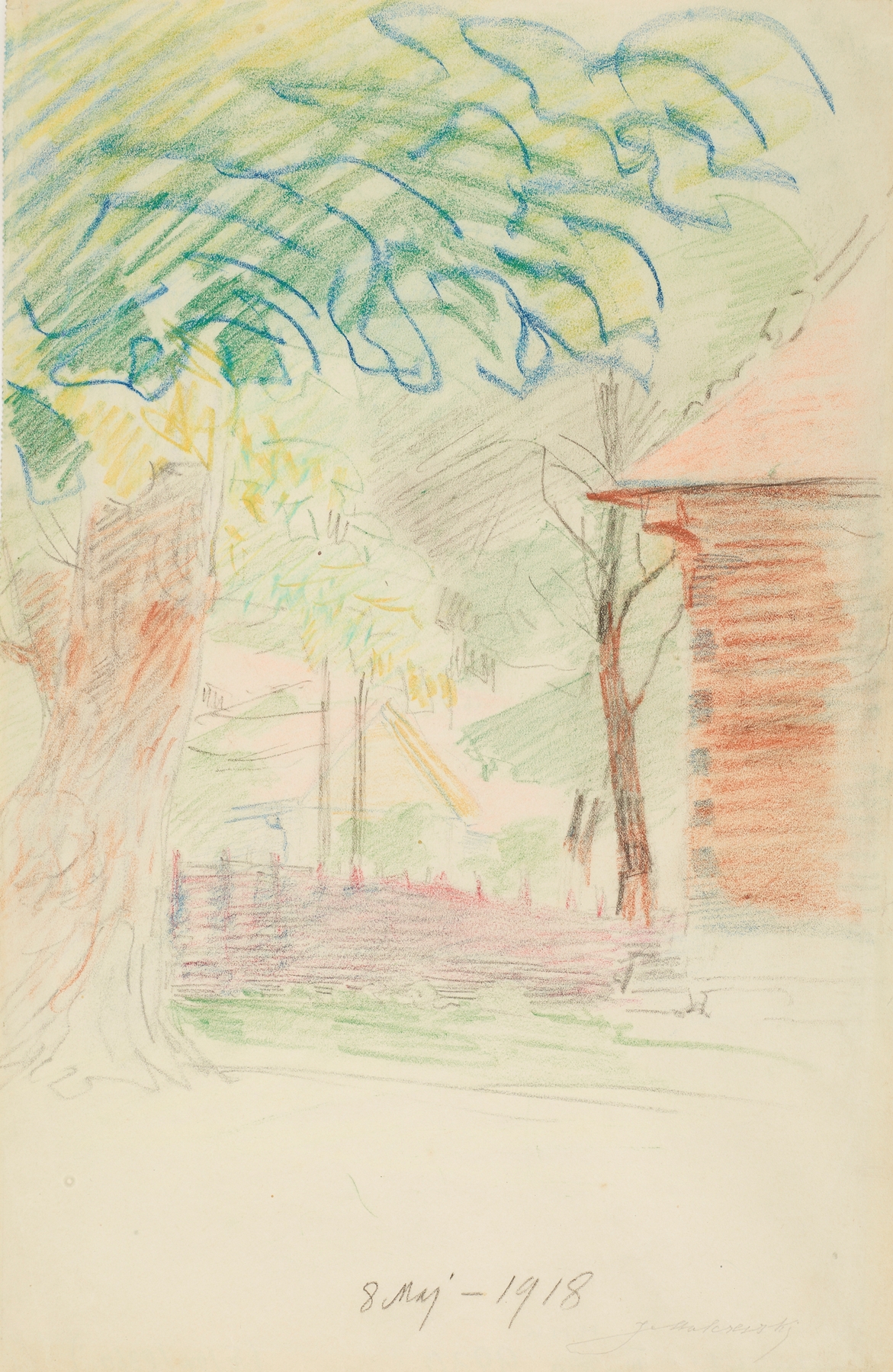
Can beauty exist without sorrow? In the vibrant brushstrokes of this landscape, Jacek Malczewski invites us to explore the duality of nature, where the serenity of spring intertwines with the undercurrents of revolution and change. Look to the foreground, where lush green grass dances under the sun, its vividness contrasting with the darker hues of the distant hills. The composition draws the eye upward, inviting contemplation of the expansive sky, which shifts from soft pastels at the horizon to deeper blues overhead.
Notice how light plays with shadows, creating a sense of depth and movement, as if the very air is alive with the promise of transformation. The strokes are both rhythmic and deliberate, revealing a harmony that masks underlying tensions. Delve into the details: the blossoms that seem to flourish with joy yet hint at the fleeting nature of beauty, as if they are set against an impending storm. There’s an emotional tension in the juxtaposition of life and darkness, suggesting that every moment of peace is shadowed by the awareness of change.
This landscape, while idyllic, carries an echo of revolution—a reminder that even in nature’s splendor, the specter of turmoil looms close behind. During the years 1903 to 1907, Malczewski immersed himself in a world on the brink of upheaval, particularly within Polish society. His work reflects a period of personal and national introspection, as Poland grappled with its identity in the context of political strife. The artist, known for melding symbolism with realism, harnessed this moment in history to weave a narrative that captures both the beauty of life and the inevitability of its challenges.