In Stirling Castle or A Scottish Palace (Un Palais Ecossais) — History & Analysis
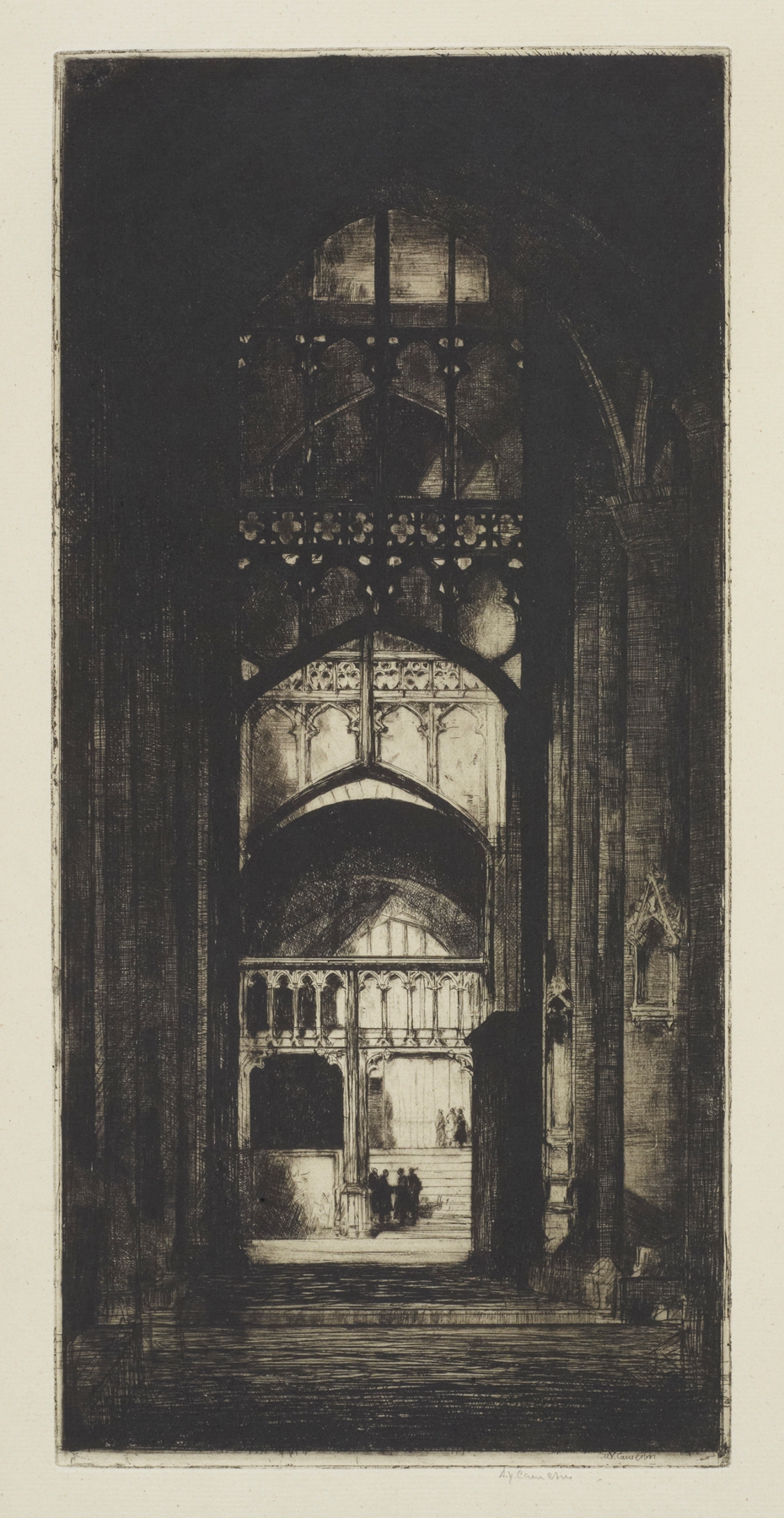
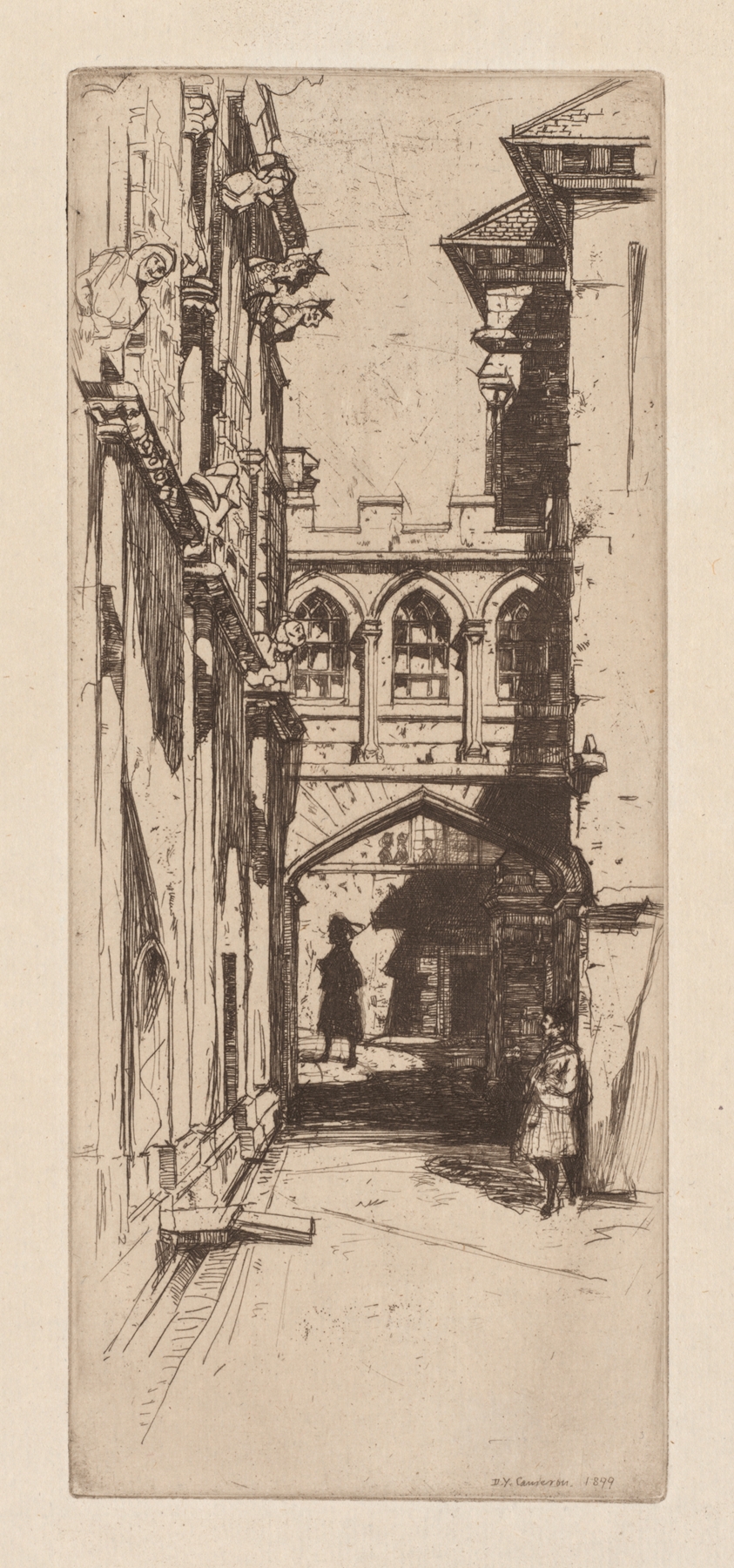
Under the brush, chaos becomes grace. It is within this tension between disorder and beauty that the viewer discovers the essence of a Scottish palace. Look to the foreground, where the intricate stonework of Stirling Castle reveals itself under a gentle wash of warm sunlight. The interplay of shadow and light breathes life into the sturdy walls, inviting the viewer to explore the textures that define this regal structure. Notice how the artist employs a palette of earthy greens and soft blues, capturing the lush landscape that envelops the castle, while the clouds above whisper of a shifting Scottish sky. Delve deeper, and you'll find emotional contrasts woven throughout the composition. The rigid architecture stands firmly against the soft, flowing forms of the surrounding trees, illustrating a dance between civilization and nature. Each brushstroke conveys a sense of history, an echo of the past that resonates with the viewer, while the ethereal light bending across the canvas suggests the fleeting moments of beauty that life offers. This duality pulls at the heartstrings, beckoning one to reflect on the weight of time. In 1899, Cameron painted this work during a period of artistic transition in Scotland, where the influence of the Impressionist movement began to merge with traditional landscapes. Living in Edinburgh, he was surrounded by a vibrant art scene that encouraged new techniques and perspectives. As the world outside his studio grappled with industrial change, he sought to preserve the romance of his homeland, using this masterpiece to celebrate the enduring beauty of places rich in history and heritage.