In the Harbour, Svolvaer. Study from Lofoten — History & Analysis
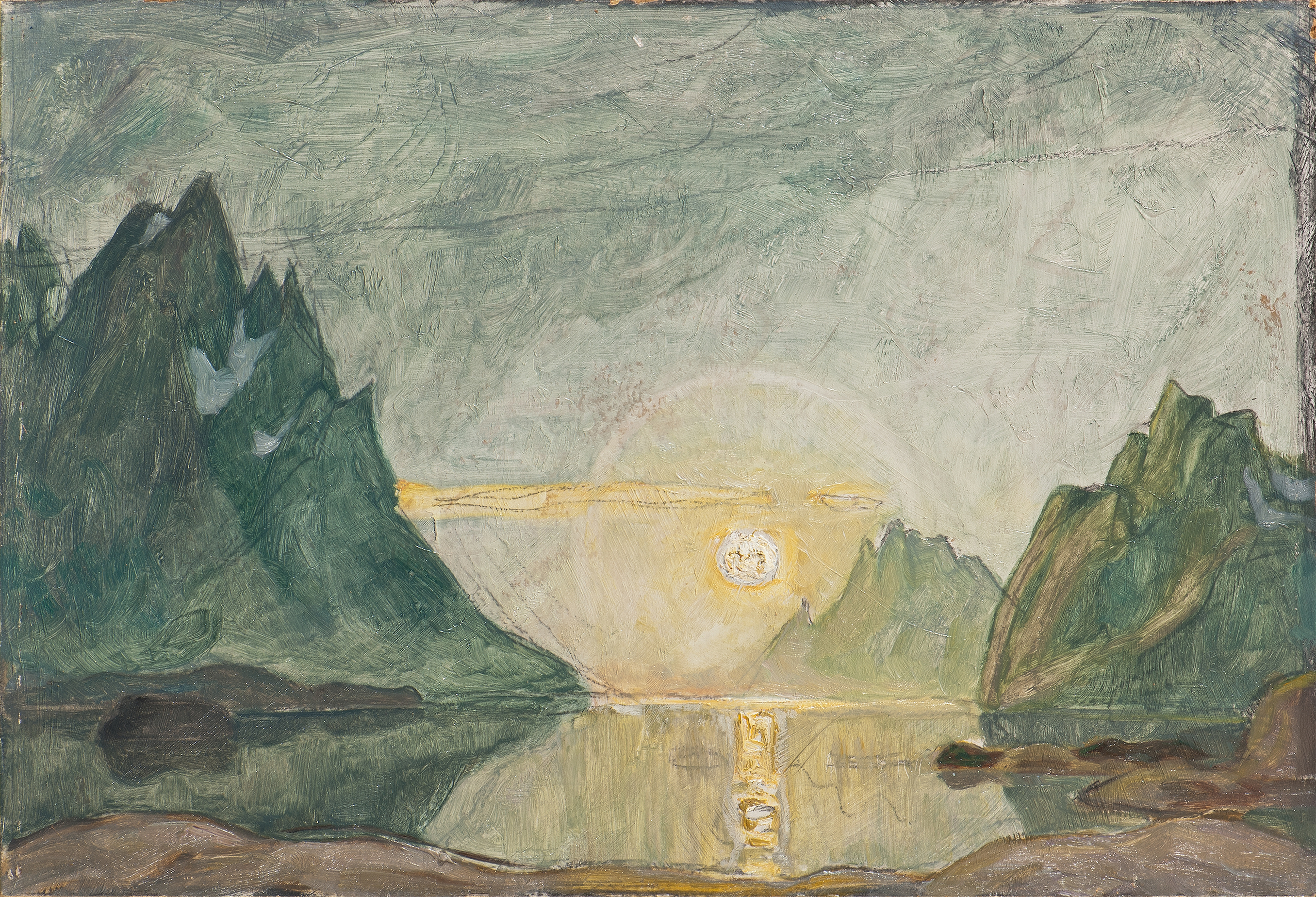
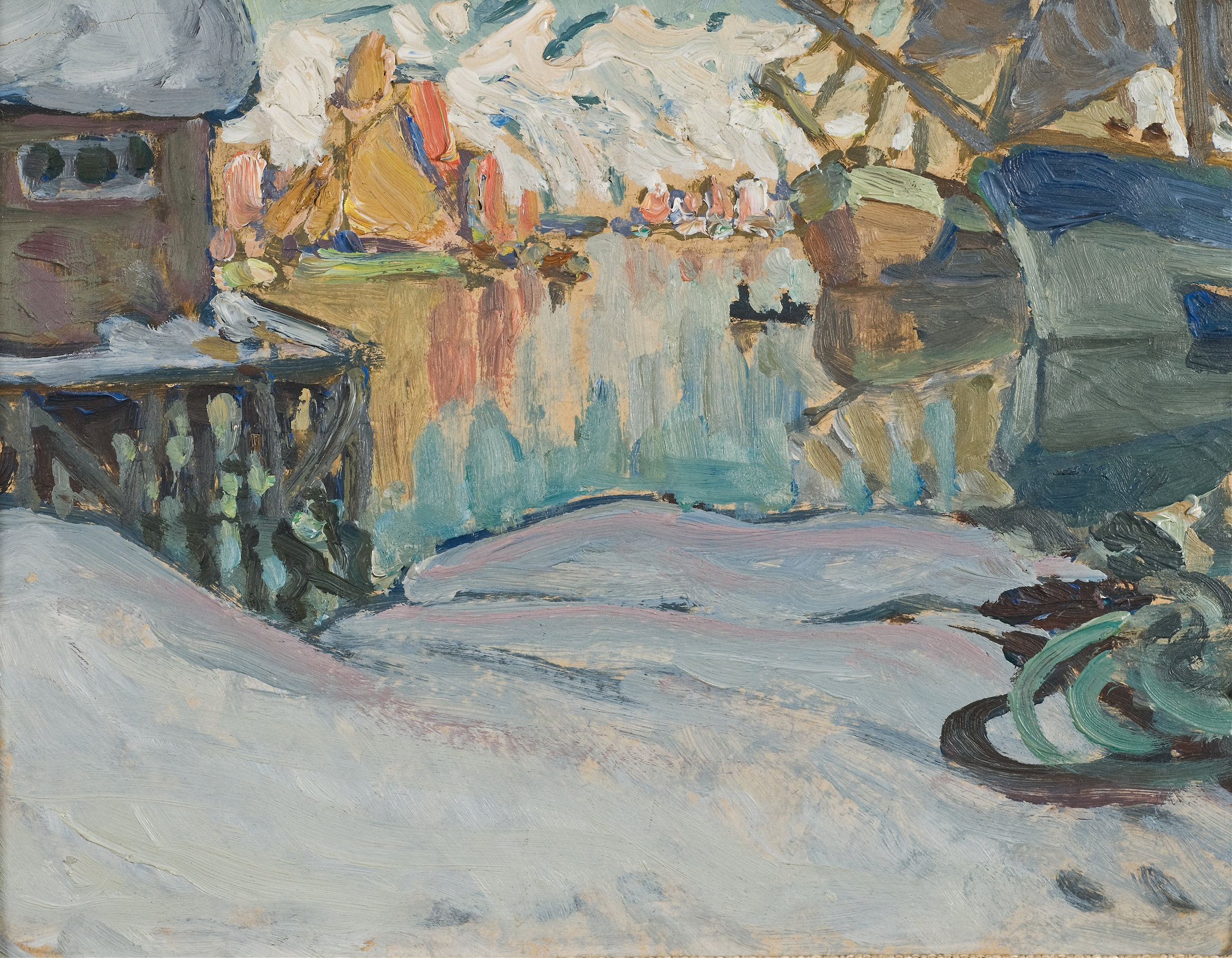
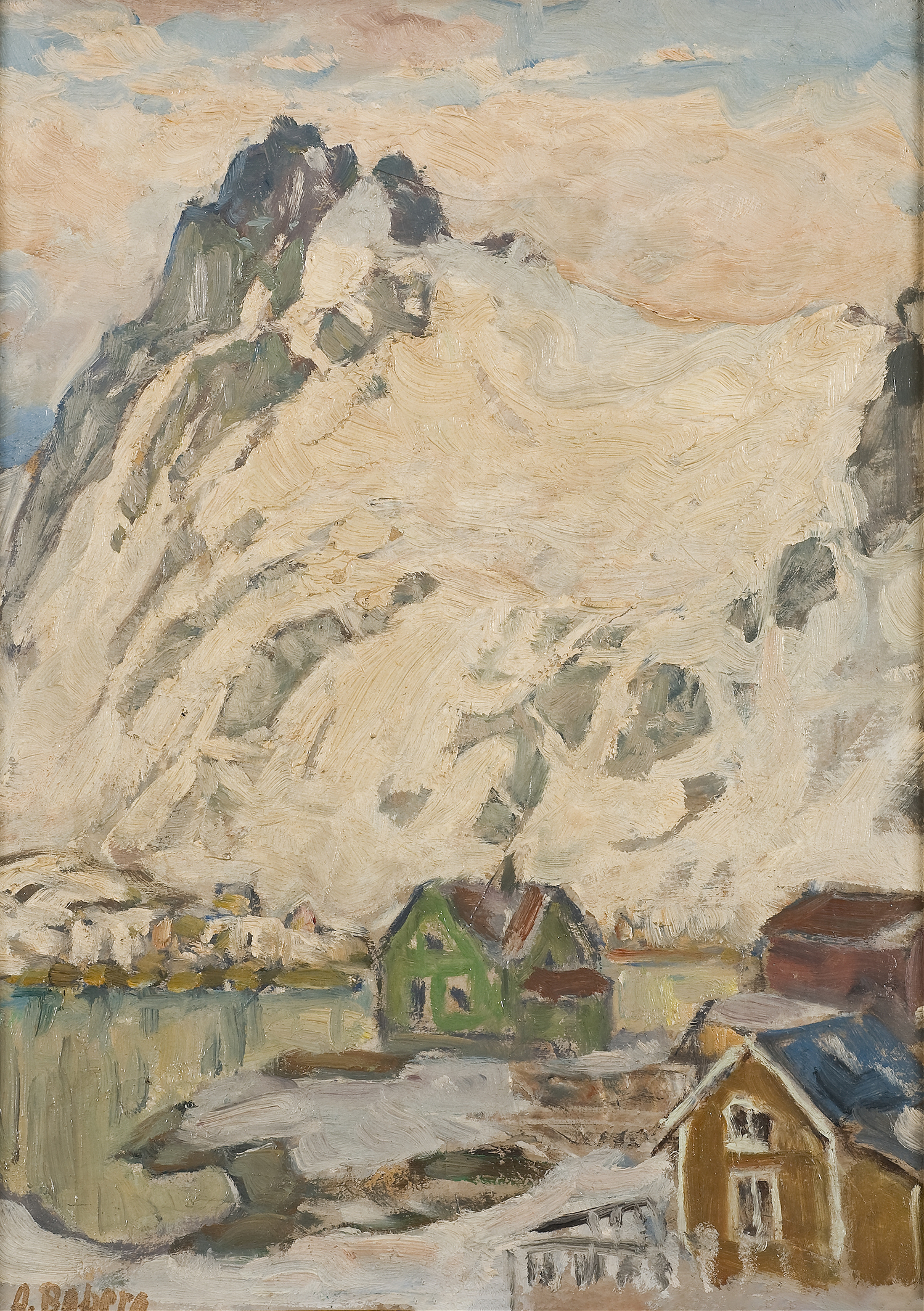
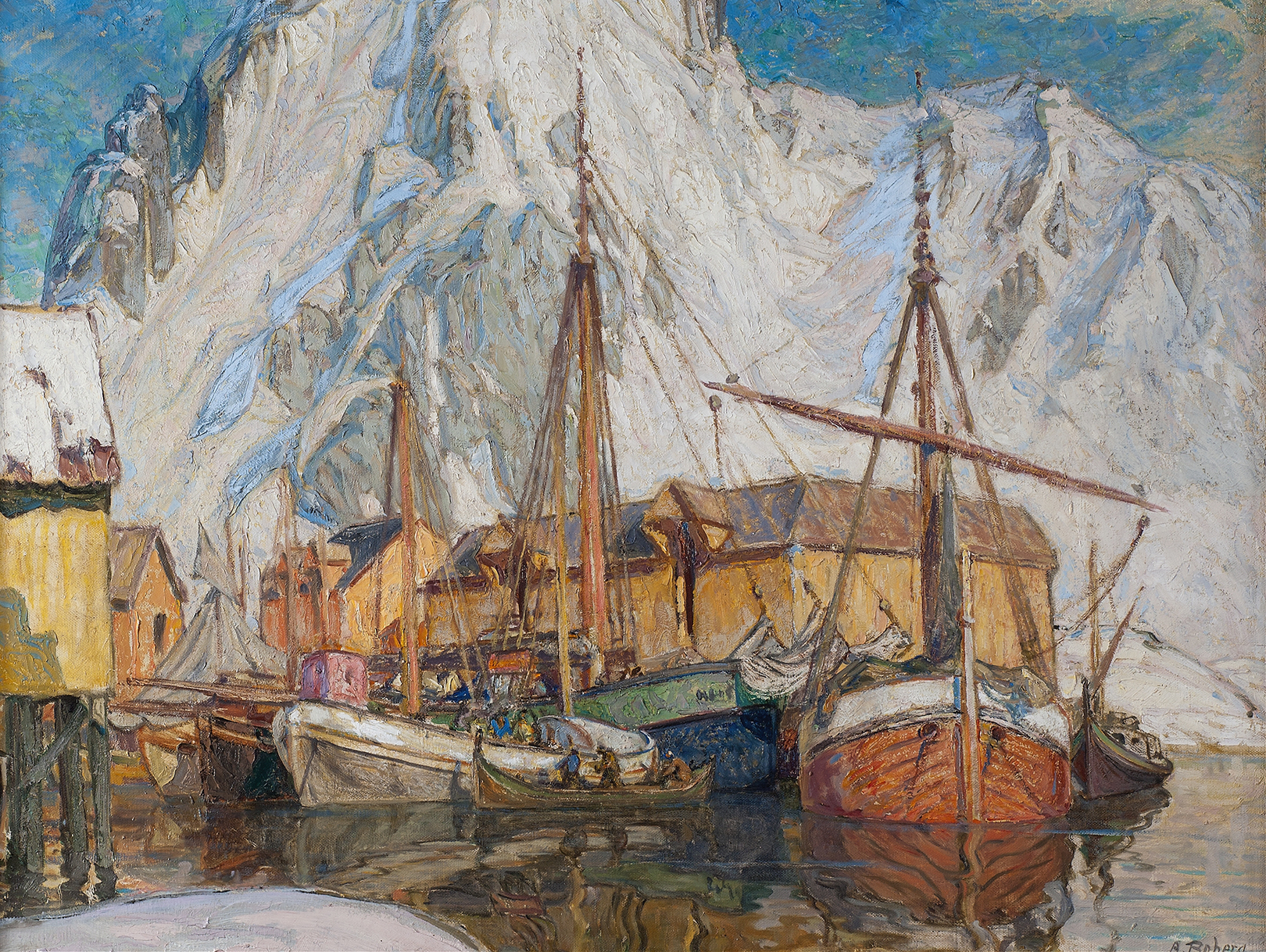
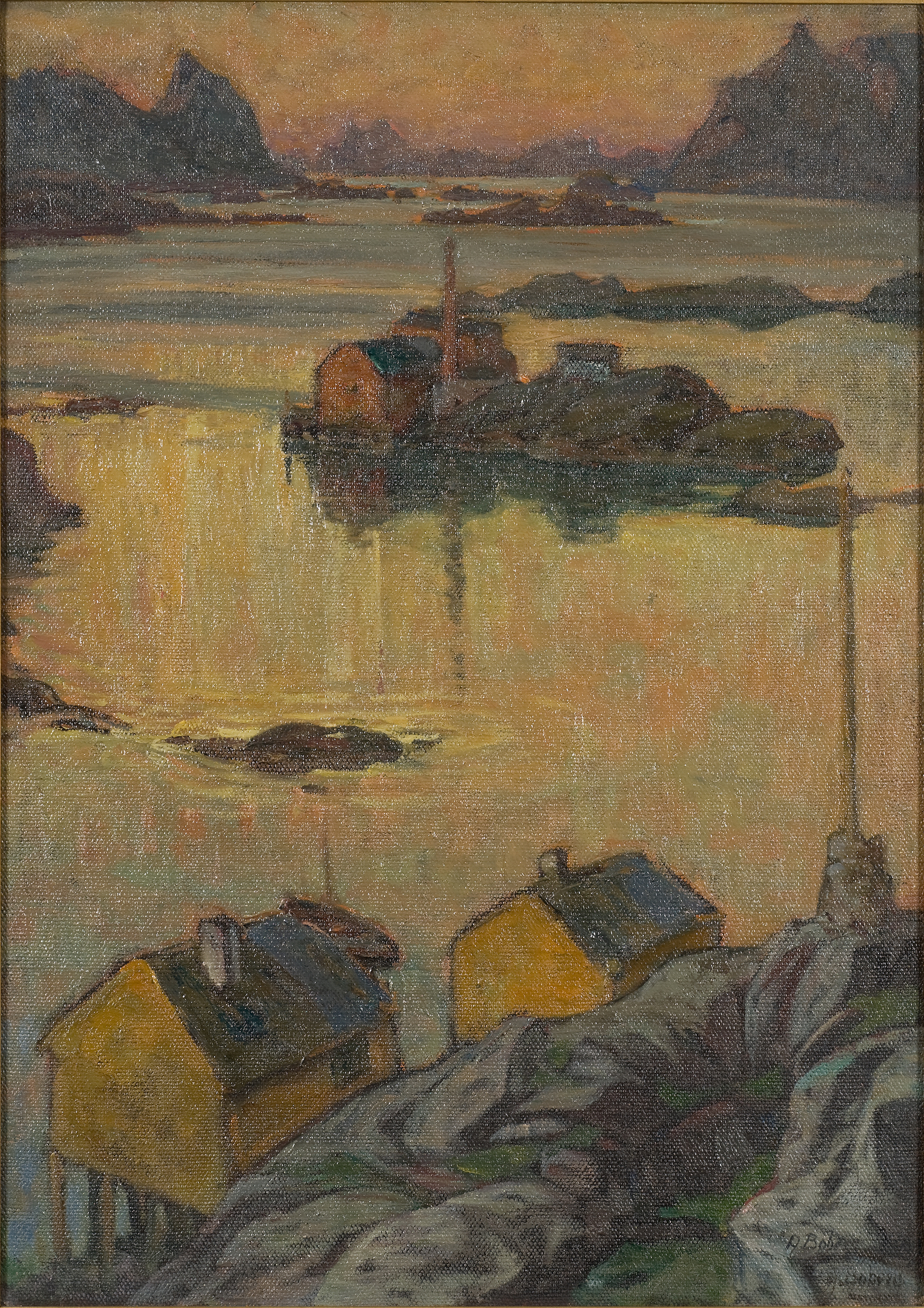
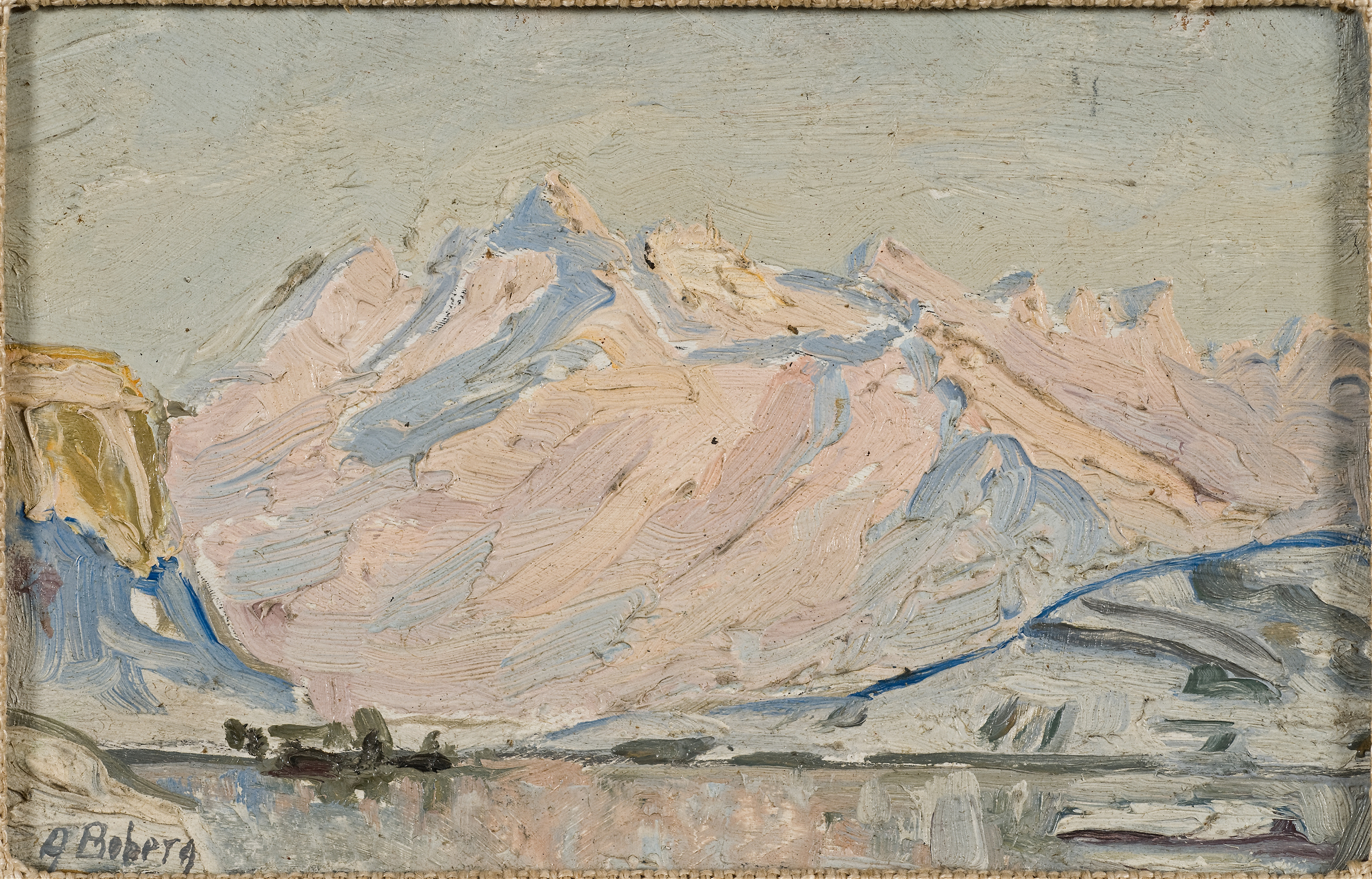
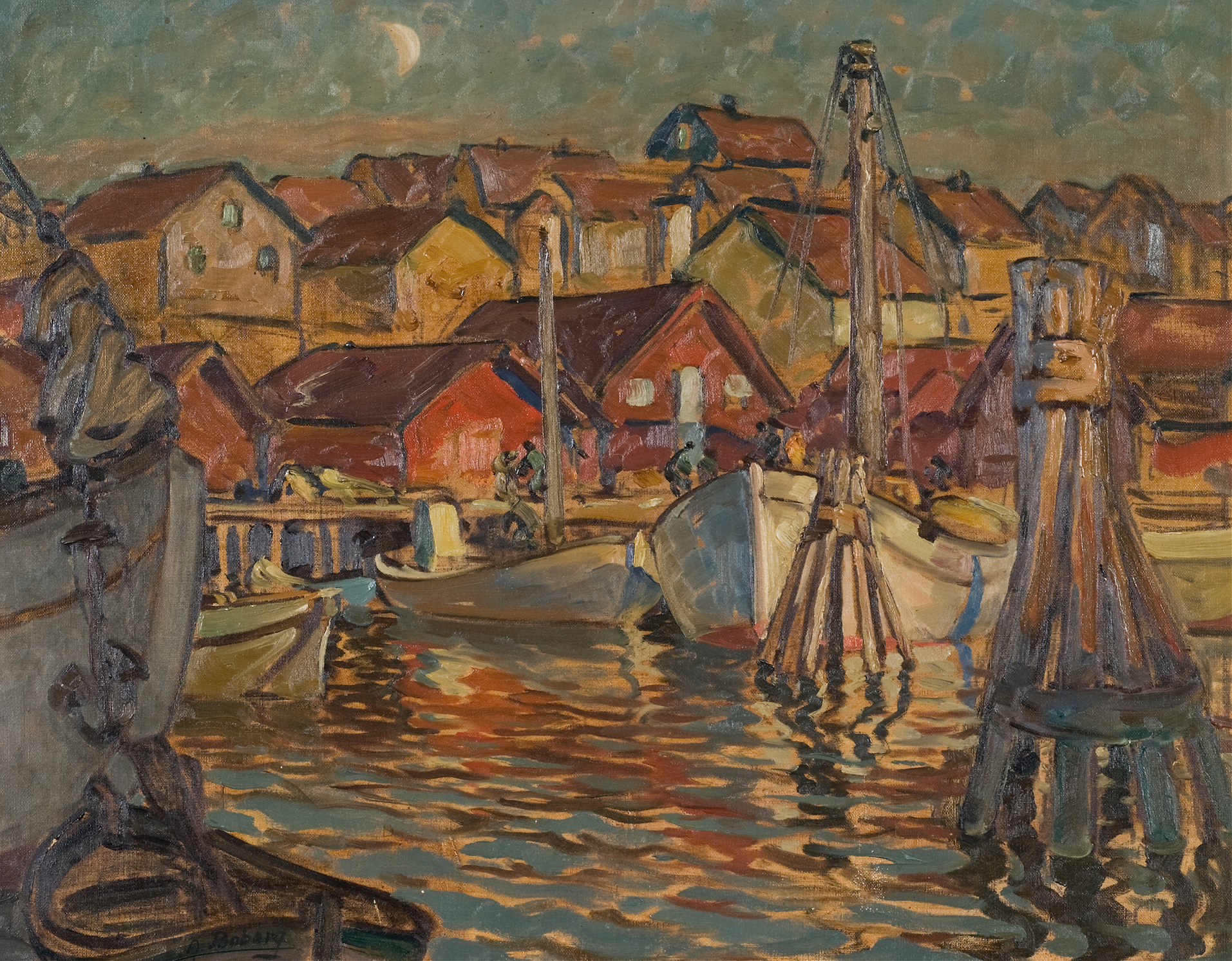
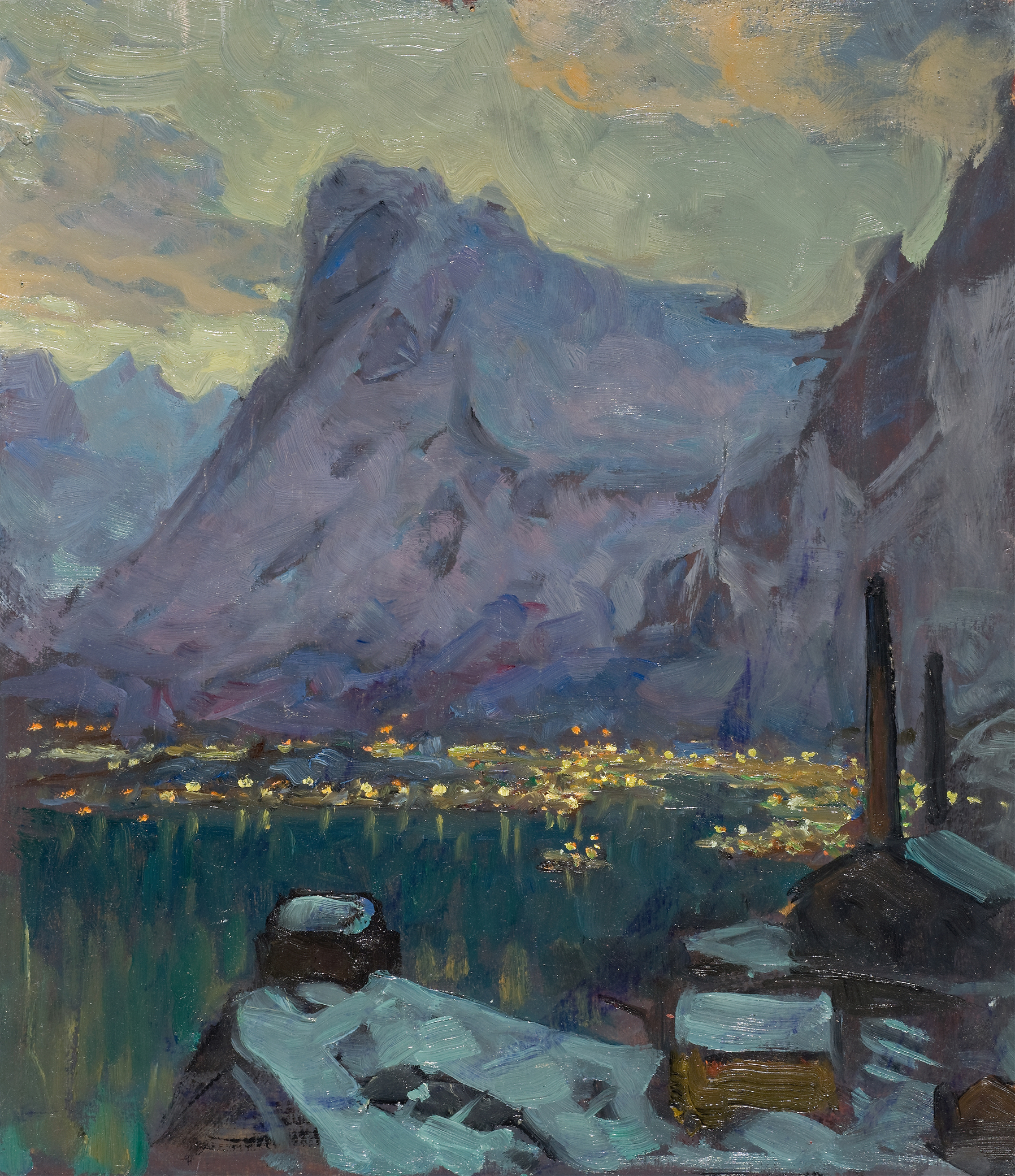
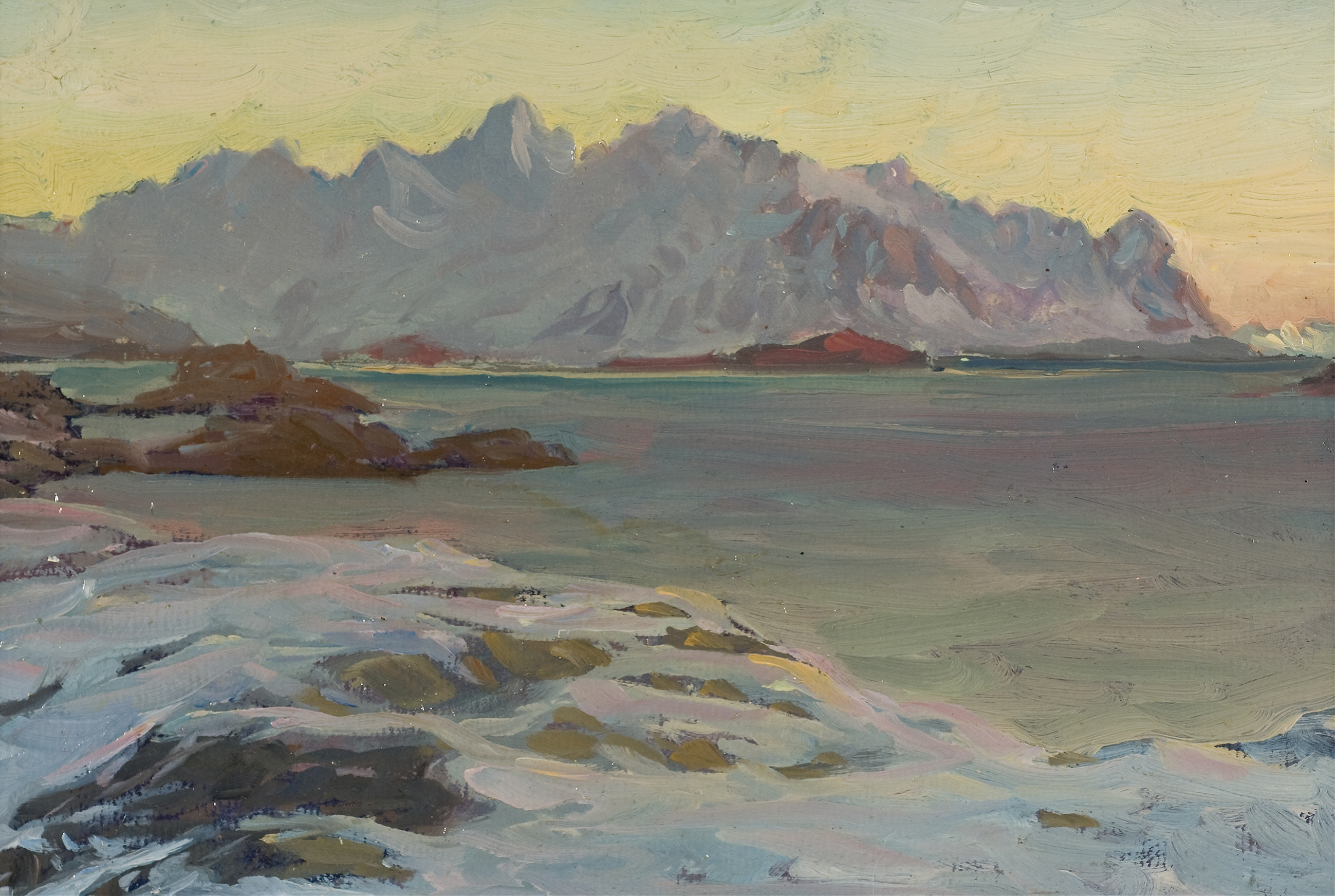
What if beauty was never meant to be finished? In Anna Boberg's In the Harbour, Svolvaer. Study from Lofoten, the viewer is invited to ponder this profound question as nature unfurls in unfinished serenity. Begin by focusing on the soft, muted palette that envelops the scene. Notice the gentle brushstrokes that create a sense of movement in the water, where the turquoise reflects the sky.
The distant mountains loom large, their jagged peaks softened by a mist that clings to the landscape, while the foreground showcases a subtle play of shadows and light on the bobbing boats. Each stroke seems deliberate yet spontaneous, conveying an ephemeral quality that pulls you deeper into the moment captured. Within this serene invitation lies a tension between stillness and transience. The boats, tethered yet swaying, suggest both stability and the inevitability of change. The interplay between the defined shapes of the vessels and the amorphous elements of the water hints at the fragility of life itself, where the vibrant hues are juxtaposed against the quiet void of the sea.
This contrast evokes a sense of longing, as if the essence of beauty is forever just out of reach, leaving a haunting echo in the viewer's mind. In 1905, Boberg was in the midst of a transformative period in her career, capturing the raw beauty of Norway’s landscapes while navigating the shifting currents of the art world. The Lofoten Islands, with their dramatic scenery, provided a perfect backdrop for her explorations in color and form. At this time, artists were beginning to break from traditional representation, embracing the emotional resonance in their work, a movement that Boberg exemplified as she carved her niche within the evolving modernist landscape.