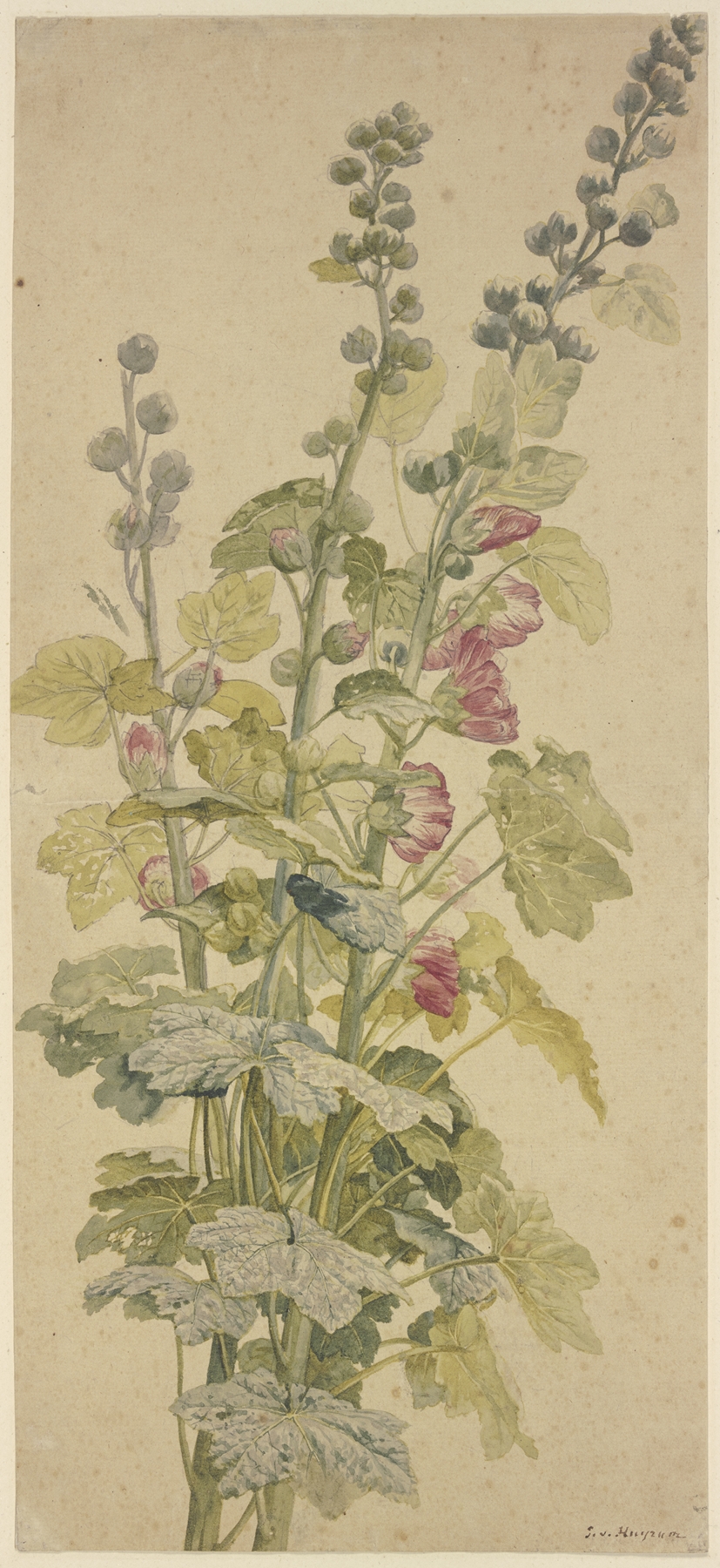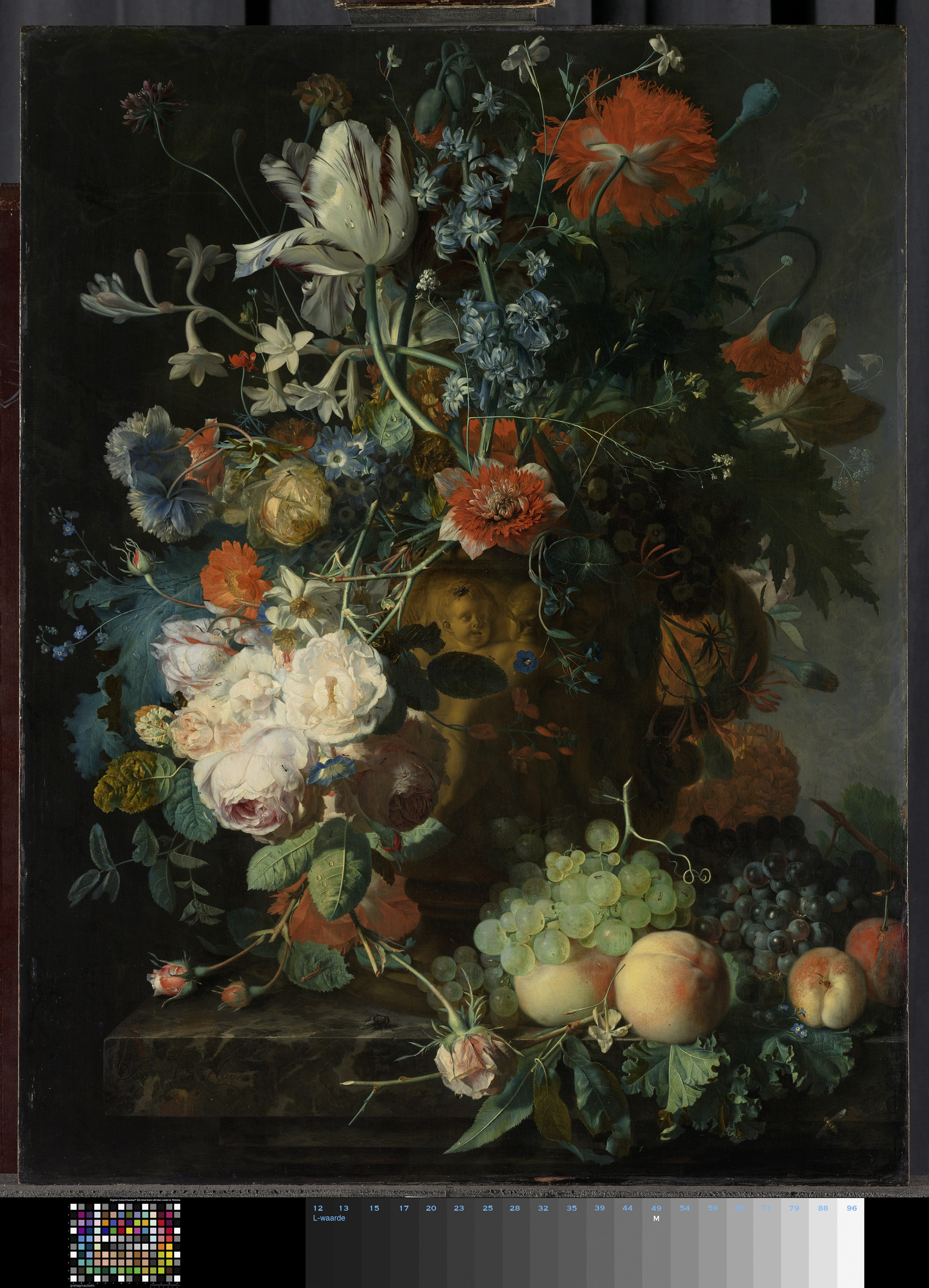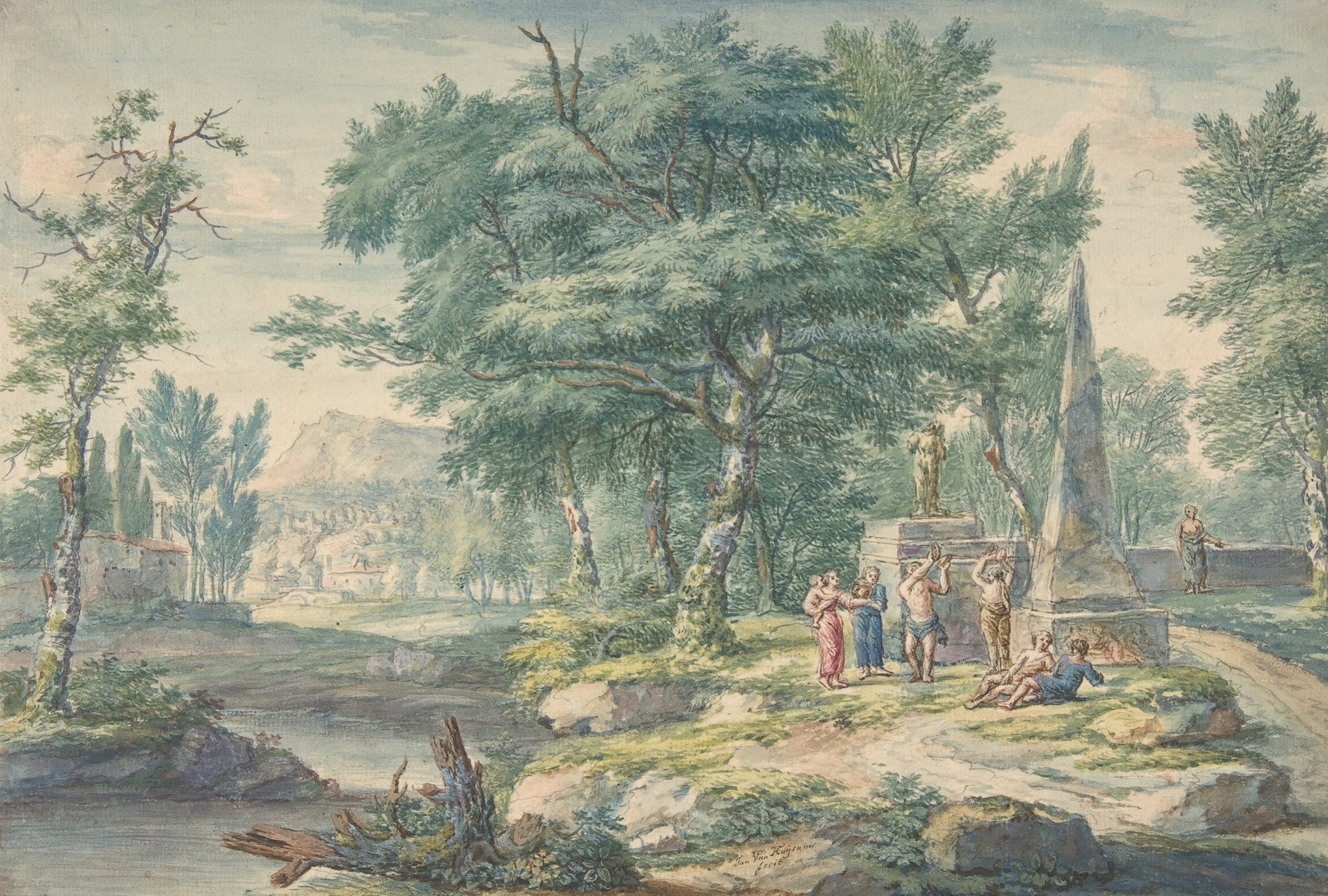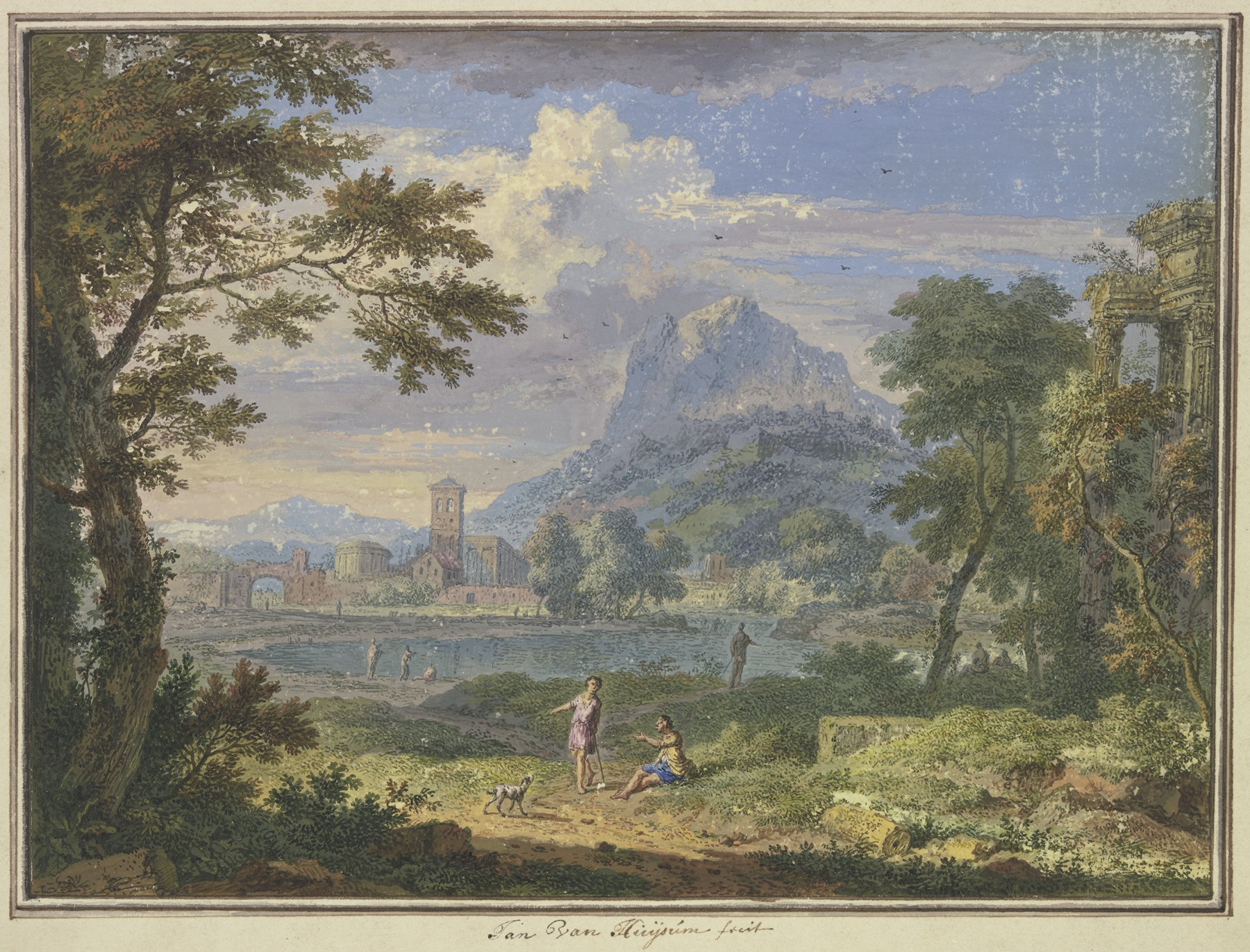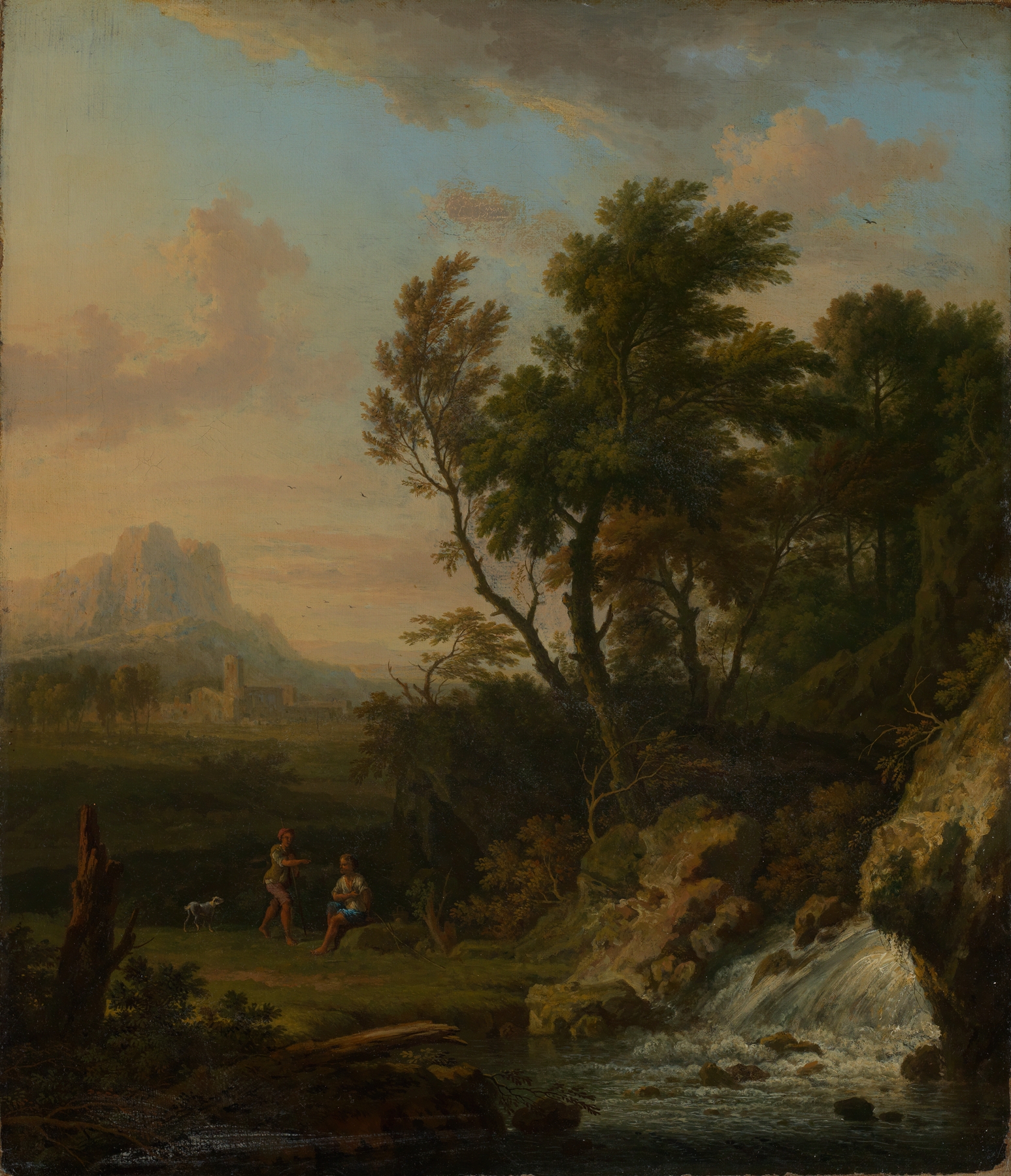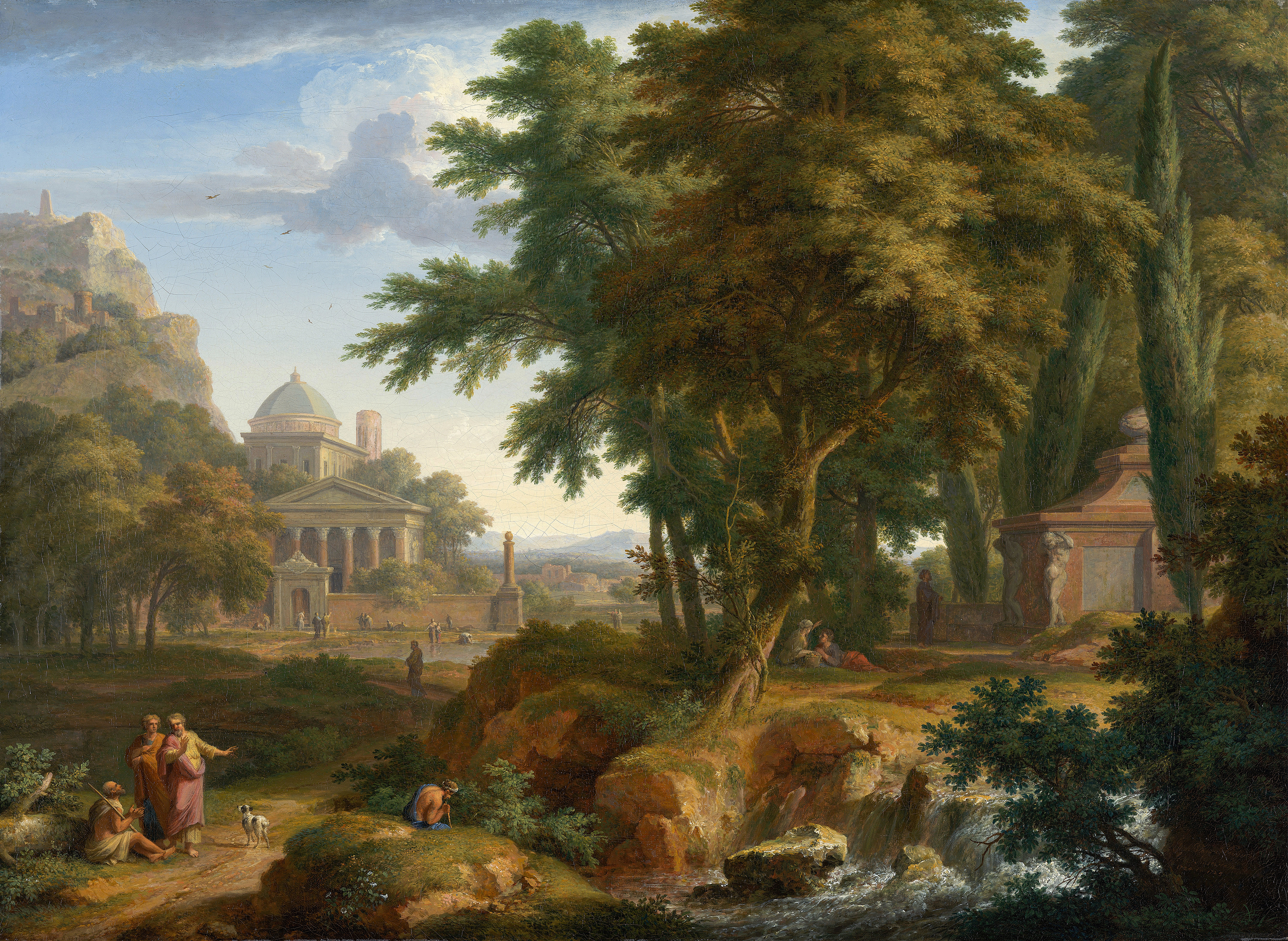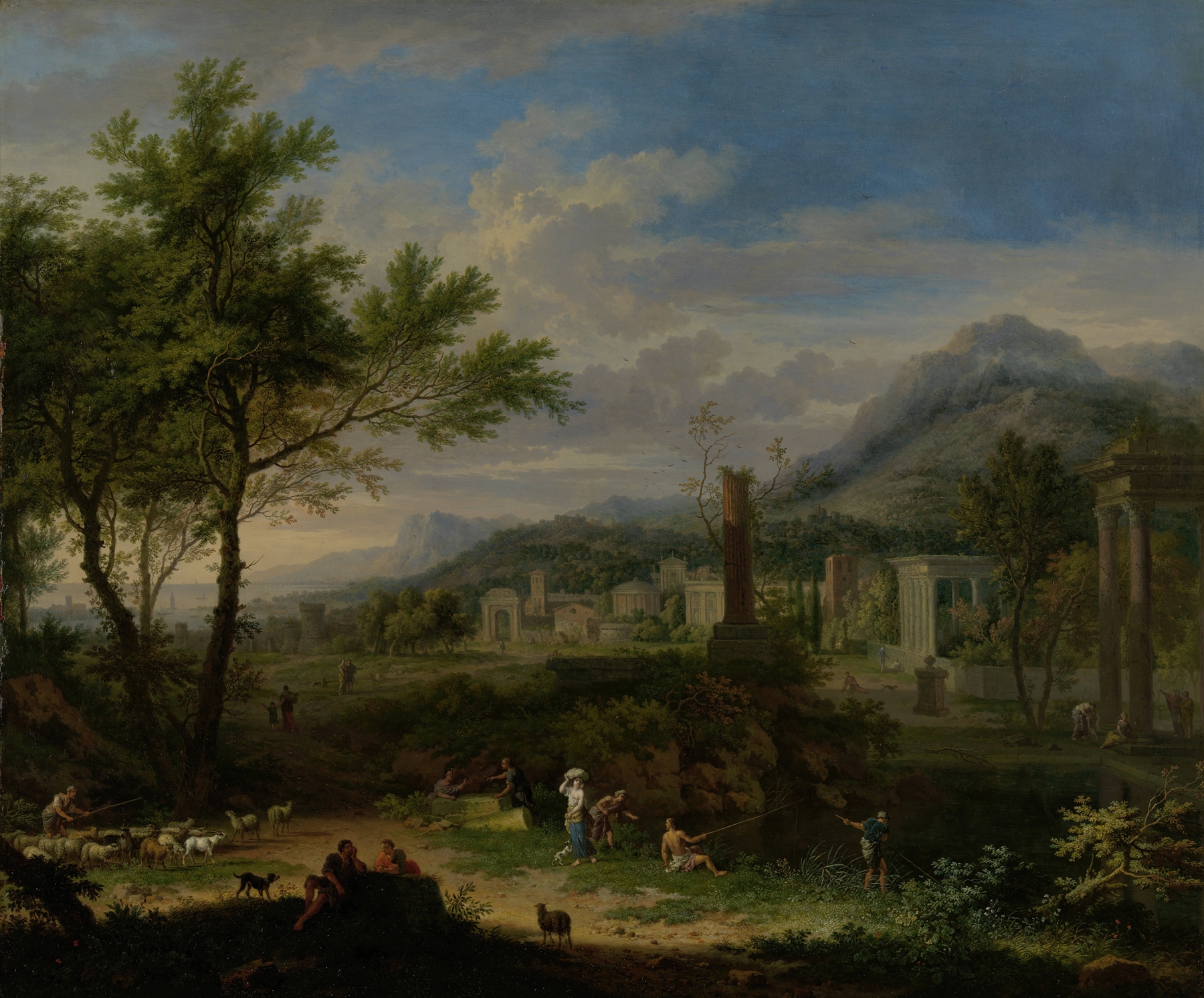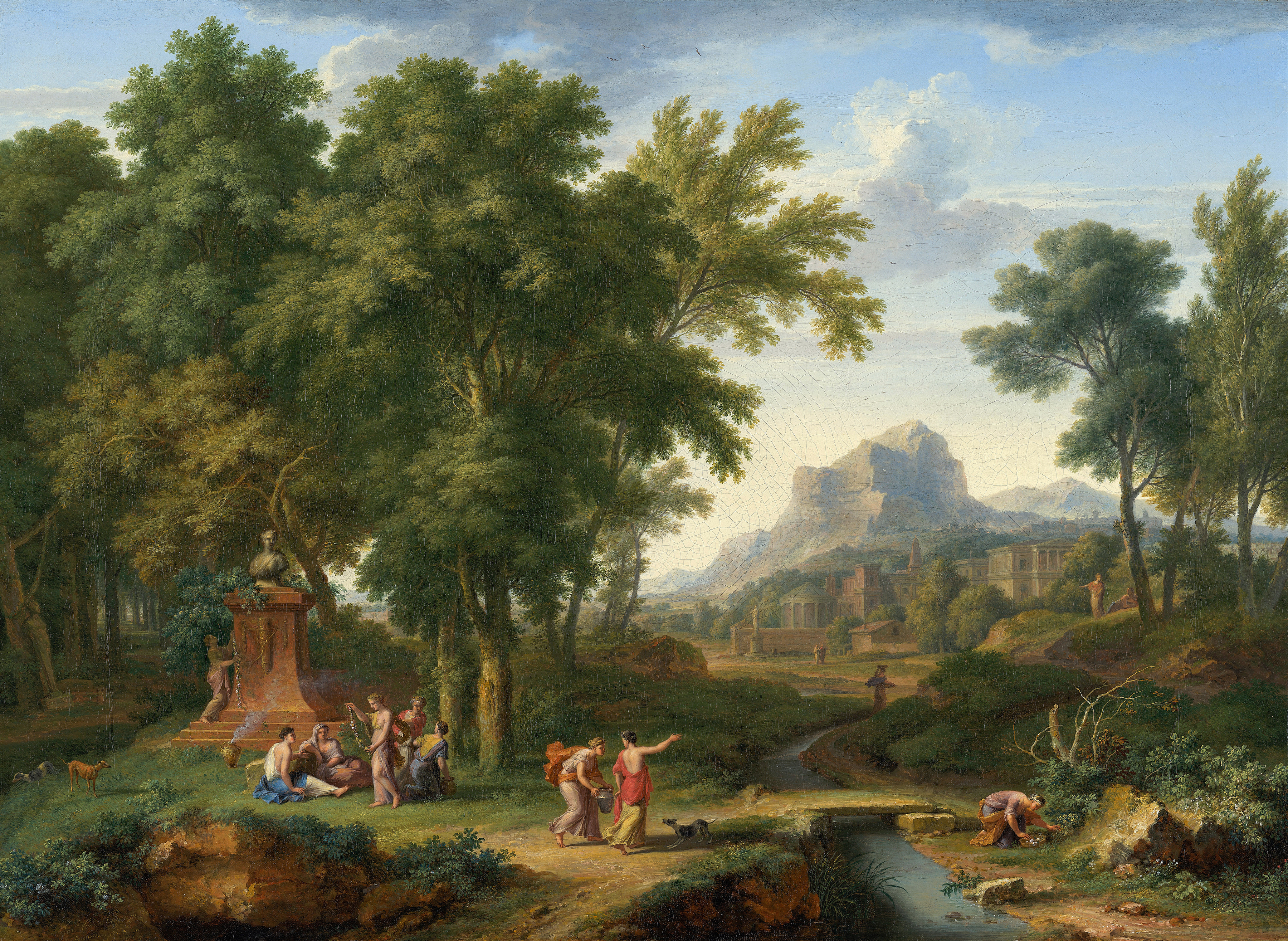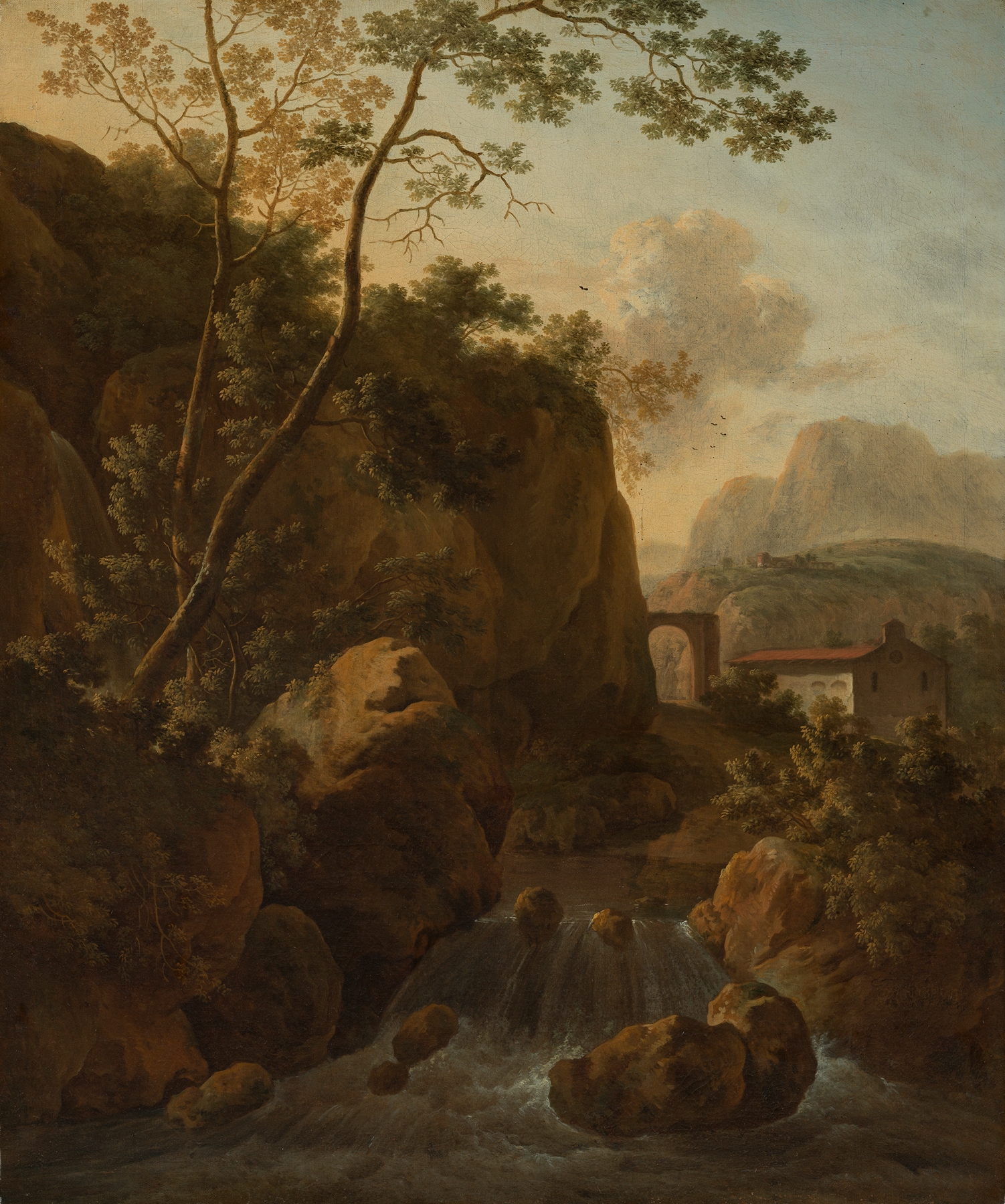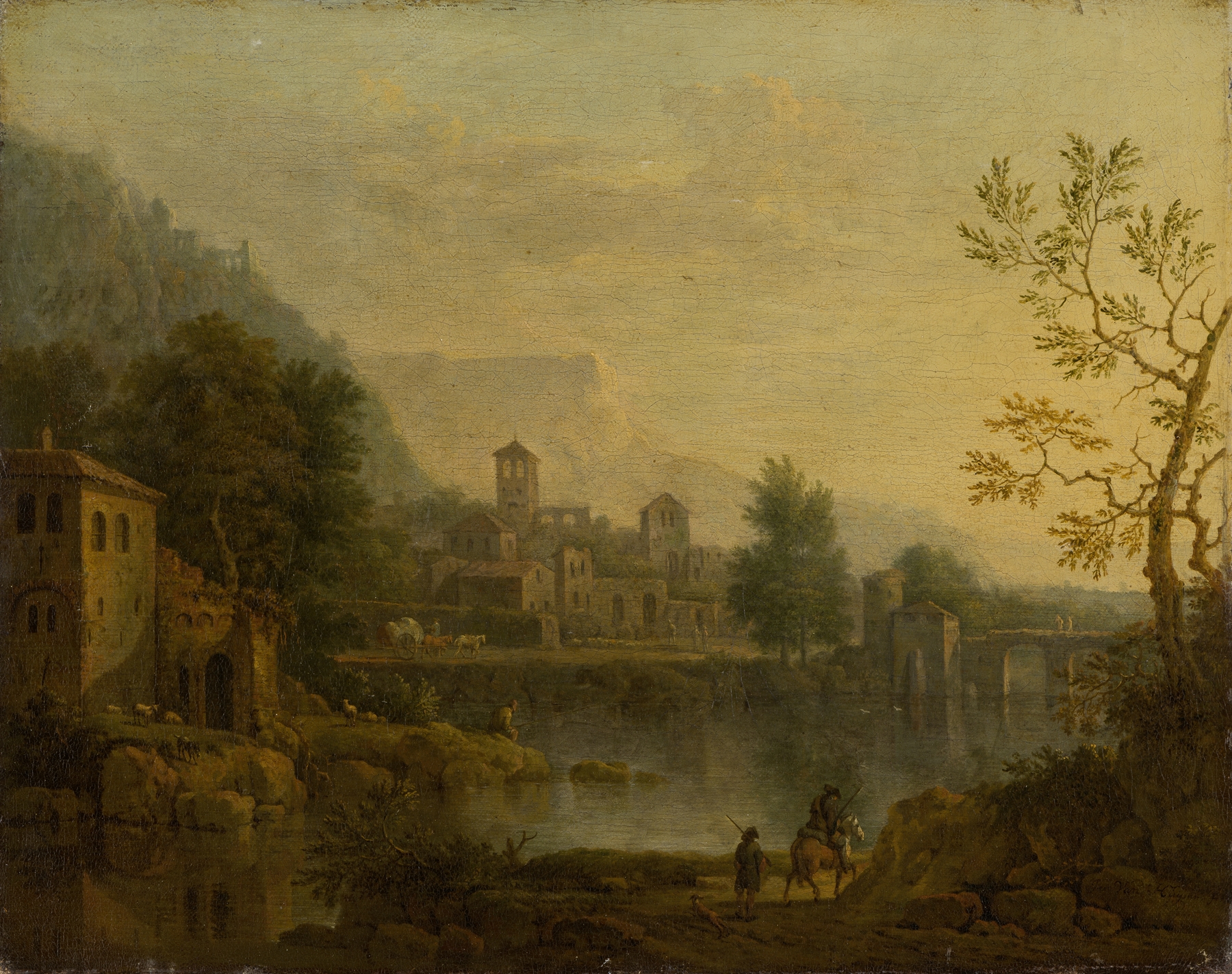
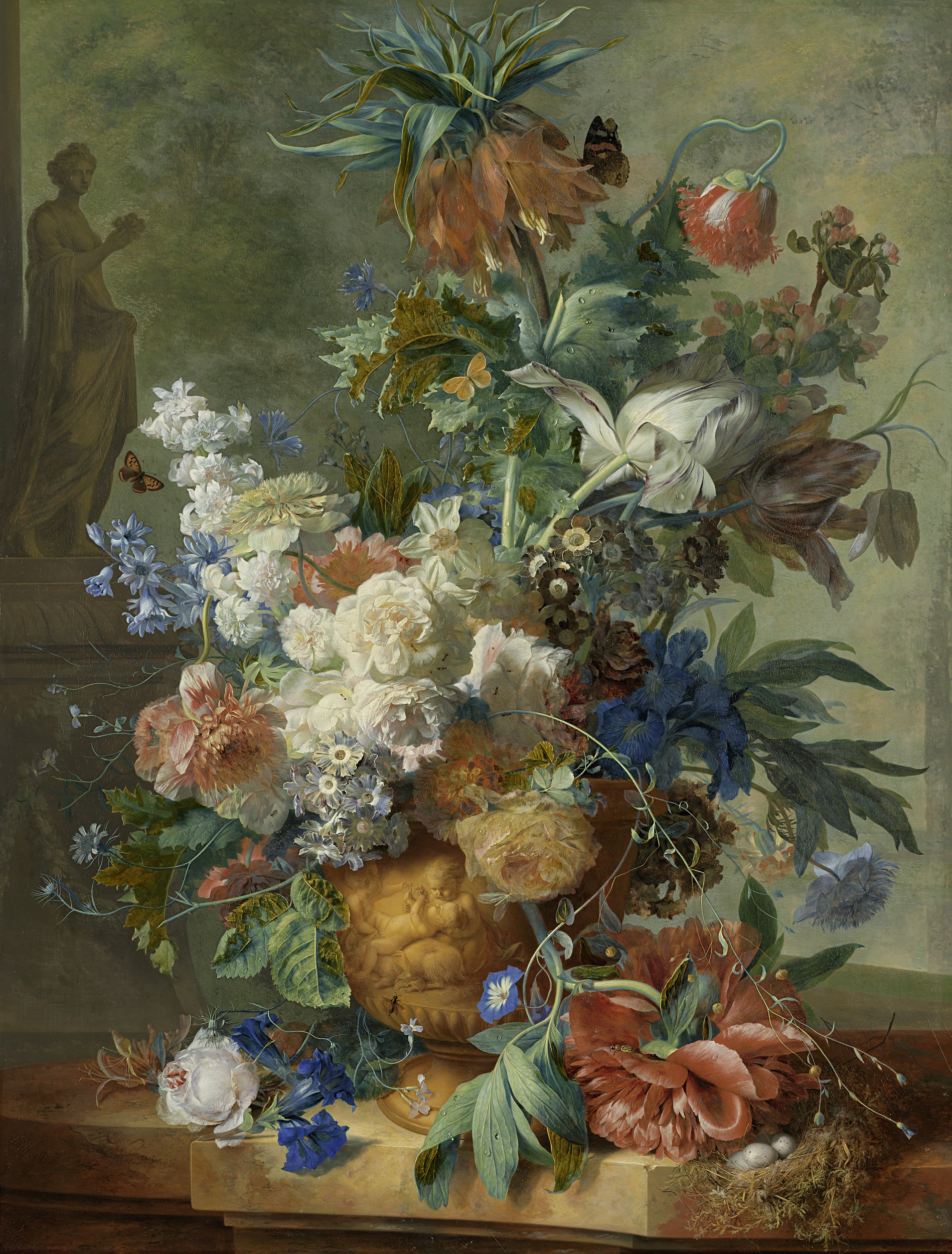
“Art reveals the soul when the world turns away.” In the quiet embrace of nature, hope springs eternal, woven through every brushstroke and every hue. Look to the foreground, where delicate wildflowers emerge amidst lush greenery, their vibrant colors pulsing with life. Notice how the gentle light casts soft shadows, highlighting the intricate details and creating a harmonious balance between realism and imagination. The idyllic landscape stretches towards the horizon, inviting the viewer's gaze into the depth of the scene, where soft blues and greens mingle with golden sunlight, evoking a sense of serenity. Yet, beneath this tranquil exterior lies a poignant contrast between nature's beauty and the fragility of existence. The flowers, though resplendent, are ephemeral, a reminder that all beauty is fleeting. The artist’s meticulous attention to detail reveals not just the landscape’s allure, but an underlying sense of vulnerability, a silent nod to the cycle of life and death. This interplay invites contemplation, asking us to reflect on our own experiences of hope amidst transience. Jan van Huysum painted *Italian Landscape* around 1709, during a period when Dutch art was flourishing, characterized by a focus on nature and the sublime. Having settled in Amsterdam, Huysum was navigating a world where his botanical interests merged with the aesthetic trends of the time, creating works that resonated with viewers’ desire for beauty and solace. His landscapes were celebrated for their technical precision, yet they also served as a mirror to the human condition, capturing moments of quiet reflection amidst the chaos of life.