Italienische Felslandschaft mit Gebirgsbach und Kapelle — History & Analysis
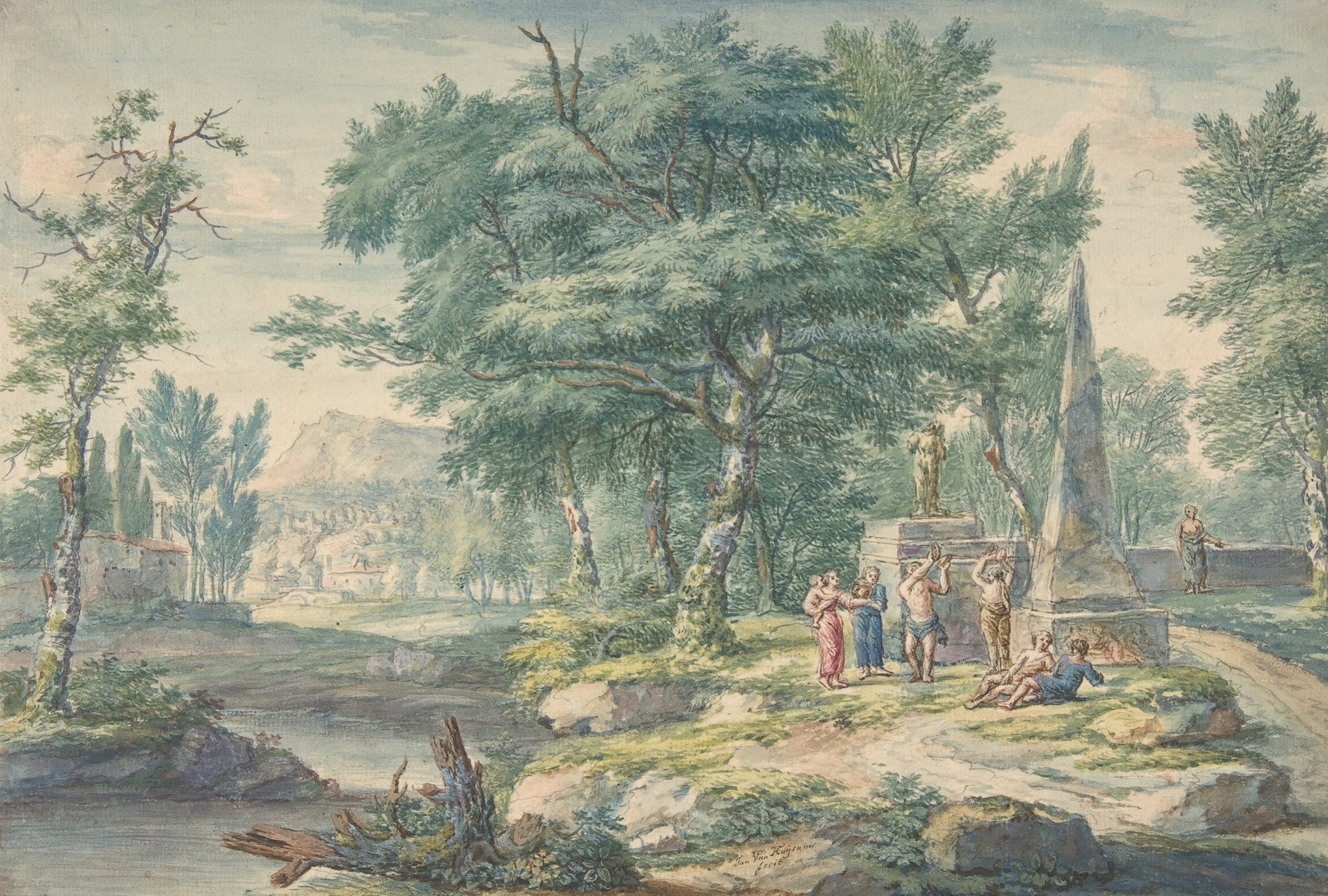
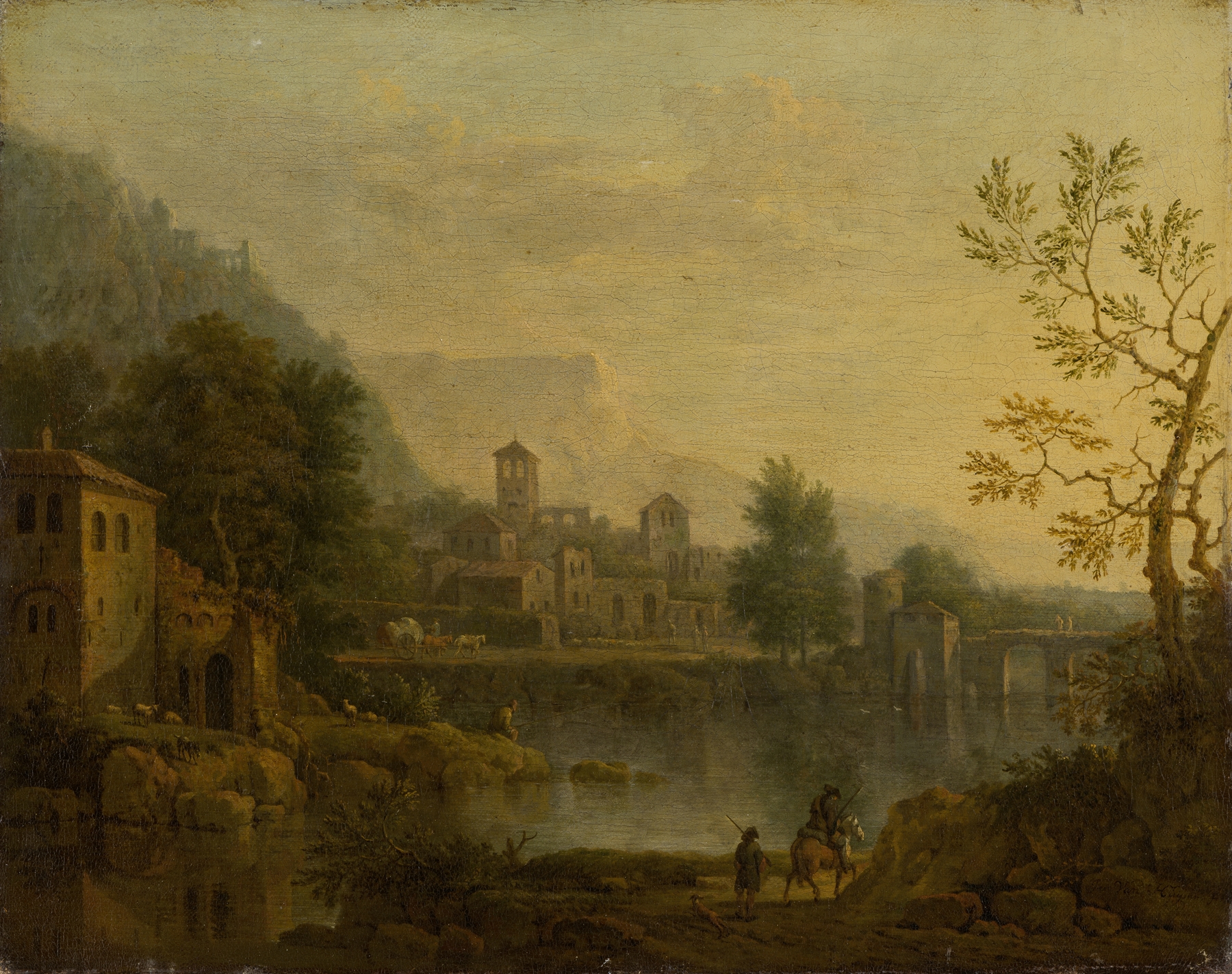
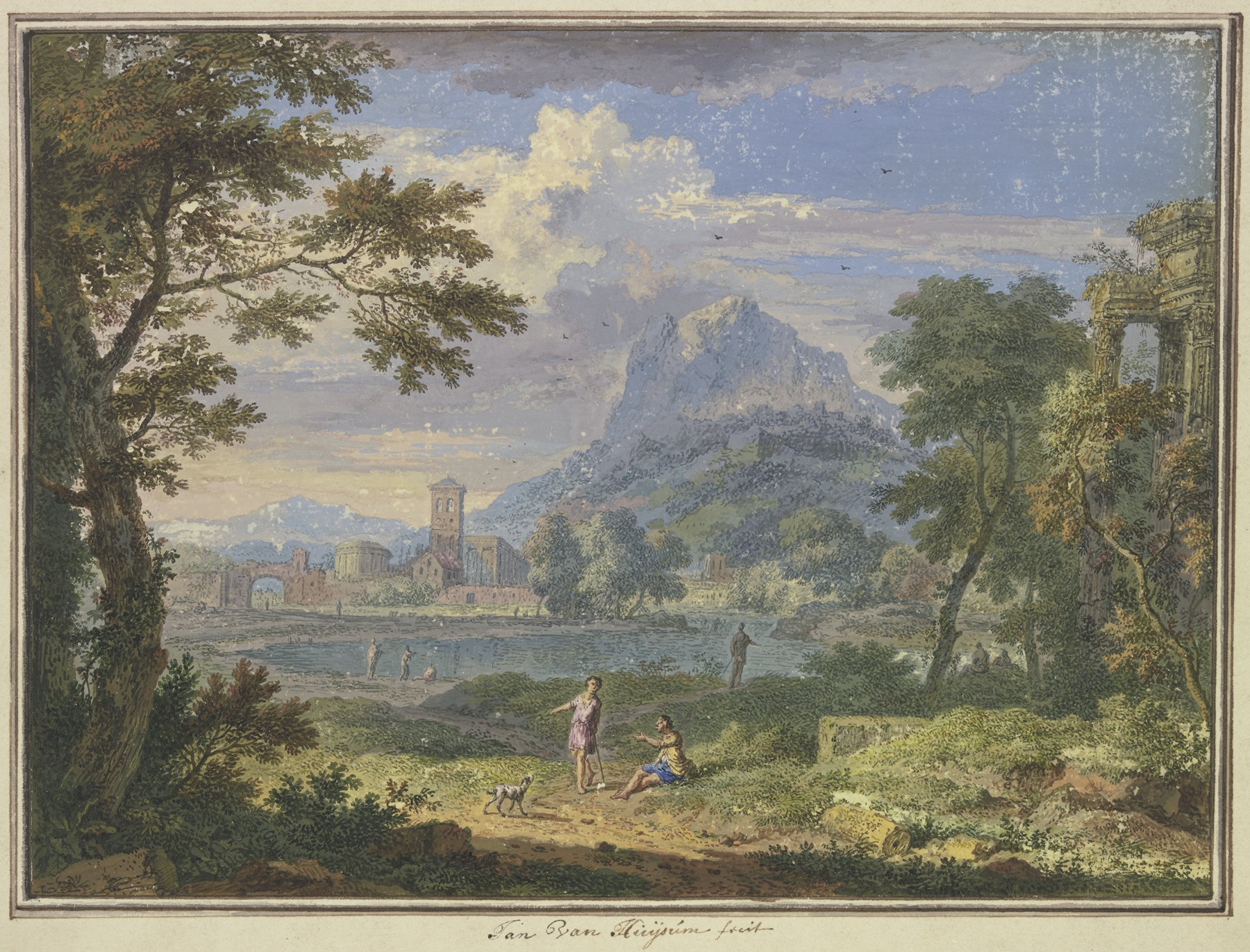
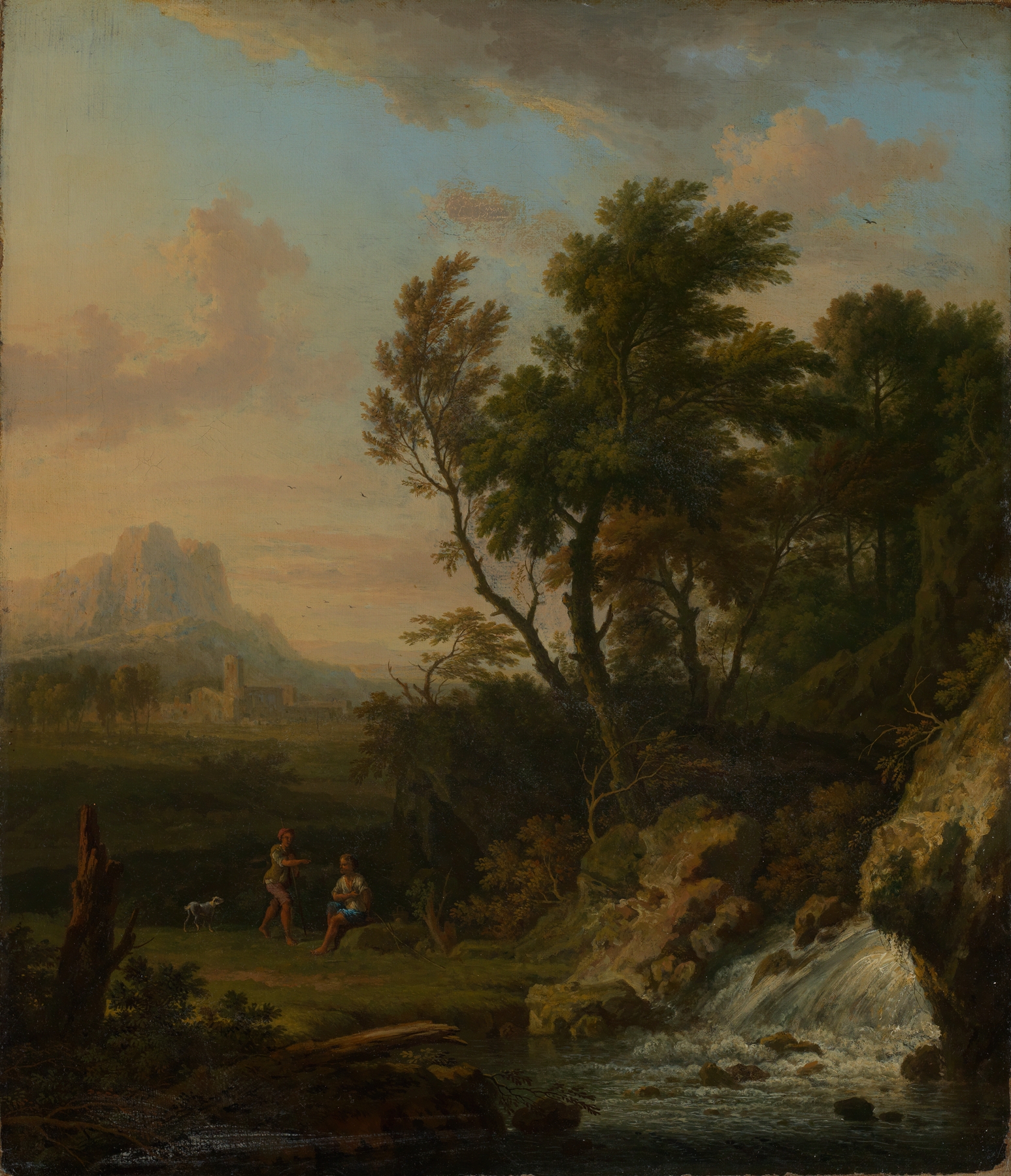
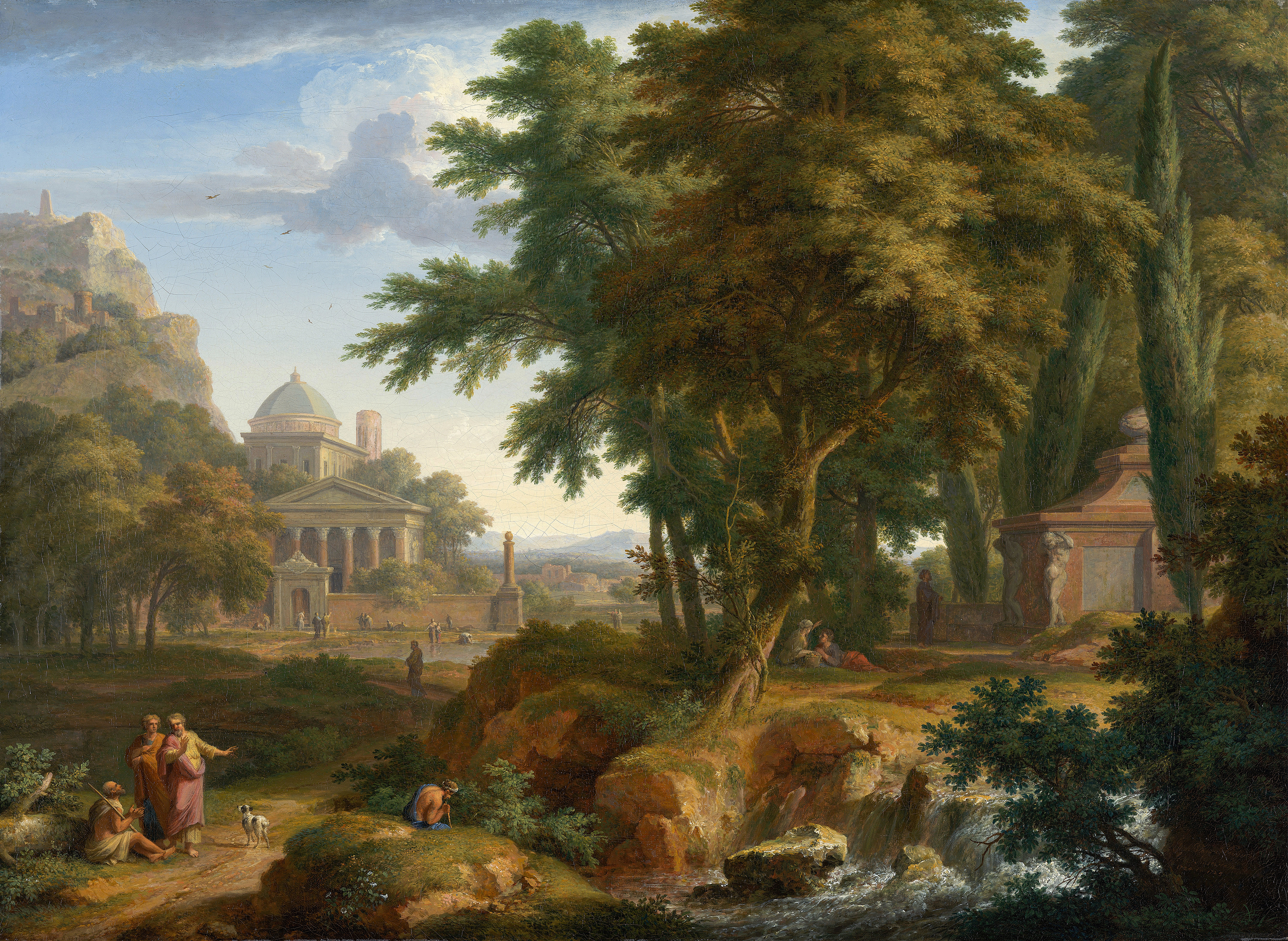
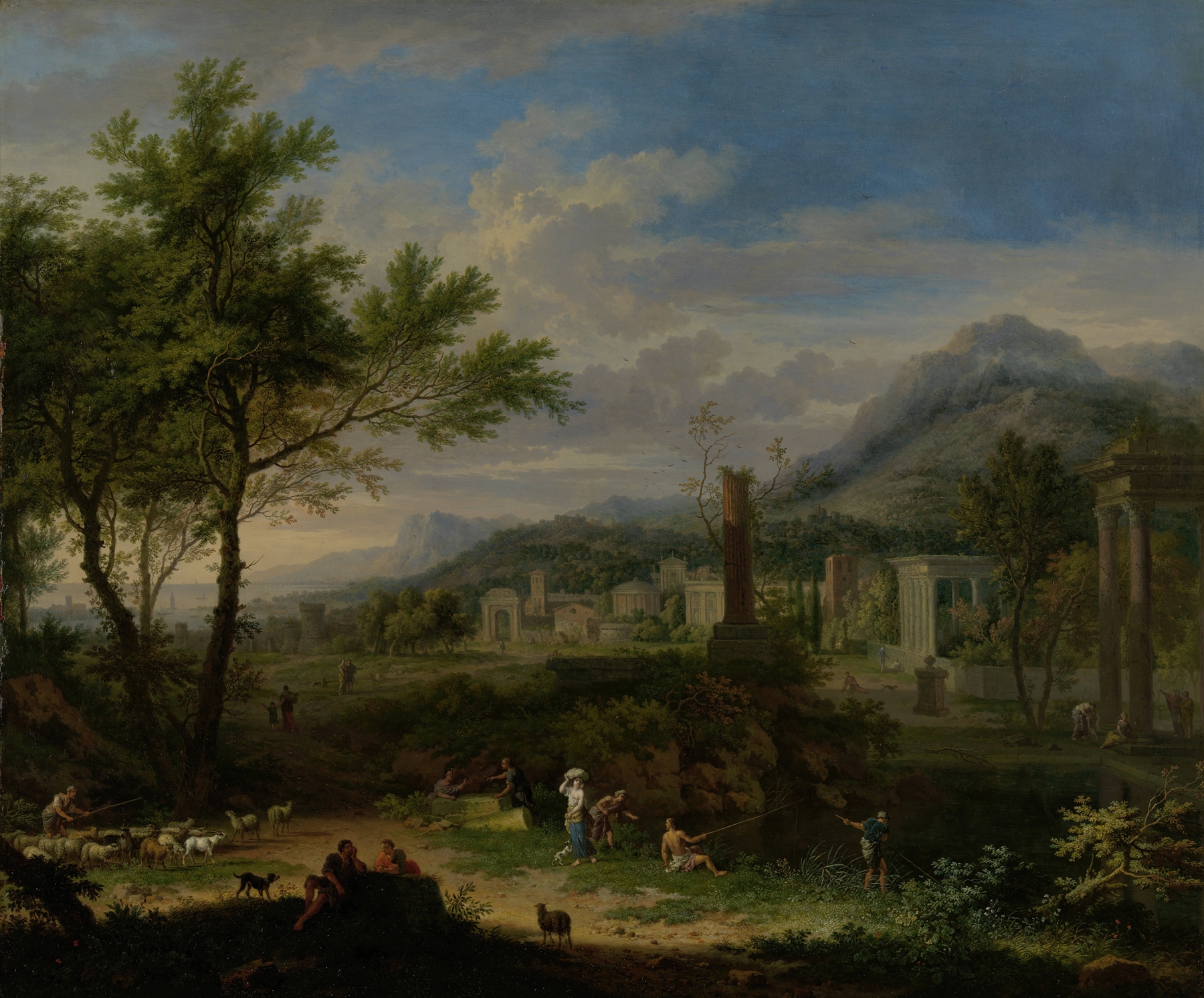
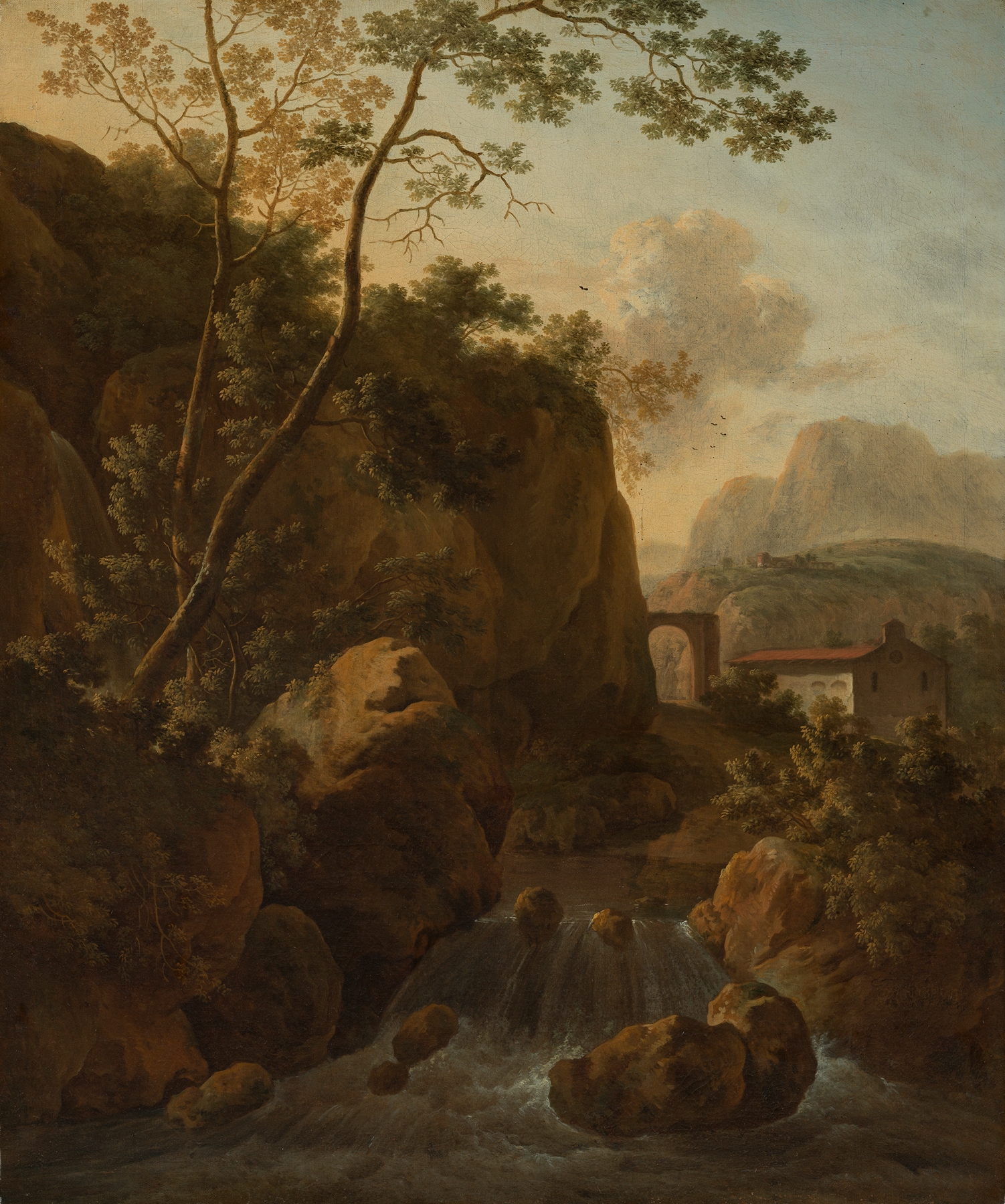
“Sometimes beauty is just pain, disguised in gold.” In the stillness of a landscape, where silence reigns, the tension between joy and sorrow lingers like an exquisite whisper. Focus on the serene valley to fully absorb the intricacies of the composition. Notice how the muted earth tones of the rugged rocks contrast with the gentle blue of the sky, drawing your eye toward the distant horizon. Pay attention to the delicate play of light across the shimmering surface of the river, as it meanders through the landscape, reflecting both the warmth of the sun and the chill of the water. The chapel perched on the mountainside invites contemplation, hinting at humanity's continual search for solace amidst nature's wild beauty. The intricate details reveal deeper emotions—the smooth, flowing lines of the river juxtaposed with the jagged peaks evoke a sense of struggle. The tranquil chapel stands as a symbol of hope, yet it is surrounded by formidable rock formations that suggest an underlying tension between the divine and the harshness of existence. Each brushstroke invites viewers to ponder the silent stories of those who have sought refuge in such landscapes, resonating with their own battles of despair and yearning. Around 1735, the artist was living in the Netherlands, at a time when the Baroque movement was reaching its zenith. *Italienische Felslandschaft mit Gebirgsbach und Kapelle* emerged during a phase of his career defined by an exploration of natural beauty coupled with an inclination towards idyllic landscapes. This piece reflects his keen interest in the interplay of light and shadow, characteristic of his work, as he sought to translate the emotional depth of the natural world into a visual feast.