La Donna della Finestra — History & Analysis
When did color learn to lie? In La Donna della Finestra, vibrant hues mask an undercurrent of turmoil, revealing the duality of beauty and violence in human experience. The painting compels the viewer to question the delicate balance between allure and deception. Begin by looking to the left, where the figure of a woman emerges from the shadows, her gaze both inviting and enigmatic.
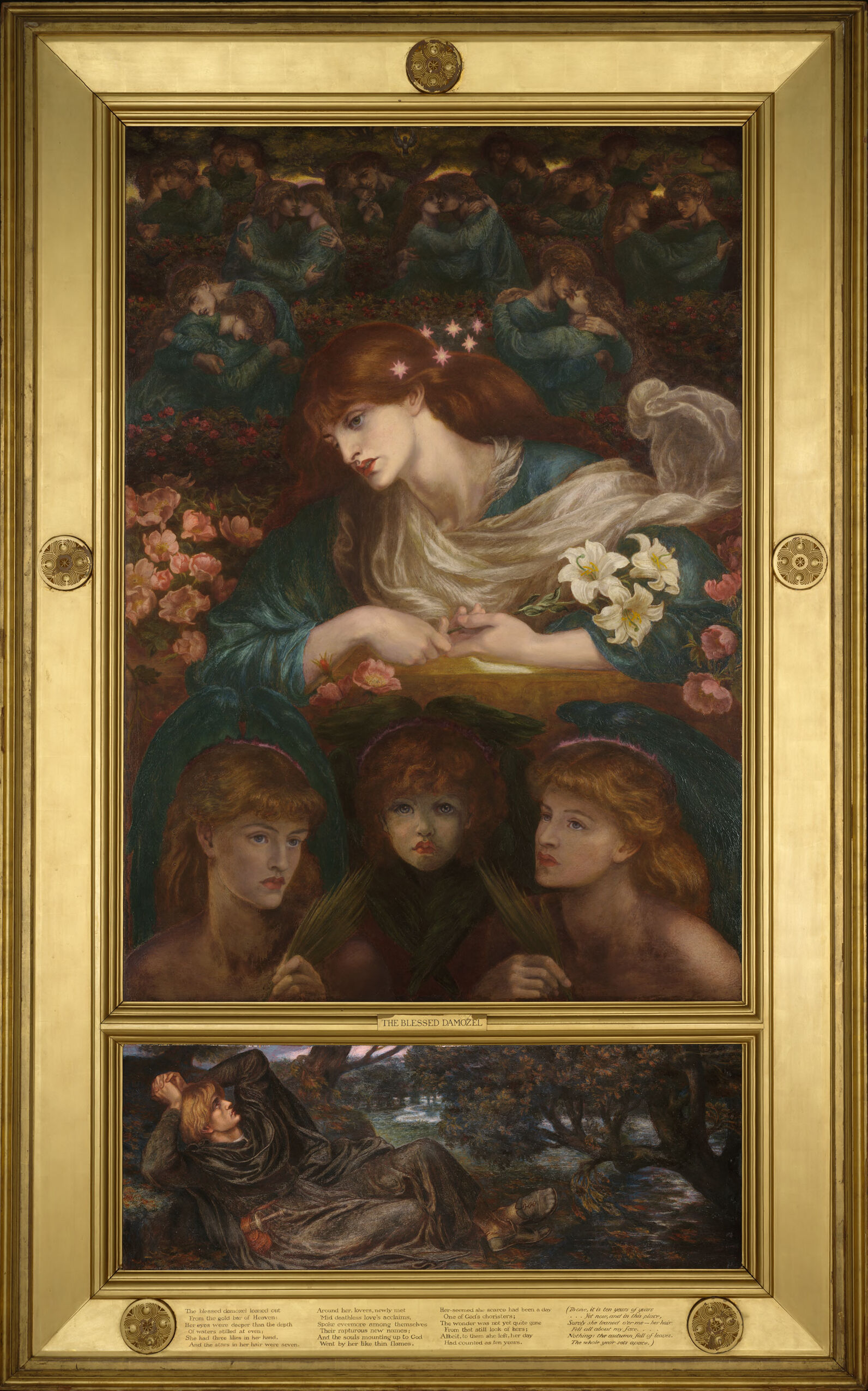
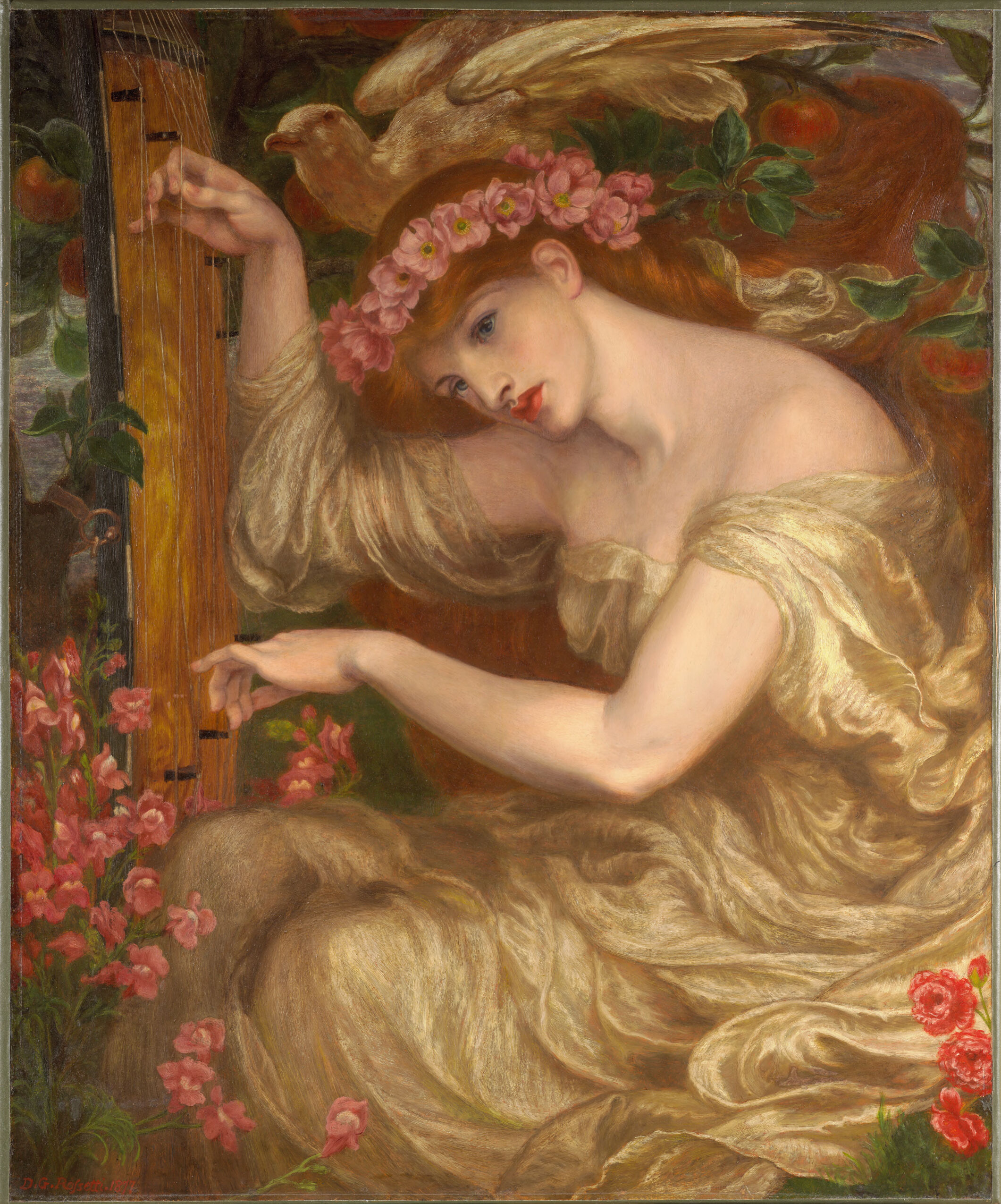
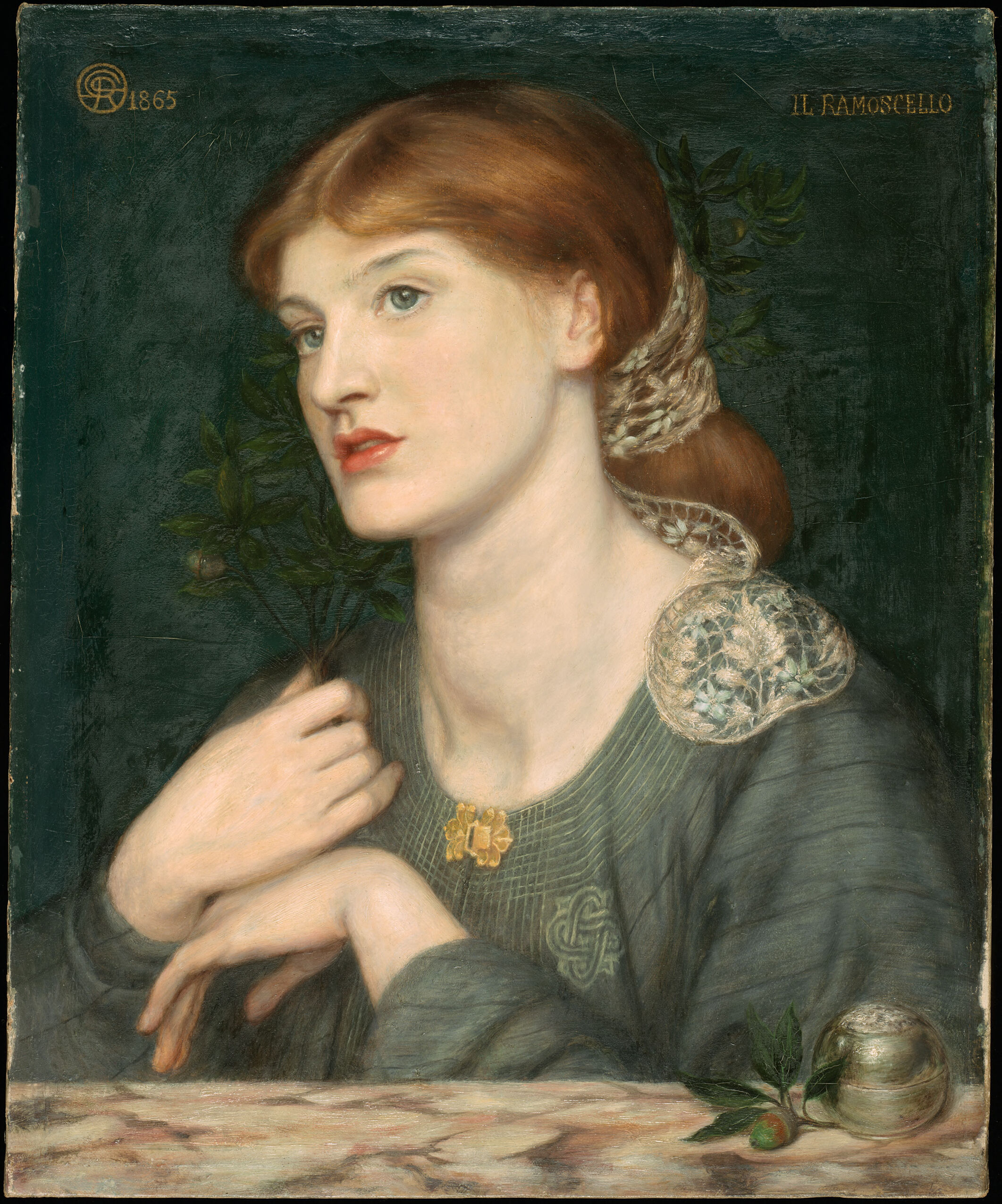
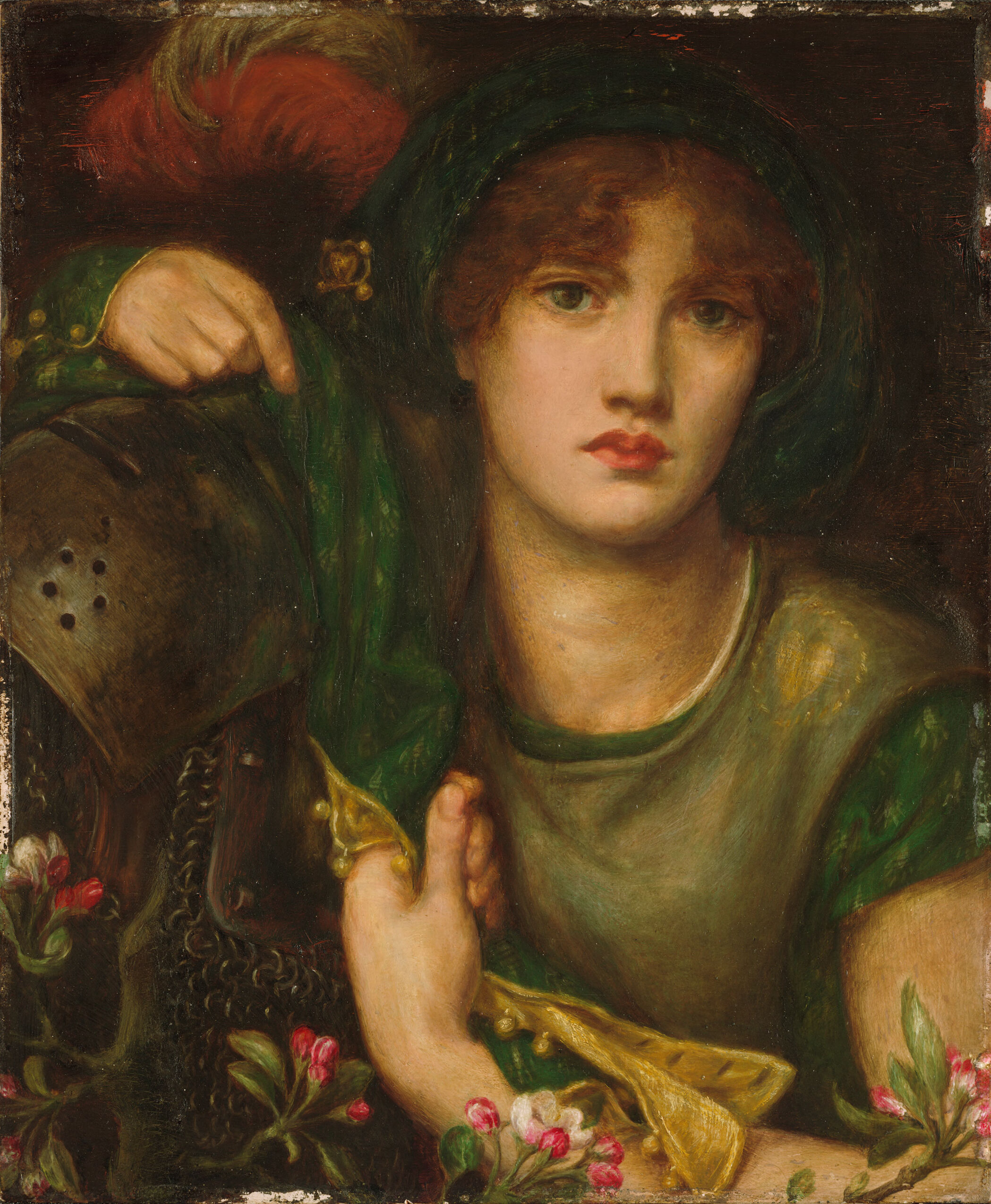
Rossetti’s mastery of color plays with light and shadow, illuminating her features with a soft glow that feels almost ethereal. Notice how the warm reds and deep greens entwine around her, wrapping her in nature's embrace, yet also isolating her within the confines of the window frame—a symbol of both protection and confinement. The tension in this artwork lies beneath the surface, manifesting in the contrast between the woman's serene expression and the wild, tumultuous plants that surround her. The foliage appears almost as a grotesque extension of her psyche, suggesting that beauty is often intertwined with pain.
Each brushstroke of vibrant color hints at an inner struggle, a reflection of societal expectations of femininity in the Victorian era, where the allure of a woman often concealed deeper vulnerabilities. Dante Gabriel Rossetti painted La Donna della Finestra in 1879, during a time when he was deeply invested in the Pre-Raphaelite movement, which sought to revive the expressive qualities of medieval art. At this point in his career, he was grappling with personal turmoil, including the loss of loved ones and shifting dynamics within the art world, injecting a sense of urgency and depth into this haunting portrayal of femininity.