La Madeleine no. II — History & Analysis
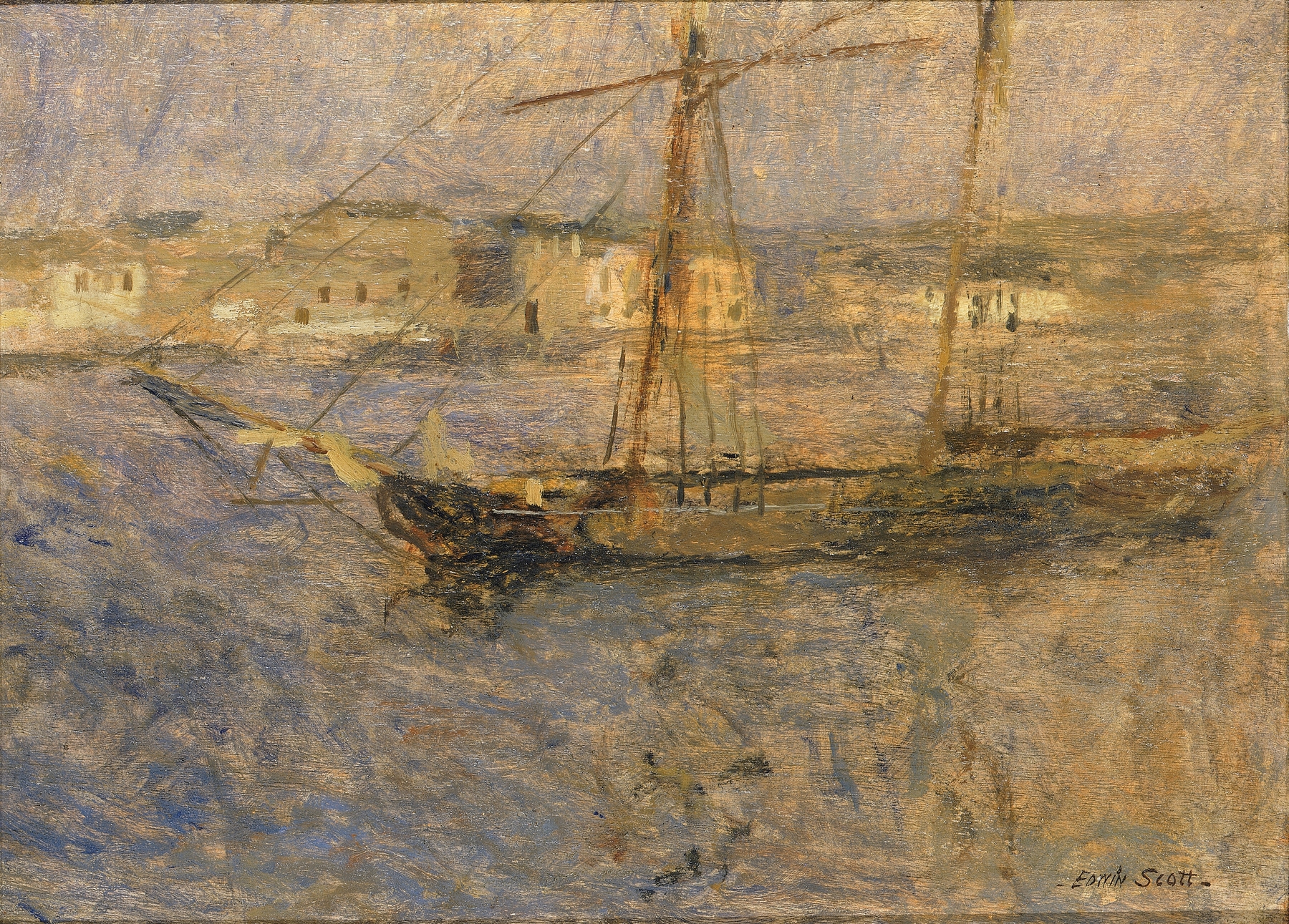
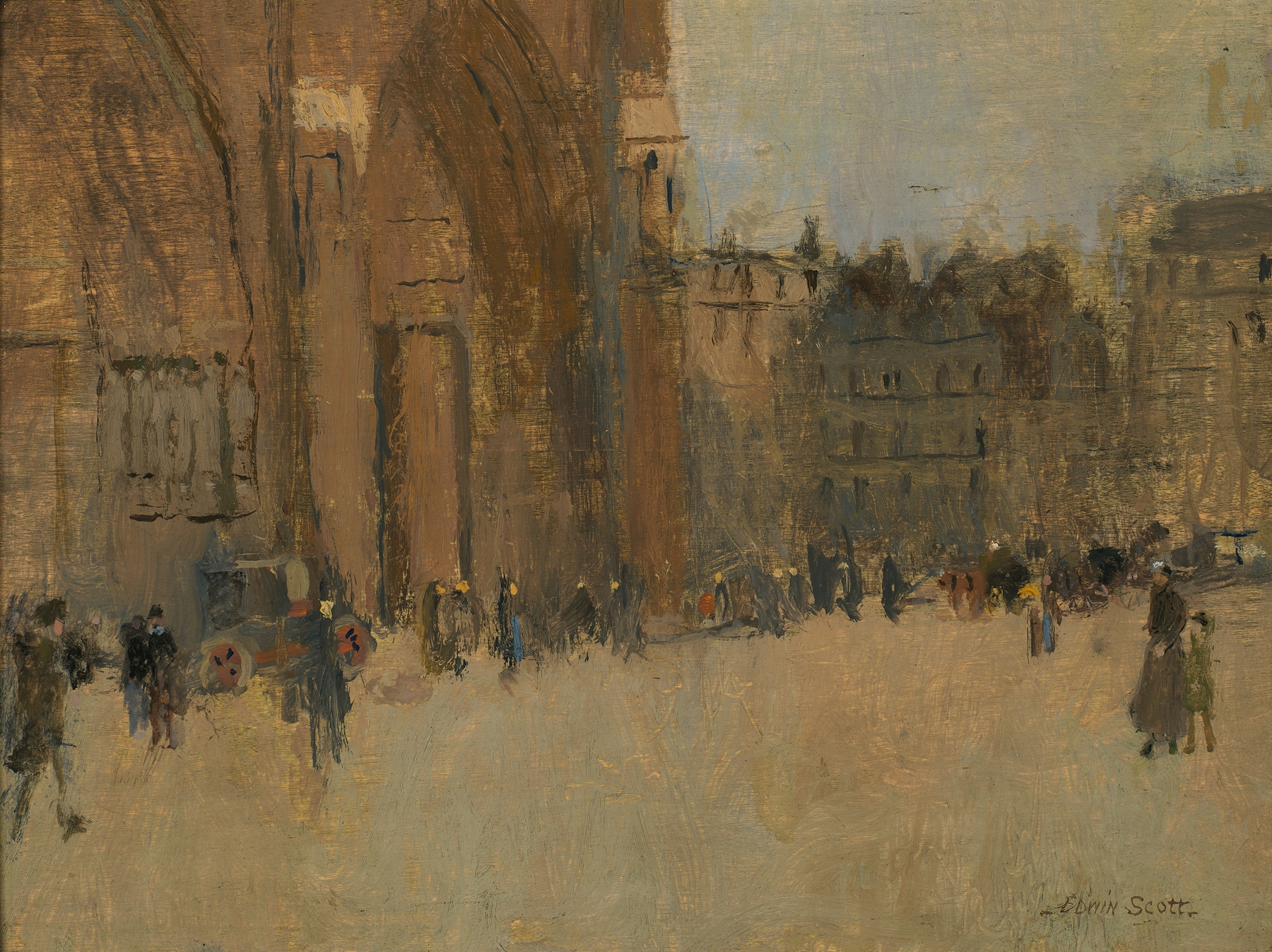
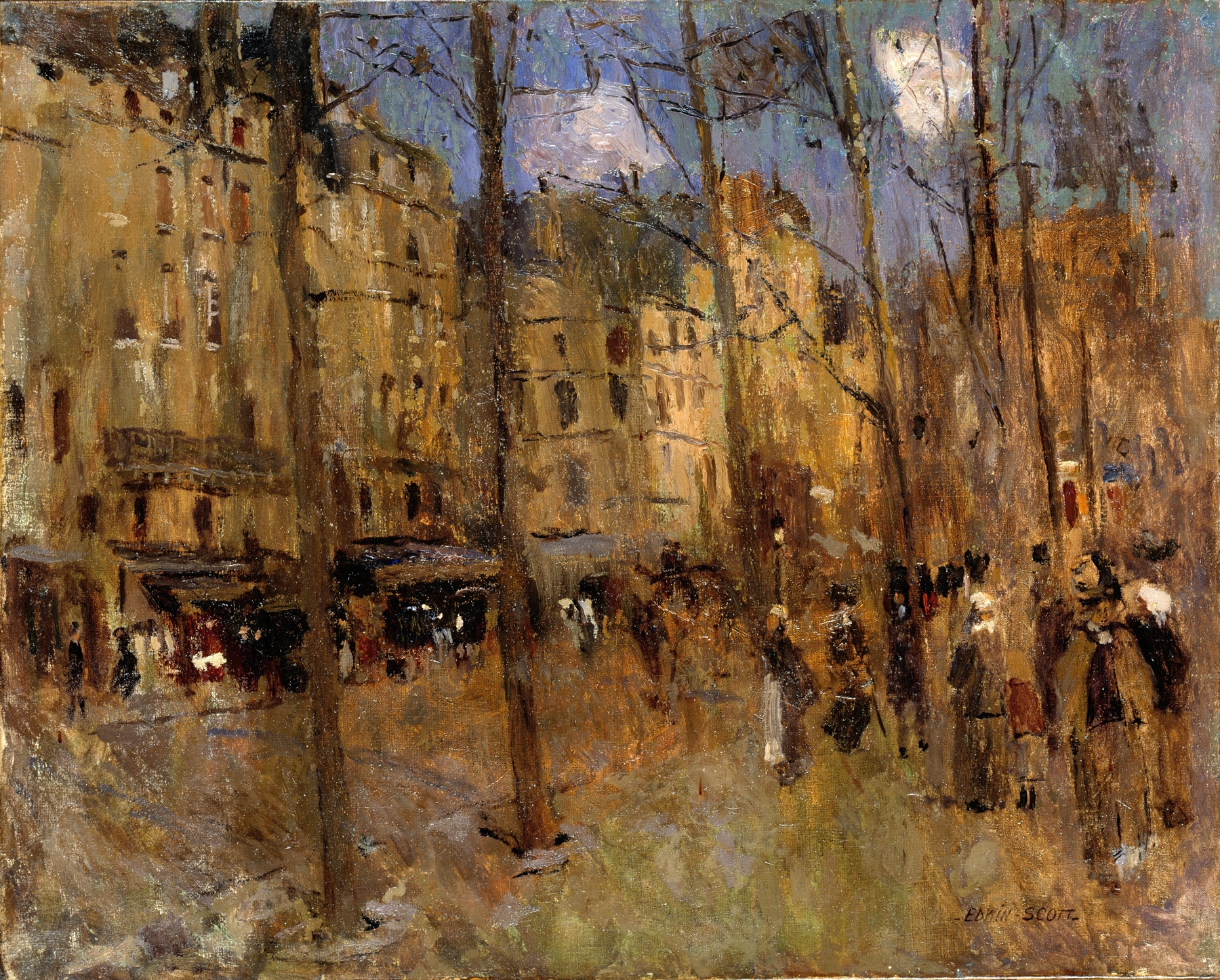
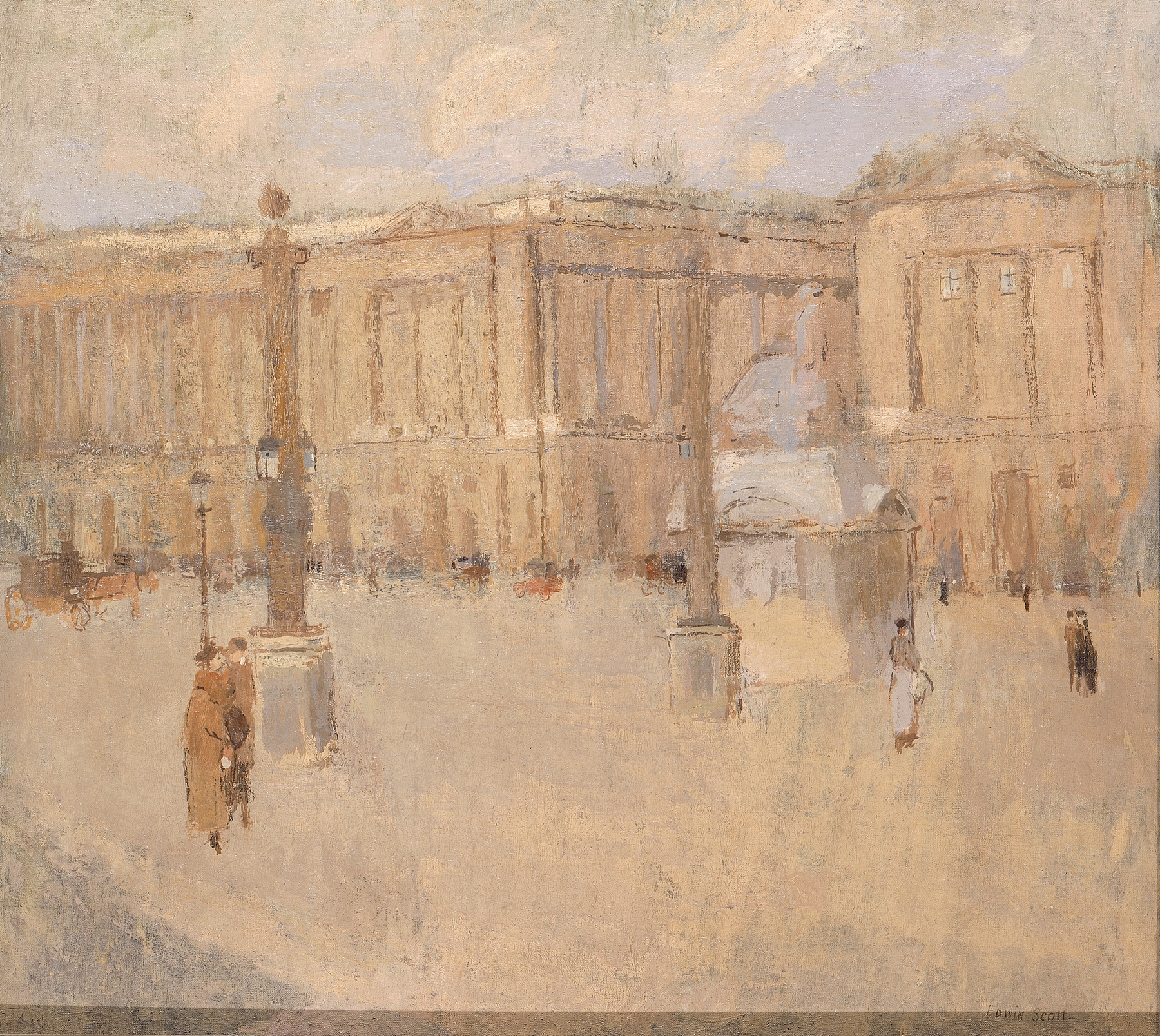
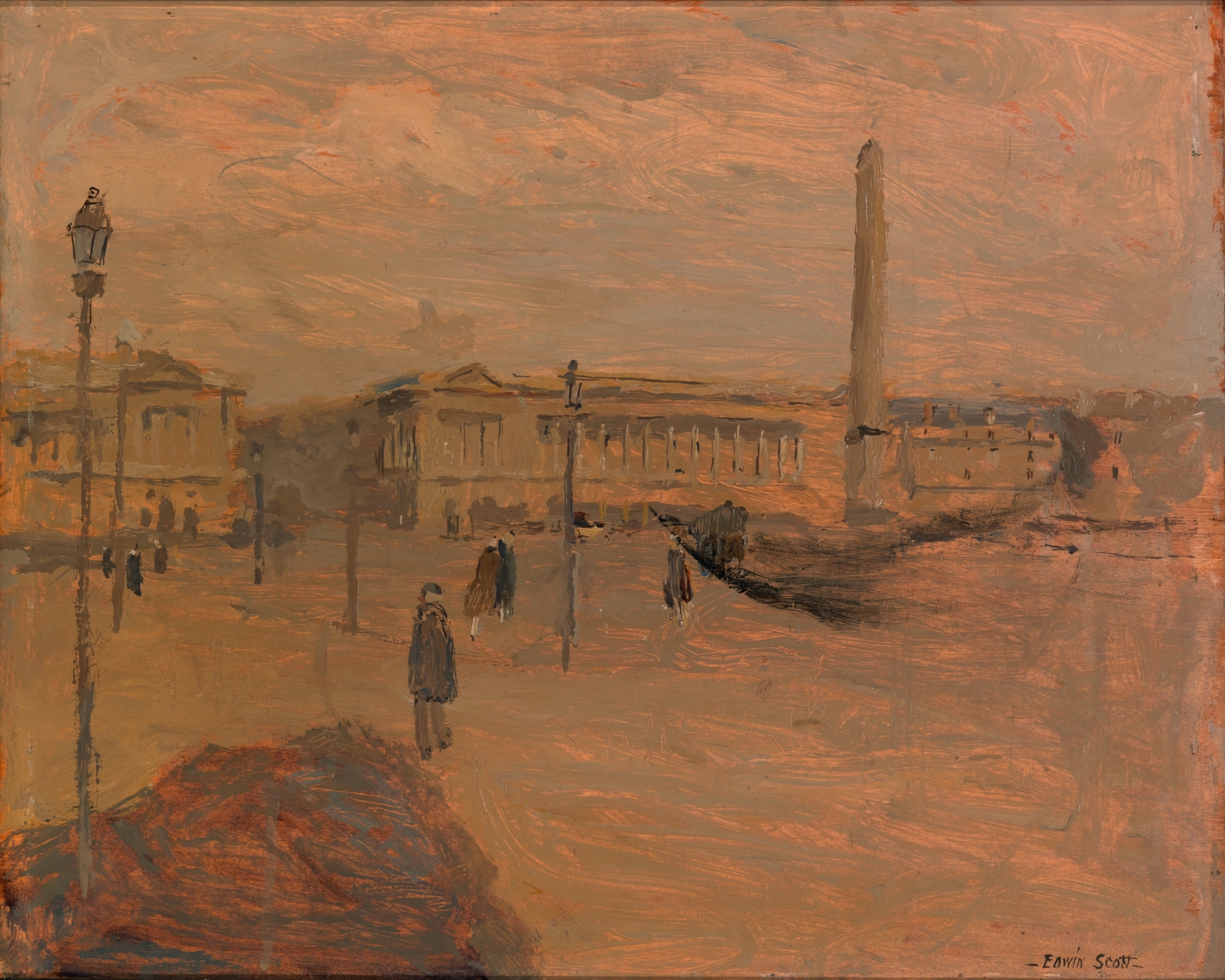
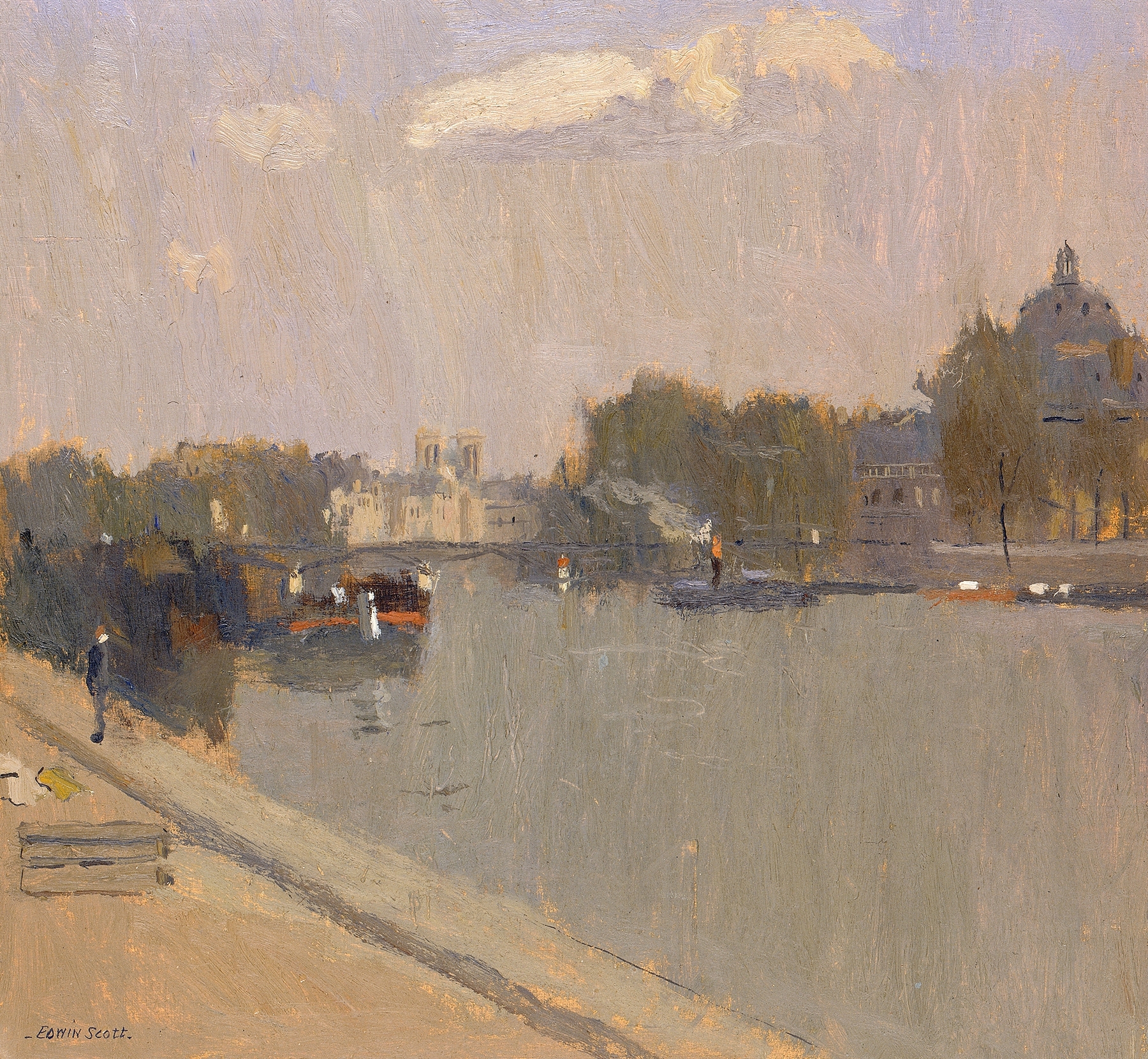
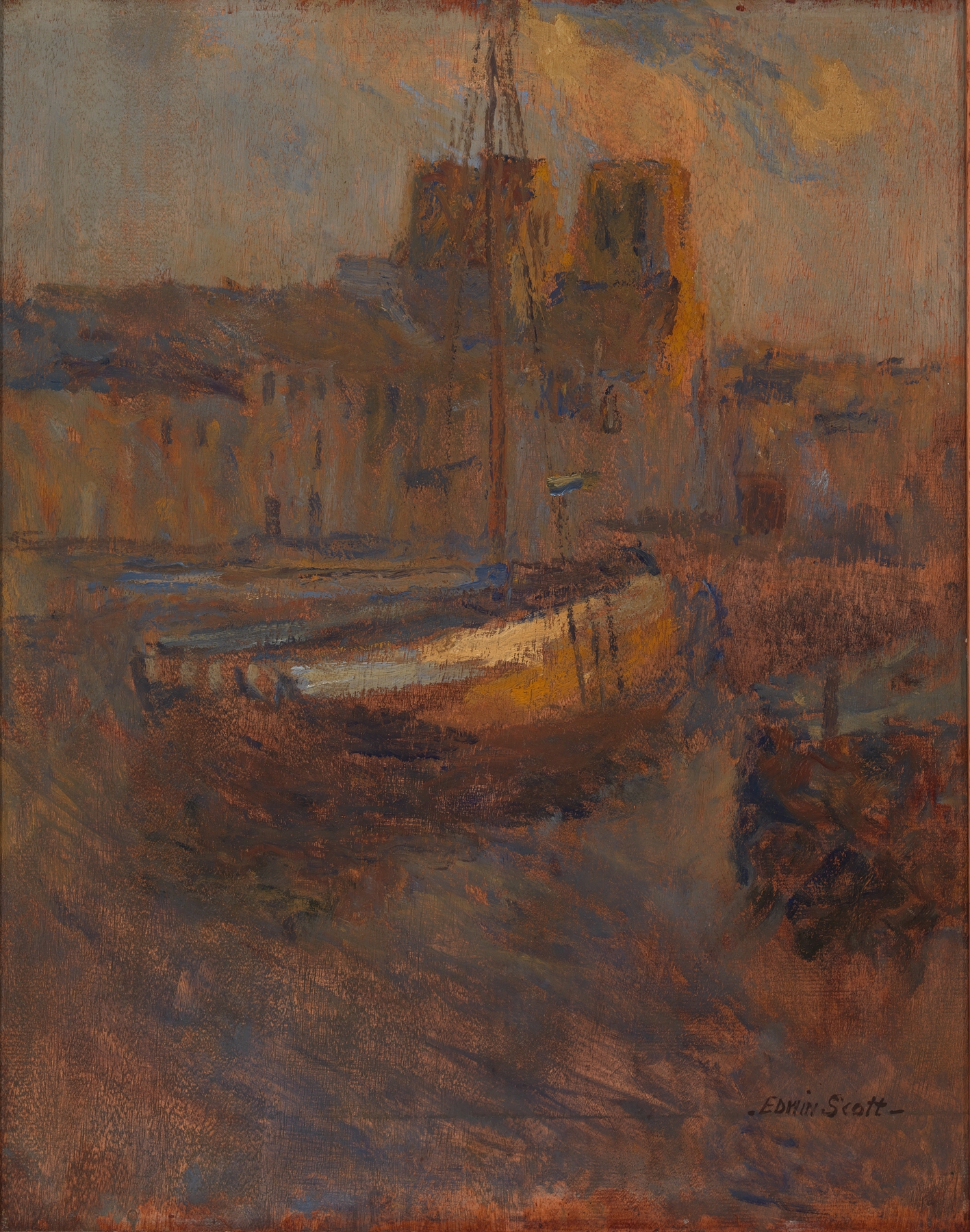
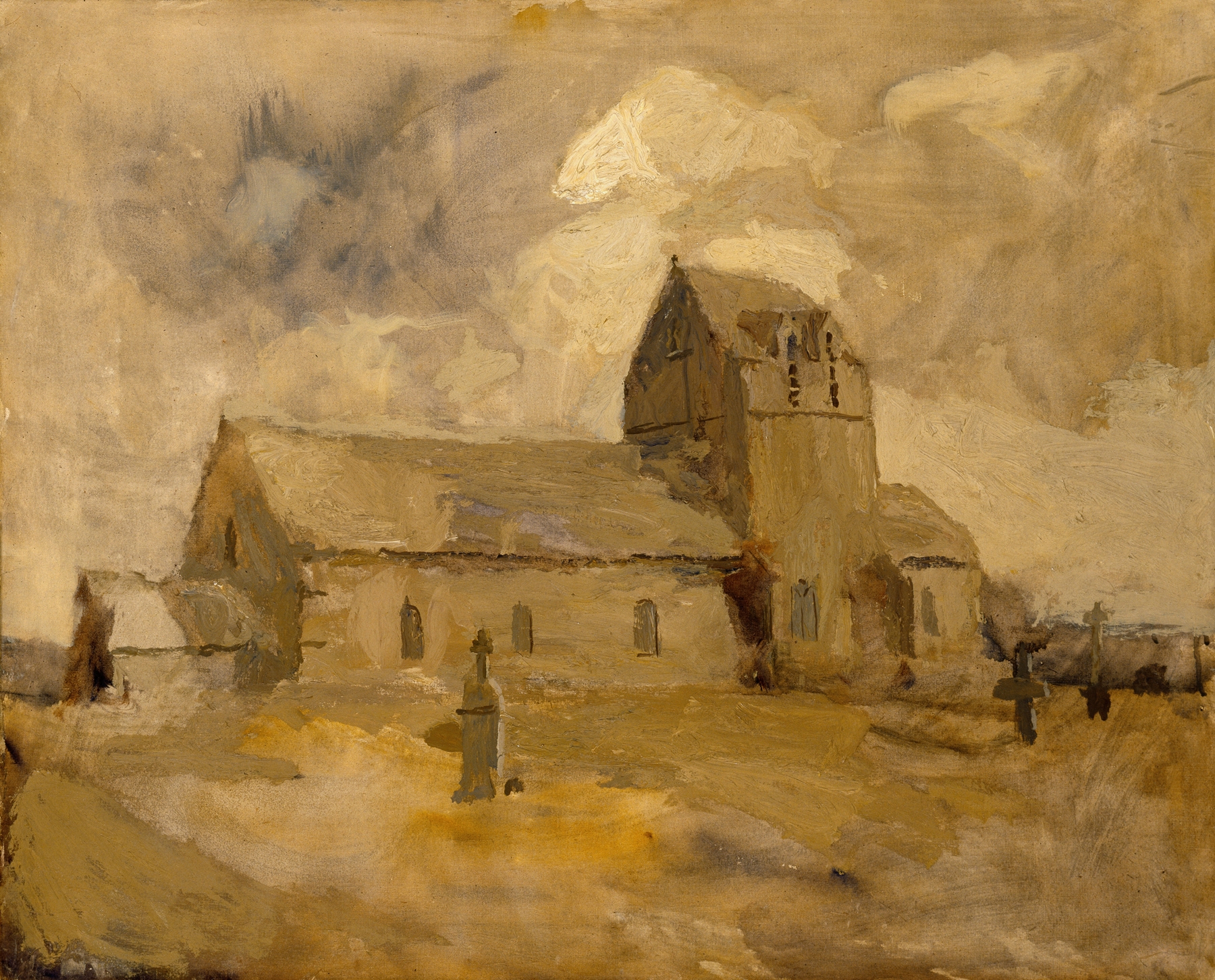
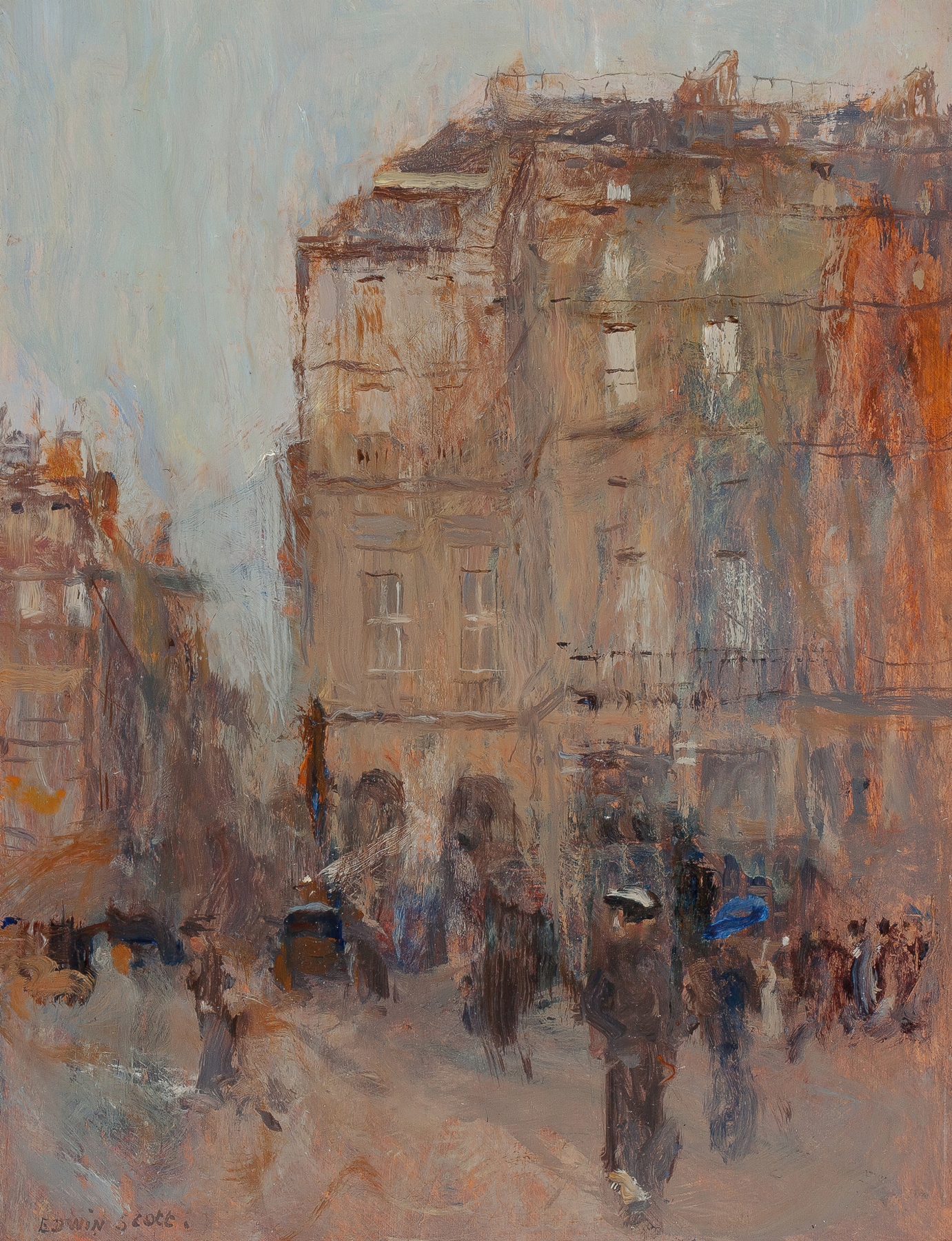
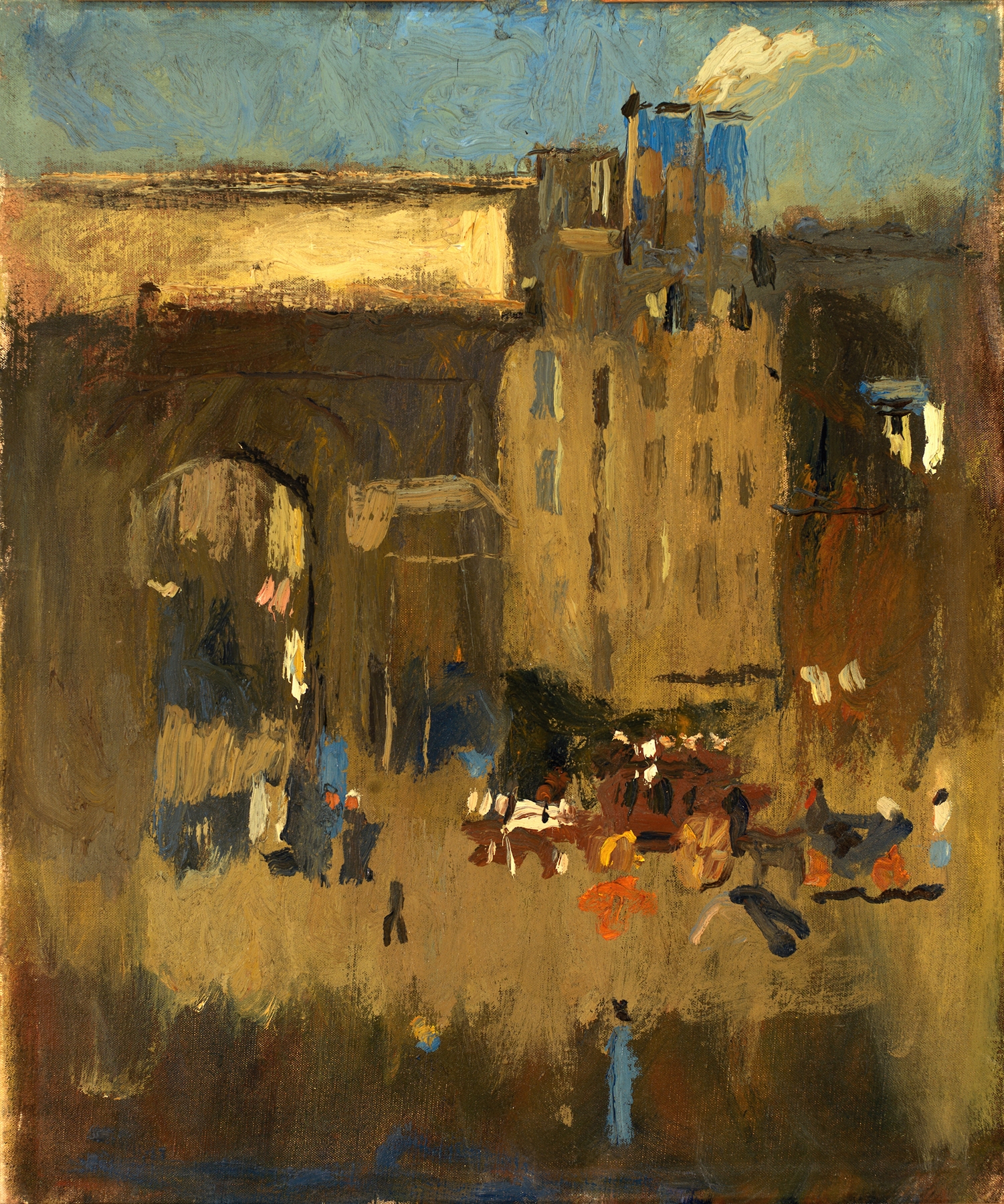
Could beauty survive in a century of chaos? In La Madeleine no. II, the essence of movement captures that question, inviting viewers to explore the interplay of form and emotion in a turbulent world. Look to the center of the painting, where flowing lines converge in a dance of vibrant hues. The swirling brushstrokes evoke a sense of rhythm, almost as if the canvas breathes with life.
Notice how the deep blues and radiant golds mingle, creating a dynamic tension that pulls the eye along a path of unexpected movement. The layering of paint adds texture, inviting tactile engagement, while the contrast between the smoother areas and the more chaotic strokes creates a visual dialogue. Delve deeper and you’ll uncover emotional nuances hidden within the movement itself. The fluidity suggests not merely action but a deeper yearning—a desire to break free from confinement, echoing the struggles of the time. The interplay of light and shadow hints at duality: joy and sorrow, hope and despair, reflecting a society caught between beauty and chaos.
Each brushstroke becomes a testament to resilience, a silent scream against the boundaries of the era. Frank Edwin Scott created this work during a period when modernism began to reshape the art world, though the exact date remains elusive. His exploration of movement and abstraction was a response to the changing tides of society, marked by both technological progress and the looming shadows of conflict. This painting embodies a spirit of exploration, a search for harmony amidst discord, capturing a moment where art dared to reflect the complexities of human experience.