La place de la Madeleine — History & Analysis
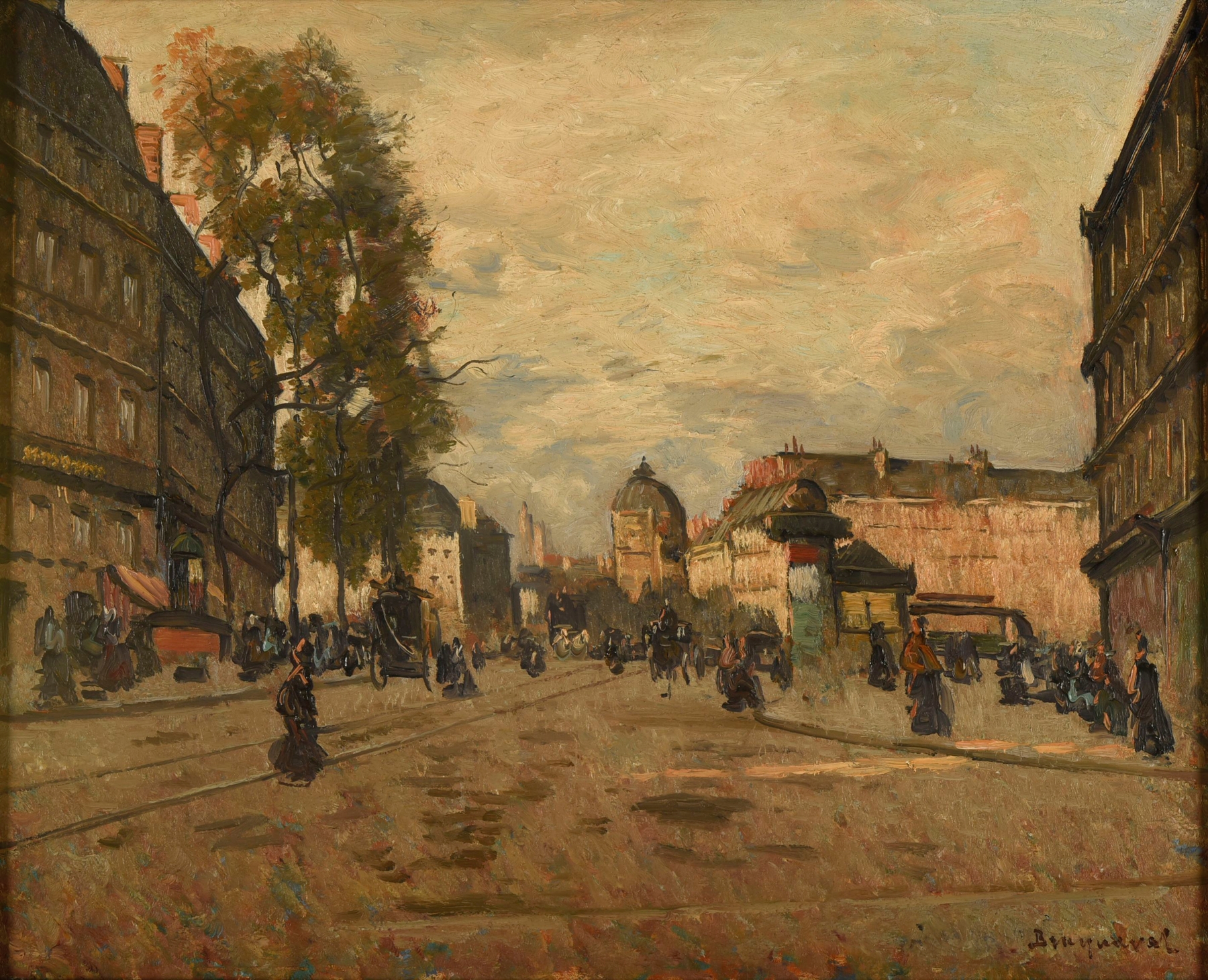
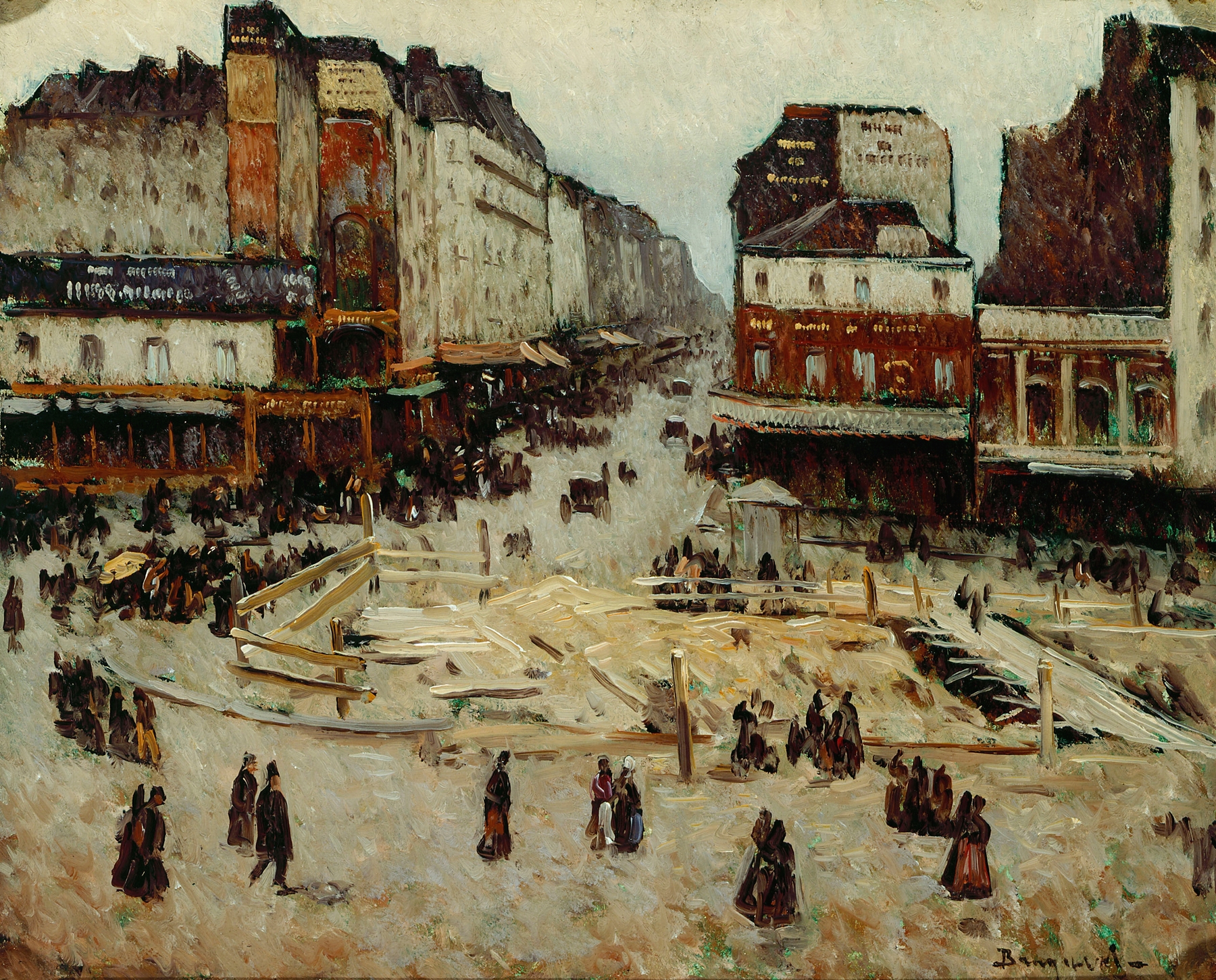
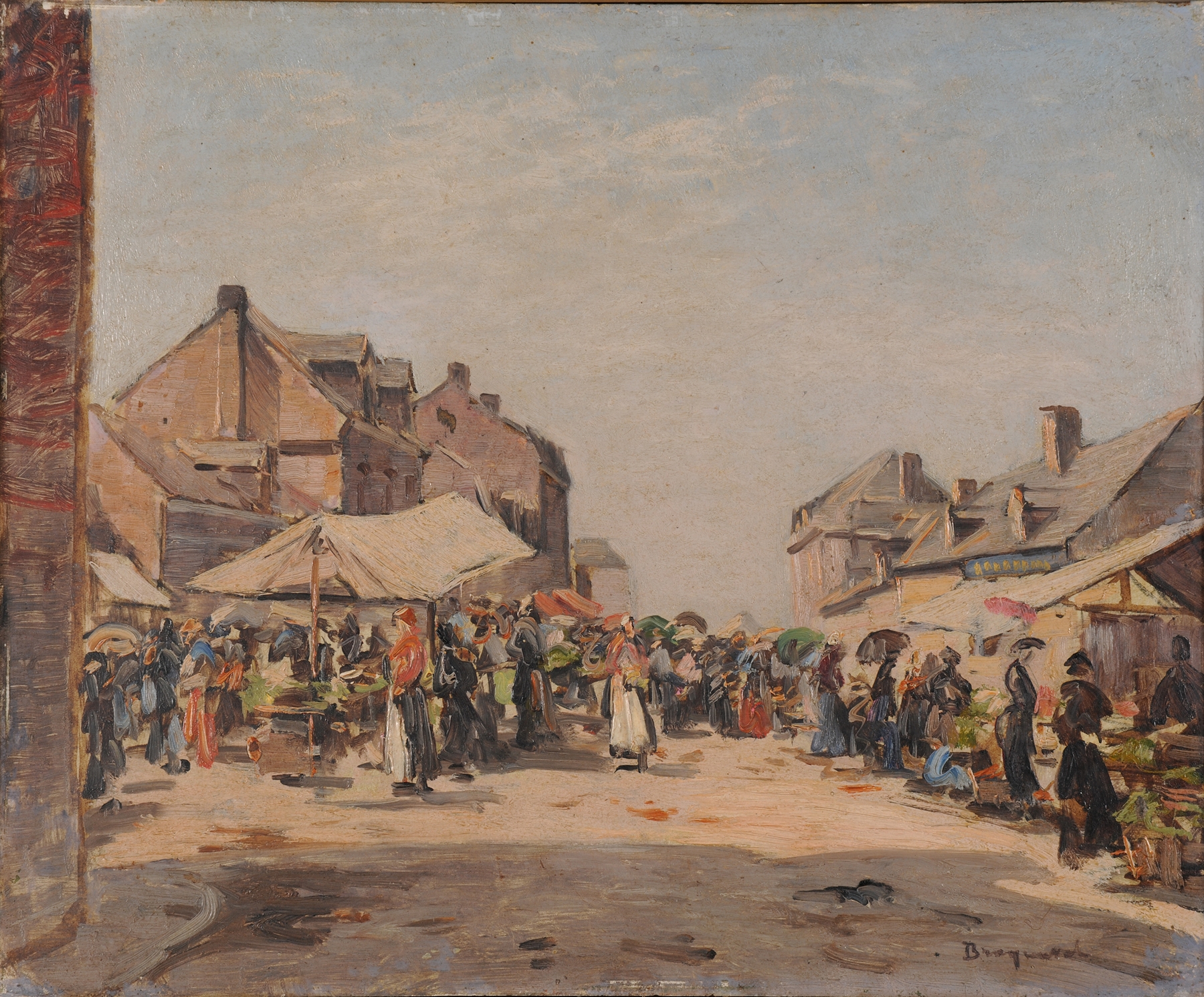
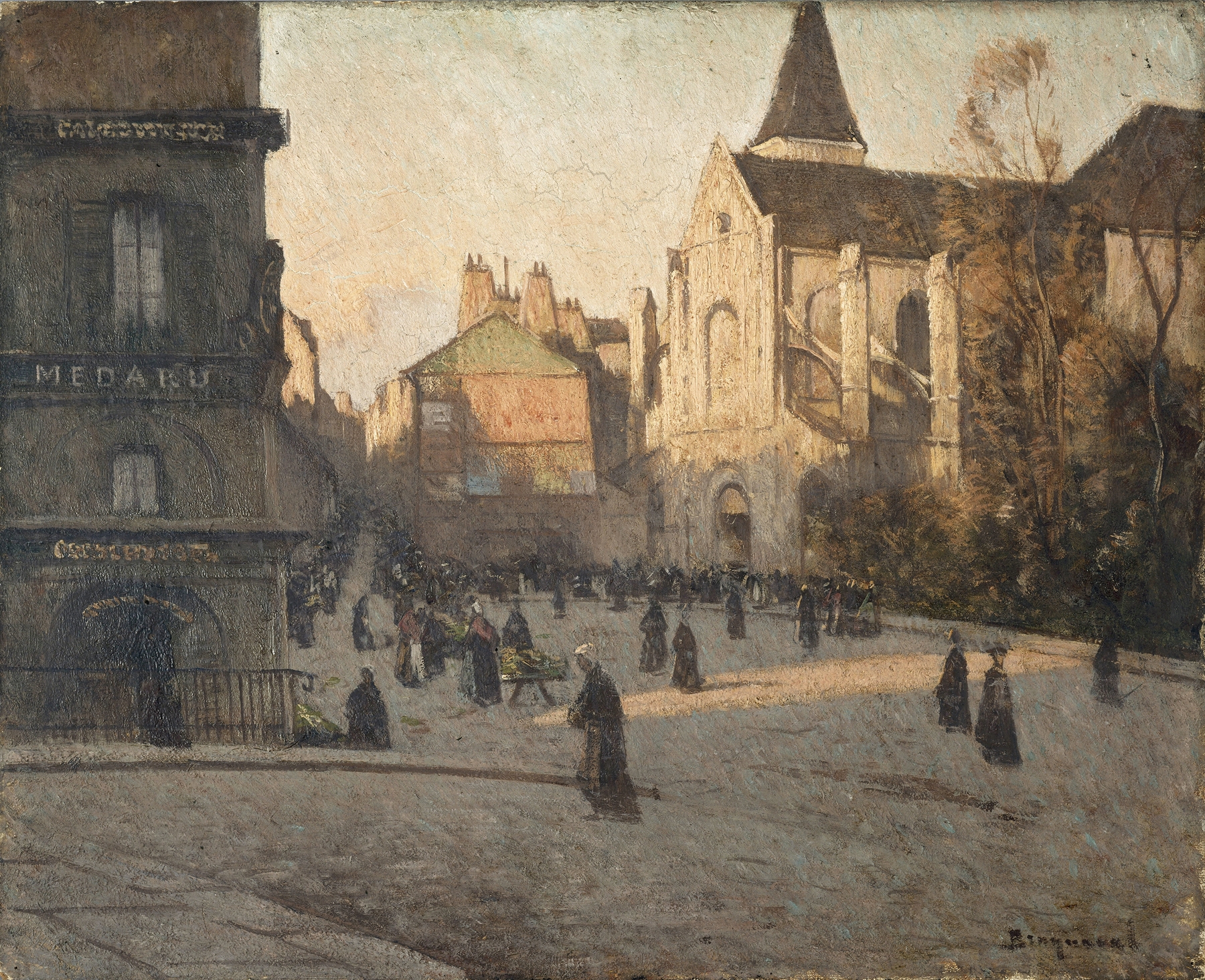
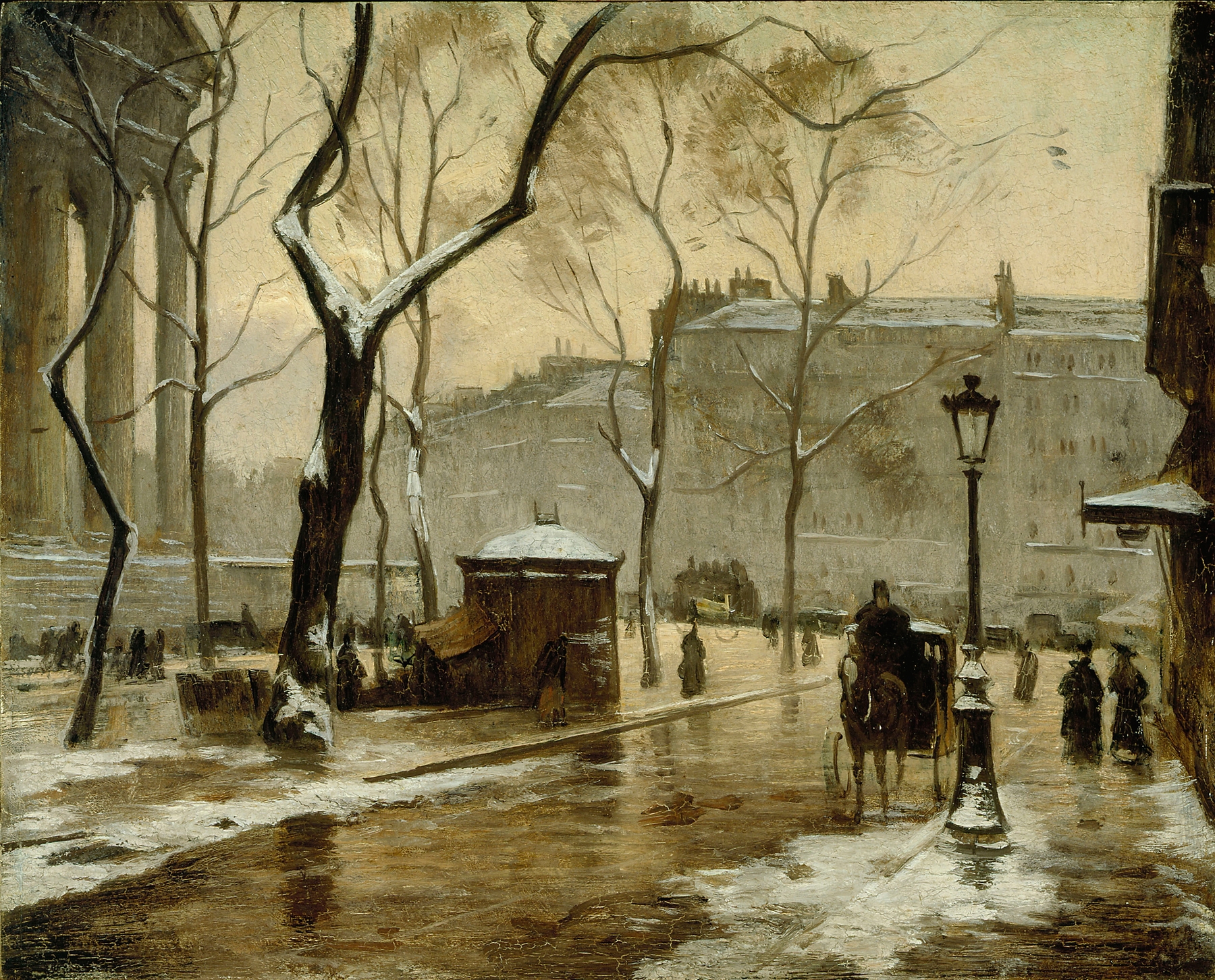
“To paint is to remember what time wants us to forget.” In La place de la Madeleine, the essence of color breathes life into a moment captured yet ephemeral, inviting us to ponder the very nature of memory itself. Look to the left at the vibrant play of reds and golds that illuminate the architecture, each stroke a heartbeat of the bustling square. Notice how the cool blues and greens in the shadows create a serene counterpoint, drawing your eye to the figures that populate the scene. The contrast of light and shadow not only adds depth but also weaves an emotional tapestry that mirrors the complexity of urban life.
Within these hues lies a rich narrative; the juxtaposition of warmth and coolness speaks to the coexistence of joy and solitude in the crowd. Each figure, though small, embodies a story, their postures and expressions revealing a range of human experiences—hope, contemplation, and connection amidst the anonymity of the city. The rhythmic movement of brushstrokes suggests the pulse of life, while the subtle details invite viewers to reflect on the fleeting nature of time itself.
Louis Braquaval painted this work in 1912 during a period of artistic experimentation in France. At the time, the Parisian scene was vibrant with emerging movements, yet Braquaval maintained a distinctive focus on color and light, marking his unique approach to Impressionism. His engagement with the social fabric of Paris reflected not just a personal vision but also the broader cultural transformations happening in early 20th-century Europe.