Le marché de Cayeux-sur-Mer — History & Analysis
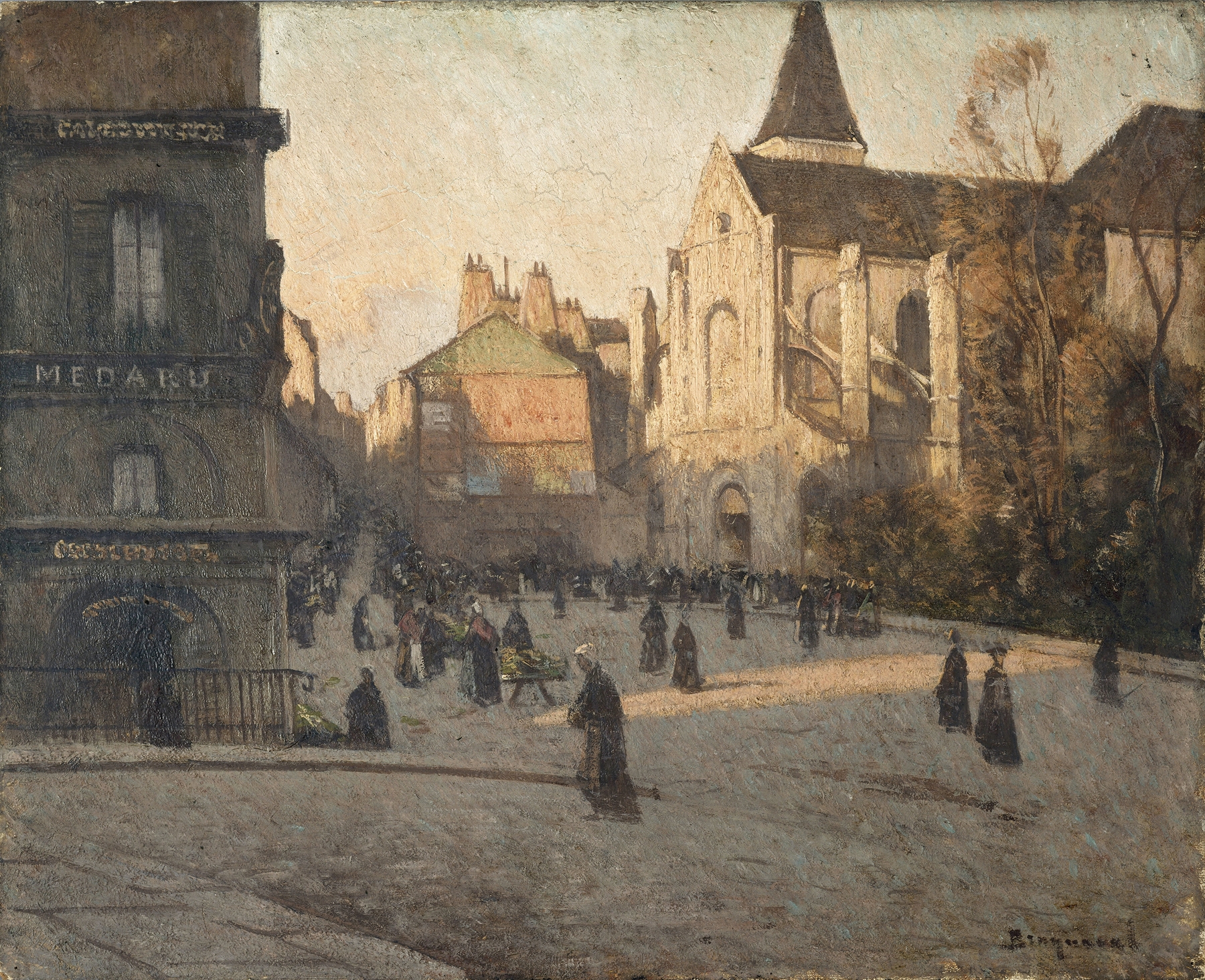
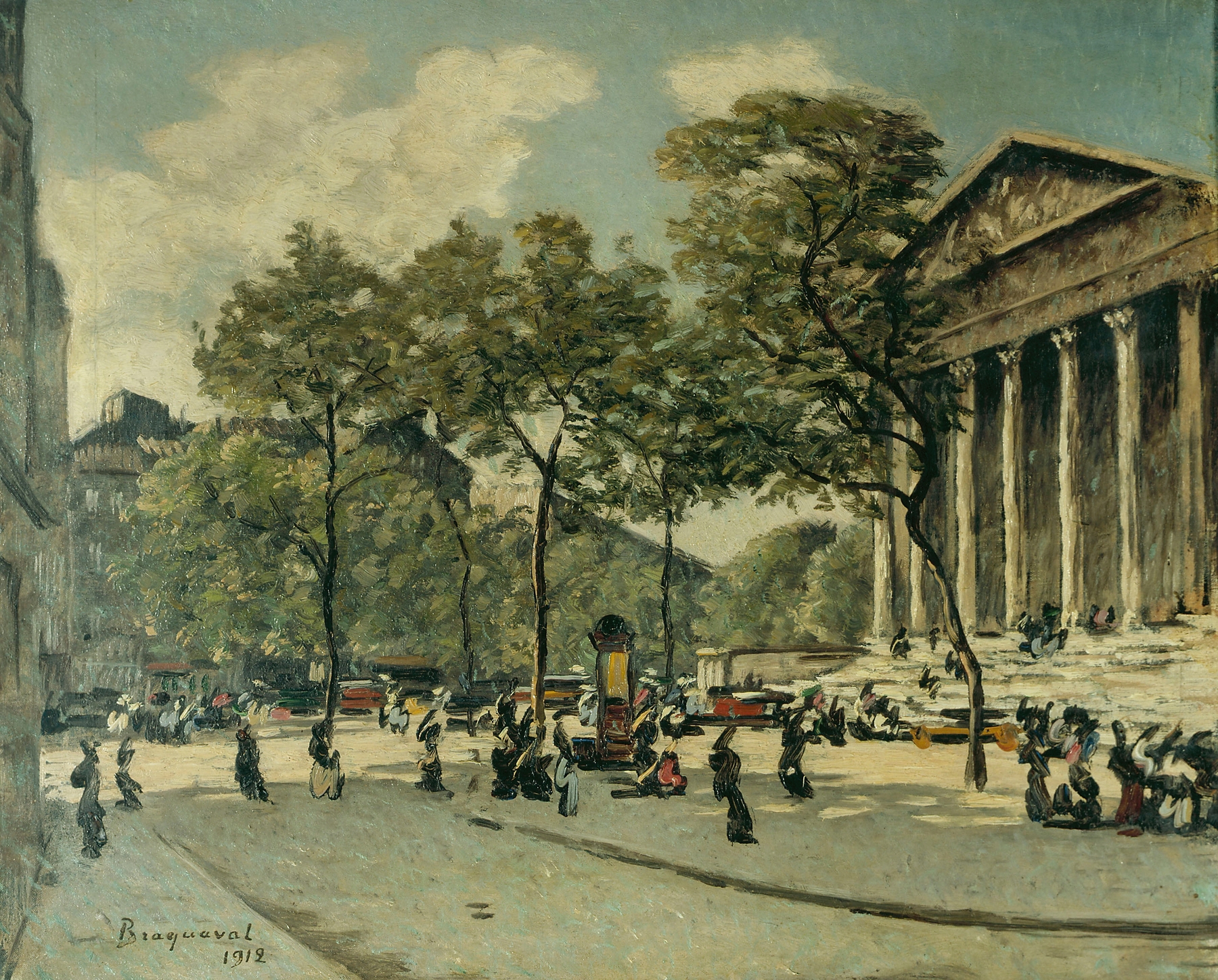
“Every brushstroke is a heartbeat remembered.” In the vibrant tapestry of life, innocence often weaves itself through the marketplace moments, revealing a depth that transcends time and place. Here, within the confines of a canvas, the essence of simplicity unfolds in a bustling scene. Focus first on the lively figures, each painted with a delicate hand that captures their movements and expressions. Look to the left, where a vendor engages with a child, their joy infectious and pure. The soft palette of pastel hues breathes life into this tableau, as the gentle embrace of daylight filters through the scene, illuminating the textures of fruit and fabric.
The artist's meticulous attention to detail invites viewers to linger, to savor the interplay of light and shadow. Amidst the vibrancy, one can detect a subtle tension between the idyllic moment and the undercurrents of time moving forward. The presence of the child, wide-eyed and full of wonder, starkly contrasts with the weight of adulthood looming in the background. The market, alive with trade and chatter, symbolizes a fleeting innocence that time threatens to erode, creating an emotional resonance that lingers long after the viewer departs.
Each figure, with their unique story, collectively narrates the theme of fleeting joy and the inevitable passage of time. Louis Braquaval created this piece around 1904, during a transformative era for French art, where impressionistic influences were shifting towards more intimate representations of daily life. Living in France, a country undergoing rapid social change, Braquaval's works captured the essence of ordinary moments, reflecting a yearning for connection amidst the evolving modern landscape. His choice to focus on everyday scenes like this one speaks to a broader artistic trend of introspection and nostalgia in a time of uncertainty.