La rue du Caire, à l’Exposition de 1889 — History & Analysis
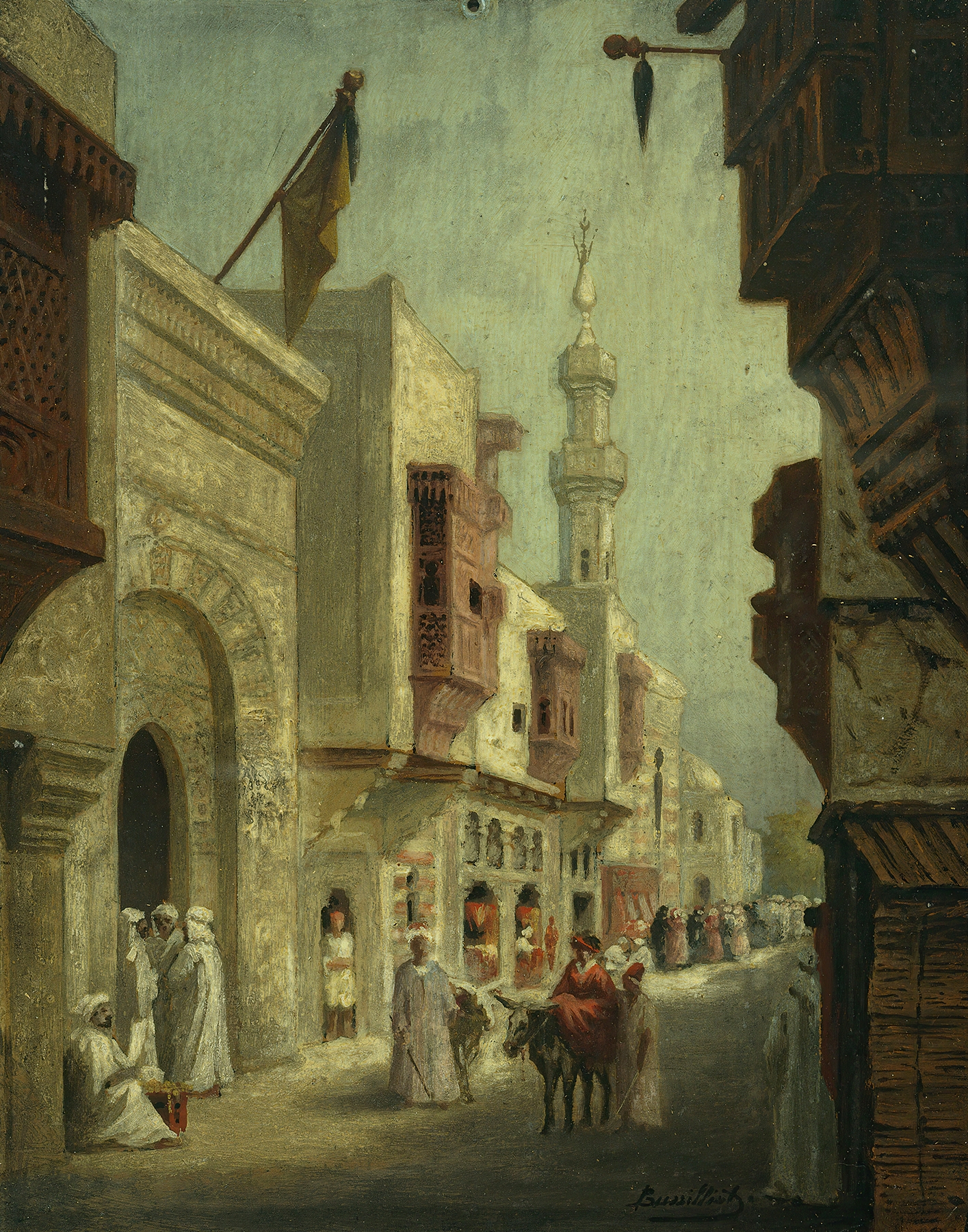
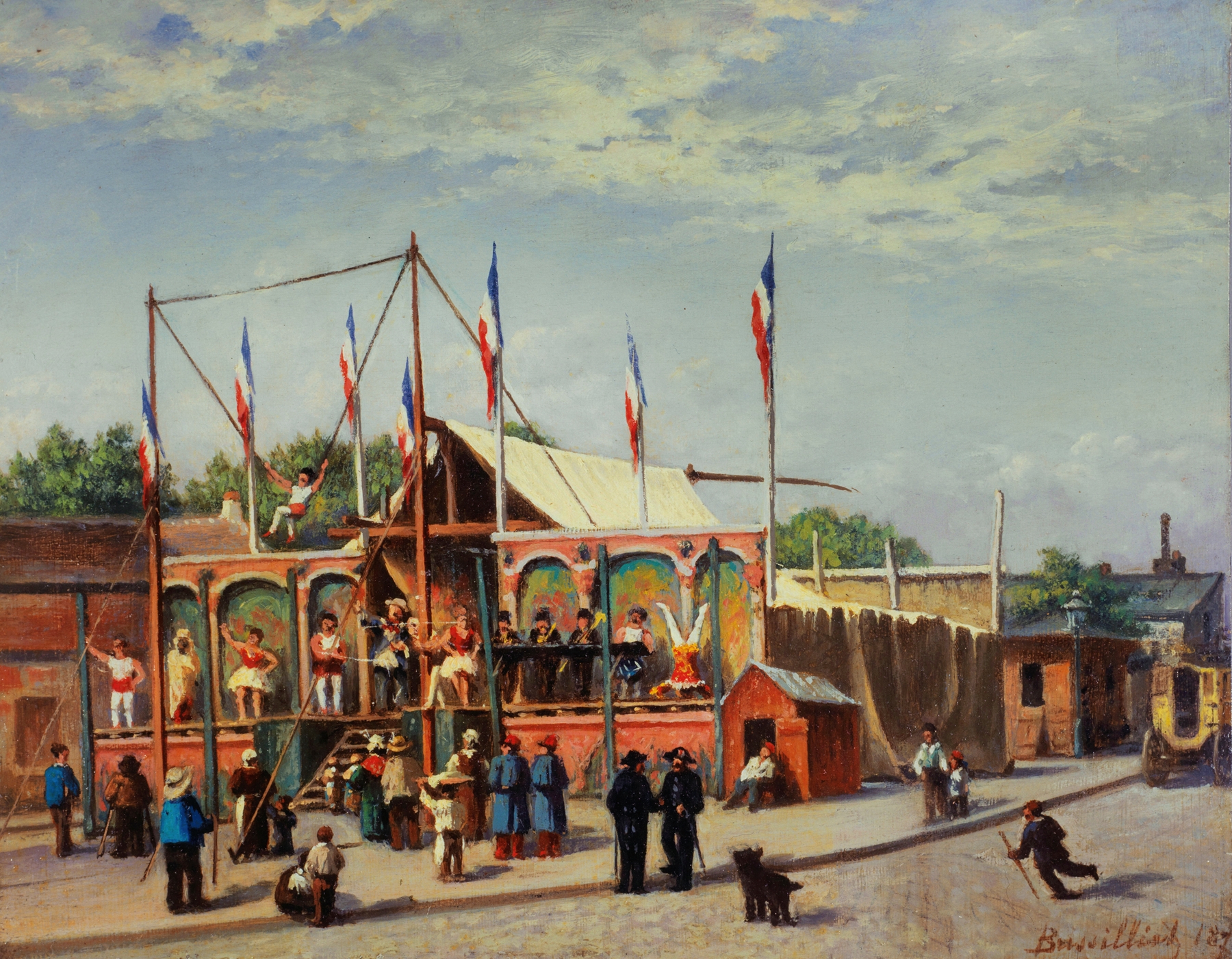
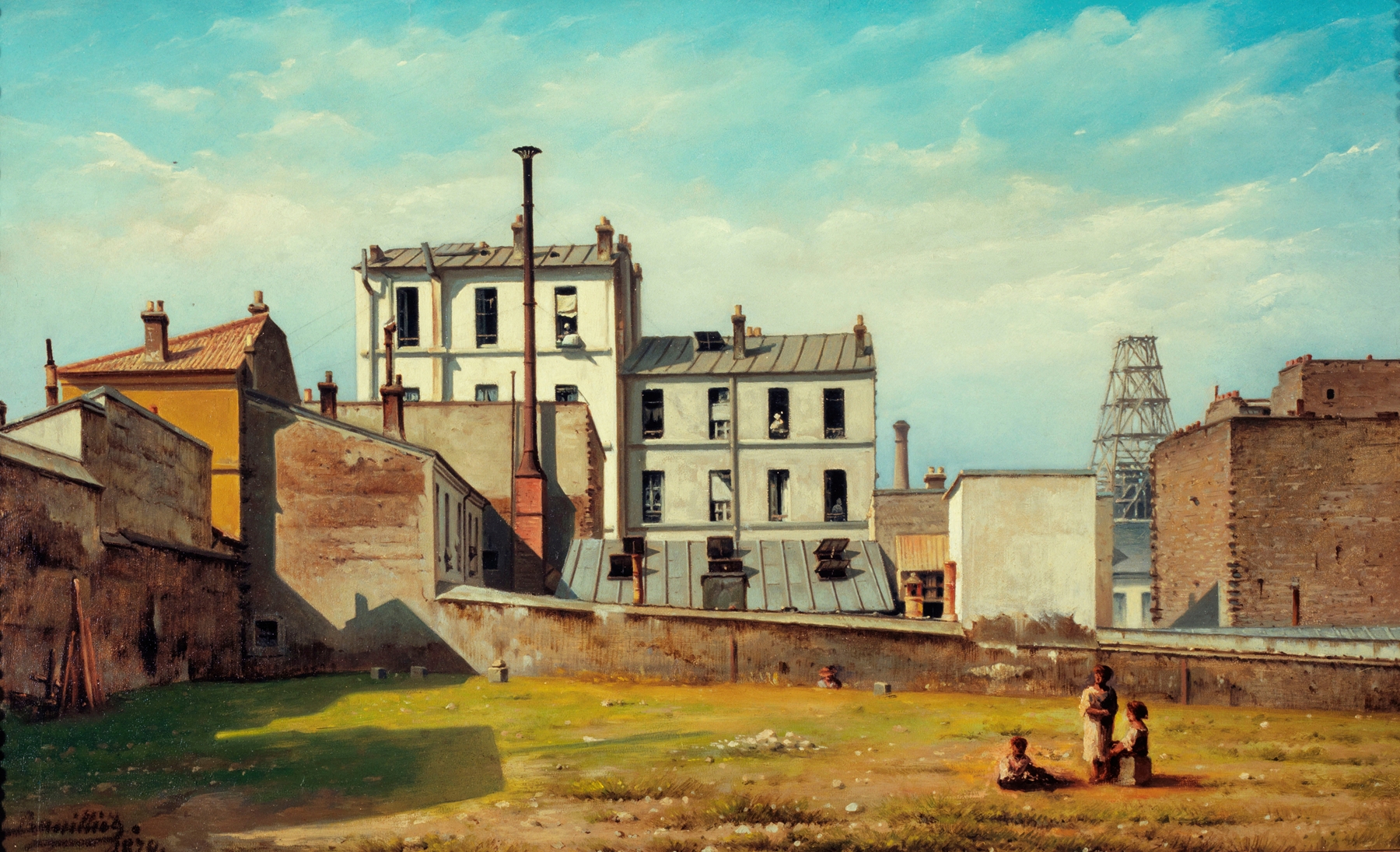
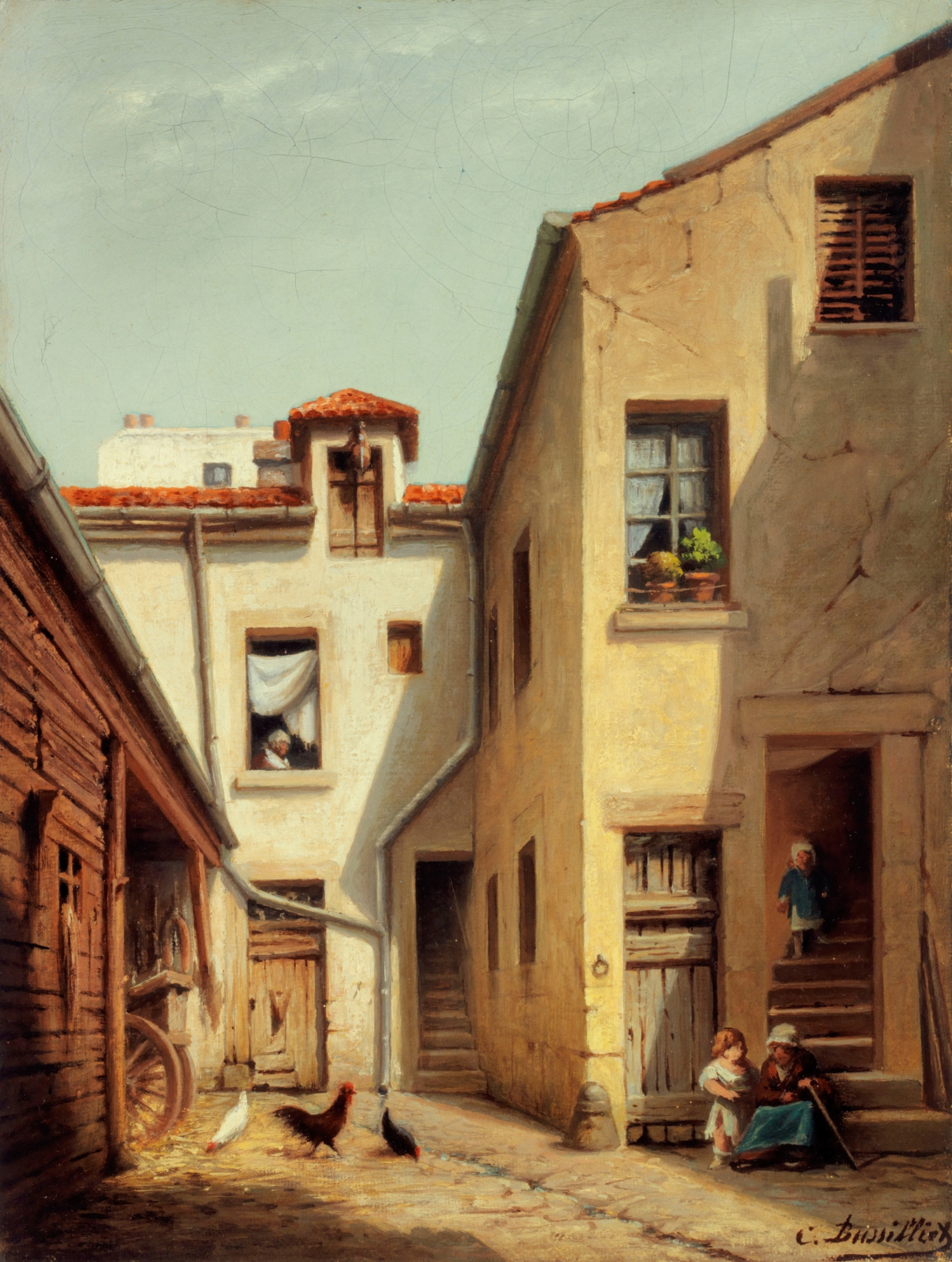
“The canvas doesn’t lie — it simply waits.” Memory lingers in every brushstroke, holding the echoes of lives once lived and streets once walked, inviting us to step into another time. Look to the center of the painting, where the bustling street unfurls, teeming with figures wrapped in daily affairs. The warm palette of ochres and deep blues creates an atmosphere soaked in the golden light of a Parisian afternoon, illuminating both the architecture and the people with a soft glow. Notice how the artist captures the rhythm of movement; the flowing garments of passersby contrast with the rigid lines of shopfronts, drawing the eye along the lively thoroughfare.
Beneath the vibrant surface lies a tapestry of emotions: nostalgia for a moment suspended in time, the juxtaposition of industry and artistry, the essence of a vibrant culture. Each passerby, whether a vendor or a leisurely traveler, embodies a fragment of the city’s rich tapestry, provoking thoughts on connection and solitude in urban life. The intricate details—the worn cobblestones, the fluttering fabric—speak to the fleeting nature of memory itself, bound yet ephemeral. C.
Bussilliet painted this scene during the 1889 Exposition Universelle in Paris, a time of great innovation and cultural exchange. As the world was captivated by advancements and the splendor of modernity, he sought to portray the essence of Paris as it transformed before the eyes of its inhabitants. This work reflects both the personal and collective memory of a city at the brink of a new era, capturing the heartbeat of a moment in history.